

What Is the Real Return on Investment for ENERGY STAR Smart Home Appliances in 2026?
ENERGY STAR smart home appliances deliver measurable financial returns through reduced energy consumption and utility bill savings. In 2026, the average household can expect a payback period of 3 to 7 years for most smart appliances, with annual savings ranging from $150 to $500 depending on appliance type, usage patterns, and local electricity rates. The key takeaway: ENERGY STAR smart appliances typically save 10 to 50 percent more energy than standard models, translating into cumulative savings of $1,500 to $3,500 over a 10-year lifespan. Beyond direct energy savings, homeowners benefit from federal tax credits covering up to 30 percent of installation costs, smart features that optimize usage patterns, and increased home resale value. The actual ROI depends on your baseline electricity rates, current appliance age, and whether you qualify for available rebates and tax incentives.
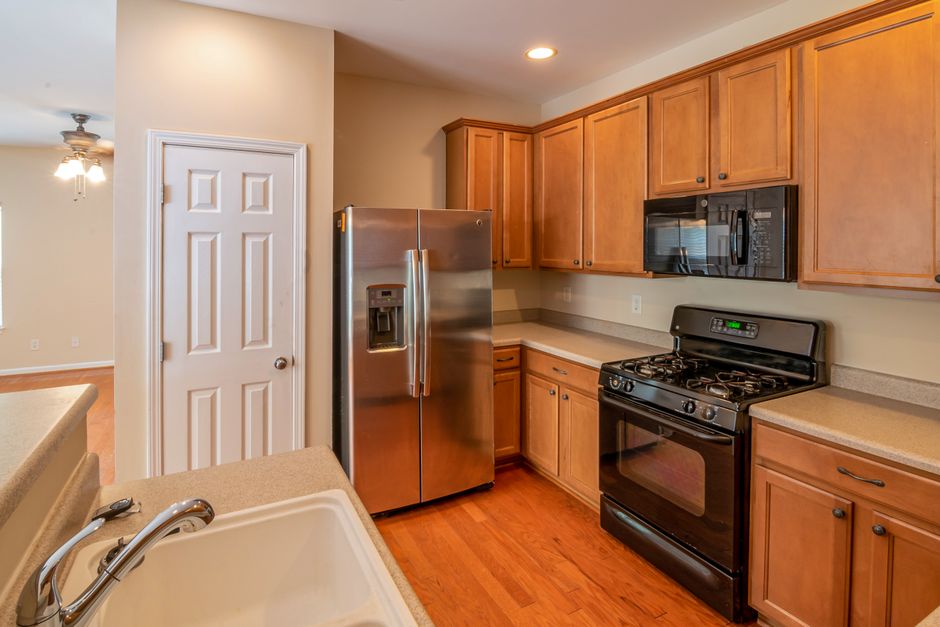
Understanding ENERGY STAR smart appliance ROI requires analyzing multiple cost factors. The upfront purchase price premium for smart models ranges from 15 to 40 percent above standard appliances. However, this premium is offset by energy savings, federal tax credits, and utility rebates. According to the ENERGY STAR program, certified appliances consume significantly less energy while maintaining the same performance standards. Smart features like remote monitoring, automated scheduling, and AI-powered optimization amplify these savings by adapting to your household’s unique consumption patterns. Additionally, federal smart home tax credits available in 2026 can reduce your net investment substantially. For homeowners considering upgrades, calculating your personal ROI involves comparing your current energy costs, available incentives, and expected lifespan of the appliance.
How Do ENERGY STAR Smart Appliances Compare to Standard Models in Energy Efficiency?
ENERGY STAR certified appliances outperform standard models across all major categories. Refrigerators consume 15 to 20 percent less energy, washing machines save 25 to 45 percent of water and energy, dishwashers reduce water usage by 30 percent, and smart thermostats can lower heating and cooling costs by 10 to 23 percent annually. These efficiency gains compound over time, creating substantial long-term savings.
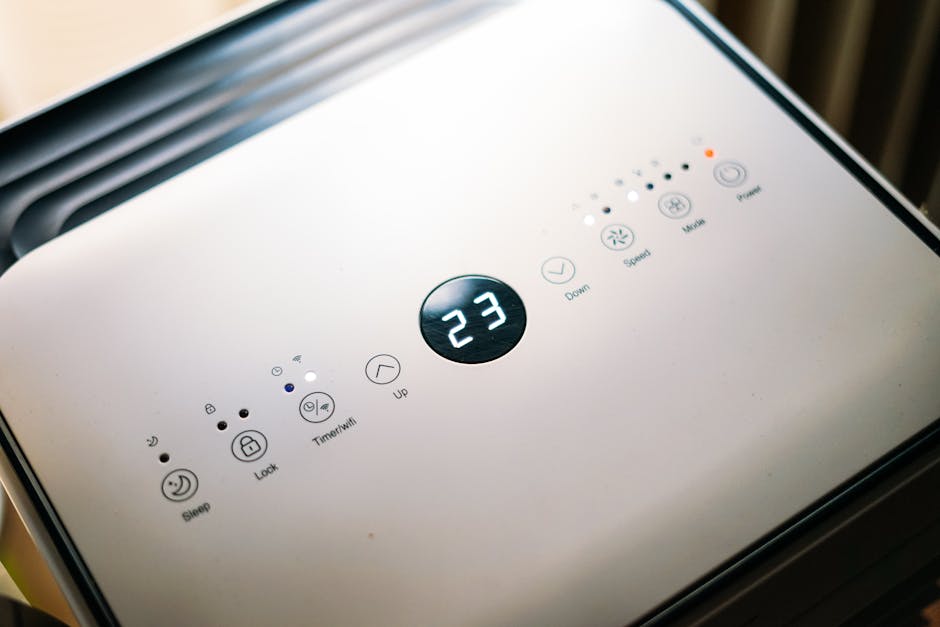
Energy Consumption Differences
The efficiency gap between ENERGY STAR and standard appliances has widened significantly by 2026. Modern ENERGY STAR refrigerators operate with improved insulation, variable-speed compressors, and smart defrost cycles that reduce energy waste. A standard refrigerator consumes approximately 800 to 1,000 kilowatt-hours annually, while ENERGY STAR models use 600 to 750 kilowatt-hours. At an average electricity rate of $0.14 per kilowatt-hour in 2026, this translates to annual savings of $28 to $56 per refrigerator.
Smart washing machines employ advanced sensors and AI algorithms to optimize water temperature, cycle duration, and spin speed based on load size and fabric type. Standard washers use 40 to 45 gallons per cycle, while ENERGY STAR smart models use 15 to 25 gallons. Combined with reduced hot water heating, annual savings reach $60 to $120 per household. Dishwashers demonstrate similar efficiency gains, using 3 gallons per cycle compared to 27 gallons for hand washing, plus automated soil sensors that adjust cycle intensity.
Smart Features That Amplify Savings
Beyond baseline efficiency, smart features create additional savings opportunities. Remote monitoring allows users to track real-time energy consumption and identify usage anomalies. Automated scheduling shifts high-energy tasks to off-peak hours when electricity rates are lower, potentially reducing costs by 15 to 30 percent. Smart appliances integrated with time-of-use rate programs can automatically adjust operation timing to coincide with cheaper electricity periods. Machine learning algorithms learn household patterns and optimize performance, continuously improving efficiency over time.
What Are the True Payback Periods for Different ENERGY STAR Smart Appliances in 2026?
Payback periods vary significantly by appliance type, purchase price premium, and local electricity rates. Understanding these timelines helps determine which upgrades offer the best financial returns for your household.
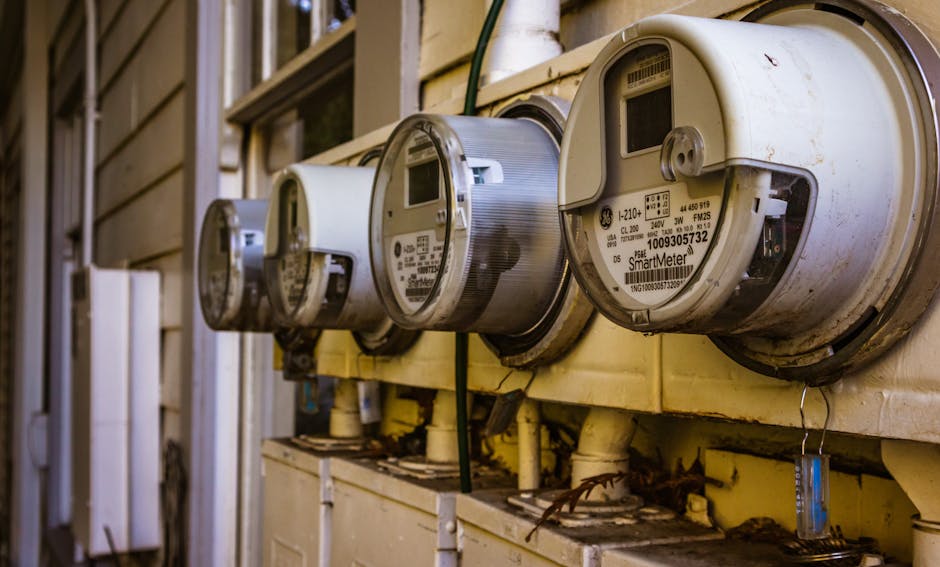
Refrigerators and Freezers
ENERGY STAR refrigerators carry a typical price premium of $200 to $400 over standard models. With annual energy savings of $30 to $60, the payback period ranges from 4 to 13 years. However, refrigerators typically last 12 to 18 years, meaning you’ll recoup your investment and enjoy 5 to 10 years of pure savings. Modern smart refrigerators with inventory tracking and automated ordering features provide additional convenience value that extends beyond pure energy ROI.
Washing Machines and Dryers
Smart washing machines cost $400 to $800 more than standard models, but annual water and energy savings reach $80 to $150. This produces a payback period of 3 to 10 years, with an average lifespan of 10 to 15 years. Smart dryers with moisture sensors achieve similar payback timelines. When combined, a smart washer-dryer pair costs approximately $1,000 to $1,600 more upfront but saves $160 to $300 annually, yielding a 4 to 10-year payback period.
Smart Thermostats
Smart thermostats represent the fastest ROI investment in most households. Installation costs range from $200 to $600, while annual savings average $100 to $200 depending on climate and heating/cooling usage. This produces a payback period of 1 to 6 years. Different thermostat brands deliver varying savings percentages, with premium models offering better learning algorithms and integration capabilities. Given the 15 to 20-year lifespan of quality thermostats, you’ll enjoy substantial savings after payback.
Dishwashers
ENERGY STAR dishwashers cost $300 to $600 more than standard models, with annual savings of $40 to $80. Payback periods range from 4 to 15 years, with appliance lifespans of 10 to 15 years. The financial case for dishwashers is stronger when you factor in water heating costs and the convenience of eliminating hand washing.
How Do Federal Tax Credits and Rebates Affect Your ENERGY STAR Appliance ROI?
Federal incentives dramatically improve ROI calculations by reducing your net upfront investment. In 2026, the federal government offers tax credits covering up to 30 percent of qualifying ENERGY STAR appliance costs through the Inflation Reduction Act. Comprehensive federal smart home tax credits available in 2026 include direct rebates for refrigerators, washing machines, dishwashers, and water heaters.

Federal Tax Credit Calculations
The federal appliance rebate program provides point-of-sale discounts or tax credits for ENERGY STAR products. Refrigerators qualify for up to $840 in credits, washing machines up to $840, dishwashers up to $600, and water heaters up to $3,750 for heat pump models. These credits directly reduce your purchase price, accelerating payback periods significantly. A washing machine costing $1,200 with $840 in federal credits effectively costs only $360, reducing the payback period from 5 years to approximately 2 years based on annual savings of $150.
State and Utility Rebates
Beyond federal incentives, many states and utility companies offer additional rebates. California, New York, and Massachusetts provide supplementary rebates of $100 to $500 per appliance. Some utilities offer instant rebates at the point of purchase, reducing your out-of-pocket cost immediately. These cumulative incentives can cover 40 to 60 percent of the total upgrade cost, making ENERGY STAR smart appliances financially compelling across most regions.
Tax Deduction Timing
Understanding the timing of tax credits matters for cash flow planning. Point-of-sale rebates provide immediate savings, while tax credits require filing on your annual return. In 2026, many retailers coordinate with federal programs to apply rebates directly at checkout, eliminating the need to wait for tax refunds. This timing advantage makes ENERGY STAR appliances more accessible to households with limited upfront capital.
How Do You Calculate Your Personal ENERGY STAR Appliance ROI?
Calculating your individual ROI requires gathering specific data about your household, current appliances, and local utility rates. Follow this systematic approach to determine whether ENERGY STAR smart appliance upgrades make financial sense for your situation.

Step 1: Determine Your Current Energy Costs
Start by examining your utility bills from the past 12 months. Identify the average monthly cost and your electricity rate per kilowatt-hour. Most utility bills display this rate clearly. For appliances using natural gas (water heaters, dryers), note the per-therm cost. Record the specific consumption of the appliance you’re considering replacing. Your utility company can provide historical consumption data if you request it. Calculate the annual cost of operating your current appliance by multiplying consumption by your local rate. This baseline establishes your starting point for savings calculations.
Step 2: Research ENERGY STAR Model Efficiency Ratings
Visit the official ENERGY STAR website to compare specific models you’re considering. The site displays estimated annual energy consumption and operating costs for each certified appliance. Compare these figures directly with your current appliance’s consumption. The difference represents your potential annual savings. For example, if your current refrigerator costs $120 annually to operate and an ENERGY STAR model costs $75 annually, your annual savings equal $45. Document the energy consumption figures for models in your price range and preferred brands.
Step 3: Calculate the Purchase Price Premium
Determine the price difference between the ENERGY STAR smart model and a comparable standard appliance. This premium is your net investment. For example, if an ENERGY STAR refrigerator costs $1,400 and a standard model costs $1,000, your premium is $400. Don’t compare to the cheapest available option; instead, compare to models with similar features and capacity. This ensures you’re evaluating a genuine upgrade rather than a feature-based price difference.
Step 4: Account for Available Incentives
Research federal tax credits and state rebates applicable to your location and appliance type. Visit the Database of State Incentives for Renewables & Efficiency (DSIRE) or your state’s energy office website for current programs. Contact your local utility company to inquire about additional rebates. Subtract all available incentives from your purchase price premium. This adjusted figure represents your true out-of-pocket investment. For example, a $400 premium minus $200 in federal credits and $100 in utility rebates equals a true net cost of $100.
Step 5: Calculate Payback Period and Lifetime Savings
Divide your net investment by annual energy savings to determine payback period. Using the previous example: $100 net cost ÷ $45 annual savings = 2.2 years. Next, multiply annual savings by the appliance’s expected lifespan to calculate lifetime savings. A refrigerator lasting 15 years at $45 annual savings generates $675 in total savings. Subtract your net investment: $675 – $100 = $575 net lifetime benefit. This calculation demonstrates the true financial value of the upgrade.
Step 6: Consider Non-Financial Benefits
While ROI focuses on financial returns, factor in convenience and environmental benefits. Smart features like remote monitoring, automated scheduling, and AI optimization provide value beyond energy savings. Some households value reduced water consumption and environmental impact as significant benefits. Additionally, ENERGY STAR appliances may increase home resale value, though this benefit is difficult to quantify precisely. Use these considerations to validate whether the financial ROI aligns with your overall home improvement priorities.
What Are Common Mistakes in ENERGY STAR Appliance ROI Analysis?
Many homeowners miscalculate ROI by overlooking critical factors or making unrealistic assumptions. Understanding these common errors helps you conduct accurate analysis and make informed decisions.
Ignoring Incentive Availability
The most frequent mistake is calculating ROI without accounting for federal credits, state rebates, and utility incentives. These programs significantly reduce net investment costs and accelerate payback periods. Failing to research available incentives makes ENERGY STAR upgrades appear less attractive financially than they actually are. Always complete your incentive research before deciding against an upgrade based on ROI concerns.
Comparing to the Cheapest Standard Model
Comparing ENERGY STAR appliances to the absolute cheapest standard option skews ROI calculations unfavorably. A fair comparison uses appliances with similar features, capacity, and build quality. A premium ENERGY STAR refrigerator shouldn’t be compared to a budget-brand standard model; instead, compare similar-tier products. This ensures your ROI analysis reflects realistic upgrade scenarios.
Underestimating Appliance Lifespan
Some analyses assume shorter lifespans than appliances actually achieve. Modern refrigerators last 12 to 18 years, washing machines 10 to 15 years, and thermostats 15 to 20 years. Using conservative lifespan estimates underestimates total savings and makes payback periods appear longer. Research the typical lifespan for the specific appliance and brand you’re considering.
Overlooking Water Heating Costs
For water-using appliances like washing machines and dishwashers, the energy cost of heating water often exceeds the appliance’s direct energy consumption. Standard washing machines require more hot water than smart models, creating hidden heating costs. Comprehensive ROI analysis must include water heating expenses, which typically account for 40 to 60 percent of washing machine operating costs.
Ignoring Electricity Rate Inflation
Many calculations assume static electricity rates, but rates typically increase 2 to 4 percent annually. Over a 10-year lifespan, this inflation significantly increases the value of energy savings. A conservative analysis might use current rates, but a realistic analysis should factor in modest rate increases, which improve ROI substantially.
How Does Smart Home Integration Enhance ENERGY STAR Appliance ROI?
Smart home integration amplifies ENERGY STAR appliance savings by enabling coordinated optimization across multiple devices. Integrated smart systems create synergies that individual appliances cannot achieve alone, generating additional financial returns.
Coordinated Energy Management
Smart home hubs and energy management systems coordinate operation across multiple appliances, optimizing for lowest-cost operation periods. When integrated with smart meters and time-of-use rate programs, coordinated systems can shift laundry, dishwashing, and EV charging to off-peak hours when electricity costs 30 to 50 percent less. Smart meter integration enables real-time optimization based on actual electricity pricing and grid demand. This coordination typically generates an additional 10 to 20 percent savings beyond individual appliance efficiency.
AI-Powered Predictive Optimization
AI predictive modeling optimizes energy consumption patterns by learning household behavior and anticipating future needs. These systems adjust appliance operation preemptively, maximizing efficiency and cost savings. Machine learning algorithms continuously improve their predictions, generating increasing savings over time. Homes with AI-optimized smart appliances achieve 15 to 30 percent additional savings compared to standard smart appliance operation.
Integration with Renewable Energy Systems
Smart appliances integrated with solar panels and home battery systems can prioritize operation during peak solar generation periods, reducing reliance on grid electricity. EV batteries used as home energy storage can power smart appliances during expensive peak-rate periods, further reducing electricity costs. These integrated systems create substantial ROI improvements for households with renewable energy infrastructure.
What Factors Should You Consider Beyond Pure ROI When Choosing ENERGY STAR Appliances?
While financial ROI is important, several other factors should influence your ENERGY STAR appliance purchasing decisions. A comprehensive evaluation considers these elements alongside pure financial returns.
Current Appliance Age and Condition
If your current appliance is relatively new and functioning well, the ROI case for replacement is weaker. Upgrading a 5-year-old refrigerator may not justify the investment, even with federal credits. However, if your appliance is 12 or more years old, replacement becomes more attractive because the old unit’s inefficiency compounds over time. Emergency replacements for failed appliances offer better ROI because you’re comparing to immediate replacement costs, not optional upgrades.
Environmental Impact and Sustainability Goals
Some households prioritize environmental benefits beyond financial ROI. ENERGY STAR appliances reduce carbon emissions, water consumption, and resource waste. If sustainability aligns with your values, the environmental benefits may justify upgrades even with longer payback periods. Additionally, reducing your household’s energy consumption supports grid stability and reduces pressure on electrical infrastructure.
Lifestyle and Convenience Benefits
Smart features provide convenience value that pure ROI analysis doesn’t capture. Remote monitoring, automated scheduling, and AI optimization reduce manual effort and improve household efficiency. Some users value these convenience features highly enough to justify upgrades even with marginal financial ROI. Consider whether the smart features align with your lifestyle and daily routines.
Home Resale Value Impact
ENERGY STAR certified appliances and smart home systems may increase home resale value, though the impact varies by market. Buyers increasingly value energy efficiency and smart home integration, particularly in regions with high electricity costs. While difficult to quantify precisely, this potential resale premium should factor into your overall decision-making, especially if you plan to sell your home within the next 5 to 10 years.
Is Investing in ENERGY STAR Smart Home Appliances Worth It in 2026?
ENERGY STAR smart home appliances represent sound financial investments for most households in 2026, particularly when accounting for federal tax credits and state rebates. The combination of reduced purchase price premiums through incentives, improving appliance efficiency, and increasing electricity costs creates favorable ROI conditions. For households with electricity rates above $0.12 per kilowatt-hour, payback periods typically range from 2 to 6 years, with substantial savings accumulating over the appliance’s 10 to 20-year lifespan.
The strongest financial cases exist for smart thermostats, which offer the fastest payback periods and highest annual savings percentages. Washing machines and dishwashers also deliver compelling ROI when you factor in water heating costs and available incentives. Refrigerators provide slower payback periods but generate significant lifetime savings due to their long operational lifespan. Heat pump water heaters offer the highest potential savings and federal credits, though they require higher upfront investment.
Beyond pure financial analysis, ENERGY STAR smart appliances provide additional value through convenience features, environmental benefits, and smart home integration capabilities. When integrated with other smart home systems, these appliances generate additional savings through coordinated optimization and AI-powered management. For households prioritizing energy efficiency, environmental sustainability, or smart home automation, the combination of financial ROI and non-financial benefits makes ENERGY STAR upgrades highly worthwhile.
Before making purchasing decisions, calculate your personal ROI using your specific electricity rates, available incentives, and current appliance conditions. Research current federal and state rebate programs, as these incentives change periodically and significantly impact financial outcomes. Consider your household’s long-term plans—if you’re staying in your home for 10 or more years, ENERGY STAR investments become increasingly attractive. For households planning to relocate within 3 to 5 years, prioritize appliances with shorter payback periods to ensure you recover your investment before moving.
The 2026 landscape for ENERGY STAR appliances is particularly favorable due to expanded federal incentive programs, improved appliance efficiency standards, and growing integration with smart home ecosystems. Electricity rates continue rising, improving the financial case for efficiency investments. If you’ve been considering ENERGY STAR upgrades, 2026 represents an optimal time to evaluate and implement these improvements, leveraging available incentives and maximizing long-term savings potential.




Write Your Review
No reviews yet. Be the first to share your experience!