
What Is the Real Cost of Building a Smart Home in August 2026?
Quick Answer: Building a basic smart home in August 2026 costs between $500 and $2,000 for essential devices like a smart hub, lighting, and security. Our top recommendation for budget-conscious homeowners is starting with an affordable smart speaker ($50-$100) paired with compatible smart bulbs and plugs. Mid-range smart homes typically run $2,000 to $5,000 with integrated security, climate control, and entertainment systems. Premium installations exceeding $10,000 include professional-grade automation, advanced security cameras, and custom integration. The key takeaway: you don’t need to spend thousands upfront—smart homes scale gradually based on your priorities and budget constraints.
The smart home market has evolved dramatically since 2024, with prices becoming more accessible and product compatibility improving significantly. In August 2026, homeowners have unprecedented flexibility in building customized smart home ecosystems that fit their specific needs and financial constraints. Whether you’re a renter looking for plug-and-play solutions or a homeowner ready for comprehensive automation, understanding the true cost breakdown helps you make informed decisions. This guide explores the 10 most impactful products and categories that determine your total smart home investment, from entry-level starter kits to advanced professional installations.
Which Smart Home Products Offer the Best Value in August 2026?
Smart Home Hub Systems: The Foundation of Your Automation
A quality smart hub serves as the central nervous system for your entire smart home ecosystem. In August 2026, premium hubs like the Amazon Echo Hub or Google Nest Hub Max range from $99 to $249, providing voice control, automation scheduling, and device management through a single interface. Mid-range options cost $50 to $99 and handle basic automation tasks effectively. Budget-conscious buyers can start with a basic smart speaker ($25-$50) that functions as a hub for compatible devices. The investment in a reliable hub prevents costly compatibility issues and simplifies adding new devices later. Most hub systems include built-in screens, remote access capabilities, and integration with over 10,000 compatible smart devices, making them essential regardless of your budget tier.
Smart Lighting Solutions: Affordable Entry Point
Smart bulbs and lighting systems represent one of the most affordable ways to begin your smart home journey, with individual bulbs costing $8 to $25 each. A complete room setup with four to six smart bulbs typically costs $40 to $150. Philips Hue, LIFX, and Wyze dominate the market in August 2026, offering color-changing capabilities, scheduling, and voice control integration. Strip lighting and smart switches add another $30 to $80 per installation. The beauty of smart lighting is its scalability—you can start with a single bulb in your bedroom and expand room by room. Many smart lights work with both Amazon Alexa and Google Home, eliminating ecosystem lock-in concerns. Energy savings from smart scheduling and dimming capabilities typically offset installation costs within 12 to 18 months.
Smart Security Systems: Protecting Your Investment
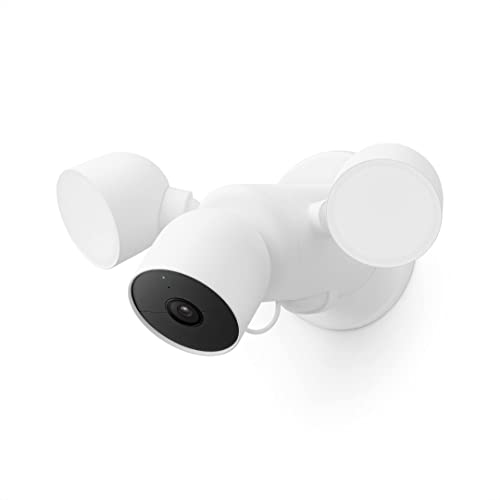
Home security represents the largest single expense category for most smart home builders, ranging from $300 to $2,500 depending on scope and monitoring services. Video doorbell cameras cost $99 to $299 each, while indoor security cameras run $50 to $200 per unit. Our comprehensive guide on smart deadbolts in July 2026 explores lock options ranging from $150 to $400. Professional monitoring services add $10 to $30 monthly. DIY security systems eliminate installation costs but require technical setup knowledge. In August 2026, most security devices offer cloud storage, mobile alerts, and integration with your smart hub. Consider starting with one video doorbell and one interior camera ($150-$300 total) before expanding. Security monitoring is non-negotiable for most homeowners, making it a priority investment despite higher upfront costs.
Smart Thermostats and Climate Control
Programmable smart thermostats cost between $200 and $400 installed, though DIY installation can save $100 to $200 in professional fees. Leading brands like Nest, Ecobee, and Honeywell dominate August 2026’s market with learning capabilities, remote access, and energy reports. Smart thermostats typically pay for themselves within two to three years through reduced heating and cooling costs. Supplementary devices like smart vents ($40-$70 each) and humidity sensors ($30-$60) add granular climate control but increase total investment. For renters, temporary smart thermostat options cost $50 to $150 without permanent installation. Most smart climate systems integrate seamlessly with security and lighting automation, creating comprehensive home comfort scenarios. Energy savings average 10 to 15 percent annually, making thermostats one of the highest-ROI smart home investments available.
Smart Entertainment and Audio Systems
Building an integrated entertainment system costs $300 to $1,500 depending on speaker quality and room coverage. Individual smart speakers range from $25 to $200, while whole-home audio systems using products like Sonos or Denon require $500 to $2,000 investment. Smart TVs with built-in streaming capabilities cost $300 to $1,200, though any television works with external streaming devices ($25-$100). Smart projectors for dedicated media rooms run $800 to $3,000. In August 2026, multi-room audio is increasingly affordable, with budget options like Amazon Echo Dots providing room-by-room coverage for under $200 total. Most entertainment systems integrate with your primary hub, allowing voice-controlled playback and automated scene creation. Entertainment expenses are typically the most discretionary smart home category, allowing flexible budgeting based on personal priorities.
Smart Appliances and Kitchen Integration
Upgrading kitchen appliances to smart models represents a significant investment, with smart refrigerators costing $1,500 to $4,000, ovens $1,200 to $3,500, and dishwashers $800 to $2,000. However, most smart kitchens in August 2026 start with affordable smart plugs ($10-$30 each) that add remote control to existing appliances. Smart coffee makers, slow cookers, and instant pots cost $80 to $300 each. For budget-conscious builders, smart plugs controlling traditional appliances provide 80 percent of the convenience at 20 percent of the cost. Integrated kitchen systems with smart displays and recipe management add $200 to $500. Most smart kitchen devices sync with your hub for unified automation scenarios. Prioritize smart plugs and individual devices before committing to full appliance replacement, which typically occurs during natural renovation cycles rather than for smart home purposes alone.
Smart Irrigation and Outdoor Systems
Outdoor smart home investments range from $150 to $800 depending on yard size and automation complexity. Smart irrigation controllers cost $100 to $300 and typically reduce water usage by 20 to 30 percent, offsetting costs within one to two seasons. Smart outdoor cameras and doorbell systems add $100 to $400. Garden lighting systems cost $50 to $300 for comprehensive yard coverage. Smart pool controllers for existing pools run $300 to $1,000. In August 2026, most outdoor devices are weather-resistant and integrate with indoor hubs for unified automation. Outdoor systems are often lower priority than interior security and climate control but provide significant lifestyle convenience. Water savings from smart irrigation make these systems financially compelling for homeowners in drought-prone regions, with some areas offering rebates that further reduce net costs.
Smart Blinds and Window Treatments
Motorized smart blinds represent a luxury addition costing $200 to $600 per window installation. Retrofit motors for existing blinds cost $80 to $150 each, making them more accessible than full replacement. Smart shades integrate with lighting and climate systems to optimize energy efficiency and comfort. In August 2026, most smart blinds work with major hubs and support scheduling for automated morning and evening routines. For budget-conscious builders, smart blinds are typically a secondary investment after core systems are established. The energy savings from automated shading, particularly in hot climates, can justify costs within five to seven years. Smart blinds also enhance security by creating the appearance of occupancy when you’re away. Consider starting with one or two windows before committing to whole-home automation.
Smart Plugs and Power Management
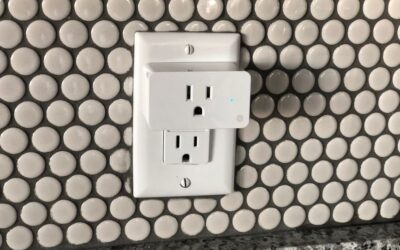
Smart plugs are the most affordable smart home devices, costing $8 to $25 each in August 2026. A typical home might use 10 to 20 smart plugs for comprehensive control, totaling $80 to $500. Smart power strips with multiple outlets cost $25 to $60 and provide better value for high-density areas like entertainment centers. Smart plugs enable remote control of any plugged-in device, from coffee makers to space heaters, without requiring device-specific smart versions. Energy monitoring features on premium smart plugs ($20-$25) help identify power-hungry devices and reduce consumption. In August 2026, smart plugs are the most versatile entry point for smart home beginners, offering immediate convenience with minimal complexity. Most plugs work with both Alexa and Google Home ecosystems, ensuring broad compatibility. Smart plugs should be among your first purchases, providing quick wins before investing in more expensive integrated systems.
Smart Home Monitoring and Sensors
Environmental sensors including door/window sensors, motion detectors, and water leak sensors cost $15 to $40 each. A comprehensive monitoring system with 10 to 15 sensors runs $150 to $600. Air quality monitors cost $50 to $200, while radon and carbon monoxide detectors add $100 to $300. Smart home monitoring systems in August 2026 integrate with security systems and automation hubs for proactive alerts and automated responses. Water leak sensors near water heaters and under sinks provide early warning preventing thousands in damage costs. Motion sensors enable occupancy-based lighting and climate control, improving both convenience and energy efficiency. For safety-conscious homeowners, environmental sensors are non-negotiable investments. Most sensors use long-life batteries (12 to 24 months), eliminating wiring requirements. Monitoring sensors typically have the highest ROI of any smart home category due to their damage-prevention capabilities.
What Should You Look for When Choosing Smart Home Products and Planning Your Budget?
Understanding your priorities determines how you allocate your smart home budget most effectively. Security-focused homeowners should prioritize video cameras, smart locks, and environmental sensors before entertainment systems. Energy-conscious buyers benefit most from smart thermostats, smart lighting, and power monitoring devices. Convenience-focused users gain immediate satisfaction from smart speakers, smart plugs, and automated routines. In August 2026, the smart home market offers solutions for every priority, but spreading limited budgets across too many categories dilutes the impact of each investment.
Ecosystem compatibility represents the most critical planning consideration. Amazon Alexa and Google Home dominate August 2026’s market, with over 90 percent of new smart home devices supporting at least one platform. Apple HomeKit appeals to existing Apple ecosystem users but has fewer device options. Samsung SmartThings provides excellent multi-brand integration but requires more technical knowledge. Before purchasing devices, commit to a primary ecosystem, ensuring all future purchases maintain compatibility. This prevents costly duplicate purchases and simplifies voice control and automation. Most smart home frustration stems from ecosystem conflicts rather than device quality issues, making compatibility planning essential before your first purchase.
Installation and setup complexity varies dramatically between products. Plug-and-play smart plugs, bulbs, and speakers require minimal technical knowledge and take minutes to install. Smart thermostats, locks, and hardwired systems typically require professional installation ($100-$300 per device) or significant DIY effort. In August 2026, many smart home builders underestimate installation costs and complexity. For technically-inclined homeowners, DIY installation saves substantial money. For others, professional installation ensures warranty coverage and prevents costly mistakes. Budget 10 to 20 percent of your total smart home investment for installation labor, particularly for security, climate control, and hardwired systems.
Subscription and monitoring services add recurring costs that many budgeters overlook. Cloud storage for security cameras costs $3 to $30 monthly per camera. Professional monitoring services run $10 to $30 monthly. Some smart home devices require premium subscriptions for advanced features ($5-$15 monthly). In August 2026, total annual subscription costs for comprehensive smart homes can reach $200 to $500. Factor these recurring expenses into your total cost of ownership calculations. Some providers offer annual payment options with 10 to 20 percent discounts compared to monthly billing. Evaluate subscription necessity before committing to devices with mandatory premium services.
Future scalability and expandability should influence your initial technology choices. Selecting a primary hub with broad device support prevents expensive ecosystem changes later. In August 2026, Amazon Alexa and Google Home support the most third-party devices, making them safer choices than proprietary systems. Consider your five-year smart home vision when selecting initial products. Starting with a quality hub and focusing on core categories (security, climate, lighting) allows organic expansion without major rework. Avoid niche products or proprietary systems unless they directly address critical needs, as these limit future flexibility and increase total costs.
Energy efficiency and long-term savings should factor into purchase decisions. Smart thermostats save 10 to 15 percent on heating and cooling costs. Smart lighting reduces electricity consumption by 15 to 25 percent. Smart irrigation systems save 20 to 30 percent on water costs. In August 2026, many smart home investments pay for themselves within two to five years through utility savings. Calculate potential savings for major appliances like thermostats and irrigation systems before purchasing. Government incentives and utility rebates can reduce net costs by 20 to 50 percent for qualifying devices. Research available rebates in your area before finalizing budget allocations.
Security and privacy considerations affect both product selection and setup approaches. In August 2026, reputable manufacturers like Amazon, Google, Apple, and Samsung maintain strong security practices, but smaller brands vary significantly. Choose products from established companies with transparent privacy policies. Enable two-factor authentication on all accounts. Use strong, unique passwords for each service. Avoid connecting unnecessary devices to your network. Consider network segmentation, creating a separate WiFi network for smart home devices. Privacy-conscious users should research data collection practices before purchasing, particularly for devices with cameras or microphones. Security investment pays dividends through peace of mind and protection against identity theft and home invasion.
Warranty and support quality differentiate products with similar features and pricing. In August 2026, quality manufacturers offer two to three-year warranties on smart home devices. Extended warranties cost $20 to $100 per device but provide valuable protection for expensive items. Manufacturer support quality varies dramatically, with some brands offering 24/7 chat support while others rely on community forums. Before purchasing, review manufacturer support channels and customer satisfaction ratings. Devices from companies with strong support networks cost slightly more but reduce frustration and downtime. Prioritize support quality for critical systems like security and climate control, where failures create immediate problems.
Frequently Asked Questions
What is the minimum cost to build a basic smart home in August 2026?
A functional basic smart home costs $300 to $500 in August 2026. Start with a smart speaker ($50-$100), add four to six smart bulbs ($40-$150), include a smart plug or two ($20-$50), and consider one security camera ($100-$200). This foundation enables voice control, basic automation, and essential security monitoring. Expand gradually based on priorities and budget availability without overwhelming yourself with complex setups initially.
How much should I budget for professional installation of smart home devices?
Professional installation typically costs $100 to $300 per device for hardwired systems like thermostats, smart locks, and security systems. Simple plug-and-play installations may cost $50 to $100 per device if professional setup is desired. Total professional installation for a comprehensive smart home can range $500 to $2,000. For technically-inclined homeowners, DIY installation saves these costs but requires research and careful attention to compatibility and safety requirements.
Are smart home investments financially worthwhile considering energy savings in 2026?
Yes, smart thermostats and lighting typically pay for themselves within two to five years through energy savings. Smart thermostats save 10 to 15 percent on heating and cooling costs annually. Smart lighting reduces electricity consumption by 15 to 25 percent. Smart irrigation systems save 20 to 30 percent on water costs. Calculate your potential savings based on current utility costs and usage patterns. Many utility companies offer rebates that further improve ROI, making smart home investments financially sound for most homeowners.
What recurring costs should I budget for smart home subscriptions in August 2026?
Security camera cloud storage costs $3 to $30 monthly per camera depending on storage capacity and retention period. Professional monitoring services range $10 to $30 monthly. Premium features on some devices require $5 to $15 monthly subscriptions. Total annual subscription costs for comprehensive smart homes typically range $200 to $500. Factor these recurring expenses into your total cost of ownership calculations. Some providers offer annual payment discounts of 10 to 20 percent compared to monthly billing, reducing overall costs.
Should I choose Amazon Alexa or Google Home for my smart home ecosystem in 2026?
Both Amazon Alexa and Google Home support over 10,000 compatible devices in August 2026, making either choice viable. Choose based on existing device ownership, personal preferences, and privacy priorities. Amazon Alexa offers broader device selection and lower-cost entry points. Google Home excels at natural language processing and integration with Google services. Apple HomeKit appeals to existing Apple ecosystem users but supports fewer devices. Commit to one primary ecosystem before purchasing to ensure compatibility and simplify future expansion.
Can renters build smart homes without permanent modifications?
Yes, renters can build fully functional smart homes using plug-and-play devices. Smart speakers, bulbs, plugs, and portable security cameras require no permanent installation. Temporary smart thermostat covers ($50-$150) work with existing systems without modification. Portable smart locks ($100-$200) replace existing locks without drilling. In August 2026, renters have excellent options for smart home convenience without lease violation concerns. Focus on portable, removable devices and communicate with landlords before installing any equipment that might require restoration.
Which Smart Home Products Should You Buy Based on Your Budget and Priorities?
Building a smart home in August 2026 requires strategic planning aligned with your specific needs and financial constraints. For budget-conscious beginners with $300 to $500 to invest, prioritize a smart speaker hub, basic smart lighting, and essential security like a video doorbell. This foundation provides immediate convenience and security benefits while establishing ecosystem compatibility for future expansion. Mid-budget builders with $1,500 to $3,000 should add a smart thermostat, comprehensive security system with multiple cameras, and smart plugs for appliance control. This tier delivers significant energy savings and security peace of mind. Premium installations exceeding $5,000 incorporate professional security monitoring, whole-home audio systems, smart climate zones, and integrated entertainment.
Security-focused homeowners should prioritize video doorbell cameras, interior security cameras, smart locks, and environmental sensors before entertainment systems. Our detailed guide on smart deadbolts in July 2026 explores lock options for every budget. Review our article on smart home device safety in June 2026 to understand security best practices before purchasing. Energy-conscious builders benefit most from smart thermostats, smart lighting with scheduling, and power monitoring devices that reduce consumption. Convenience-focused users gain immediate satisfaction from smart speakers, smart plugs, and automated routines that simplify daily life.
Consider your five-year smart home vision when making initial technology decisions. Starting with a quality hub from Amazon or Google prevents expensive ecosystem changes later. Focus on core categories (security, climate, lighting) before expanding into entertainment and luxury features. Most smart home builders regret purchasing too many devices simultaneously, preferring gradual expansion that allows learning and adjustment. In August 2026, the smart home market offers unprecedented flexibility and affordability, making this an ideal time to begin your automation journey regardless of budget constraints.
For comprehensive understanding of smart home value and benefits, review our analysis on whether smart homes are worth it in June 2026. Explore integration options with Google Home devices and Alexa-compatible products. For beginners, our guide to smart home devices for beginners in June 2026 provides foundational knowledge. Discover smart home benefits in June 2026 and explore affordable devices under $100 for budget optimization.
The true cost of building a smart home extends beyond initial device purchases to include installation, subscriptions, and future expansion. In August 2026, transparent budgeting that accounts for all cost categories prevents financial surprises and enables informed decision-making. Start small with proven products from established manufacturers, expand gradually based on results and satisfaction, and prioritize compatibility and ecosystem alignment above all else. Whether you invest $500 or $5,000, strategic planning ensures your smart home delivers genuine value and convenience for years to come.







Write Your Review
No reviews yet. Be the first to share your experience!