

How Long Do Video Doorbell Batteries Last? Quick Answer
Most battery-powered video doorbells last between 4 to 12 months on a single charge in 2026, depending on usage patterns and environmental conditions. Premium models from brands like Ring and Logitech claim up to 18 months of battery life with moderate activity. However, high-traffic homes with frequent motion detection and video recording may experience battery depletion in 3 to 6 months. The actual lifespan depends heavily on how often your doorbell records, the resolution settings, WiFi signal strength, and ambient temperature. Understanding these factors helps you plan maintenance schedules and avoid unexpected dead batteries during critical times.

What Factors Affect Video Doorbell Battery Life?
Video doorbell battery longevity depends on multiple interconnected variables. Motion detection frequency is the primary drain—every time your doorbell detects movement, it powers up the camera, processes video, and transmits data. Cold weather significantly reduces battery capacity because chemical reactions inside batteries slow down in low temperatures. WiFi signal strength also matters; weak connections force your device to work harder, consuming more power to maintain communication with your home network.

Recording resolution and frame rate directly impact battery consumption. Higher 2K or 4K recording drains batteries faster than 1080p video. Night vision activation also increases power draw because infrared LEDs require substantial energy. Additionally, how you configure alerts and notifications affects battery life—more frequent alerts mean more active processing cycles.
Key Battery Drain Factors in 2026
- Motion detection frequency and sensitivity settings.
- Video recording resolution (1080p vs. 2K vs. 4K).
- Night vision and infrared LED usage.
- WiFi signal strength and connection stability.
- Ambient temperature and seasonal weather conditions.
- Live view streaming duration and frequency.
- Cloud storage upload bandwidth requirements.
Key Takeaway: Motion detection and recording resolution are the two biggest battery drains in modern video doorbells.
How Does Usage Pattern Impact Battery Duration?
Your home’s activity level directly determines how quickly your video doorbell depletes its battery. A quiet residential street with minimal foot traffic might see 12+ months of battery life. Conversely, busy neighborhoods, apartment buildings, or homes near sidewalks experience constant motion triggers, cutting battery life to 4-6 months. Doorbell sensitivity settings amplify this difference—overly sensitive doorbells activate for every passing car or rustling leaf.
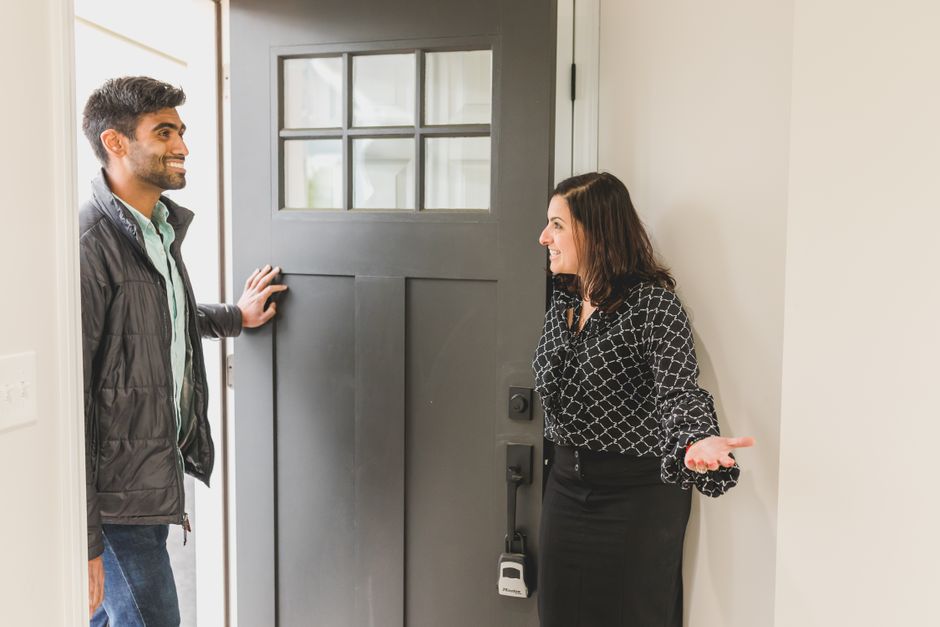
Continuous live view streaming is one of the fastest battery killers. Each minute spent viewing your doorbell feed in real-time consumes significant power. Similarly, homes with frequent package deliveries or visitors trigger more recording events. Time-of-day patterns matter too; doorbells that record during daylight use less battery than those recording at night with infrared enabled.
Typical Battery Life by Usage Scenario
- Low traffic (quiet neighborhood): 10-18 months per charge.
- Moderate traffic (typical suburban home): 6-10 months per charge.
- High traffic (busy area or apartment): 3-6 months per charge.
- Very high traffic (commercial or multi-unit): 1-3 months per charge.
Key Takeaway: Low-traffic homes enjoy 3-4 times longer battery life than high-traffic locations.
Which Video Doorbell Models Offer the Best Battery Life?
In August 2026, several manufacturers prioritize extended battery performance. Ring’s latest models feature optimized power management, claiming 6-12 months of typical use. Logitech Circle View boasts impressive efficiency with up to 18 months advertised under light usage. Wyze Video Doorbell offers budget-friendly options with 5-7 month battery life. Google Nest Doorbell provides solid middle-ground performance at 6-9 months. Premium options from Arlo and Hikvision include advanced power-saving features that extend battery life significantly.
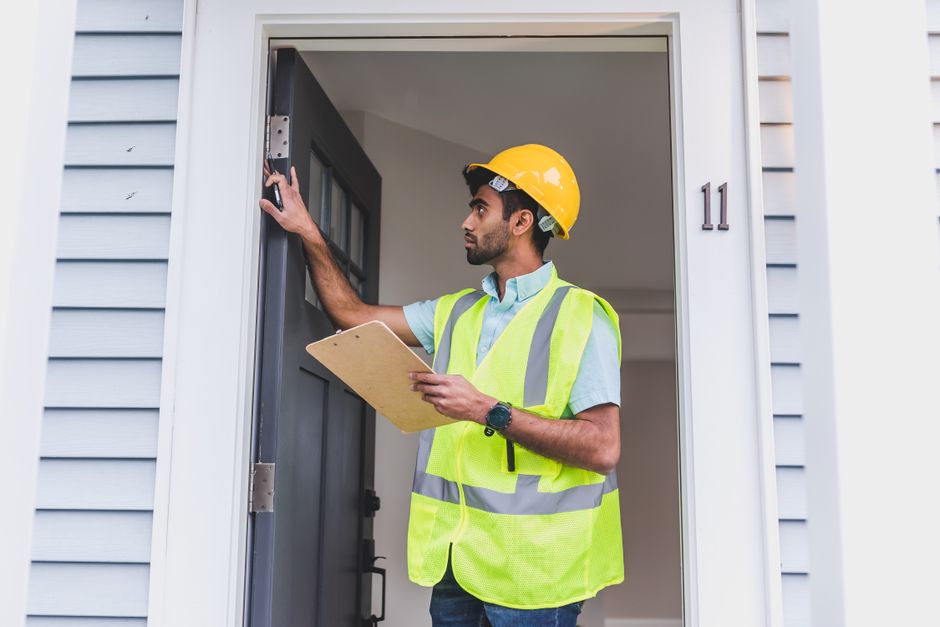
Battery capacity varies widely across models. Standard doorbells use 2000-5000 mAh batteries, while premium versions incorporate 5000-8000 mAh capacity. Larger batteries store more energy but add weight and bulk. Some 2026 models feature hybrid systems combining battery power with optional wired connections for continuous operation. Understanding your specific model’s specifications helps set realistic replacement expectations. Check your doorbell’s manual or manufacturer website for exact battery capacity and rated lifespan under standard conditions.
Key Takeaway: Premium brands offer 6-18 month battery life, while budget models typically last 5-7 months.
How Can You Extend Your Video Doorbell Battery Life?
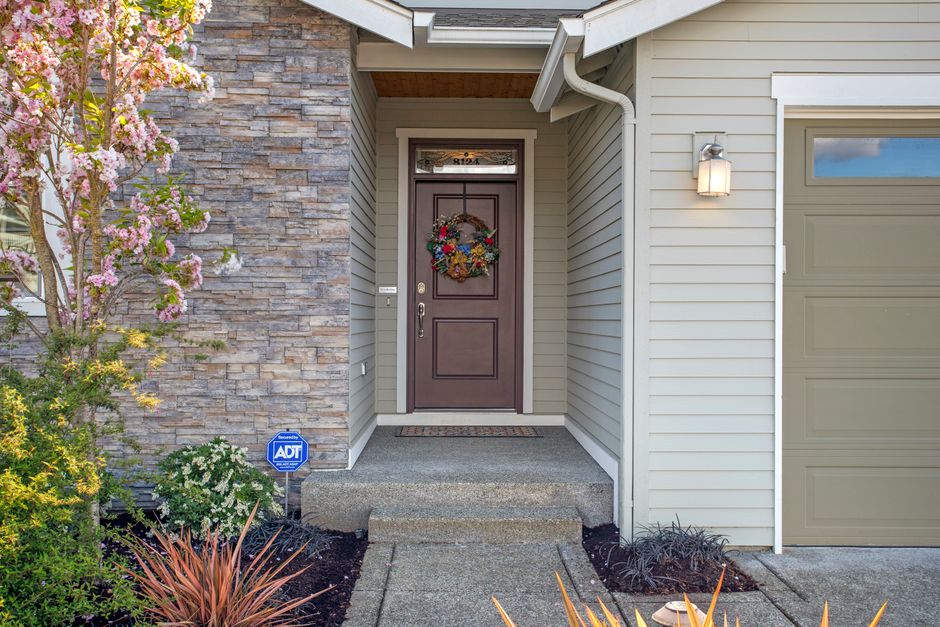
Several practical strategies significantly extend battery longevity. Adjusting motion detection sensitivity prevents false triggers from distant movement or passing vehicles. Lowering video recording resolution from 2K to 1080p reduces power consumption noticeably. Disabling night vision when unnecessary saves considerable energy. Optimizing WiFi signal by positioning your router closer to the doorbell reduces transmission power requirements. Scheduling recording during specific times instead of 24/7 monitoring dramatically improves battery duration.
Actionable Battery Optimization Steps
- Reduce motion detection sensitivity to avoid unnecessary activations.
- Lower video resolution settings from 2K or 4K to 1080p.
- Disable night vision or set it to activate only when needed.
- Strengthen WiFi signal with a mesh network or extender placement.
- Set activity zones to ignore non-essential areas like streets.
- Limit continuous live view streaming sessions.
- Enable battery-saving modes if your doorbell offers them.
- Schedule recording during peak hours rather than 24/7.
- Keep your doorbell firmware updated for efficiency improvements.
- Maintain room-temperature storage to preserve battery health.
Temperature management proves crucial for battery preservation. Extreme heat or cold degrades battery chemistry faster. If you live in a harsh climate, consider installing your doorbell in a shaded location or using protective covers. Firmware updates often include power optimization improvements, so checking for updates monthly helps maintain peak efficiency. Regular cleaning of the camera lens and sensor also reduces processing overhead.
Key Takeaway: Adjusting sensitivity settings and resolution can extend battery life by 3-6 months.
What’s the Best Charging Strategy for Video Doorbells?
Most battery-powered video doorbells use rechargeable lithium-ion batteries requiring periodic charging. Establishing a regular maintenance schedule prevents unexpected power loss. Many users charge their doorbells every 6-12 months as preventive maintenance. Some homeowners prefer seasonal charging—once before winter and once before summer—to account for weather-related efficiency changes. Tracking your battery depletion rate helps predict when charging becomes necessary.
Modern video doorbells typically charge via USB-C or micro-USB ports. Charging time ranges from 2-8 hours depending on battery capacity and charger power. During charging periods, your doorbell remains inactive, leaving your entrance unmonitored. Plan charging during low-risk times or when you’re home. Some advanced 2026 models offer quick-charge capabilities reducing downtime. If you want continuous monitoring, consider wired installation options or investing in a second doorbell for rotation charging. For detailed installation guidance, check our complete doorbell wiring guide.
Key Takeaway: Plan charging during off-peak hours to maintain continuous home security.
How Does Weather Impact Video Doorbell Battery Performance?
Environmental conditions dramatically affect battery chemistry and longevity. Cold temperatures below 32°F (0°C) reduce battery capacity by up to 50%, meaning your doorbell may need charging twice as frequently during winter. Hot climates above 95°F (35°C) accelerate battery degradation, potentially shortening overall lifespan. Humidity and moisture exposure can damage battery terminals and internal components, reducing efficiency. Seasonal changes require adjusted expectations—winter battery life typically runs 30-40% shorter than summer performance.
Protecting your doorbell from extreme weather extends battery life significantly. Install protective covers or position the doorbell in shaded areas to minimize heat exposure. In cold climates, ensure adequate insulation around the battery compartment. Moisture protection proves especially important in humid or rainy regions. Regular maintenance checks before seasonal changes help catch battery degradation early. Understanding your local climate helps set realistic battery replacement schedules and prevents security gaps during harsh weather periods.
Key Takeaway: Cold weather can reduce effective battery capacity by 30-50%, requiring more frequent charging.
When Should You Replace Your Video Doorbell Battery?
Most video doorbell batteries degrade gradually over time, showing warning signs before complete failure. Your smartphone app typically displays battery percentage, alerting you when capacity drops below 20-30%. Schedule replacement when battery health reaches 15-20% to avoid unexpected power loss. If your doorbell frequently requires charging every 2-3 months despite optimization efforts, battery degradation has likely begun. Lithium-ion batteries typically maintain 80% capacity after 300-500 charge cycles, which translates to 2-4 years of regular use.
Replacement batteries cost between $20-60 depending on your doorbell model. Official manufacturer batteries ensure compatibility and performance. Third-party batteries offer budget alternatives but may provide shorter lifespans. Installation usually requires removing the doorbell and accessing the battery compartment—a straightforward 5-10 minute process. Order replacement batteries before your current battery reaches critical levels to maintain continuous security coverage. Keeping a spare battery on hand eliminates downtime during replacement procedures.
Key Takeaway: Replace batteries when capacity drops to 15-20% to prevent unexpected service interruptions.
Are Wired Video Doorbells Better Than Battery-Powered Models?
Wired video doorbells eliminate battery concerns entirely by drawing power from your existing doorbell circuit. They provide unlimited operation without charging schedules or seasonal performance variations. However, wired installation requires existing doorbell wiring or professional electrical work, which isn’t feasible for all homes. Wired models cost more upfront but eliminate ongoing battery maintenance expenses. For renters or those without compatible wiring, battery-powered doorbells remain the practical choice. Learn more about doorbell wiring requirements to determine your installation options.
Hybrid models offer a middle ground, using batteries with optional wired power connections. These provide continuous operation when wired but function independently on battery power if hardwiring isn’t available. Consider your home’s infrastructure, rental status, and technical comfort level when choosing between battery and wired options. Battery-powered doorbells offer superior flexibility and easier installation, making them ideal for renters and temporary installations. Wired systems suit permanent homes where continuous monitoring justifies installation costs.
Key Takeaway: Wired doorbells eliminate battery concerns but require existing electrical infrastructure.
What Role Does Cloud Storage Play in Battery Life?
Cloud storage uploads consume significant battery power, particularly when using high-resolution video. Each time your doorbell records and uploads footage to cloud servers, it drains battery faster than local-only recording. Continuous cloud sync reduces battery life by 20-40% compared to local storage alternatives. If battery longevity is your priority, consider doorbells offering free local storage options. Check our guide on video doorbells with free local storage to explore efficient options.
Adjusting cloud backup frequency helps optimize battery performance. Recording only when motion is detected, rather than continuous streaming, significantly reduces power consumption. Some 2026 models allow scheduling cloud uploads during off-peak hours, reducing real-time transmission demands. Disabling cloud backup entirely during low-activity periods extends battery life further. Balance security monitoring needs with battery conservation by customizing upload settings. Understanding your storage and backup requirements helps align your doorbell configuration with battery capacity expectations.
Key Takeaway: Cloud storage uploads can reduce battery life by 20-40% compared to local-only recording.
How Does Video Doorbell Technology Impact Battery Efficiency in 2026?
Modern 2026 video doorbells incorporate advanced power-management technologies improving battery efficiency significantly. AI-powered motion detection distinguishes between relevant events (people, vehicles) and false triggers (leaves, shadows), reducing unnecessary activations. Advanced processors optimize video encoding, reducing data transmission requirements. Improved WiFi standards and connection management minimize power-hungry network searches. Thermal sensors detect environmental conditions and adjust performance accordingly, preserving battery in extreme temperatures. These technological advances allow 2026 models to achieve 2-3 times longer battery life than previous-generation doorbells.
Compression algorithms reduce video file sizes, decreasing upload times and power consumption. Machine learning optimizes recording schedules based on your home’s activity patterns. Some premium models feature hybrid power systems combining solar charging with battery backup. Understanding your doorbell’s specific technology features helps maximize efficiency. For comprehensive technical details, explore our complete video doorbell technology breakdown to learn how modern systems operate.
Key Takeaway: 2026 doorbells use AI and advanced compression to achieve 2-3 times longer battery life than older models.
Frequently Asked Questions
How often should I charge my video doorbell battery?
Charging frequency depends on your usage and activity level. Low-traffic homes typically charge every 6-12 months, while high-traffic areas may require charging every 2-4 months. Monitor your app’s battery percentage and charge when it drops below 20%. Most users establish seasonal charging schedules—once before winter and once before summer—to account for weather impacts on battery performance.
Can I leave my video doorbell plugged in permanently?
Yes, most modern video doorbells support permanent charging without battery damage. Lithium-ion batteries include smart charging circuits preventing overcharging. However, continuous charging may slightly reduce long-term battery lifespan due to heat generation. If you want to maintain maximum battery health, unplug the charger once fully charged. For continuous monitoring without battery concerns, consider upgrading to a wired model instead.
Why does my video doorbell battery drain so quickly?
Rapid battery drain typically results from high motion detection sensitivity, 2K/4K recording, frequent night vision use, or weak WiFi signals. Check your app’s activity log to identify excessive recording events. Reduce motion sensitivity, lower resolution settings, disable unnecessary night vision, and strengthen your WiFi connection. Extreme cold temperatures also significantly reduce battery capacity, so consider environmental factors affecting your specific location.
Do video doorbell batteries lose capacity over time?
Yes, lithium-ion batteries gradually lose capacity with each charge cycle. Most video doorbell batteries retain 80% capacity after 300-500 charge cycles, approximately 2-4 years of regular use. After 3-4 years, you may notice noticeably shorter battery life between charges. Plan replacement around the 3-4 year mark or when capacity drops below 15-20% to maintain reliable security coverage.
What’s the difference between video doorbell battery capacities?
Battery capacity measured in mAh (milliamp-hours) determines how much energy a battery stores. Standard doorbells use 2000-5000 mAh batteries, while premium models feature 5000-8000 mAh capacity. Larger batteries generally provide longer runtime but add weight and bulk. Higher capacity doesn’t guarantee longer lifespan if your doorbell has inefficient power management, so compare both capacity and manufacturer-rated battery life when choosing models.
Can I use third-party batteries in my video doorbell?
Third-party batteries work in many video doorbells but may provide shorter lifespans or compatibility issues. Official manufacturer batteries ensure optimal performance and compatibility. If using third-party options, verify compatibility before purchasing. Budget alternatives cost less upfront but might require more frequent replacement, potentially costing more long-term. Weigh initial savings against potential performance compromises when selecting replacement batteries.
How Can You Maximize Video Doorbell Battery Life Year-Round?
Achieving optimal battery performance requires combining multiple strategies throughout the year. Start by adjusting motion detection sensitivity to appropriate levels for your environment—avoid maximum sensitivity that triggers false alerts. Maintain your preferred video resolution balance between quality and power consumption. Implement activity zones limiting monitoring to relevant areas like doorways, avoiding unnecessary street monitoring. Schedule regular firmware updates ensuring your doorbell benefits from manufacturer efficiency improvements. Establish seasonal charging routines accounting for temperature impacts on battery performance.
Protect your doorbell from extreme environmental conditions through strategic placement and protective covers. Monitor your battery percentage monthly using your smartphone app, charging proactively when capacity drops to 20-25%. Keep detailed records of charging dates and battery depletion rates, helping you predict future maintenance needs. Consider backup doorbells or temporary monitoring solutions during charging periods. For homes with existing wiring, evaluate hybrid or wired options eliminating battery concerns entirely. By implementing these comprehensive strategies, you’ll maximize security coverage while minimizing battery-related inconveniences throughout 2026 and beyond.
Key Takeaway: Combining sensitivity adjustments, environmental protection, and proactive charging extends battery life significantly while maintaining reliable home security.



Write Your Review
No reviews yet. Be the first to share your experience!