

Do Air Purifiers Help With Seasonal Allergies in 2026? Quick Answer
Air purifiers can significantly reduce seasonal allergy symptoms by filtering airborne pollen, dust, and mold spores from indoor air. However, they work best as part of a comprehensive allergy management strategy—not as a standalone solution. Modern HEPA filters capture 99.97% of particles 0.3 microns or larger, which includes most common allergens. For maximum effectiveness in 2026, combine air purifiers with regular filter changes, proper placement, and other allergy-reduction methods. Results typically appear within days to weeks of consistent use.
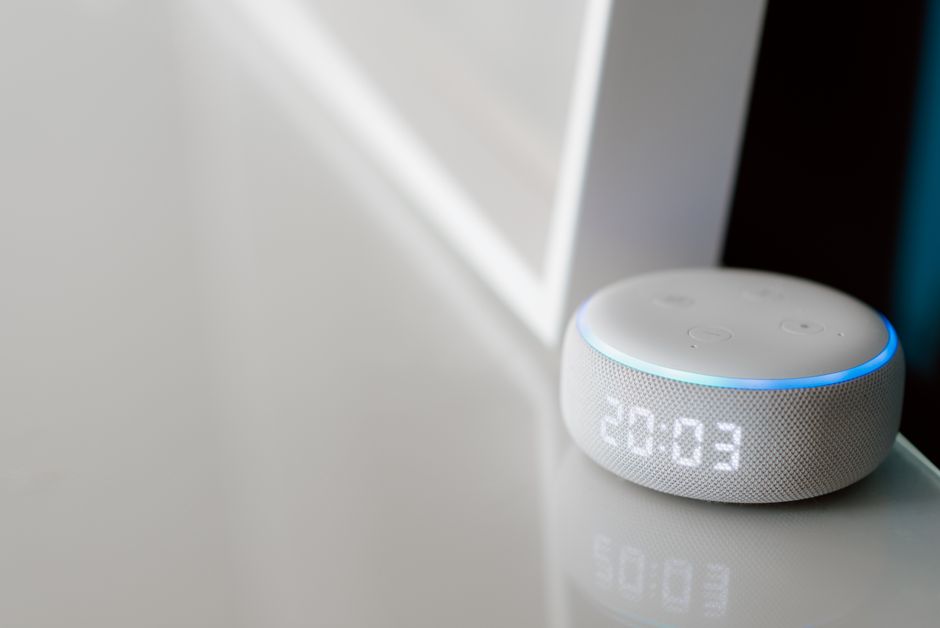
Seasonal allergies affect millions of people annually, with symptoms ranging from mild sneezing to severe congestion. Indoor air quality plays a crucial role in allergy relief, especially during high pollen seasons. Air purifiers address one part of this challenge by continuously cleaning the air you breathe at home. Understanding their capabilities and limitations helps you make informed decisions about your allergy management approach. This guide explores the science behind air purifiers and their real-world effectiveness for seasonal allergies.
Key Takeaway: Air purifiers reduce seasonal allergens effectively when paired with proper maintenance and complementary strategies.
How Do Air Purifiers Capture Seasonal Allergens?
Air purifiers use multiple filtration stages to trap allergens before they circulate through your home. The primary defense is the HEPA filter, which works through mechanical capture rather than chemical reactions. As air passes through the dense filter material, particles become trapped in the fibers. This process is passive—the filter doesn’t require power beyond the fan motor that pulls air through it.
Most seasonal allergens are large enough for HEPA filters to capture effectively. Pollen grains measure 10-100 microns, while HEPA filters catch particles as small as 0.3 microns. This means pollen, mold spores, and dust mites are easily trapped. Pre-filters often catch larger particles first, extending HEPA filter life. Understanding filter types helps you choose the right purifier for your needs. Learn more about how air purifiers actually work in 2026.
What Allergens Can Air Purifiers Remove?
- Pollen from trees, grasses, and weeds during seasonal peaks.
- Dust mites and their droppings, a year-round allergen.
- Mold spores from outdoor sources entering your home.
- Pet dander if you have animals indoors.
- Fine dust particles that trigger allergic reactions.
Key Takeaway: HEPA filters effectively capture most common seasonal allergens through mechanical filtration.
What Are the Limitations of Air Purifiers for Allergies?
Air purifiers cannot prevent allergens from entering your home initially. Pollen travels indoors on clothing, pets, and through open windows and doors. Once inside, purifiers gradually reduce airborne allergen levels, but this takes time. A single purifier in one room won’t clean the entire house effectively. Many people expect immediate relief and become disappointed when symptoms persist for the first few days.
Another limitation is that air purifiers only address airborne allergens. Allergens settle on surfaces like furniture, bedding, and floors within hours. A purifier won’t remove these settled particles—you need vacuuming and cleaning for that. Additionally, some allergens are too small or sticky to be fully captured. Effectiveness depends heavily on room size, purifier placement, and filter quality.
Common Misconceptions About Air Purifiers
- They eliminate 100% of allergens—reality is 95-99% depending on filter quality.
- One purifier cleans an entire house—you typically need multiple units or whole-home systems.
- They work instantly—effectiveness increases over days as air cycles multiple times.
- No maintenance needed—filters require regular replacement to maintain performance.
- They replace medical allergy treatment—they complement but don’t replace medications.
Key Takeaway: Air purifiers work best alongside other allergy-reduction methods, not as standalone solutions.
What’s the Best Strategy for Using Air Purifiers During Allergy Season?
Placement matters significantly for air purifier effectiveness. Position units in bedrooms and living areas where you spend the most time. Ensure nothing blocks the intake and exhaust vents—furniture or walls reduce airflow. A purifier works by cycling room air multiple times hourly, so central placement in open areas maximizes coverage. Bedrooms are especially important since you spend 6-8 hours sleeping there, directly breathing filtered air.
Maintenance is critical for sustained performance. Check the manufacturer’s recommendations for filter replacement intervals—typically every 3-6 months depending on usage and air quality. Clogged filters reduce effectiveness and can harbor allergens. Keep doors closed in rooms with purifiers to contain filtered air. Running purifiers continuously during allergy season provides the best results compared to intermittent use.
Step-by-Step Setup for Maximum Allergy Relief
- Choose a purifier with HEPA and activated carbon filters for comprehensive coverage.
- Place units in bedrooms and main living spaces away from walls and furniture.
- Run purifiers 24/7 during high pollen seasons for consistent air cleaning.
- Replace filters according to manufacturer guidelines, typically every 3-6 months.
- Combine with other measures: close windows, use air conditioning, shower before bed.
- Monitor air quality with smart purifiers that track PM2.5 and adjust fan speed automatically.
Learn more about how often to change air purifier filters in 2026 to maintain peak performance.
Key Takeaway: Strategic placement, continuous operation, and regular maintenance maximize air purifier effectiveness for allergies.
What Complementary Strategies Enhance Air Purifier Effectiveness?
Air purifiers work best as part of a multi-layered allergy management approach. Environmental controls reduce the allergen load before purifiers need to handle it. Closing windows during high pollen counts prevents new allergens from entering. Using air conditioning with clean filters further reduces outdoor allergen infiltration. These simple steps dramatically decrease the amount of work your purifier must do.
Personal hygiene practices are equally important. Shower and wash hair before bed to remove pollen from skin and hair. Change clothes after outdoor activities to prevent spreading pollen throughout your home. Wash bedding weekly in hot water to eliminate dust mites and allergens. Vacuum with HEPA filters to capture settled particles that purifiers can’t reach.
Complete Allergy Management Checklist
- Keep windows and doors closed during peak pollen seasons.
- Use HVAC filters rated MERV 13 or higher in your home system.
- Shower and change clothes after outdoor activities.
- Wash bedding in hot water weekly to kill dust mites.
- Vacuum with HEPA filters twice weekly during allergy season.
- Use nasal saline rinses to flush out trapped pollen.
- Consider allergy medications alongside air purification for symptom relief.
Key Takeaway: Combining air purifiers with environmental controls and personal habits creates the most effective allergy relief strategy.
How Do You Choose the Right Air Purifier for Seasonal Allergies?
CADR ratings indicate how effectively a purifier removes specific pollutants. CADR stands for Clean Air Delivery Rate and measures cubic feet per minute of clean air. For allergies, look for high CADR scores for dust and pollen. A higher score means the purifier cleans air faster, ideal for larger rooms. Most experts recommend CADR values above 300 for effective allergy relief.
Room size compatibility is essential for real-world performance. Calculate your room’s square footage and compare it to the purifier’s coverage area. A purifier rated for 400 square feet won’t effectively clean a 600-square-foot space. Air changes per hour (ACH) matter too—aim for at least 4-5 air changes hourly for allergy sufferers. Smaller, well-sealed rooms achieve higher ACH with standard purifiers.
Key Features to Compare When Buying
- HEPA filter certification ensuring 99.97% particle capture at 0.3 microns.
- CADR ratings above 300 for dust and pollen removal.
- Room coverage matching your space size with 4-5 air changes per hour.
- Activated carbon filter for odor and chemical removal.
- Smart features like air quality sensors and app controls for convenience.
- Filter replacement cost and availability for long-term affordability.
- Noise level under 50 decibels for bedroom use.
Key Takeaway: Match purifier capacity to room size and prioritize certified HEPA filters for effective seasonal allergy relief.
Frequently Asked Questions
Can air purifiers completely eliminate seasonal allergies?
Air purifiers significantly reduce airborne allergens but cannot completely eliminate seasonal allergies alone. They remove 95-99% of airborne particles but cannot prevent allergens from entering or settling on surfaces. Combined with medications, environmental controls, and personal hygiene, they provide substantial relief. Most users report noticeable symptom improvement within days to weeks of consistent use.
How long does it take for an air purifier to reduce allergy symptoms?
Most people notice symptom improvement within 3-7 days of continuous operation. Air quality improves as the purifier cycles room air multiple times. Maximum effectiveness typically appears after 2-4 weeks of consistent use as allergen levels stabilize at lower levels. Results vary based on initial allergen concentration, room size, and purifier quality. Continuous 24/7 operation produces faster results than intermittent use.
Do I need an air purifier in every room for allergy relief?
Prioritize bedrooms and main living spaces where you spend the most time. A single high-capacity purifier can cover open floor plans, but multiple units provide better results in larger homes. Bedroom purifiers are most important since you spend 6-8 hours breathing filtered air there. Hallways and bathrooms need less priority unless they’re allergen hotspots. Assess your home layout and allergy severity to determine optimal placement.
Can air purifiers help with outdoor allergies when I’m inside?
Yes, air purifiers reduce outdoor allergens indoors by filtering pollen and mold spores that enter through windows, doors, and on clothing. They work best when combined with keeping windows closed and using air conditioning. However, they cannot protect you while outdoors. For outdoor allergy relief, wear sunglasses, rinse nasal passages, and shower after being outside to remove accumulated pollen.
Are expensive air purifiers more effective than budget options?
Price doesn’t always determine effectiveness. A budget purifier with certified HEPA filter may work better than an expensive one without proper certification. Focus on CADR ratings, filter type, and room coverage rather than brand name. Mid-range purifiers ($200-500) often provide excellent allergy relief. However, cheap purifiers under $100 rarely deliver adequate performance for serious allergy sufferers.
Should I run my air purifier all day and night during allergy season?
Yes, continuous operation provides the best allergy relief. Air purifiers work by cycling room air multiple times hourly, so 24/7 operation maintains consistently low allergen levels. Modern purifiers use minimal electricity (typically 30-100 watts). Running them continuously during high pollen seasons costs $10-25 monthly in electricity. Intermittent use leaves gaps where allergens accumulate, reducing overall effectiveness.
Should You Invest in an Air Purifier for Seasonal Allergies?
Air purifiers represent a worthwhile investment for seasonal allergy sufferers, especially those with moderate to severe symptoms. The cost of quality purifiers ($300-800) is comparable to multiple allergy medication refills over a year. Benefits extend beyond allergy relief—improved air quality helps with asthma, respiratory health, and overall wellness. They’re particularly valuable for people who prefer reducing medication dependence or live in high-pollen areas.
Success depends on realistic expectations and proper implementation. Air purifiers work best as part of comprehensive allergy management, not standalone solutions. Combine them with environmental controls, filter maintenance, and medical treatment for optimal results. In 2026, smart air purifiers with air quality sensors and app controls offer convenience and better performance tracking. Most users report significant symptom improvement within weeks of consistent use, making them a practical addition to allergy relief strategies.
Start with one high-quality purifier in your bedroom where you spend the most time. Monitor symptom improvement over 2-4 weeks before expanding to other rooms. Invest in filter replacement supplies upfront to ensure consistent maintenance. If symptoms improve noticeably, expand your air purification system to other key areas of your home.
Key Takeaway: Air purifiers effectively reduce seasonal allergies when combined with proper maintenance, environmental controls, and realistic expectations about their role in allergy management.


Write Your Review
No reviews yet. Be the first to share your experience!