

You’ve probably scrolled through social media and seen those jaw-dropping smart homes with voice-controlled everything, automated lighting scenes, and seamless device integration. Your first thought? “That must cost thousands of dollars.” Here’s the good news: building a smart home doesn’t require a massive budget. Many people assume they need to invest heavily upfront, but the truth is that you can create a functional, useful smart home on a modest budget by making strategic choices and prioritizing what matters most to you.
In 2026, smart home technology has become more affordable than ever. Prices have dropped significantly on essential devices, and there are numerous budget-friendly options that deliver real value. The key is understanding where to invest your money, what features you actually need versus what’s just nice to have, and how to build your system incrementally. This approach not only saves you money but also gives you time to learn what works best for your lifestyle before making bigger purchases.
This guide walks you through everything you need to know about how to start a smart home on a small budget. We’ll cover the essentials you should prioritize, affordable device options across different categories, and practical strategies to maximize your investment. By the end, you’ll have a clear roadmap for building a smart home that fits your financial situation and actually improves your daily life.
Understanding Your Smart Home Budget Priorities
Before you spend a single dollar on how to start a smart home on a small budget, you need to understand what actually matters for your situation. Not every smart home feature is equally valuable, and some devices will genuinely improve your life while others might just be gadgets collecting dust on a shelf.

Identify Your Pain Points
Start by thinking about your daily frustrations. Do you forget to turn off lights when you leave home? Are you constantly adjusting your thermostat? Do you worry about security when you’re away? These pain points should guide your purchases. If you never manually adjust your lighting, investing in smart lights might not be your best first move. However, if you’re constantly fiddling with your thermostat, a smart thermostat could genuinely save you money on energy bills while improving comfort.
Separate Needs from Wants
When building a smart home on a budget, this distinction becomes crucial. A smart speaker might be fun, but it’s not essential. A smart lock that lets you unlock your door remotely could be genuinely useful if you frequently have guests arriving. A smart plug that turns off phantom power drains from your entertainment system might save you money. Write down what you actually need versus what would be nice to have, then focus your initial budget on the needs category.
Start with a Smart Hub or Smart Speaker
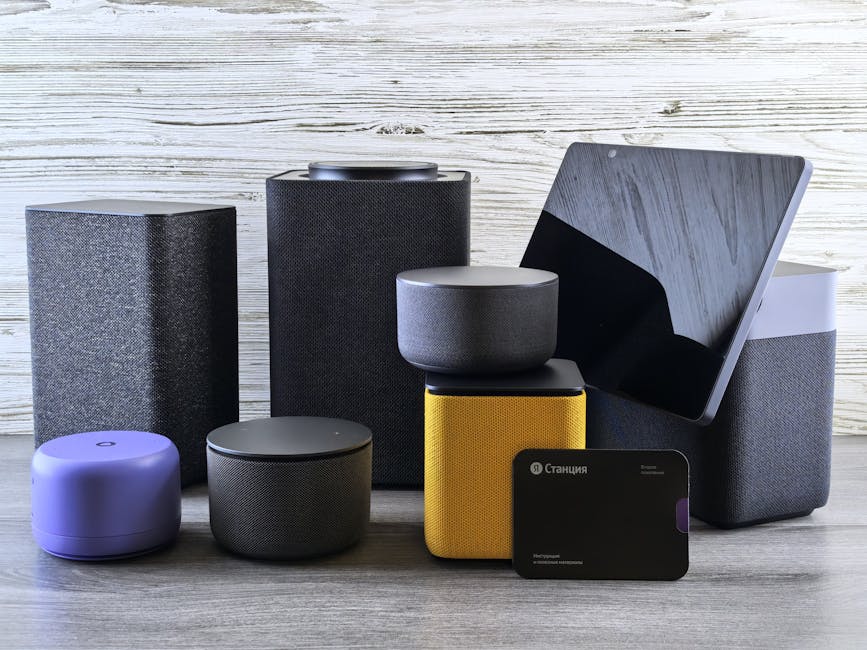
The foundation of most smart homes is a central hub or smart speaker that coordinates your devices. This is where your budget can work in your favor because entry-level options are surprisingly affordable and functional.
Why You Need a Central Hub
A smart hub acts as the brain of your smart home. It communicates with your devices, lets you create automations, and provides voice control if it’s a smart speaker. Without a hub, you’d need to control each device individually through separate apps, which defeats the purpose of having a smart home. The good news is that budget-friendly options work just as well as expensive ones for basic functionality. If you want detailed guidance on setup, check out our article on how to set up a smart home hub, which covers everything from initial configuration to advanced automation.
Budget-Friendly Hub Options
You have several affordable paths forward. Basic smart speakers from major manufacturers offer solid functionality at reasonable price points. Look for models from the previous generation or year, as retailers often discount them significantly when newer versions release. Many of these older models are just as capable as current ones for the features you actually use. Some hubs are designed specifically for budget-conscious buyers and strip away unnecessary features while keeping core functionality intact. You might also consider multi-purpose devices that serve as both a smart speaker and a display, giving you more functionality in one purchase.
Choose Your First Smart Devices Strategically
Once you have a hub, you need to decide which devices to add first. This is where many people overspend by buying too much too quickly. A smarter approach is to start with one or two devices that address your biggest pain points, then expand gradually.
Smart Lights: A Popular Starting Point
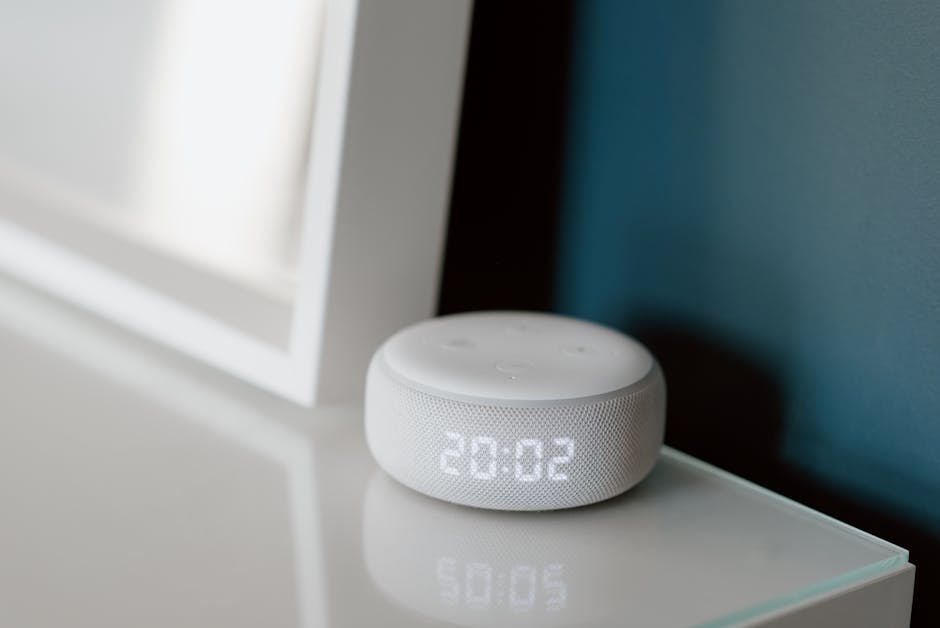
Smart bulbs or smart light switches are common first purchases because they’re visible, easy to use, and provide immediate satisfaction. However, they’re not always the most budget-friendly option. Individual smart bulbs can be expensive when you need to replace multiple bulbs throughout your home. A smarter budget approach is to start with smart plugs that control existing lamps, or to focus on one room initially. If you go the bulb route, prioritize high-use areas like your living room or bedroom where you’ll actually benefit from automation and scheduling.
Smart Thermostats: The Money-Saving Option
If you’re looking for a device that actually saves you money, a smart thermostat is hard to beat. These devices can reduce your heating and cooling costs by automatically adjusting temperature based on your schedule and preferences. Many utilities offer rebates that significantly reduce the purchase price. Installation is usually straightforward if you’re comfortable with basic wiring, and the energy savings often pay for the device within a year or two. This is one area where spending a bit more upfront can actually save you money long-term.
Smart Plugs: The Budget-Friendly Workhorse
Smart plugs are criminally underrated when you’re learning how to start a smart home on a small budget. These simple devices plug into any outlet and let you control whatever’s plugged into them. Use them to turn off coffee makers, control fans, manage entertainment systems, or even create mood lighting with existing lamps. They’re inexpensive, require no installation, and work with any device. You can build a surprisingly functional smart home using primarily smart plugs before ever buying dedicated smart devices.
Security Devices: Protecting Your Investment
Security is often a priority for smart home budgets. Rather than buying an expensive full security system, consider starting with affordable options like a smart doorbell camera or a single smart lock on your front door. These provide genuine security benefits and peace of mind. Budget-friendly options exist in both categories, though you might need to compromise on some features like high resolution or advanced analytics. Focus on what actually matters for your situation, whether that’s seeing who’s at your door or being able to unlock it remotely.
Take Advantage of Sales and Seasonal Discounts
Timing your purchases strategically can dramatically reduce your overall spending. Smart home devices follow predictable discount patterns throughout the year.
Major Shopping Events
Black Friday, Cyber Monday, and similar shopping events typically offer the deepest discounts on smart home devices. Retailers often discount previous-generation models heavily to clear inventory for new releases. If you’re flexible about timing your purchases, waiting for these events can save you 20-40% on many items. Prime Day and similar events from major retailers also offer solid discounts, though they’re often more selective about which products are on sale.
Seasonal Purchasing Patterns
Different device categories have their own seasonal patterns. Smart thermostats are often discounted in spring and fall when HVAC companies promote seasonal maintenance. Smart lighting deals appear frequently year-round but peak before major holidays when people think about home improvement. Security devices see price drops in spring when people focus on home safety. Understanding these patterns helps you know when to watch for deals on the specific devices you want.
Refurbished and Open-Box Options
Don’t overlook refurbished devices sold by manufacturers or authorized retailers. These are typically devices returned by customers, thoroughly tested, and resold at significant discounts. They come with warranties and perform identically to new devices. Open-box items from retailers are also worth considering if they’re in good condition. These options can cut your costs by 20-30% while still getting reliable, functional devices.
Build Incrementally and Learn as You Go
One of the biggest mistakes people make when learning how to start a smart home on a small budget is trying to build everything at once. A better approach is to start small, learn how your devices work, and expand gradually based on what you actually find useful.
Start with One Room
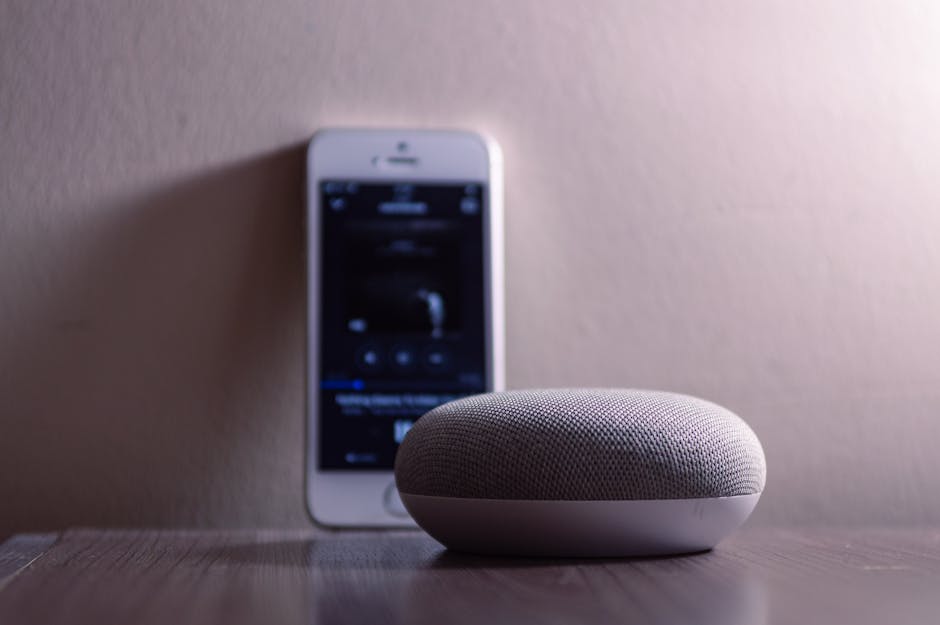
Rather than trying to automate your entire house, focus on one room initially. This might be your bedroom, living room, or kitchen. Get comfortable with how the devices work, experiment with automations, and see what features you actually use versus what seemed cool in theory. This approach keeps your initial investment manageable while giving you valuable experience before expanding to other areas.
Create Simple Automations First
When you first set up devices, resist the urge to create complex automations. Start with simple rules like turning lights on at sunset or off at a specific time. Once you’re comfortable with how automations work, you can create more sophisticated routines that combine multiple devices. This learning curve is important because overly complex automations often don’t work as expected and create frustration rather than convenience.
Track What You Actually Use
As you add devices, pay attention to which ones you actually use regularly. If you buy a smart device and never interact with it after the first week, that tells you something important about what features matter to you. This real-world feedback should guide your future purchases. Maybe you thought you’d love voice control but prefer using your phone app. Maybe you assumed you’d use a feature constantly but forgot about it after the novelty wore off. Learning these things on a budget prevents expensive mistakes later.
Pro Tips and Best Practices
Stick with Popular Ecosystems
When choosing devices, prioritize brands that work well together and have strong community support. Popular ecosystems have more affordable device options, better integration, and easier troubleshooting because more people use them. You’ll find more budget-friendly compatible devices and more online resources when something doesn’t work as expected.
Check Utility Rebate Programs
Many utility companies offer rebates for smart thermostats and other energy-efficient devices. These rebates can cover 50% or more of the purchase price. Contact your local utility to see what programs they offer. This is free money that significantly reduces your actual spending on these devices.
Buy Compatible Devices from Different Brands
You don’t have to buy everything from one manufacturer. Most smart devices work with popular hubs and voice assistants regardless of brand. This means you can mix and match brands to find the most affordable options for each device category. Just verify compatibility before purchasing to avoid buying something that won’t work with your hub.
Use Smart Plugs to Extend Device Functionality
Smart plugs can add automation to devices that aren’t inherently smart. Plug a fan into a smart plug and you can schedule it or control it remotely. This approach is often cheaper than buying purpose-built smart versions of devices. You can create a surprisingly functional smart home using primarily smart plugs and a hub.
Plan Your Network Infrastructure
Before buying devices, make sure you have good WiFi coverage throughout your home. A weak WiFi signal causes more problems than any device malfunction. If you need to improve coverage, invest in a mesh WiFi system before adding lots of smart devices. This prevents frustration and ensures your devices work reliably.
Look for Bundles and Starter Kits
Manufacturers often sell bundles that include a hub and several devices at a lower combined price than buying separately. These starter kits can be excellent budget options if the included devices match your needs. Just verify that you actually want all the devices in the bundle before buying.
Common Mistakes to Avoid
Buying Too Many Devices Too Quickly
The most common budget mistake is buying multiple devices at once because they’re on sale. You end up with devices you don’t need, features you never use, and money wasted on things that don’t actually improve your life. Resist this urge. Buy strategically and only add devices that address specific needs or pain points.
Ignoring Compatibility Before Purchasing
Buying a device without verifying it works with your hub or ecosystem is a costly mistake. You might find a great deal on a device only to discover it won’t integrate with your system. Always check compatibility first, even if it means passing up a sale.
Choosing Price Over Reliability
Sometimes the cheapest option isn’t the best value. Unknown brands with no reviews or community support might fail quickly or have poor functionality. Balance budget consciousness with reliability. Read reviews and choose established brands whenever possible, even if they cost slightly more. A device that works reliably is better than saving $10 on something that frustrates you constantly.
Forgetting About Hidden Costs
Some smart home systems require monthly subscriptions for full functionality or cloud storage. Before buying, check whether the devices you’re interested in have recurring costs. These subscription fees add up quickly and can turn an affordable initial purchase into an expensive ongoing commitment.
Skipping Installation Costs
Some devices like smart thermostats or smart locks might require professional installation if you’re not comfortable with DIY. Budget for these costs upfront. A device that costs $50 might actually cost $150-200 with professional installation. If you can’t afford installation, factor that into whether you should buy the device at all.
Conclusion
Building a smart home on a budget is absolutely achievable in 2026 with the right strategy. The key is understanding your priorities, starting with essentials like a hub and one or two strategic devices, and expanding gradually based on what actually improves your life. By making thoughtful purchasing decisions, taking advantage of sales, and avoiding common mistakes, you can create a functional smart home without spending a fortune.
Remember that how to start a smart home on a small budget isn’t about having the most devices or the fanciest features. It’s about choosing the right devices that address your specific needs and building a system that genuinely makes your daily life better. Start small, learn as you go, and let your actual usage patterns guide your future purchases. For a comprehensive overview of the entire process, our guide on how to set up a smart home from scratch covers everything from planning through full implementation. Your budget-conscious approach might actually lead to a smarter, more purposeful smart home than someone who spent significantly more.
Frequently Asked Questions
What’s the minimum amount I need to spend to start a smart home?
You can start with just a smart hub or speaker (around $30-50 for budget options) and one or two smart plugs ($10-20 each). This minimal setup gives you basic automation and control. For meaningful functionality, expect to invest $100-200 for a hub and a few devices that address your specific needs.
Are budget smart home devices reliable?
Budget devices from established manufacturers are generally reliable, though they may lack advanced features found in premium versions. Avoid no-name brands with few reviews. Established brands offer affordable options that work well for basic smart home functionality.
Can I mix devices from different brands in my smart home?
Yes, most smart devices work with popular hubs and voice assistants regardless of brand. This lets you choose the most affordable option for each device category. Just verify compatibility before purchasing to ensure devices will work together.
Which smart home devices save the most money?
Smart thermostats typically provide the best return on investment through energy savings. Smart plugs that eliminate phantom power drain from entertainment systems also offer good savings. The actual savings depend on your usage patterns and local energy costs.
Do I need a smart hub to start a smart home on a small budget?
Most smart homes benefit from a central hub for automation and coordination, but you can start with just a smart speaker that functions as a hub. Some devices also work independently through WiFi, though this limits automation capabilities and requires managing multiple apps.
When is the best time to buy smart home devices on a budget?
Black Friday, Cyber Monday, and Prime Day offer the deepest discounts. Seasonal sales around spring and fall are good for thermostats and climate devices. Previous-generation models are often discounted when manufacturers release new versions.


Write Your Review
No reviews yet. Be the first to share your experience!