

You wake up in the morning, take a deep breath, and feel a slight stuffiness in your nose. Your eyes are itchy. You wonder if it’s allergies, but the real culprit might be hiding in plain sight: your indoor air quality. According to the EPA, indoor air can be two to five times more polluted than outdoor air, yet most of us spend about 90% of our time indoors. If you’re serious about your health and comfort, learning how to improve indoor air quality should be a top priority in your home.
The good news? Improving your indoor air quality doesn’t require expensive renovations or complicated systems. Whether you’re dealing with dust, pet dander, cooking odors, or volatile organic compounds (VOCs) from furniture and cleaning products, there are proven strategies and smart home technologies that can help. In 2026, homeowners have more tools than ever before to monitor and enhance the air they breathe every single day.
This guide walks you through practical, actionable steps for how to improve indoor air quality. You’ll learn what causes poor air quality, which smart devices can help, and how to implement changes that actually work. Let’s dive in.
Understanding What Affects Your Indoor Air Quality
Before you can improve your indoor air quality, you need to understand what’s actually in your air. Indoor air pollution comes from many sources, and the mix varies depending on your home, location, and lifestyle. Being aware of these sources helps you tackle the problem strategically rather than guessing at solutions.
Common Indoor Air Pollutants
Indoor air contains a surprising variety of pollutants. Dust and dust mites are the most obvious culprits, but there’s much more lurking in your home. Pet dander from cats and dogs, pollen brought in from outside, and mold spores from damp areas all contribute to poor air quality. If you have a basement or bathroom with moisture issues, mold becomes an especially serious concern.
Chemical pollutants are another major factor that many homeowners overlook. New furniture, carpets, and paint release volatile organic compounds (VOCs) into the air. Cleaning products, air fresheners, and even some personal care items emit chemicals that accumulate in your indoor environment. Cooking also releases particulate matter and gases, especially when using gas stoves. Carbon dioxide levels can rise in poorly ventilated spaces, making you feel sluggish and tired.
Why Indoor Air Quality Matters for Your Health
Poor indoor air quality affects your health in both obvious and subtle ways. If you suffer from allergies or asthma, bad air quality triggers symptoms like coughing, wheezing, and congestion. But even if you don’t have diagnosed respiratory conditions, prolonged exposure to pollutants causes fatigue, headaches, and difficulty concentrating. Over time, chronic exposure to indoor air pollutants increases the risk of respiratory diseases, heart disease, and other serious health conditions.
Children and elderly family members are particularly vulnerable to poor air quality. Their respiratory systems are either still developing or naturally declining, making them more susceptible to pollutant damage. If you have pets, they’re also affected by the same air quality issues you face. Taking steps to improve indoor air quality benefits your entire household and creates a healthier living environment for everyone.
Smart Devices That Help Improve Indoor Air Quality
Technology offers powerful tools to help you improve indoor air quality. Smart air purifiers, humidity monitors, and ventilation systems give you real-time data and automated control. These devices work together to create a comprehensive approach to cleaner air throughout your home.
Smart Air Purifiers and Filters
A quality air purifier is one of the most effective devices for how to improve indoor air quality. Modern smart air purifiers use HEPA filters to capture 99.97% of particles down to 0.3 microns, including dust, pollen, pet dander, and mold spores. What makes smart models special is their ability to monitor air quality in real time and adjust filtration power automatically based on current pollution levels.
Smart air purifiers connect to your home WiFi and send data to an app on your phone. You can see real-time air quality readings, receive notifications when filters need replacing, and schedule operation times. Some models integrate with voice assistants, allowing you to control them hands-free. For the best results, place air purifiers in the rooms where you spend the most time: bedrooms, living rooms, and home offices. Running them continuously or during high-pollution times (like cooking) makes a noticeable difference in how you feel.
Air Quality Monitors and Sensors
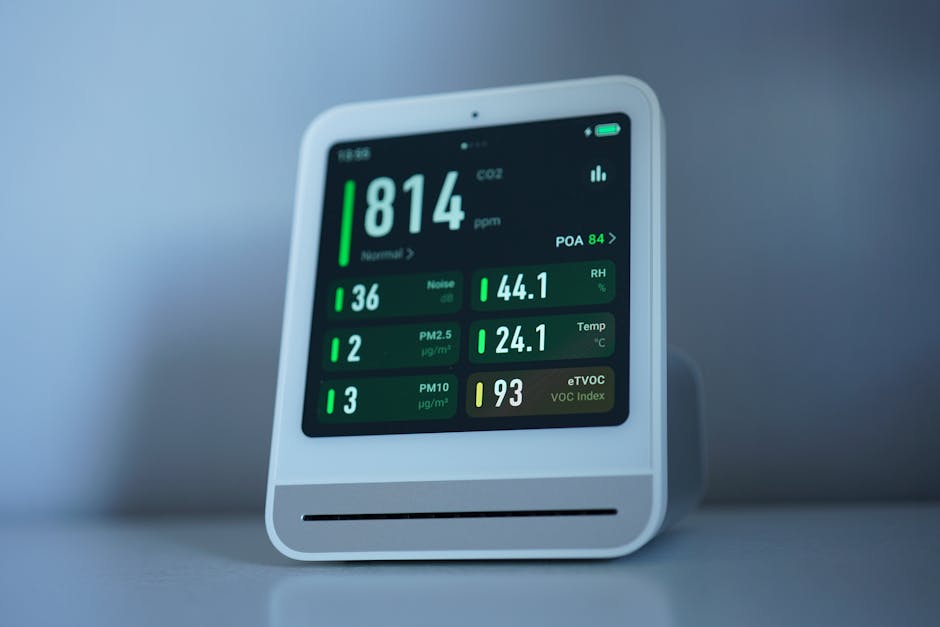
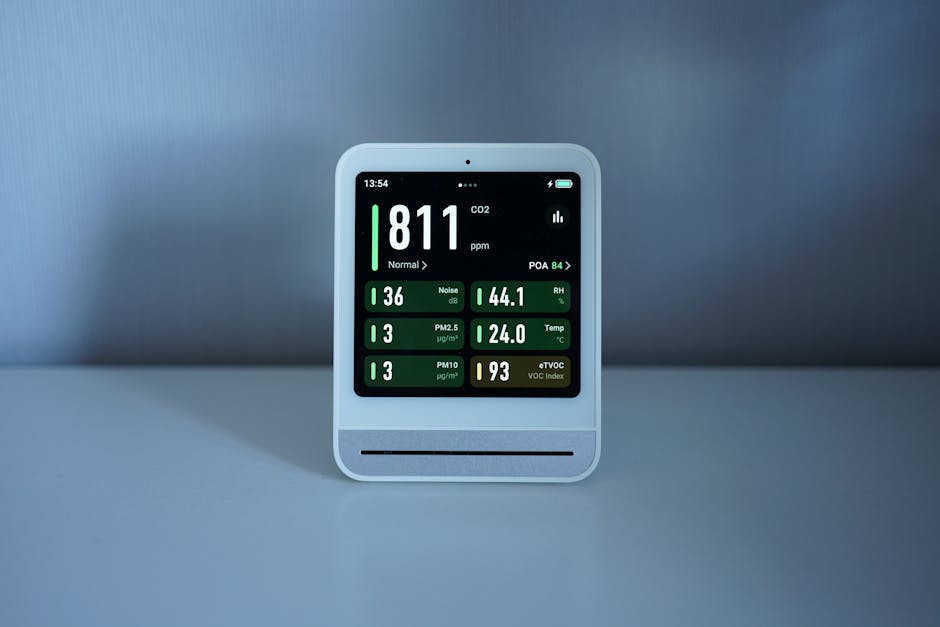
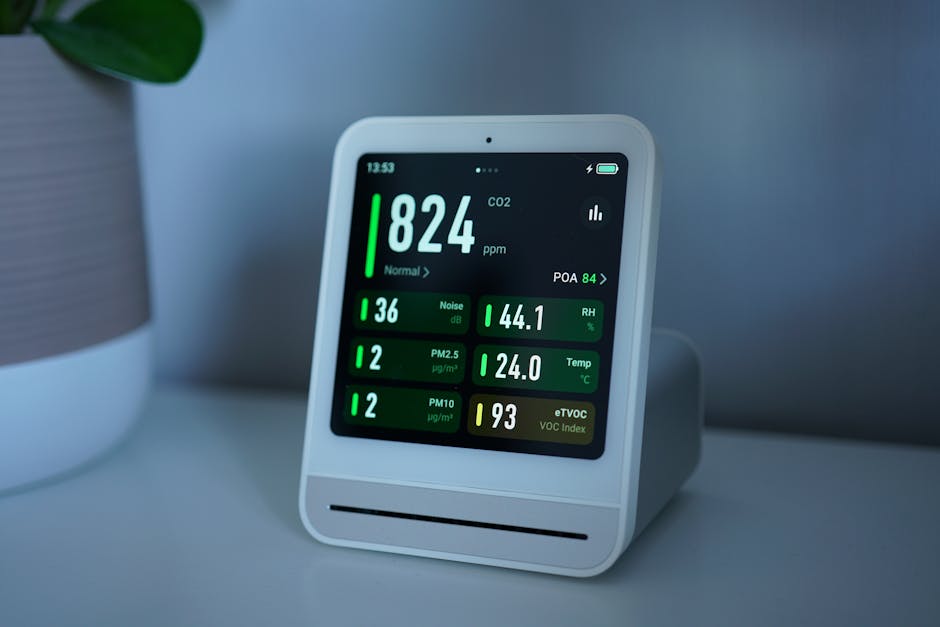
You can’t improve what you don’t measure. Smart air quality monitors track multiple parameters including PM2.5 (fine particulate matter), PM10 (larger particles), volatile organic compounds, carbon dioxide, temperature, and humidity. These sensors give you objective data about your indoor environment rather than relying on how you feel.
Many smart air quality monitors display readings directly on the device and sync data to an app. This helps you identify problem areas in your home. You might discover that your bedroom has worse air quality than your living room, or that air quality spikes during cooking hours. With this information, you can place air purifiers strategically or adjust ventilation habits to target specific issues. Some monitors even integrate with smart home systems to trigger automatic responses, like turning on ventilation fans when CO2 levels rise.
Smart Ventilation and Humidity Control
Proper ventilation is essential for how to improve indoor air quality, and smart ventilation systems make this easier. Smart exhaust fans in bathrooms and kitchens automatically activate based on humidity levels or schedules you set. They run just long enough to remove moisture and odors, then shut off to save energy. This prevents mold growth and keeps your air fresh.
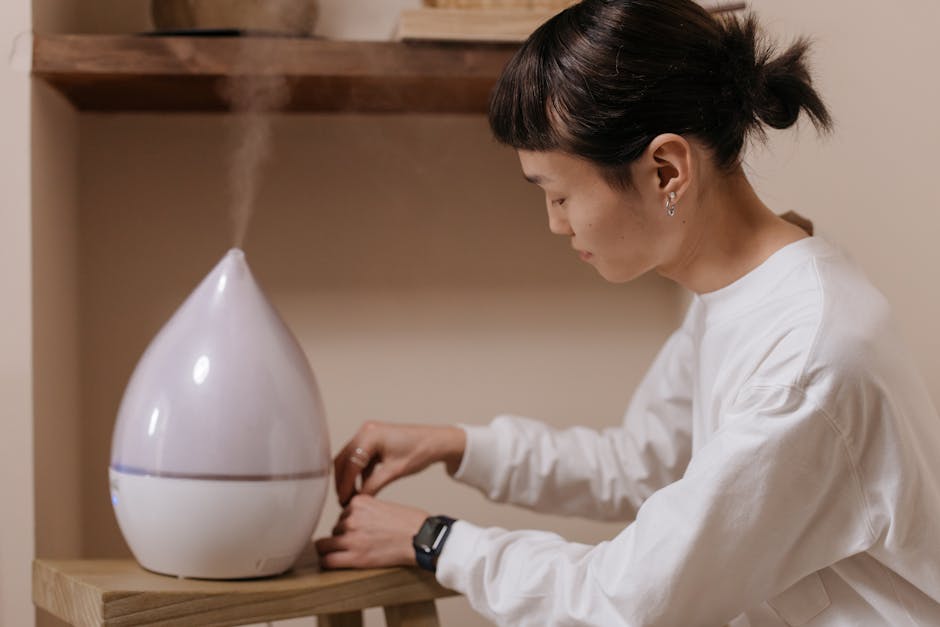
Smart humidity monitors work alongside ventilation. If humidity rises above your target level (typically 30-50%), connected systems automatically activate exhaust fans or dehumidifiers. Conversely, if humidity drops too low, some systems can trigger humidifiers to maintain optimal levels. Balanced humidity prevents both mold growth and dry air symptoms like cracked skin and respiratory irritation.
Practical Steps to Improve Indoor Air Quality
Smart devices are powerful tools, but they work best alongside practical lifestyle changes. The most effective approach combines technology with intentional habits and home maintenance.
Improve Ventilation Throughout Your Home
Fresh air exchange is fundamental to how to improve indoor air quality. Open windows regularly, even in cold weather. Just 5-10 minutes of fresh air circulation makes a difference. If outdoor air quality is poor (check local air quality reports), open windows during times when pollution levels are lower, typically early morning or evening.
Use exhaust fans strategically. Run bathroom exhaust fans during and for 20-30 minutes after showers to remove moisture. Use kitchen exhaust fans while cooking to capture cooking odors and gases. If your home has an HVAC system, ensure it’s set to bring in outside air regularly. Some systems have settings that increase fresh air intake during certain times of day. If you don’t have mechanical ventilation, simply opening windows and doors creates air circulation that helps refresh your indoor environment.
Choose and Maintain Quality Air Filters
Your HVAC system’s air filter plays a crucial role in how to improve indoor air quality. Most standard filters capture larger particles, but upgrading to MERV 13 or higher filters catches smaller pollutants including virus-sized particles. Higher MERV ratings mean better filtration, but they also restrict airflow slightly, so check your HVAC system’s specifications before upgrading.
Replace HVAC filters every 1-3 months depending on filter type, household size, and whether you have pets. Mark your calendar or set phone reminders so you don’t forget. If you use a standalone air purifier, follow the manufacturer’s replacement schedule for HEPA filters, typically every 6-12 months depending on usage and air quality. A clogged filter actually makes air quality worse because it restricts airflow and becomes a breeding ground for bacteria.
Reduce Chemical Pollutants at the Source
Eliminating sources of chemical pollution is one of the most effective strategies for how to improve indoor air quality. Switch to natural or low-VOC cleaning products. Many conventional cleaners release harmful chemicals into the air. Vinegar, baking soda, and castile soap are effective alternatives for most cleaning tasks and produce minimal VOCs.
When purchasing furniture, paint, or new items, look for low-VOC or VOC-free options. If you’ve recently painted or bought new furniture, increase ventilation during and after installation by opening windows and running fans. Consider letting new items off-gas in a garage or storage area before bringing them into living spaces. Avoid synthetic air fresheners and instead use natural alternatives like opening windows, houseplants, or baking soda.
Control Moisture to Prevent Mold
Mold is a serious indoor air pollutant that thrives in damp environments. Keep humidity levels between 30-50% to prevent mold growth. Use dehumidifiers in basements or naturally damp areas. Fix any water leaks immediately, as they create ideal conditions for mold. Ensure bathrooms and kitchens have proper ventilation to remove moisture.
Check for existing mold in common areas like around windows, under sinks, in shower corners, and in basements. Small mold spots can be cleaned with a vinegar solution, but large areas require professional remediation. Address the moisture source (leaks, poor ventilation, condensation) or the mold will return. Preventing mold is far easier and cheaper than dealing with mold contamination.
Manage Pet-Related Air Quality Issues
If you have pets, you know they shed dander and hair that affects indoor air quality. Regular grooming reduces the amount of loose hair and dander in your home. Bathe pets regularly and brush them outside when possible. Wash pet bedding frequently in hot water to remove accumulated dander.
Use HEPA-filter vacuum cleaners designed to capture pet dander rather than just redistributing it into the air. Regular vacuuming, at least twice weekly in homes with pets, significantly improves air quality. Consider placing air purifiers in rooms where pets spend the most time. Air purifiers with pet-specific filters are designed to handle pet dander more effectively than standard filters.
Pro Tips and Best Practices for Cleaner Indoor Air
Use Houseplants as Natural Air Purifiers
While houseplants alone won’t solve indoor air quality problems, they do help. Plants like spider plants, pothos, snake plants, and peace lilies naturally absorb some VOCs and carbon dioxide while releasing oxygen. They’re not a replacement for air purifiers, but they’re a nice complement. Place several plants throughout your home, particularly in bedrooms and living areas. They also add aesthetic appeal and psychological benefits.
Create a Regular Cleaning Schedule
Dust accumulates quickly and significantly impacts how to improve indoor air quality. Dust surfaces weekly with damp cloths rather than dry cloths, which just moves dust around. Vacuum with HEPA filters twice weekly if you have pets, once weekly otherwise. Wash bedding in hot water weekly to remove dust mites and allergens. Clean or replace HVAC filters on schedule. A consistent cleaning routine prevents pollutant buildup.
Monitor Air Quality Data Over Time
If you have smart air quality monitors, track the data over weeks and months. You’ll notice patterns showing when and where air quality is worst. Maybe it drops during cooking, or perhaps mornings are worse than evenings. This data helps you optimize your strategies. You might discover that opening windows for 10 minutes after cooking makes a bigger difference than running the air purifier all day. Data-driven decisions lead to better results and more efficient use of resources.
Seal Air Leaks in Your Home
While ventilation is important, air leaks around windows and doors allow unfiltered outdoor air and pollutants to enter. Weatherstripping and caulk seal these gaps, giving you better control over your indoor air. This is especially important if you live in areas with outdoor air pollution. You can still get fresh air when you want it by opening windows intentionally, but you prevent constant infiltration of outdoor pollutants.
Avoid Smoking and Strong Scents Indoors
Tobacco smoke is one of the most damaging indoor air pollutants. If anyone in your household smokes, designate outdoor smoking areas only. Similarly, limit use of scented candles, incense, and synthetic fragrances, which release additional VOCs. If you enjoy scents, use natural options like essential oil diffusers used sparingly, or simply open windows to enjoy fresh air.
Maintain Your HVAC System Properly
Your heating and cooling system is crucial for how to improve indoor air quality. Have it professionally serviced annually to ensure it’s operating efficiently. Clean air ducts every 3-5 years to remove accumulated dust and debris. A well-maintained HVAC system circulates cleaner air and prevents pollutants from spreading throughout your home. If your system is over 15 years old, consider upgrading to a newer model with better filtration capabilities.
Common Mistakes to Avoid
Relying Solely on Air Purifiers Without Addressing Sources
Many people buy an air purifier and expect it to solve all air quality problems. While air purifiers are helpful, they’re only part of the solution. If you don’t address pollution sources like chemical cleaners, mold, poor ventilation, or pet dander, the purifier works overtime without achieving optimal results. Use purifiers alongside source control and ventilation improvements for the best outcomes.

Neglecting Filter Replacement
One of the biggest mistakes is forgetting to replace air purifier filters and HVAC filters on schedule. A clogged filter actually worsens air quality because it restricts airflow and becomes a haven for bacteria and mold. Set calendar reminders or subscribe to filter replacement services that automatically send new filters when needed. This ensures you always have clean filters working for you.
Closing Windows Completely for Energy Efficiency
In your effort to save energy, you might seal your home completely, but this creates stale indoor air. Balance energy efficiency with fresh air needs by opening windows regularly, even if just for 5-10 minutes. Modern smart thermostats can offset the minimal energy loss from brief window opening. Fresh air is worth the small energy cost.
Ignoring Humidity Levels
Many people focus on air purification but ignore humidity, which is equally important. Too-high humidity promotes mold and dust mites. Too-low humidity causes respiratory irritation. Failing to monitor and control humidity means you’re only addressing part of the air quality puzzle. Use a smart humidity monitor and adjust with dehumidifiers or humidifiers as needed.
Using Masking Scents Instead of Removing Pollutants
Air fresheners, scented candles, and perfumed sprays mask bad smells but don’t remove pollutants. They actually add more chemicals to your air. Instead of masking odors, find and eliminate the source. Is it pet odor? Increase cleaning and ventilation. Is it cooking smells? Run the exhaust fan and open windows. Addressing root causes is far more effective than covering them up.
Conclusion
Learning how to improve indoor air quality is an investment in your health, comfort, and well-being. The strategies covered in this guide work together to create a comprehensive approach: use smart devices to monitor and purify your air, improve ventilation, reduce pollution sources, control moisture, and maintain your systems consistently. You don’t need to implement everything at once. Start with one or two changes that address your biggest air quality concerns, then build from there.
The good news is that better indoor air quality is completely achievable. Many people notice improvements within days of implementing these changes. You’ll sleep better, wake up more refreshed, and feel healthier throughout the day. Your family and pets will benefit too. In 2026, you have more tools and knowledge than ever before to create a healthy indoor environment. Start today by assessing your current air quality and taking one action step forward.
If you’re building a comprehensive smart home, remember that indoor air quality is just one piece of the puzzle. A well-rounded smart home also includes security features like smart doorbells and cameras. Learn more about how smart doorbells compare to traditional options and explore the best smart security cameras available to create a complete smart home ecosystem.
Frequently Asked Questions
How long does it take to improve indoor air quality?
Many people notice improvements within 24-48 hours of running an air purifier and opening windows regularly. More significant improvements in overall air quality typically take 1-2 weeks as you implement multiple strategies and allow systems to work together effectively.
What’s the best way to measure how to improve indoor air quality?
Use a smart air quality monitor to track PM2.5, PM10, VOCs, and CO2 levels over time. Compare readings before and after implementing changes to see objective improvements. You’ll also notice subjective improvements like better sleep and fewer allergy symptoms.
Do air purifiers work for all types of indoor air pollutants?
HEPA filters in air purifiers effectively capture particulates like dust, pollen, and pet dander. Activated carbon filters capture odors and some VOCs. However, no single air purifier removes all pollutants, which is why combining purification with source reduction and ventilation is essential for comprehensive improvement.
Is opening windows enough to improve indoor air quality?
Opening windows helps exchange indoor and outdoor air, but it’s not sufficient alone, especially if outdoor air quality is poor or you live in an urban area. Combine window opening with air purifiers, source reduction, and proper filtration for the best results.
How often should I replace air purifier filters?
Most HEPA filters need replacement every 6-12 months depending on usage and air quality. Some activated carbon filters need more frequent replacement. Check your specific model’s recommendations and replace when the device indicates it’s time or when you notice reduced purification performance.
Can houseplants alone improve indoor air quality?
While houseplants help slightly by absorbing some VOCs and producing oxygen, they cannot significantly improve indoor air quality on their own. Use them as a complement to air purifiers, proper ventilation, and source reduction rather than as a primary solution.


Write Your Review
No reviews yet. Be the first to share your experience!