

Do Air Purifiers Remove Pet Dander and Odor? Quick Answer
Yes, modern air purifiers can effectively remove pet dander and reduce pet odors when equipped with the right filter technology. HEPA filters capture up to 99.97% of pet dander particles as small as 0.3 microns, while activated carbon filters neutralize odor-causing compounds. However, effectiveness depends on filter quality, room size, air changes per hour (ACH), and placement. Most pet owners see noticeable improvements within days to weeks of running a quality purifier continuously. Success requires choosing a purifier rated for your room size and maintaining regular filter replacements every three to six months for optimal performance.
Pet ownership brings joy but also air quality challenges. Pet dander—tiny skin flakes shed by cats, dogs, and other animals—becomes airborne and settles on surfaces. These particles trigger allergies and asthma in sensitive individuals. Beyond dander, pet urine, feces, and body odors create persistent smells that regular cleaning cannot fully eliminate. Air purifiers address these issues by continuously cycling room air through specialized filters that trap particles and neutralize odors. Understanding how they work helps pet owners make informed decisions about air quality improvement.
How Do Air Purifiers Capture Pet Dander Effectively?
HEPA (High-Efficiency Particulate Air) filters are the gold standard for pet dander removal. These mechanical filters use a dense mat of fiberglass fibers to trap particles through a combination of interception, impaction, and diffusion. When air passes through the filter at the correct velocity, particles follow the airstream until they collide with fibers and stick. Pet dander particles range from 5 to 100 microns in size, making them easily captured by HEPA filters rated for 0.3-micron particles.
The efficiency of dander removal depends on several factors working together. Your purifier must have sufficient airflow to cycle all room air multiple times per hour. A device with a CADR (Clean Air Delivery Rate) rating of at least 300 for particles works well in medium-sized bedrooms. Placement matters significantly—position the purifier away from walls and furniture that block airflow. Running the device continuously, especially in bedrooms and living areas where pets spend time, maximizes dander capture before it settles on fabrics.
HEPA Filter Types and Their Performance
- True HEPA filters remove 99.97% of particles 0.3 microns and larger.
- HEPA-type filters capture 85-95% of particles but cost less than true HEPA.
- Medical-grade HEPA filters provide the highest standard for hospitals and clinics.
- Washable HEPA filters reduce replacement costs but may lose efficiency over time.
Key Takeaway: True HEPA filters are essential for maximum pet dander removal, though HEPA-type filters offer a budget-friendly alternative with slightly lower efficiency.
Can Air Purifiers Eliminate Pet Odors?
Activated carbon filters excel at removing pet odors by chemically absorbing odor-causing molecules. Unlike mechanical filters that trap particles, activated carbon works through adsorption—a process where gas molecules stick to the carbon’s porous surface. Pet odors come from ammonia in urine, hydrogen sulfide in feces, and volatile organic compounds from skin and fur. Activated carbon targets these specific compounds, neutralizing them rather than just trapping them.
Most effective pet odor solutions combine HEPA and activated carbon filters in a single unit. The HEPA layer captures dander particles while the carbon layer handles gaseous odors. Some purifiers feature pre-filters that catch larger particles and pet hair, extending the life of more expensive HEPA and carbon layers. For best odor control, choose a purifier with a substantial amount of activated carbon—at least one pound of carbon per 100 square feet of room space provides adequate odor absorption.
Activated Carbon Filter Effectiveness
- Activated carbon absorbs ammonia, sulfur compounds, and volatile organic compounds from pet waste.
- Filter saturation occurs over time, typically requiring replacement every 6-12 months depending on pet density.
- Higher carbon content correlates with longer odor-fighting lifespan.
- Combination filters (HEPA + carbon) provide comprehensive dander and odor control.
Odor reduction typically becomes noticeable within one to two weeks of continuous operation. However, existing odors embedded in carpets, upholstery, and walls require additional cleaning efforts. Air purifiers prevent new odors from accumulating but cannot replace deep cleaning of fabric surfaces where odors have already penetrated.
Key Takeaway: Activated carbon filters are crucial for pet odor removal, and combination HEPA-plus-carbon units deliver the most comprehensive results.
What Room Size and Air Change Rate Do You Need for Pet Owners?
Air purifier effectiveness depends critically on room size and air changes per hour (ACH). The ACH metric indicates how many times the device cycles all room air through its filters each hour. For pet owners, experts recommend at least four to five air changes per hour to effectively remove dander and odors. This means a purifier should process the entire room’s air volume four to five times hourly. To calculate required airflow, multiply your room’s cubic footage by the desired ACH, then divide by 60 to get the needed CADR rating in cubic feet per minute.
A 200-square-foot bedroom with eight-foot ceilings contains 1,600 cubic feet of air. For five ACH, you need a purifier delivering at least 133 cubic feet per minute (1,600 × 5 ÷ 60). Most quality pet-focused purifiers range from 100 to 400 CFM, making them suitable for different room sizes. Undersized purifiers still help but take longer to clean air. Oversized units provide faster cleaning but consume more electricity and generate more noise.
Sizing Your Air Purifier for Pet Spaces
- Small rooms (up to 150 sq ft): Choose purifiers with 100-150 CFM airflow.
- Medium rooms (150-300 sq ft): Select units delivering 150-250 CFM.
- Large rooms (300-500 sq ft): Opt for purifiers with 250-400 CFM capacity.
- Open floor plans: Consider multiple smaller units or one high-capacity purifier.
Key Takeaway: Match your purifier’s CFM rating to your room size and aim for at least four air changes per hour for optimal pet dander and odor removal.
How Should You Position and Maintain Your Air Purifier for Best Results?
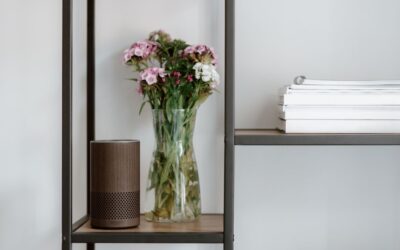
Strategic placement dramatically improves air purifier performance. Position the unit in a central location at least two feet away from walls, furniture, and curtains that block airflow. Avoid placing purifiers in corners where air circulation is poor. In bedrooms, position the device on a nightstand or low shelf rather than the floor, where it can more effectively capture dander before it settles on your pillow. For living areas with multiple pets, consider placing the purifier near where pets spend the most time, such as their favorite sleeping spot or play area.
Regular maintenance ensures consistent performance. Check and replace pre-filters monthly if you have multiple pets shedding heavily. HEPA filters typically last six to twelve months depending on pet density and air quality. Activated carbon filters saturate faster in homes with strong odors—expect replacement every three to six months. Keep the purifier’s intake and outlet clean by wiping them weekly with a dry cloth. Run the device continuously or at least eight hours daily for maximum effectiveness, as dander settles quickly when the purifier is off.
Maintenance Schedule for Pet Owners
- Weekly: Wipe intake and outlet vents with a dry cloth to remove dust buildup.
- Monthly: Inspect pre-filters and replace if visibly clogged or discolored.
- Every 3-6 months: Replace activated carbon filters or when odors return.
- Every 6-12 months: Replace HEPA filters or per manufacturer recommendations.
- Continuously: Run the purifier for at least 8-12 hours daily, ideally 24/7.
Key Takeaway: Proper placement, continuous operation, and regular filter maintenance are essential for sustained pet dander and odor removal.
What Additional Steps Improve Air Quality for Pet Owners?
Air purifiers work best as part of a comprehensive pet air quality strategy. Combine purifier use with regular vacuuming using a HEPA-filter vacuum cleaner at least twice weekly. Wash pet bedding weekly in hot water to remove dander and odor-causing bacteria. Groom your pets daily or several times weekly to reduce the amount of loose fur and dander entering the air. These preventive measures significantly reduce the burden on your air purifier and speed up odor elimination.
Environmental controls also matter. Maintain indoor humidity between 30-50% using a humidifier or dehumidifier, as this range inhibits dust mite growth and reduces airborne dander. Ensure adequate ventilation by opening windows when weather permits, which dilutes indoor odors and brings fresh air. Consider using enzymatic cleaners on carpets and upholstery quarterly to break down organic compounds causing persistent pet odors. Some pet owners find that baking soda sprinkled on carpets overnight, then vacuumed up, helps absorb odors before air purification.
Complementary Pet Air Quality Strategies
- Vacuum with HEPA filters twice weekly to remove settled dander.
- Wash pet bedding weekly in hot water to eliminate odor sources.
- Groom pets daily or several times weekly to minimize shedding.
- Use enzymatic cleaners quarterly on carpets and furniture.
- Maintain humidity between 30-50% to reduce airborne particles.
- Open windows regularly to increase fresh air circulation.
Key Takeaway: Air purifiers are most effective when combined with regular cleaning, grooming, and environmental controls.
Are There Specific Air Purifier Features for Pet Owners?
Modern air purifiers designed for pet owners include specialized features that enhance effectiveness. Smart sensors detect air quality in real-time and automatically adjust fan speed, optimizing energy use while maintaining clean air. Some units feature pet-specific filter packs combining pre-filters, HEPA, and activated carbon in one cartridge for convenience. Whisper-quiet operation is important since pet owners often run purifiers continuously. Look for units with noise levels below 50 decibels on low speed, allowing peaceful sleep and pet comfort.
Additional features worth considering include air quality indicators showing real-time particle levels, timer functions for scheduled operation, and WiFi connectivity for remote monitoring. Some purifiers feature ionizers that emit negative ions to help settle airborne particles, though this remains debated in scientific literature. Filter replacement indicators alert you when filters need changing, preventing performance decline. Pet-friendly designs might include grates that prevent curious pets from damaging internal components, and durable construction that withstands pet interaction.
Key Takeaway: Pet-specific air purifier features like smart sensors, quiet operation, and pet-safe design enhance usability for households with animals.
Frequently Asked Questions
How long does it take for an air purifier to remove pet dander?
Most quality air purifiers noticeably reduce pet dander within 24-48 hours of continuous operation, with significant improvements visible within one to two weeks. Complete dander removal depends on room size, purifier capacity, and whether the unit runs continuously. Existing dander settled on surfaces won’t be removed by air purification alone—you’ll need vacuuming and cleaning to address those deposits.
Can air purifiers remove pet odors completely?
Air purifiers with activated carbon filters significantly reduce pet odors, typically by 70-90% within one to two weeks. However, they cannot completely eliminate odors embedded in carpets, furniture, and walls. Combined with regular cleaning and enzymatic treatments, purifiers prevent new odors from accumulating and maintain fresh air quality long-term.
Do I need a special air purifier for multiple pets?
Yes, multiple pets require a higher-capacity purifier with greater CFM rating and more activated carbon. Choose a unit rated for larger rooms or consider multiple smaller purifiers in different areas. Expect more frequent filter replacements—every three to four months for carbon filters in homes with three or more pets.
Will an air purifier help with pet allergies?
Air purifiers significantly reduce pet allergy symptoms by removing dander particles that trigger reactions. Most users report fewer sneezing episodes, reduced itching, and improved sleep quality within weeks. For best results, combine purifier use with allergy medications and regular pet grooming. Learn more about how air purifiers help with seasonal allergies.
How often should I replace air purifier filters for pets?
Pre-filters need monthly checks and replacement when clogged. HEPA filters last 6-12 months depending on pet density. Activated carbon filters saturate faster—expect replacement every 3-6 months in homes with strong pet odors. Learn more about air purifier filter maintenance schedules.
Can air purifiers remove pet hair from the air?
Yes, HEPA filters capture pet hair along with dander and other particles. However, larger hair strands are best removed by pre-filters before reaching the HEPA layer. Regular grooming prevents excessive hair shedding and reduces the burden on your purifier’s filters.
Conclusion: Making the Right Choice for Your Pet-Owning Home
Air purifiers effectively remove pet dander and reduce pet odors when properly selected and maintained. The key to success is choosing a unit with true HEPA and activated carbon filters, sizing it appropriately for your room, and running it continuously. Pet owners should expect noticeable improvements within one to two weeks, with dander reduction of 70-90% and significant odor reduction. However, air purifiers work best as part of a comprehensive strategy that includes regular vacuuming, pet grooming, and enzymatic cleaning of affected surfaces. Understanding how air purification technology works helps you make informed decisions about which purifier suits your household. To maximize results, maintain filters regularly, position the unit strategically away from walls, and combine purification with other air quality improvements. For pet owners struggling with allergies or persistent odors, investing in a quality air purifier represents a practical, long-term solution that improves indoor air quality and overall home comfort.


Write Your Review
No reviews yet. Be the first to share your experience!