
What Are the Best Smart Energy Devices for Renters in 2026?
Quick Answer: The Eve Energy (Matter) Smart Plug is the best overall choice for renters in 2026, offering Matter-enabled cross-platform compatibility, 100% local privacy processing, and Thread network support starting at $39.95. For budget-conscious renters, the Emporia Energy Monitoring Smart Plug delivers real-time energy tracking and voice control for just $11.99, making it an excellent entry-level alternative. Most smart energy devices for renters range from $12 to $60 for individual plugs, with comprehensive energy monitoring systems reaching $230. The key takeaway: renters benefit most from portable, non-invasive devices that require no installation and work across multiple smart home platforms without vendor lock-in.
Smart energy devices have become essential tools for renters seeking to reduce utility costs while maintaining landlord-friendly setups. Unlike permanent installations that require drilling or professional setup, modern smart plugs and energy monitors plug directly into existing outlets—making them perfect for temporary housing situations. In August 2026, the smart energy market for renters has matured significantly, with products now emphasizing Matter protocol support, local privacy processing, and multi-platform compatibility. This shift away from cloud-dependent ecosystems means renters can control their devices without worrying about data collection or vendor proprietary requirements. Energy monitoring capabilities have also improved dramatically, allowing renters to identify power-hungry appliances and implement scheduling automations that lower monthly electricity bills. Whether you’re managing a studio apartment or a shared rental house, these six smart energy devices offer flexibility, affordability, and peace of mind—all without risking your security deposit.
Which Smart Energy Devices Stand Out for Renters in 2026?
Eve Energy (Matter) Smart Plug – Best Overall for Multi-Platform Control

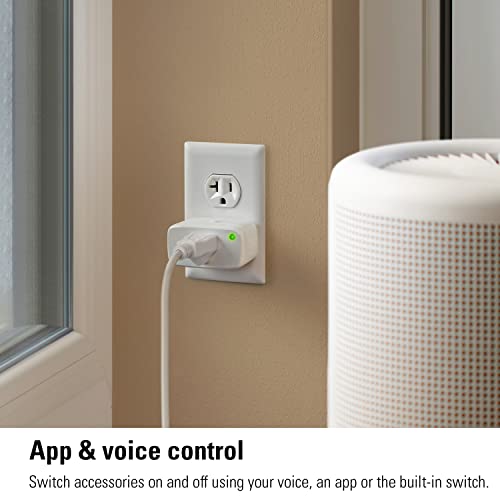
Eve Energy (Matter) - Smart Plug, App and Voice Control, 100% Privacy, Matter Over Thread, Works with Apple Home, Alexa, Google Home, SmartThings
- Eve Energy requires iOS/iPadOS 16.4 (or later) or Android 8.1 (or later) plus a hub of your chosen platform: Apple Home: Apple TV 4K (2nd gen / 3rd gen 128 GB), HomePod (2nd gen), HomePod mini / Samsung SmartThings: SmartThings Hub v3 / Amazon Alexa: Echo (4th gen), Echo Hub, Echo Plus (2nd gen), Echo Show 8 (3rd gen), Echo Show 10 (3rd gen), Echo Studio, eero 6 / 6+ / Pro 6 / Pro 6E / Max 7 / Google Home: Nest Hub (2nd gen), Nest Hub Max, Nest Wifi, Nest Wifi Pro
- Switch your lights and appliances on and off using your voice or an app, and control your appliances on the go or based on presence.
- Matter-enabled to let you seamlessly control your home across smartphones and voice assistants of all major platforms.
- Get up and running in a flash with quick & easy set up / UL-certified / Cutting-edge Thread network technology for a robust smart home; enhances the stability and reach of your Thread network.
- 100% Privacy: No Eve cloud, no registration, no tracking. Local communication without cloud dependency.




As an Amazon Associate we earn from qualifying purchases. Product prices and availability are accurate as of the date/time indicated.
The Eve Energy (Matter) Smart Plug represents the gold standard for renters seeking maximum flexibility and privacy. This Matter-enabled smart plug works seamlessly with Apple Home, Amazon Alexa, Google Home, and Samsung SmartThings simultaneously—eliminating the frustration of vendor lock-in that plagues many smart home devices. At $39.95 for a single unit, it delivers exceptional value for renters who want cross-platform control without compromise.
The device features cutting-edge Thread network technology, which significantly enhances mesh connectivity and stability throughout your rental space. Thread creates a self-healing network that strengthens as you add more Thread-compatible devices, ensuring reliable voice control and remote operation even in larger apartments or homes with thick walls. The 100% local privacy architecture means no Eve cloud servers, no account registration, and no tracking—all communication happens directly between your device and your chosen smart home hub. This appeals strongly to privacy-conscious renters who distrust cloud-dependent ecosystems.
Setup is remarkably simple: pair the plug with your existing Apple TV 4K, HomePod mini, Echo device, SmartThings Hub, or compatible Nest device. From there, control lights, fans, and appliances via voice commands or the app, set automations based on presence detection, or schedule on/off cycles for specific times. The compact design fits most power strips without blocking adjacent outlets. However, note that this device requires a Thread border router—you must already own one of the compatible hub devices mentioned above. Additionally, despite its “Energy” branding, the plug lacks a detailed energy monitoring dashboard; it provides basic on/off control and presence-based automation rather than granular power consumption tracking.
Best for: Renters with existing Apple, Amazon, or Google smart home ecosystems who prioritize privacy and multi-platform compatibility. Ideal if you already own a compatible hub device.
Eve Energy (Matter) 2-Pack – Best Value for Multi-Room Coverage

Eve Energy Matter Smart Plug 2-Pack – Thread-Enabled, Multi-Platform
- Eve Energy requires iOS/iPadOS 16.4 (or later) or Android 8.1 (or later) plus a hub of your chosen platform:
- Apple: Apple TV 4K (2nd gen), Apple TV 4K (3rd gen, 128 GB), HomePod (2nd gen), HomePod mini / Samsung: SmartThings Hub v3; Amazon: Echo (4th gen) / Google: Nest Hub (2nd gen), Nest Hub Max, Nest Wifi Pro
- Switch your lights and appliances on and off using your voice or an app, and control your appliances on the go or based on presence.
- Matter-enabled to let you seamlessly control your home across smartphones and voice assistants of all major platforms.
- Get up and running in a flash with quick & easy set up / UL-certified / Cutting-edge Thread network technology for a robust smart home; enhances the stability and reach of your Thread network.
- 100% Privacy: No Eve cloud, no registration, no tracking. Local communication without cloud dependency.


As an Amazon Associate we earn from qualifying purchases. Product prices and availability are accurate as of the date/time indicated.
The Eve Energy (Matter) 2-Pack extends the single-plug benefits to dual coverage at $59.99, representing a cost-effective solution for renters managing multiple rooms or shared spaces. This two-unit bundle delivers the same Matter protocol support, Thread network integration, and 100% local privacy processing as the individual plug—but doubles your control capacity for less than $30 per unit.
Having two plugs strategically placed throughout a rental enables broader automation capabilities. Control bedroom lighting and living room fans independently, schedule coffee makers and space heaters on separate timers, or create scenes that coordinate multiple devices simultaneously. The Thread network benefits compound with two devices: together they strengthen the mesh network, reduce latency, and improve reliability compared to a single plug operating in isolation.
The 2-pack maintains the same cross-platform compatibility, working with Apple Home, Alexa, Google Home, and SmartThings without forcing you into a single ecosystem. Each plug operates independently or as part of coordinated scenes, giving renters granular control over energy consumption across their living space. The same Thread border router requirement applies—you need an Apple TV 4K, HomePod mini, SmartThings Hub v3, Echo (4th gen or later), or compatible Nest device to enable Matter functionality.
Like the single plug, the 2-pack lacks advanced energy monitoring features. If you need detailed watt-hour tracking and consumption analytics, this device falls short despite the “Energy” branding. The primary value proposition remains multi-platform control, privacy, and reliability rather than granular power monitoring. For renters who prioritize coverage over detailed analytics, the 2-pack represents exceptional value.
Best for: Renters with multiple rooms, shared spaces, or those planning to expand their smart home ecosystem. Excellent choice if you want Thread network redundancy and coordinated automations across two key appliances or light fixtures.
Emporia Energy Monitoring Smart Plug – Best Budget Option with Real Energy Tracking

Emporia Energy Monitoring Smart Plug, WiFi Smart Outlet Plug Works with Alexa and Google Home - 15a WiFi Outlet with Timer, Mobile App, Home Energy Monitor, Scheduling - 2.4ghz WiFi Only (1 Pack)
- Control Your Appliances and Devices: Control lights, fans, lamps, humidifiers, and any other appliances or electronics that plug into 120V outlets with a 10A Maximum Continuous Load (15A Max Peak Load for up to 1hr/day)
- Monitor Your Home Energy Like a Pro: Emporia smart plugs let you stay on top of energy used by your devices and appliances. Eliminate wasteful stand-by power, save on electricity, and extend product life.
- Smart Scheduling for Maximum Control: With built in on/off scheduling capability, use your smart plugs to automatically switch on and off appliances and devices. Want freshly brewed coffee at 7am? Just schedule it with an Emporia plug!
- Remote Control. Anytime, Anywhere. Control your home remotely using the Emporia App on your phone. Leave the lights on? Forget to turn off an appliance? Check the real-time status and toggle it on or off anytime, anywhere!
- Requires 2.4GHz Wifi Connection to control your devices remotely from your phone with an internet connection. 5.0 GHz Wifi networks are not supported.


As an Amazon Associate we earn from qualifying purchases. Product prices and availability are accurate as of the date/time indicated.
The Emporia Energy Monitoring Smart Plug shatters the budget barrier at just $11.99 per unit, making it the most affordable entry point into smart energy management for renters. Despite the ultra-low price, this WiFi-enabled plug delivers genuine energy monitoring capabilities—a feature absent from many competing devices at twice the cost. If you’re a cost-conscious renter seeking to identify and eliminate phantom power drain from standby devices, this plug offers exceptional value.
Real-time energy monitoring is the Emporia plug’s standout feature. Unlike basic on/off switches, this device tracks actual power consumption in watts, allowing you to pinpoint energy-hungry culprits draining your utility budget. The mobile app displays consumption data, helping you make informed decisions about which appliances justify always-on status versus those better controlled with scheduling. This transparency directly translates to lower electricity bills—many renters report 10-15% monthly savings after identifying and scheduling unnecessary devices.
Voice control integration works with both Amazon Alexa and Google Home, though the plug operates exclusively on 2.4GHz WiFi networks (5GHz networks are not supported). This limitation matters if your rental has only 5GHz WiFi coverage, though most modern routers broadcast both bands simultaneously. The plug supports a 10-amp continuous load with 15-amp peak capacity for short durations, suitable for lights, fans, humidifiers, coffee makers, and most household appliances—though not high-draw devices like space heaters or window AC units.
Built-in scheduling automation allows you to program on/off cycles, perfect for renters seeking to reduce phantom power from entertainment systems, chargers, and office equipment. The app provides remote control from anywhere with internet connectivity, enabling you to verify appliance status or shut down forgotten devices without returning home. Setup is straightforward: connect to your WiFi, add to your Alexa or Google Home app, and begin monitoring immediately.
Best for: Budget-conscious renters, students in dorms, and anyone seeking genuine energy monitoring without premium pricing. Perfect for identifying power-hungry devices and reducing standby power consumption through scheduling.
Eve Energy Outlet (Matter) – Best for Permanent Rental Installations

Eve Energy Outlet (Matter) – Smart Outlet & Power Meter, Tamper-Resistant, App & Voice Control, Works with Apple Home, Alexa, Google Home, SmartThings, Requires Thread Border Router
- APP & VOICE CONTROL - Individually control your power outlets using your voice or an app.
- AUTOMATE - Switch your lights and appliances on and off automatically at a preferred time, based on presence or when motion is detected, and create scenes to make multiple connected devices work in sync.
- CONTROL FROM AFAR FOR PEACE OF MIND – Forgot to switch off a device? Want to give the impression that someone’s home for added security? Control your connected devices from anywhere, or set automations to switch on and off when you're not around.
- TRUSTED SAFETY– Tamper-resistant and UL-certified for enhanced protection.
- ALWAYS IN REACH - Benefit from a more responsive, reliable and energy-efficient smart home thanks to Thread technology / enhances the stability and reach of your Thread network.
- EVERYBODY IS IN CONTROL – Matter-enabled to let the entire family control your home, no matter if they use an iPhone, Android device or call upon Alexa, Siri or Google Assistant.
- 100% PRIVACY: No Eve cloud, no registration, no tracking. Local communication without cloud dependency.
- REQUIRES HUB – Requires latest version of iOS/iPadOS or Android 8.1 (or later) plus a hub of your chosen platform: Apple: Apple TV 4K (2nd gen / 3rd gen, 128 GB), HomePod (2nd gen), HomePod mini / Samsung: SmartThings Hub v3, SmartThings Station; Amazon: Echo (4th gen), Echo Hub, Echo Show 8 & 10 (3rd gen), 15 (2nd gen), 21 and more / Google: Google TV Streamer, Nest Hub (2nd gen), Nest Hub Max, Nest Wifi Pro / Home Assistant: Home Assistant Green with Home Assistant Connect ZBT-1, Home Assistant Yellow


As an Amazon Associate we earn from qualifying purchases. Product prices and availability are accurate as of the date/time indicated.
The Eve Energy Outlet (Matter) represents a hybrid solution for renters in long-term housing situations. At $54.95, this in-wall outlet replacement offers permanent installation benefits without the landlord-approval complexity of hardwired smart home systems. If your rental allows minor modifications and you plan to stay 2+ years, this outlet delivers superior aesthetics and reliability compared to plug-in alternatives.
The key distinction: this is an outlet replacement, not a plug adapter. You remove your existing outlet and install this Matter-enabled alternative—a task requiring landlord permission and typically a security deposit acknowledgment. For renters with landlord buy-in, the benefits are substantial. The outlet integrates seamlessly into your wall, eliminating the visual clutter of dangling adapters while providing two independently controlled outlets from a single installation point. This space efficiency matters in apartments with limited outlet availability.
Matter protocol support ensures cross-platform compatibility with Apple Home, Alexa, Google Home, and SmartThings. Thread network integration strengthens mesh stability, while tamper-resistant design enhances safety—particularly important in rentals with children or pets. UL certification confirms safety standards compliance, providing peace of mind that the outlet meets electrical safety requirements. Voice control and app-based automation function identically to the plug versions, allowing presence-based triggers, scheduled on/off cycles, and remote control from anywhere.
The outlet’s dual-outlet configuration maximizes convenience: control bedroom lighting and phone charging independently, or automate both simultaneously. The Thread border router requirement remains—you need a compatible hub device to enable Matter functionality. Like other Eve Energy products, this outlet lacks detailed energy consumption monitoring despite the “Energy” branding.
Best for: Long-term renters with landlord permission for minor modifications, or renters in owned condominiums. Ideal if you value aesthetic integration and plan to stay in the rental 2+ years, justifying the installation effort.
Aeotec Home Energy Meter 8 – Best for Comprehensive Whole-Home Monitoring

Aeotec Home Energy Meter 8 - Smart Electricity Meter - Real-time Monitoring of Consumption and Generation - Z-Wave Long Range - 3 x 60A Current Clamps - Supports 3-Phase Current - SmartThings


As an Amazon Associate we earn from qualifying purchases. Product prices and availability are accurate as of the date/time indicated.
The Aeotec Home Energy Meter 8 represents the premium tier of smart energy monitoring at $231.99, targeting renters with serious energy optimization goals and existing Z-Wave smart home systems. This isn’t a simple plug-in device—it’s a comprehensive energy monitoring system that tracks real-time consumption and generation across your entire rental property.
The device features three 60-amp current clamps enabling simultaneous monitoring of three separate circuits or phases, making it suitable for larger apartments, townhouses, or multi-unit rentals where detailed consumption tracking matters. Real-time monitoring capabilities display current power draw in watts, cumulative consumption in kilowatt-hours, and generation data if your rental includes solar panels or other renewable energy sources. This granular visibility allows renters to optimize energy consumption at the household level rather than individual device level.
Z-Wave Long Range connectivity ensures reliable communication with SmartThings hubs and other Z-Wave controllers, even in large rental spaces with challenging RF environments. The long-range protocol extends coverage beyond standard Z-Wave, reducing dead zones and improving automation reliability. Integration with SmartThings provides dashboard visualization of consumption patterns, historical data analysis, and predictive insights about seasonal usage trends.
Installation requires electrical knowledge—the meter connects directly to your rental’s breaker panel using the current clamps. This level of modification demands explicit landlord approval and typically professional installation. For renters unwilling or unable to obtain such approval, this device remains impractical. However, for renters in long-term situations with landlord cooperation and existing Z-Wave systems, the Aeotec meter delivers unparalleled energy visibility and optimization potential.
Best for: Environmentally conscious renters with Z-Wave smart home systems, long-term housing situations with landlord approval, or those seeking detailed consumption analytics to justify renewable energy investments or optimize HVAC scheduling.
Portable 280W AC Unit – Best for Energy-Efficient Climate Control Without Installation

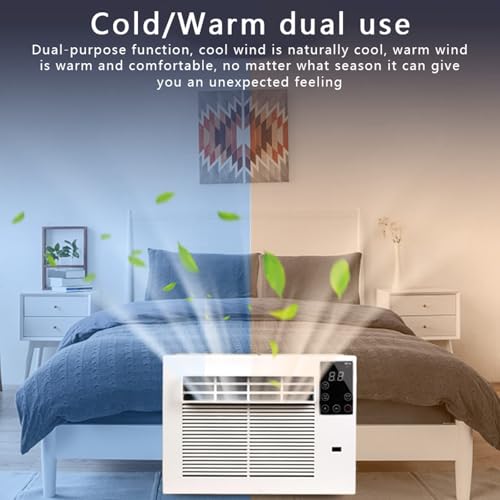
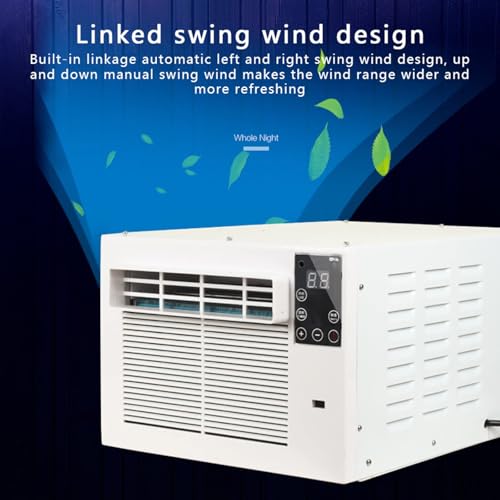
Compact 280W Portable AC Unit with Exhaust Kit, Quiet Cooling Heater for Bedroom, Office, Dorm Room, Renters, No Installation Needed, Energy Efficient Mini Split Cooler
- Portable Cooling Design: No drilling or external units required for easy relocation between bedrooms, rentals, or offices ensuring versatile comfort anywhere
- Low Energy Consumption: Operating at just 280W this unit minimizes electricity usage while delivering effective cooling to help reduce monthly energy expenses
- Quiet Sleep Mode: Engineered with advanced noise reduction technology maintaining sound levels below 38dB in sleep mode for undisturbed rest during hot nights
- Smart Timing Control: Features intelligent reservation timing via remote control allowing you to schedule operation for automatic activation before your arrival home
- Comprehensive Window Fit: Includes saddle window kit with full view design and exhaust components for secure installation in standard windows without obstructing light


As an Amazon Associate we earn from qualifying purchases. Product prices and availability are accurate as of the date/time indicated.
The Compact 280W Portable AC Unit addresses a critical renter pain point: climate control without landlord approval or permanent installation. Priced at $909.02, this portable cooling solution combines ultra-low energy consumption (just 280W) with complete portability—perfect for renters in older buildings without central AC or those seeking supplemental cooling in specific rooms.
The 280-watt power consumption represents exceptional efficiency for a cooling device. Traditional window AC units consume 500-1200 watts continuously during operation, while portable AC units typically draw 1000+ watts. This Aeotec unit achieves dramatic energy savings through advanced compressor technology and optimized refrigeration cycles, directly reducing your monthly electricity costs compared to conventional cooling solutions. For renters in hot climates where summer cooling dominates energy consumption, this efficiency translates to tangible bill reduction.
The saddle window kit enables installation in standard windows without drilling, permanent modification, or landlord approval. Simply place the exhaust hose through the window frame using the included full-view kit, and the unit is operational. No installation crew required, no security deposit concerns, and complete portability—move the unit between bedrooms, offices, or to a new rental without leaving any trace. The exhaust components seal effectively, maintaining cooling efficiency while preventing hot air recirculation.
Quiet sleep mode maintains sound levels below 38 decibels, enabling comfortable cooling during nighttime rest without the noise disturbance of traditional AC units. The smart timing control feature allows remote scheduling via included remote control, enabling you to activate cooling before arriving home or schedule operation around peak electricity rate periods if your utility offers time-of-use pricing.
Best for: Renters in hot climates without central AC, those seeking supplemental cooling for specific rooms, and anyone prioritizing energy efficiency and portability over maximum cooling capacity. Ideal for renters unable to install window AC units or seeking cooling solutions compatible with their lease terms.
What Should You Look for When Choosing Smart Energy Devices for Renters?
Selecting appropriate smart energy devices for rental properties requires balancing functionality, landlord compliance, and long-term value. The first critical consideration is installation reversibility. Renters must prioritize devices that require no permanent modification—plug-in smart plugs and portable units preserve your security deposit and maintain good landlord relationships. In-wall outlet replacements and hardwired energy meters demand explicit landlord permission and typically professional installation; reserve these for long-term housing situations where you’ve secured written approval. Check your lease explicitly for smart home device restrictions; some landlords prohibit electrical modifications entirely, while others welcome non-invasive smart devices.
Platform compatibility deserves significant weight in your decision-making process. The smart home ecosystem fractured into competing standards (Apple Home, Amazon Alexa, Google Home, Samsung SmartThings) with limited interoperability until Matter protocol emerged in 2022-2023. By 2026, Matter-enabled devices offer genuine cross-platform control without vendor lock-in, but not all devices support Matter equally. If you own multiple voice assistants or plan to switch platforms during your rental period, prioritize Matter-certified devices. Conversely, if you’re deeply committed to a single ecosystem (all-Apple household, for example), platform-specific devices may offer superior integration and lower costs.
Energy monitoring capabilities vary dramatically across products. Some devices (like Emporia plugs) provide real-time watt consumption and historical usage analytics—essential if your goal is identifying and eliminating phantom power drain. Others (like Eve Energy plugs) offer basic on/off control without consumption tracking, focusing instead on automation and convenience. Determine whether detailed energy monitoring justifies the cost premium; for budget-conscious renters, the Emporia plug’s $11.99 price with genuine monitoring often outperforms expensive devices lacking consumption data. Conversely, if your primary goal is scheduling and remote control rather than energy optimization, basic on/off plugs may suffice.
Privacy and data security have become paramount considerations in 2026. Cloud-dependent devices transmit consumption data and control signals through manufacturer servers, creating privacy concerns and potential security vulnerabilities. Local processing alternatives (like Eve Energy with 100% local communication) keep your data on your home network, eliminating cloud dependency and external tracking. Evaluate whether the device requires cloud connectivity for basic functionality or whether cloud features are optional. For renters concerned about data privacy or living in jurisdictions with strict data protection regulations, local-processing devices provide peace of mind.
Mesh network technology (Thread, Z-Wave, Zigbee) impacts reliability and responsiveness. Devices operating on mesh networks strengthen coverage as you add more compatible devices, creating self-healing networks that maintain connectivity even if individual devices fail. Thread protocol, supported by modern Eve Energy products and increasingly common in 2026, offers superior performance compared to WiFi-only alternatives in challenging RF environments. If your rental has thick walls, metal studs, or RF interference from neighboring units, mesh-enabled devices provide noticeably better reliability than WiFi-only options.
Power consumption limits matter for specific appliance types. Most smart plugs support 10-15 amp continuous loads, suitable for lights, fans, humidifiers, and typical household devices. However, high-draw appliances like space heaters, window AC units, or electric water heaters exceed these limits and require dedicated circuits or special monitoring equipment. Verify your intended use cases against device specifications; using a 15-amp plug with a 20-amp appliance creates fire hazards regardless of how convenient remote control might be.
Budget allocation should reflect your priorities. Entry-level devices like the Emporia plug ($11.99) deliver genuine energy monitoring at minimal cost, ideal for renters optimizing existing electrical infrastructure. Mid-range Matter-enabled plugs ($39.95-$59.99) offer platform flexibility and privacy benefits without premium pricing. Outlet replacements ($54.95) and comprehensive monitoring systems ($231.99) require landlord approval and permanent installation, justifying consideration only in long-term situations. Portable cooling units ($909.02) address specific climate control needs rather than general energy optimization. Allocate budget based on rental duration, lease flexibility, and specific energy challenges you face.
Voice assistant integration preferences influence device selection. If you primarily use Alexa, Google Home, or Apple Siri for smart home control, verify that your candidate devices integrate with your preferred platform. Matter protocol now enables simultaneous compatibility across all major assistants, but older devices may lock you into single-platform ecosystems. Test voice command reliability and natural language processing with your assistant; some devices respond better to specific phrasing or command structures than others.
Long-term scalability should inform your initial device selection. If you plan to expand your smart home ecosystem over time, prioritize devices using standardized protocols (Matter, Thread, Z-Wave) rather than proprietary alternatives. This flexibility allows you to mix brands and add new devices without compatibility concerns. Conversely, if you’re purchasing a single device for immediate energy optimization without expansion plans, proprietary ecosystems may offer better feature integration and lower costs.
Frequently Asked Questions
Can renters install smart energy devices without landlord approval?
Plug-in smart plugs and portable cooling units require no landlord approval—they’re completely reversible and leave no trace. However, in-wall outlet replacements, hardwired energy meters, and any modifications to electrical panels demand explicit landlord permission. Always check your lease before installing any device; some leases prohibit electrical modifications entirely. When in doubt, contact your landlord in writing and request written approval to protect yourself.
Do smart plugs actually save money on electricity bills?
Yes, but the savings depend on your usage patterns. Smart plugs eliminate phantom power drain from devices in standby mode—entertainment systems, phone chargers, and office equipment collectively consume 5-10% of household electricity. Scheduling automations prevents wasteful always-on operation of space heaters, water heaters, and HVAC systems. Renters report 10-15% monthly savings after optimizing device scheduling, though individual results vary based on appliance mix and usage habits.
What’s the difference between Matter and Thread technology?
Matter is a communication protocol enabling cross-platform device control (Apple Home, Alexa, Google Home, SmartThings simultaneously). Thread is a mesh networking technology that strengthens connectivity and reliability as you add more Thread-compatible devices. Many 2026 smart devices support both: Matter handles the control interface, while Thread provides the underlying network. You need a Thread border router (Apple TV 4K, HomePod mini, SmartThings Hub, or compatible Nest device) to enable Thread functionality.
Are smart energy devices worth the cost for short-term rentals?
For rentals under 6 months, the cost-benefit analysis favors inexpensive plug-in devices ($12-$40) that you can take with you. Long-term installations and premium systems don’t justify the expense in short-term situations. The Emporia plug at $11.99 offers genuine energy monitoring at minimal cost, making it practical even for temporary housing. Avoid expensive outlet replacements or hardwired systems unless you’re staying 2+ years.
Which smart plug works best with older WiFi routers?
The Emporia plug operates exclusively on 2.4GHz WiFi, which older routers typically broadcast reliably. Matter-enabled devices (Eve Energy) use Thread mesh networks instead of WiFi, making them independent of your router’s WiFi performance. If your rental has poor WiFi coverage, Thread-based devices often outperform WiFi-only alternatives despite higher upfront costs. Test WiFi signal strength in your rental before purchasing WiFi-only devices.
Can I use smart plugs with my existing smart home hub?
Matter-enabled plugs work with any Matter-compatible hub (Apple TV 4K, HomePod mini, Echo Hub, SmartThings Hub, Nest Hub Max). If you already own one of these devices, Matter plugs integrate seamlessly. Older devices may require platform-specific hubs; verify compatibility before purchasing. Thread-based devices require a Thread border router specifically—standard WiFi hubs won’t enable Thread functionality despite supporting Matter communication.
Which Smart Energy Devices Should You Buy for Your Rental?
The optimal smart energy device choice depends on your specific rental situation, budget, and energy priorities. For renters seeking maximum flexibility and multi-platform control, the Eve Energy (Matter) Smart Plug at $39.95 represents the best overall value. Its Matter protocol support, Thread network integration, 100% local privacy processing, and cross-platform compatibility (Apple Home, Alexa, Google Home, SmartThings) eliminate vendor lock-in while delivering reliable automation and remote control. The single plug suits renters managing one or two key appliances; the 2-pack at $59.99 provides superior coverage for multi-room automation and Thread network redundancy at an exceptional per-unit cost.
Budget-conscious renters should prioritize the Emporia Energy Monitoring Smart Plug at $11.99. This device delivers genuine real-time energy monitoring—a feature absent from many competing products at twice the cost. For renters focused on identifying and eliminating phantom power drain, the Emporia plug’s consumption analytics directly translate to measurable electricity bill reduction. The ultra-low price point makes it practical to purchase multiple units for comprehensive coverage, and the Alexa/Google Home integration ensures broad ecosystem compatibility.
Renters in long-term housing situations (2+ years) with landlord approval should consider the Eve Energy Outlet (Matter) at $54.95. The in-wall installation eliminates visual clutter while providing two independently controlled outlets from a single installation point. Matter protocol support and Thread network integration deliver identical cross-platform benefits to plug-in alternatives, but the permanent installation demands explicit landlord permission and typically professional electrical work. Reserve this option for renters committed to their current housing situation.
Environmentally conscious renters with Z-Wave smart home systems and long-term housing situations should explore the Aeotec Home Energy Meter 8 at $231.99. This comprehensive monitoring system tracks real-time consumption and generation across multiple circuits, providing detailed energy analytics that justify renewable energy investments or optimize HVAC scheduling. The three 60-amp current clamps enable simultaneous monitoring of multiple circuits, making it suitable for larger rentals or multi-unit properties. Like the outlet replacement, this device requires landlord approval and professional installation.
Renters in hot climates without central AC should prioritize the Compact 280W Portable AC Unit at $909.02. The ultra-low 280-watt power consumption dramatically reduces cooling energy costs compared to traditional window units or portable AC alternatives. The reversible window installation (saddle kit requires no drilling or permanent modification) maintains lease compliance while delivering efficient climate control. The quiet sleep mode and smart scheduling features enhance comfort and enable operation during off-peak electricity rate periods.
For renters seeking comprehensive smart energy optimization without breaking the budget, combine the Emporia plug ($11.99) for energy monitoring with the Eve Energy 2-pack ($59.99) for multi-platform automation. This hybrid approach delivers genuine energy consumption tracking (Emporia), cross-platform control and privacy (Eve Energy), and comprehensive coverage across multiple appliances and rooms—all for under $75. This combination suits most rental situations and provides a strong foundation for future smart home expansion.
The smart energy device market in August 2026 prioritizes renter-friendly features: reversibility, multi-platform compatibility, local privacy processing, and affordable pricing. Regardless of which device you select, prioritize products supporting Matter protocol and mesh networking technologies. These standards-based approaches future-proof your investment and eliminate vendor lock-in concerns that plague proprietary smart home ecosystems. Your rental period will eventually end; choosing standards-based devices ensures your smart home investment remains valuable and compatible with future housing situations.





Write Your Review
No reviews yet. Be the first to share your experience!