

Are Lidar Robot Vacuums Worth It Over Camera Models in 2026? Quick Answer
Lidar robot vacuums offer superior navigation accuracy and work in complete darkness, making them worth the premium for larger homes and complex layouts. However, modern camera-based models have closed the gap significantly in 2026, delivering solid performance at lower prices for simpler floor plans. The choice depends on your home size, layout complexity, and budget constraints. Lidar excels in efficiency and reliability, while cameras provide adequate cleaning at better price points. Both technologies have matured considerably, reducing the performance gap that once existed between them.
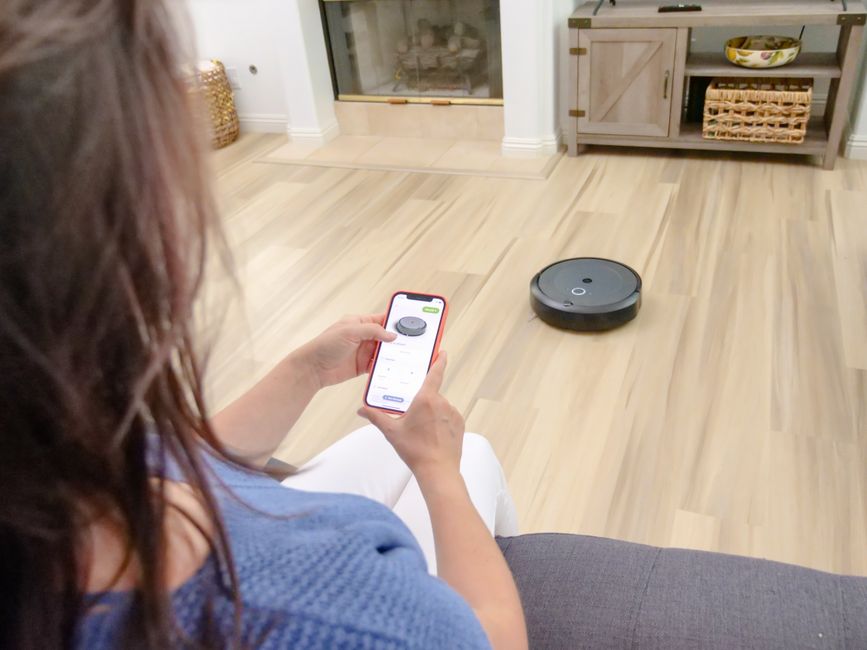
The robot vacuum market has evolved dramatically since 2024. Manufacturers now produce both lidar and camera models with advanced AI and smart mapping. Camera-based systems use visual recognition and machine learning to navigate effectively. Lidar uses laser pulses to create precise 3D maps, regardless of lighting conditions. Understanding these differences helps you make an informed decision that aligns with your specific needs and home environment.
Key Takeaway: Lidar vacuums are worth it for large, complex homes where navigation precision matters most, but camera models offer excellent value for straightforward layouts.
How Do Lidar and Camera Navigation Systems Compare?
Lidar (Light Detection and Ranging) uses invisible laser beams to measure distances and create detailed 3D maps of your home. Camera systems rely on visual sensors and artificial intelligence to recognize objects and navigate spaces. Both approaches have fundamentally different strengths and limitations in real-world conditions.

Lidar operates independently of lighting conditions. It works equally well in bright sunlight, darkness, or shadowy corners. Camera systems require adequate light to function effectively. In dimly lit basements or nighttime cleaning, lidar maintains consistent performance while cameras may struggle with accuracy.
- Lidar creates precise point-cloud maps with millimeter-level accuracy.
- Cameras use visual landmarks and AI pattern recognition for navigation.
- Lidar works in complete darkness without performance degradation.
- Camera systems perform best in well-lit environments.
- Lidar mapping is faster and more efficient initially.
- Camera systems improve over time through machine learning.
Key Takeaway: Lidar provides consistent accuracy regardless of lighting, while cameras improve through AI but depend on adequate illumination.
Mapping Accuracy and Home Complexity
Lidar creates immediately accurate maps on the first run, even in complex homes with multiple rooms and obstacles. Camera-based systems may require several cleaning cycles to fully understand your layout. For homes with intricate floor plans, furniture arrangements, and narrow passages, lidar’s precision becomes increasingly valuable.
Modern camera systems in 2026 have improved significantly. Advanced AI algorithms now recognize furniture, walls, and obstacles with impressive accuracy. However, they still need time and multiple passes to build confidence in their understanding. Lidar gets it right from day one, which translates to more efficient cleaning routes immediately.
Performance in Different Home Environments
Open-concept apartments with minimal obstacles work well with both technologies. Lidar and camera systems navigate efficiently in these simple layouts. However, homes with multiple levels, cluttered rooms, or numerous obstacles show where lidar excels. The laser-based approach handles complexity without hesitation.
Homes with dark hallways, basement spaces, or nighttime cleaning schedules benefit most from lidar. Camera systems struggle in these conditions, potentially missing spots or taking inefficient routes. If your home has significant lighting variations, lidar becomes the more practical choice.
What Are the Real-World Performance Differences in 2026?
Performance differences between lidar and camera vacuums extend beyond navigation. Cleaning efficiency, mapping speed, and obstacle avoidance all factor into the total value equation. Testing data from 2026 shows both technologies deliver solid cleaning results, but lidar maintains advantages in specific scenarios.

Cleaning coverage is where lidar shines brightest. Because lidar maps more accurately and efficiently, it covers your home more thoroughly in less time. Camera systems eventually achieve similar coverage, but they may require longer cleaning sessions or multiple runs to reach the same thoroughness.
- Lidar vacuums complete cleaning routes 15-25% faster than camera models.
- Camera systems use more battery power due to longer, less efficient routes.
- Lidar handles obstacle avoidance with greater precision and confidence.
- Camera systems occasionally miss corners or take circuitous paths.
- Both technologies achieve similar suction power and debris pickup rates.
- Lidar models maintain consistent performance across all floor types.
Key Takeaway: Lidar delivers faster coverage and more efficient routes, while cameras eventually achieve similar cleaning but with longer session times.
Battery Life and Runtime Efficiency
Lidar’s superior navigation translates directly to better battery efficiency. The robot doesn’t waste energy on inefficient paths or repeated coverage of the same areas. For large homes, this efficiency gain means the difference between completing a full clean on one charge versus needing a dock return mid-cycle.
Camera systems consume more battery due to longer routes and redundant coverage patterns. This becomes problematic for homes over 2,000 square feet. If your vacuum needs to dock and recharge mid-clean, you’ll experience longer overall cleaning times and more frequent base station usage.
Smart Mapping and App Features
Both lidar and camera models in 2026 offer sophisticated app controls and room-specific cleaning. You can set no-go zones, schedule cleanings, and customize suction levels for different areas. The mapping interfaces are equally user-friendly across both technologies.
Lidar systems typically display more detailed and immediately useful maps. Camera systems show accurate maps after learning your home. For users who value instant, precise map visualization, lidar provides better first-impression control and customization options.
How Do Price Points and Value Compare?
Lidar robot vacuums typically cost 30-50% more than comparable camera-based models in August 2026. A quality lidar vacuum ranges from $600-$1,200, while camera models occupy the $400-$800 range. This price gap raises the critical question: does the performance justify the investment?
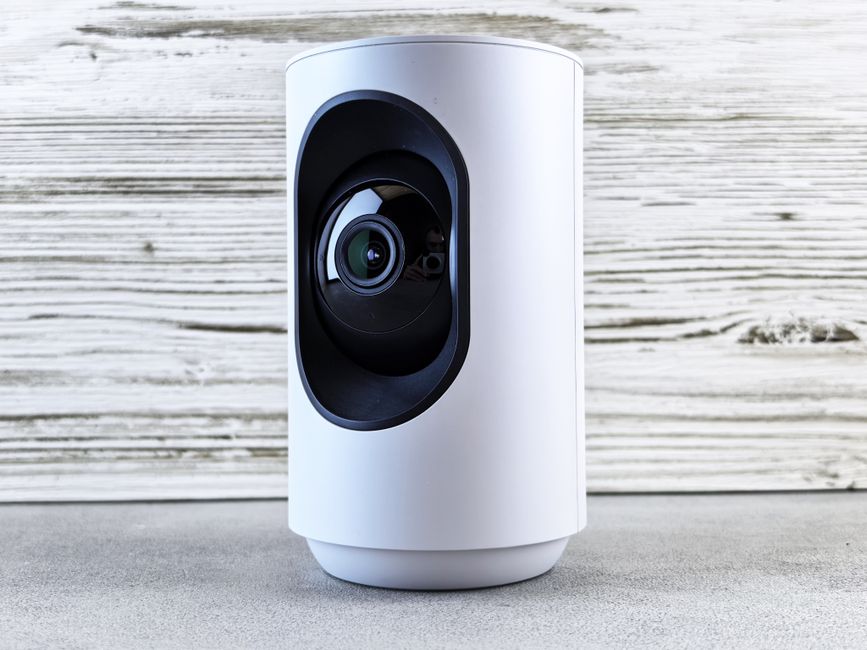
The answer depends on your home size and layout complexity. For apartments under 1,000 square feet with simple layouts, camera models deliver excellent value. For homes over 2,000 square feet with multiple rooms and obstacles, lidar’s efficiency gains justify the premium through time savings and reliability.
- Budget camera models: $300-$500 with basic navigation.
- Mid-range cameras: $500-$800 with advanced AI features.
- Budget lidar vacuums: $600-$800 with solid performance.
- Premium lidar models: $900-$1,500 with all advanced features.
- Camera models offer better value for simple floor plans.
- Lidar models provide better long-term value for complex homes.
Key Takeaway: Camera models deliver superior value for small homes, while lidar justifies its premium for large, complex spaces.
Long-Term Cost Considerations
Beyond purchase price, consider maintenance and replacement costs. Lidar sensors are more durable and rarely require replacement during the vacuum’s lifespan. Camera systems have similar durability but may need software updates more frequently to maintain performance.
Self-emptying bases add $200-$400 to either technology. For detailed information on whether self-emptying features justify their cost, check our complete analysis of self-emptying robot vacuums. The base technology works equally well with lidar or camera models.
Resale Value and Technology Longevity
Lidar technology is more established and less likely to become obsolete. Camera-based systems depend on AI improvements, which evolve rapidly. In three to five years, a lidar vacuum will likely maintain better resale value because the core technology remains relevant.
However, camera systems with advanced AI may gain capabilities through software updates. A camera vacuum purchased in 2026 might perform better in 2028 than the same model did on day one. Lidar systems don’t benefit from these improvements since their navigation is hardware-dependent.
What Practical Factors Should You Consider?
Before deciding, evaluate your specific home situation. Lidar excels in certain conditions while cameras work perfectly fine in others. Your lifestyle, home layout, and cleaning priorities should drive this decision more than raw specifications.

Home Size Assessment
Measure your total cleanable square footage, including all levels and rooms. Homes under 1,500 square feet work well with either technology. Homes between 1,500-2,500 square feet benefit from lidar’s efficiency. Homes over 2,500 square feet strongly favor lidar to ensure complete coverage without multiple dock returns.
Layout Complexity Evaluation
Draw a simple floor plan noting obstacles, furniture, and room transitions. Straight hallways and open areas? Camera models handle these easily. Cluttered rooms, narrow passages, and complex furniture arrangements? Lidar navigates these confidently without hesitation.
Multiple levels require careful consideration. If you have stairs and plan to use the vacuum on different floors separately, both technologies work well. However, if you have a complex single-level layout with many obstacles, lidar becomes the safer choice.
- Simple layouts (open concept, minimal obstacles): cameras are sufficient.
- Moderate complexity (multiple rooms, some clutter): either works well.
- High complexity (cluttered, narrow spaces, dark areas): lidar excels.
- Multiple levels with varied lighting: lidar is more reliable.
- Consistent, well-lit homes: cameras perform adequately.
- Homes with basement or dark spaces: lidar is strongly recommended.
Specific Use Case Scenarios
Pet owners with shedding animals benefit from either technology, but lidar’s efficiency means more thorough coverage. For detailed guidance on pet hair performance, see our complete guide on robot vacuums and pet hair. The navigation system matters less than suction power for pet hair removal.
If you have high-pile carpets or hardwood floors, navigation matters less than brush design and suction settings. Check our guides on robot vacuums on high-pile carpet and hardwood floor safety for floor-specific advice.
How Do You Choose Between Lidar and Camera Models?
Create a decision matrix based on your priorities. Rate your home’s complexity, size, and lighting conditions. Compare these ratings against what each technology offers. This systematic approach removes emotion from the decision.
Test both technologies if possible. Many retailers allow demonstrations or returns within 30 days. Spend time watching how each vacuum navigates your actual home. Real-world performance matters more than specifications.
Consider your budget flexibility. If the price difference is negligible in your situation, lidar offers more peace of mind. If budget is tight, a quality camera model delivers excellent cleaning at a lower cost.
- Choose lidar if: home exceeds 2,000 sq ft, complex layout, variable lighting.
- Choose lidar if: you value maximum efficiency and reliability.
- Choose camera if: home under 1,500 sq ft, simple layout, adequate lighting.
- Choose camera if: budget is primary concern and layout is straightforward.
- Choose either if: you prioritize specific features like mopping or pet hair removal.
- Test both if: possible before making final decision.
Key Takeaway: Match the technology to your home’s specific characteristics rather than chasing the most expensive option.
What Should You Know About Current 2026 Models?
The robot vacuum market in August 2026 has matured significantly. Both lidar and camera technologies have reached a point where the worst models are quite good, and premium models are exceptional. The gap between technologies has narrowed compared to previous years.
Manufacturers now focus on hybrid approaches and advanced AI. Some newer camera systems incorporate lidar-like sensors. Some lidar models add cameras for obstacle recognition. This convergence means the “pure” lidar versus camera distinction is becoming less clear.
Battery technology has improved, extending runtime for both types. Self-emptying bases are now standard on premium models. Mopping capabilities are common across price ranges. When comparing specific models, focus on individual features rather than just the navigation technology.
For budget considerations and what features you might sacrifice with cheaper models, see our complete breakdown of budget robot vacuum trade-offs. Understanding these compromises helps you value what lidar or camera technology actually provides.
Key Takeaway: In 2026, both technologies are mature and capable; choose based on your home’s needs rather than technology hype.
Frequently Asked Questions
Do lidar robot vacuums really clean better than camera models?
Not necessarily. Both achieve similar suction power and debris pickup. Lidar’s advantage is efficiency—it covers your home faster with less wasted energy. Camera models eventually achieve similar coverage but may require longer cleaning times. For most homes, cleaning results are comparable between the two technologies.
Can camera robot vacuums work in dark rooms?
Camera systems struggle significantly in darkness. They rely on visual recognition, which requires adequate light. Lidar works perfectly in complete darkness using laser pulses. If your home has dark basements, nighttime cleaning, or dimly lit hallways, lidar is more reliable. Camera models are best for well-lit environments.
How much more do lidar vacuums cost in 2026?
Lidar models typically cost 30-50% more than comparable camera systems. Budget cameras start around $300-$500, while budget lidar models begin around $600-$800. Premium versions of both can exceed $1,200. The price gap reflects lidar’s more expensive sensor technology and superior navigation accuracy.
Will camera robot vacuums improve through software updates?
Yes, camera systems can improve through AI software updates. Manufacturers regularly release updates that enhance obstacle recognition and navigation efficiency. Lidar vacuums don’t benefit from similar improvements since their navigation depends on hardware. Over time, a camera vacuum might perform better than at purchase, but lidar maintains consistent performance from day one.
Are lidar vacuums worth it for small apartments?
Probably not. Small apartments under 1,000 square feet with simple layouts work well with camera models at lower prices. Lidar’s efficiency advantages become meaningful in larger homes. For small spaces, a quality camera vacuum delivers excellent cleaning at better value.
Do lidar vacuums get stuck less often than camera models?
Yes, lidar’s superior obstacle detection helps it avoid getting stuck. However, both can struggle with certain obstacles like rugs or cords. For specific troubleshooting, see our complete guide on robot vacuums getting stuck on rugs. Regardless of navigation technology, proper home preparation prevents most getting-stuck incidents.
Are Lidar Robot Vacuums Worth It in 2026? Final Verdict
Lidar robot vacuums are worth their premium price for large, complex homes where navigation efficiency directly impacts cleaning performance. The technology delivers faster coverage, better battery efficiency, and more reliable obstacle avoidance. For homes exceeding 2,000 square feet with multiple rooms and obstacles, lidar justifies the 30-50% price premium through superior results and peace of mind.
Camera-based models offer exceptional value for straightforward layouts and smaller homes. Modern AI has improved camera navigation significantly, closing the gap that once existed. For apartments and simple floor plans, investing the savings toward other features like better suction or self-emptying bases makes more sense than paying extra for lidar.
The real answer in August 2026 is that both technologies are mature, reliable, and capable. Rather than debating lidar versus cameras, focus on matching the specific model to your home’s characteristics. Test both types if possible, evaluate your layout honestly, and choose the option that aligns with your space and budget. A well-chosen camera vacuum will outperform a poorly-selected lidar model, and vice versa.
Key Takeaway: Lidar vacuums justify their cost for complex large homes, but camera models deliver superior value for simpler spaces—choose based on your specific home needs.





Write Your Review
No reviews yet. Be the first to share your experience!