
Imagine walking into your home and having every device communicate seamlessly with each other, regardless of the brand or manufacturer. No more compatibility headaches. No more apps for every single gadget. This is the promise of what is matter protocol and why it matters for smart homes, and it’s reshaping how we think about smart home technology in 2026.
If you’ve ever struggled to connect devices from different brands or felt frustrated by apps that don’t talk to each other, you’ve experienced the fragmentation problem that what is matter protocol and why it matters for smart homes is designed to solve. This open standard protocol is becoming increasingly important for anyone building or upgrading their smart home, and understanding it can help you make smarter purchasing decisions and avoid costly mistakes.
In this guide, we’ll walk you through what what is matter protocol and why it matters for smart homes is, how it works, why it matters for your home automation setup, and how to determine if it’s right for your needs. Whether you’re just starting your smart home journey or you’re an experienced user looking to future-proof your setup, this information will help you navigate the evolving landscape of home automation.
Understanding What Is Matter Protocol And Why It Matters For Smart Homes: The Basics
At its core, what is matter protocol and why it matters for smart homes is an open-source connectivity standard designed to enable smart home devices to work together seamlessly. Unlike proprietary protocols that lock you into a single manufacturer’s ecosystem, what is matter protocol and why it matters for smart homes creates a common language that allows devices from different companies to communicate directly with each other without relying on cloud servers or internet connectivity.

The protocol was developed by a coalition of major technology companies, including Amazon, Apple, Google, and Samsung, along with hundreds of other manufacturers and organizations. This collaborative approach means that what is matter protocol and why it matters for smart homes isn’t controlled by any single company, making it a truly neutral standard that prioritizes interoperability and user choice.
How What Is Matter Protocol And Why It Matters For Smart Homes Differs from Other Protocols
The smart home market has historically been fragmented, with different manufacturers using different communication protocols like Zigbee, Z-Wave, and proprietary WiFi solutions. Each had its own strengths and weaknesses, but they all required separate hubs or bridges to function. what is matter protocol and why it matters for smart homes changes this equation by providing a unified standard that works across different device types and manufacturers.
What makes what is matter protocol and why it matters for smart homes unique is its focus on local communication. Your devices can talk to each other directly within your home network without needing to send data to the cloud. This approach improves security, reduces latency, and ensures your smart home continues working even if your internet connection drops.
The Technology Behind What Is Matter Protocol And Why It Matters For Smart Homes
what is matter protocol and why it matters for smart homes uses Thread, a low-power mesh networking technology, as its primary communication protocol. Thread creates a self-healing mesh network where each device can relay signals through other devices, extending the range throughout your home. This mesh architecture means you don’t need a central hub in every room, and the network automatically finds the best route for data transmission.
The protocol also supports WiFi and Bluetooth for certain device types and scenarios. This flexibility allows manufacturers to choose the best technology for their specific devices while maintaining compatibility with the broader what is matter protocol and why it matters for smart homes ecosystem.
Why What Is Matter Protocol And Why It Matters For Smart Homes Matters for Your Smart Home
Understanding why what is matter protocol and why it matters for smart homes matters requires looking at the real-world problems it solves. If you’re building a smart home in 2026, these benefits directly impact your experience and long-term satisfaction with your setup.
Eliminating Device Compatibility Issues
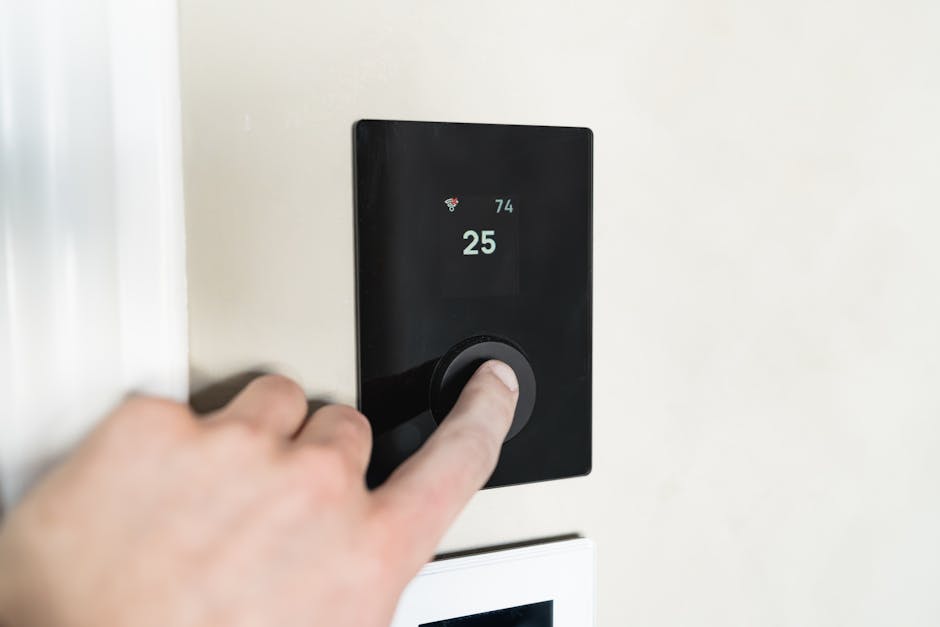
One of the biggest frustrations with smart home ownership is discovering that the device you just purchased won’t work with your existing setup. Maybe you have a Philips Hue lighting system, but you want to add a Samsung smart lock. With what is matter protocol and why it matters for smart homes, compatibility concerns become a non-issue. You can mix and match devices from different manufacturers and know they’ll work together.
This interoperability extends to automation routines and scenes. You can create complex automations that involve devices from multiple brands, all triggered by a single action or condition. Your Nanoleaf lights can respond to motion detected by an Eve sensor, which can also trigger your Logitech blinds to open, all without requiring multiple apps or workarounds.
Improving Security and Privacy
Because what is matter protocol and why it matters for smart homes prioritizes local communication, your device data stays within your home network rather than being sent to cloud servers. This fundamental design choice provides significant security and privacy advantages. Your personal information, habits, and device data aren’t transmitted to or stored on external servers, reducing the risk of data breaches or unauthorized access.
The protocol also includes built-in encryption and authentication mechanisms to ensure that only authorized devices and users can access your smart home. Each device must be properly commissioned and authenticated before it can join your what is matter protocol and why it matters for smart homes network, preventing unauthorized devices from connecting.
Reducing Dependence on Internet Connectivity
With what is matter protocol and why it matters for smart homes, your smart home doesn’t require constant internet connectivity to function. Local device communication means that basic automation routines, lighting control, and device communication continue working even if your internet connection is temporarily unavailable. You can still adjust your thermostat, control your lights, and lock your doors through local what is matter protocol and why it matters for smart homes connections.
This resilience is particularly valuable during internet outages or when traveling away from home. Your smart home remains functional and secure regardless of your internet status, providing peace of mind and consistent reliability.
Getting Started with What Is Matter Protocol And Why It Matters For Smart Homes Devices
If you’re interested in building a what is matter protocol and why it matters for smart homes smart home, the process is more straightforward than you might expect. Let’s walk through the key steps and considerations.
Choosing Your Hub or Bridge
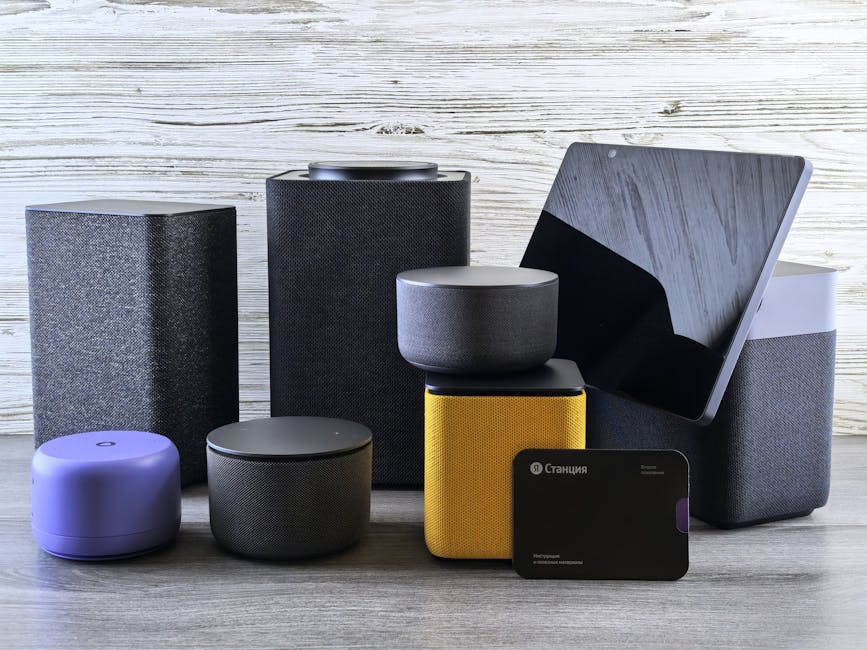
To use what is matter protocol and why it matters for smart homes devices, you’ll need a hub or bridge that supports the protocol. This device acts as the coordinator for your what is matter protocol and why it matters for smart homes network and enables remote access and automation. Popular options include smart speakers and displays that have been updated to support what is matter protocol and why it matters for smart homes, as well as dedicated hubs from various manufacturers.
When selecting a hub, consider the following factors:
- Compatibility with your existing devices and ecosystems
- Thread Border Router capability for extended mesh network range
- Local automation support for reliable operation without internet
- Integration with your preferred voice assistant or control platform
- Future-proofing and manufacturer commitment to what is matter protocol and why it matters for smart homes support
Selecting Compatible Devices
As what is matter protocol and why it matters for smart homes adoption grows, more manufacturers are releasing compatible devices. Start by identifying which device categories matter most for your needs. Common what is matter protocol and why it matters for smart homes device types include smart lights, thermostats, locks, cameras, sensors, and switches.
Before purchasing, verify that each device explicitly supports what is matter protocol and why it matters for smart homes. Look for the what is matter protocol and why it matters for smart homes certification logo or check the manufacturer’s specifications. This ensures you’re getting devices that will work seamlessly with your network rather than devices that might claim compatibility without full support.
Setting Up Your Network
Setting up a what is matter protocol and why it matters for smart homes network involves a few straightforward steps. First, ensure your hub is properly installed and connected to your home WiFi network. Then, add each device to the network by placing it in pairing mode and using your hub’s app or control interface to commission it.
The commissioning process typically involves scanning a device code or entering a setup code provided with your device. This authentication step ensures that only devices you authorize can join your network. Once commissioned, devices automatically join the mesh network and begin communicating with each other.
Building Effective Automations with What Is Matter Protocol And Why It Matters For Smart Homes
One of the most powerful aspects of what is matter protocol and why it matters for smart homes is the ability to create sophisticated automations that involve devices from multiple manufacturers. Understanding how to leverage this capability will help you get the most from your smart home investment.

Creating Multi-Device Scenes
A scene is a predefined set of device states that you can activate with a single command. With what is matter protocol and why it matters for smart homes, you can create scenes that involve lights, locks, thermostats, and other devices from different brands. For example, you might create a “Leaving Home” scene that locks your doors, adjusts your thermostat, and turns off all lights simultaneously.
To create effective scenes, think about your daily routines and the device states that would make each routine more convenient. Common scenes include morning routines, movie time, entertaining guests, bedtime, and away modes. Each scene should include all relevant devices and set them to appropriate states.
Setting Up Conditional Automations
Beyond simple scenes, what is matter protocol and why it matters for smart homes enables conditional automations where actions are triggered based on specific conditions. You can create automations that respond to time of day, presence detection, sensor readings, or manual triggers.
For example, you could automate your lights to gradually brighten in the morning as sunrise approaches, have your thermostat adjust when you leave home, or trigger security lighting when motion is detected at night. These conditional automations make your home more responsive to your needs and habits.
Pro Tips and Best Practices for What Is Matter Protocol And Why It Matters For Smart Homes Success
Plan Your Network Layout Strategically
Position your hub in a central location within your home to maximize Thread mesh network coverage. Consider the layout of your home and place the hub where it can reach all areas effectively. If you have dead zones, add additional Thread Border Router devices to extend coverage.
Start Small and Expand Gradually
Begin with a few key devices in important areas of your home, then gradually add more devices as you become comfortable with the system. This approach helps you learn the platform and identify which automations provide the most value before investing in a complete smart home setup.
Prioritize Devices That Solve Real Problems
Focus on devices that address genuine pain points in your daily life. Smart lighting for convenience, thermostats for energy efficiency, and locks for security typically provide the most tangible benefits. Avoid adding devices simply because they’re available.
Keep Your Hub Updated
Regularly check for firmware updates for your hub and devices. These updates often include bug fixes, performance improvements, and new what is matter protocol and why it matters for smart homes features. Enable automatic updates when possible to ensure your system remains secure and functional.
Test Automations Before Relying on Them
Before depending on an automation for critical functions like security or climate control, test it thoroughly under various conditions. Ensure it behaves as expected and doesn’t have unintended consequences or failures.
Document Your Setup
Keep notes about your devices, automations, and network configuration. This documentation becomes valuable if you need to troubleshoot issues, add new devices, or explain your setup to family members or service technicians.
Common Mistakes to Avoid
Assuming All Smart Devices Are What Is Matter Protocol And Why It Matters For Smart Homes Compatible
Not all smart home devices support what is matter protocol and why it matters for smart homes yet. Always verify compatibility before purchasing. Check the product specifications and look for explicit what is matter protocol and why it matters for smart homes certification. Some devices may support other protocols like Zigbee or Z-Wave but not what is matter protocol and why it matters for smart homes.
Neglecting Network Range and Coverage
Underestimating the importance of proper hub placement or mesh network coverage is a common mistake. If your hub is too far from devices or positioned poorly, you’ll experience connectivity issues and unreliable automations. Plan your network layout carefully and add additional Thread Border Routers if needed.
Creating Overly Complex Automations
While what is matter protocol and why it matters for smart homes enables sophisticated automations, overly complex setups can become difficult to manage and troubleshoot. Start with simple automations and gradually add complexity only when it genuinely improves your experience.
Ignoring Security Setup
Properly securing your what is matter protocol and why it matters for smart homes network is essential. Use strong passwords, enable two-factor authentication for your hub account, and keep devices updated. Don’t skip the security setup steps, even if they seem tedious.
Failing to Plan for Future Expansion
Choose a hub and ecosystem that can grow with your needs. Consider whether the platform will support the types of devices you might want to add in the future. A hub with limited device support might force you to replace your entire system as your needs evolve.
Conclusion
what is matter protocol and why it matters for smart homes represents a significant shift in how smart home devices communicate and work together. By establishing an open standard that prioritizes interoperability, security, and local control, it addresses many of the frustrations that have plagued smart home adoption. Whether you’re building a smart home from scratch or upgrading an existing setup, understanding what what is matter protocol and why it matters for smart homes is and how it works positions you to make informed decisions.
The key takeaway is that what is matter protocol and why it matters for smart homes gives you freedom. Freedom to choose devices from different manufacturers without worrying about compatibility. Freedom to keep your data local and secure. Freedom to control your home even when internet connectivity fails. As more devices and manufacturers adopt the standard in 2026, this freedom becomes increasingly valuable.
If you’re ready to explore smart home automation, start by learning more about how a smart home works and what’s possible with modern home automation. Then, evaluate whether what is matter protocol and why it matters for smart homes devices align with your needs and preferences. Take your time with the decision, start small, and expand as you become more comfortable with the technology. Your future self will appreciate the thoughtfulness you put into building a smart home that truly works for you.
Frequently Asked Questions
Do I need special WiFi for what is matter protocol and why it matters for smart homes devices?
No, what is matter protocol and why it matters for smart homes devices primarily use Thread for communication, which is separate from your WiFi network. However, your hub needs to be connected to WiFi to function and provide remote access. Your existing home WiFi network works fine for this purpose.
Can what is matter protocol and why it matters for smart homes work without a hub?
Most what is matter protocol and why it matters for smart homes devices require a hub to function fully, though local communication between devices is possible in some cases. The hub serves as the coordinator for your network and enables remote access and advanced automations. Choose a hub that fits your ecosystem preferences.
Is what is matter protocol and why it matters for smart homes secure for smart home use?
Yes, what is matter protocol and why it matters for smart homes is designed with security as a priority. It uses local communication to keep data within your home, includes built-in encryption, and requires device authentication. However, security also depends on your practices, such as using strong passwords and keeping devices updated.
How many devices can a what is matter protocol and why it matters for smart homes network support?
A what is matter protocol and why it matters for smart homes network can support many devices, typically hundreds in a residential setting. The exact number depends on your hub and network design, but most homes will never approach the practical limits of the protocol.
What’s the difference between what is matter protocol and why it matters for smart homes and Thread?
Thread is the mesh networking technology that what is matter protocol and why it matters for smart homes primarily uses for device communication. what is matter protocol and why it matters for smart homes is the broader smart home standard that uses Thread along with other technologies to enable device interoperability and automation.
Will my existing smart home devices work with what is matter protocol and why it matters for smart homes?
It depends on the specific devices you own. Some existing devices have been updated to support what is matter protocol and why it matters for smart homes, while others use different protocols. Check your device manufacturer’s website to see if what is matter protocol and why it matters for smart homes support is available through an update or if you’ll need to replace devices as you transition.




Write Your Review
No reviews yet. Be the first to share your experience!