

What Is the Difference Between Tesla Powerwall and Enphase Battery for Home Backup?
The Tesla Powerwall and Enphase IQ Battery are both leading home energy storage solutions, but they differ significantly in design, capacity, and integration approach. Tesla’s Powerwall is a single 13.5 kWh unit designed for whole-home backup and solar integration, while Enphase offers modular 5.16 kWh batteries that stack together for scalable storage. The Powerwall operates as a centralized system paired with Tesla’s inverter, whereas Enphase uses a distributed microinverter architecture. In May 2026, the Powerwall costs approximately $11,500 installed, while Enphase batteries run $4,000-$5,000 per unit depending on configuration. The key distinction lies in their philosophy: Tesla emphasizes simplicity and high capacity in a single unit, while Enphase prioritizes modularity and system resilience through distributed energy management. Both systems integrate with solar installations, but Enphase requires existing or compatible microinverters, whereas Tesla works with its own inverters or legacy systems through adapters. Understanding these fundamental differences helps homeowners choose based on their backup needs, budget, and existing solar setup.
How Do Storage Capacity and Scalability Compare Between These Systems?
Storage capacity represents one of the most critical differences between these two battery systems. The Tesla Powerwall provides 13.5 kWh of usable energy in a single compact unit measuring 45.3 inches tall and 29.6 inches wide. This single-unit design means homeowners requiring more storage must install multiple Powerwalls, with most installations supporting 2-10 units depending on electrical infrastructure and budget constraints.
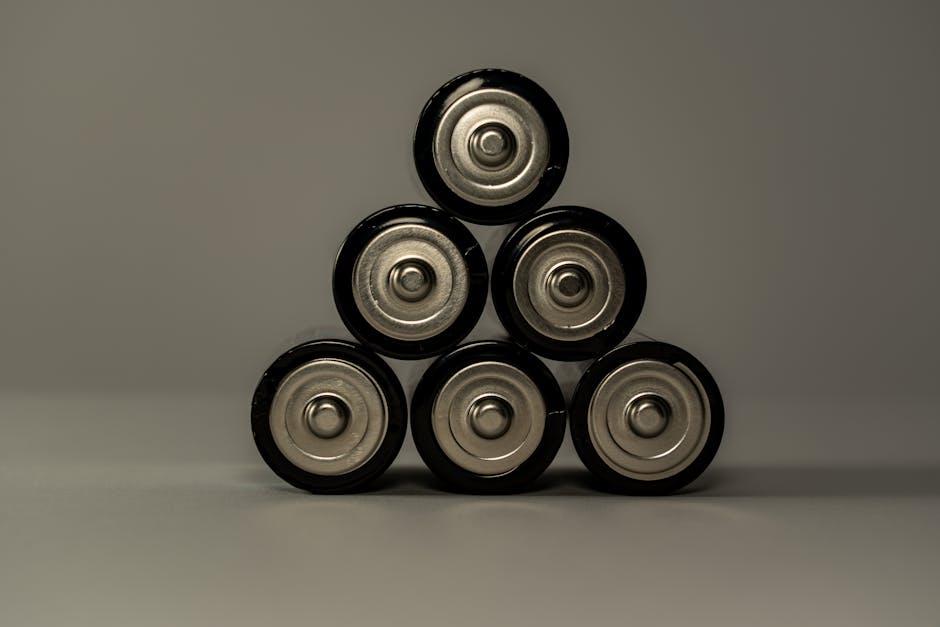
Enphase IQ Battery modules offer 5.16 kWh per unit, requiring multiple batteries to match Powerwall capacity. A typical Enphase system with three batteries provides 15.48 kWh of total capacity, slightly exceeding a single Powerwall. The modular design allows homeowners to start small and expand gradually—a significant advantage for those uncertain about their long-term storage needs. Enphase systems can stack up to 19.2 kWh (four batteries) per IQ Combiner, with multiple combiners enabling larger installations.
For household backup scenarios, a single Powerwall typically covers 1-2 days of typical consumption, while multiple Enphase batteries provide similar coverage with greater flexibility. Scalability favors Enphase for gradual expansion, but Powerwall’s higher single-unit capacity appeals to homeowners wanting maximum storage in minimal physical footprint. Both systems support whole-home backup when properly configured with compatible inverters and electrical systems.
What Are the Installation, Efficiency, and Performance Differences?
Installation complexity and efficiency ratings significantly impact the total cost of ownership and system performance. Tesla Powerwall requires a dedicated Tesla Powerwall+ inverter or compatibility with certain third-party inverters through specialized gateways. Installation typically takes 1-2 days for a single unit and involves integrating with home electrical panels, solar systems, and internet connectivity. Tesla handles most installations through certified partners, ensuring standardized quality but potentially higher labor costs.
Enphase batteries integrate with Enphase microinverters already installed on solar systems or require new microinverter installation. This distributed approach means installation complexity depends on existing solar infrastructure. Homes with Enphase microinverters already deployed experience simpler, faster battery addition. Efficiency ratings show both systems performing similarly: Tesla Powerwall achieves approximately 90% round-trip efficiency, while Enphase IQ Battery reaches 89-91% efficiency depending on operating conditions.
Performance under real-world conditions reveals important distinctions. Tesla Powerwall supports higher continuous power output (5 kW continuous, 7 kW peak), making it better for homes with high-demand appliances. Enphase provides 3.84 kW continuous per battery unit, requiring multiple units for equivalent power delivery. Both systems include automatic backup activation during grid outages and support time-of-use optimization to maximize savings. Tesla’s centralized monitoring through its app offers simpler overview, while Enphase provides granular per-battery monitoring through its Enlighten platform. Response times during outages are nearly identical—under 200 milliseconds for both systems.
How Do Pricing, Warranties, and Long-Term Value Compare?
Cost analysis extends beyond purchase price to include installation, maintenance, warranties, and long-term performance. Tesla Powerwall pricing in May 2026 averages $11,500 installed for a single unit, including labor, electrical upgrades, and integration with existing systems. Additional units cost $9,000-$10,000 each when installed simultaneously. This higher upfront cost reflects Tesla’s integrated ecosystem and premium brand positioning.
Enphase battery systems cost $4,000-$5,000 per unit before installation, with labor typically running $2,000-$3,000 per unit depending on existing infrastructure. A three-battery system costs $14,000-$18,000 installed, comparable to dual Powerwalls but offering slightly more capacity. The modular pricing structure allows phased investment, reducing initial capital requirements.
Warranty coverage differs meaningfully. Tesla Powerwall includes a 10-year warranty covering 70% capacity retention, providing strong long-term protection. Enphase IQ Battery offers a 10-year warranty with 80% capacity guarantee, slightly better retention terms. Both warranties cover manufacturing defects and typical degradation but exclude damage from improper installation or environmental factors.
Long-term value depends on usage patterns. Homes using batteries for peak shaving and time-of-use optimization see faster payback with either system. Federal tax credits of 30% apply to both systems when installed with solar, reducing effective costs to $8,050 for Powerwall or $9,800-$12,600 for three Enphase batteries. Resale value remains uncertain for both systems, though Tesla’s brand recognition may provide slight advantage in premium markets.
How Do You Choose the Right System for Your Home Backup Needs?
Selecting between Tesla Powerwall and Enphase battery requires evaluating your specific circumstances, priorities, and existing infrastructure. Start by assessing your backup power requirements—calculate your home’s daily energy consumption during outages and identify critical loads requiring priority backup. Homes with electric vehicle charging, heat pumps, or medical equipment need higher power output and larger capacity, favoring Tesla’s 5 kW continuous delivery or multiple Enphase units.
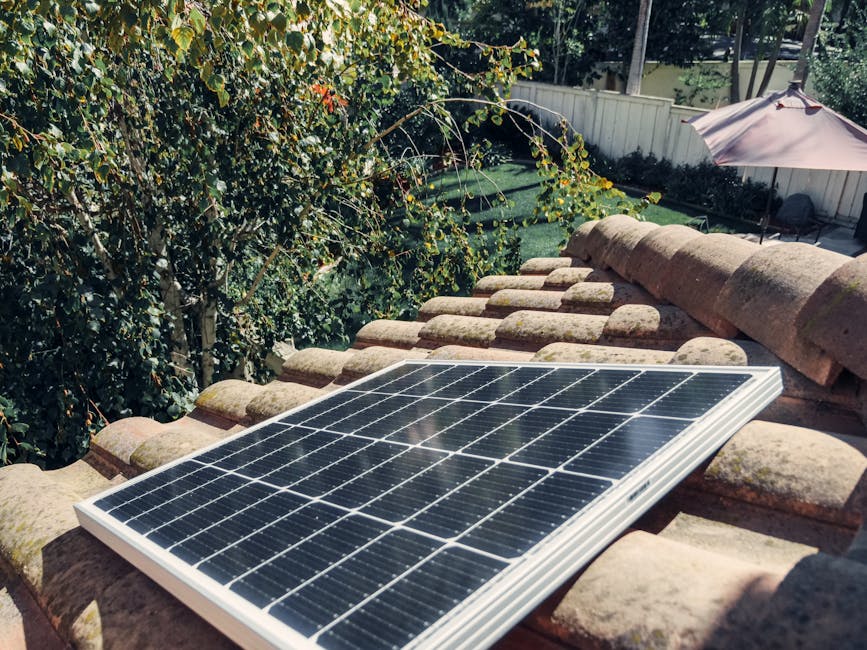
Examine your existing solar installation. Homes with Tesla solar panels or planning new Tesla solar should strongly consider Powerwall for seamless integration and unified monitoring. Homes with Enphase microinverters already installed gain significant installation cost savings and simplified integration by choosing Enphase batteries. If you have SMA, Fronius, or other third-party inverters, verify compatibility before committing—Tesla requires specific gateways while Enphase requires compatible microinverters.
Evaluate your expansion plans. If you anticipate needing more storage in 2-3 years, Enphase’s modularity allows gradual capacity increases without replacing existing components. Tesla’s all-in-one approach works better if you’re confident in your current capacity needs and prefer not to add units later.
Consider your budget structure. If upfront capital is limited, Enphase’s lower per-unit cost allows starting with one or two batteries and expanding gradually. If you prefer deploying complete backup capacity immediately and have available capital, Tesla’s single-unit installation simplifies the process.
Compare monitoring and control preferences. Tesla offers simpler, more integrated monitoring through its unified app ecosystem. Enphase provides more detailed per-battery analytics through Enlighten, appealing to tech-savvy homeowners wanting granular insights. Both systems support professional monitoring and integration with home automation platforms like those discussed in our guide to Zigbee vs Z-Wave for home automation energy.
Location matters too. Areas with frequent outages justify larger capacity—potentially favoring multiple Powerwalls or four Enphase batteries. Regions with stable grids but high electricity costs benefit from either system for peak shaving and time-of-use optimization. Consult your utility’s rate structure and backup frequency before deciding on system size.
Finally, assess installer availability and expertise. Tesla maintains direct control over installation quality but may have longer wait times in less populated areas. Enphase relies on certified installers, creating variable quality but potentially faster service in regions with multiple Enphase-trained contractors. Request quotes from both providers and verify references before committing.
What Are Common Mistakes to Avoid When Choosing Home Battery Backup?
Homeowners frequently make preventable errors when selecting battery backup systems. The most common mistake involves oversizing or undersizing capacity without calculating actual backup needs. Many assume they need 20+ kWh of storage when 10-15 kWh covers typical outage scenarios. Conversely, others underestimate needs by only considering essential loads, then discovering insufficient capacity during extended outages. Calculate your average daily consumption, multiply by 2-3 days of desired autonomy, then add 20% buffer for safety margins.
Failing to verify inverter compatibility before purchase causes expensive complications. Some homeowners buy Powerwall only to discover their existing solar inverter requires costly replacement or gateway installation. Others choose Enphase batteries without confirming their solar system uses compatible microinverters. Always obtain written compatibility verification from your solar installer before committing to any battery system.
Ignoring installation costs and assuming “plug-and-play” simplicity leads to budget shock. Battery installation typically costs $2,000-$5,000 per unit for electrical work, permitting, and integration—often exceeding the hardware cost itself. Factor complete installed pricing, not hardware-only quotes, when comparing systems.
Neglecting to plan for future expansion causes regret. Choosing a system with no upgrade path limits your options when needs change. Enphase’s modularity prevents this problem, while Powerwall owners must ensure their electrical infrastructure supports multiple units if future expansion becomes necessary.
Overlooking maintenance and monitoring requirements leads to underutilized systems. Both batteries require periodic software updates, regular monitoring for optimal performance, and integration with home energy management for maximum benefit. Allocate time and attention to these ongoing needs before purchasing.
Frequently Asked Questions
Can You Use Tesla Powerwall and Enphase Batteries Together in One System?
No, Tesla Powerwall and Enphase batteries cannot operate together in a single integrated system. They use fundamentally different architectures—Powerwall requires Tesla’s inverter ecosystem, while Enphase relies on microinverter technology. Mixing them would create incompatible power flows and control conflicts. Choose one system and scale within that ecosystem.
Which Battery System Works Better With Existing Solar Panels?
Compatibility depends on your current solar inverter. Tesla Powerwall works with Tesla solar systems and certain third-party inverters through gateways. Enphase batteries require Enphase microinverters. If you have string inverters from SMA or Fronius, Tesla offers better compatibility options. If you have Enphase microinverters, Enphase batteries integrate seamlessly without additional equipment.
How Long Do Tesla Powerwall and Enphase Batteries Last During Outages?
Duration depends on your consumption and battery size. A single Powerwall (13.5 kWh) typically provides 1-2 days of backup for average households consuming 20-30 kWh daily. Three Enphase batteries (15.48 kWh total) offer similar duration. To extend backup time, reduce consumption by managing loads, heating/cooling strategically, and avoiding high-demand appliances during outages.
What Is the Real-World Payback Period for These Battery Systems?
Payback periods range from 8-15 years depending on electricity rates, outage frequency, and time-of-use optimization. High-cost regions like California see faster payback. Federal 30% tax credits reduce effective costs significantly. Most homeowners break even through peak shaving and time-of-use savings rather than outage protection alone.
Do Tesla Powerwall and Enphase Batteries Require Internet Connection?
Yes, both systems require internet connectivity for optimal performance, software updates, and remote monitoring. However, both retain basic backup functionality during internet outages—they’ll still protect your home from grid failures. Internet enables advanced features like time-of-use optimization and mobile app control.
Which System Requires Less Maintenance and Monitoring?
Tesla Powerwall requires less active monitoring due to its integrated ecosystem and automated optimization. Enphase batteries offer more detailed monitoring options but require more engagement for optimal performance. Both systems benefit from quarterly checks and annual professional inspections, though neither requires routine maintenance like traditional generators.
Is Tesla Powerwall or Enphase Battery the Right Choice for Your Home in 2026?
Choosing between Tesla Powerwall and Enphase battery for home backup depends on your specific situation, existing infrastructure, and priorities. Tesla Powerwall excels for homeowners seeking simplicity, maximum single-unit capacity, and integration with Tesla’s broader ecosystem. Its 13.5 kWh capacity, 5 kW continuous power output, and straightforward monitoring make it ideal for those wanting comprehensive backup in minimal space. The 10-year warranty and proven reliability appeal to homeowners prioritizing peace of mind.
Enphase battery systems better serve homeowners valuing modularity, gradual expansion capability, and those already invested in Enphase microinverter infrastructure. The lower per-unit cost enables starting small and scaling up as needs evolve. Enphase’s distributed architecture provides inherent resilience—if one battery module fails, others continue operating. The 80% capacity retention warranty slightly exceeds Tesla’s guarantee, appealing to those focused on long-term performance.
From a financial perspective, both systems offer similar 10-15 year payback periods when accounting for federal tax credits and time-of-use optimization. Tesla’s higher upfront cost suits homeowners with available capital and defined backup needs. Enphase’s phased investment approach benefits those building systems gradually or uncertain about long-term requirements.
For seamless integration and simplified management, Tesla Powerwall wins. For flexibility, modularity, and existing Enphase solar integration, Enphase batteries prevail. Evaluate your current solar system, backup requirements, budget structure, and expansion plans carefully. Request detailed quotes from certified installers for both systems—pricing varies significantly by region and installation complexity. Consider visiting the Solar ROI in California vs Florida 2026 guide to understand how regional factors affect your battery investment returns. Ultimately, both systems represent sound investments in home energy independence and resilience for 2026 and beyond.








Write Your Review
No reviews yet. Be the first to share your experience!