

What Is the Difference Between Tesla Universal Wall Connector and Emporia EV Charger?
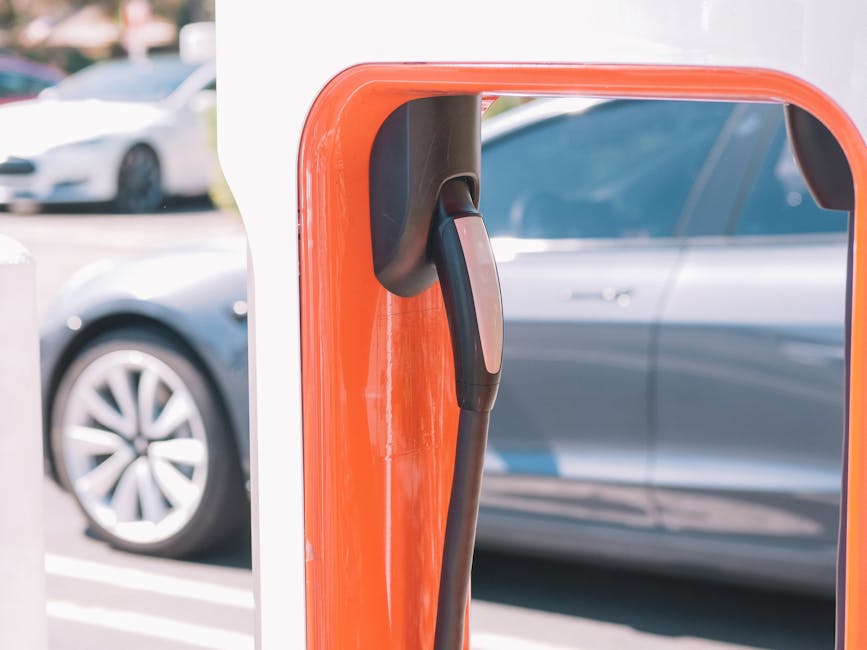
The Tesla Universal Wall Connector and Emporia EV charger are two distinct Level 2 home charging solutions with different strengths. The Tesla Universal Wall Connector delivers up to 11.5 kW of charging power and works with all EVs equipped with a standard SAE J1772 connector, making it truly universal despite its Tesla branding. The Emporia EV charger, by contrast, integrates seamlessly with Emporia’s energy monitoring ecosystem and emphasizes smart energy management through its companion app. The key takeaway: Tesla prioritizes raw charging speed and universal compatibility, while Emporia focuses on intelligent energy tracking and home integration. Tesla’s connector costs around $595 installed, while Emporia’s charger typically ranges from $399 to $499. Both offer 240-volt installation and hardwired configurations. The Tesla model features a sleek design and robust construction, whereas Emporia emphasizes data-driven charging optimization tied to your home’s real-time energy consumption. Your choice depends on whether you value maximum charging power and broader EV compatibility or prefer smart energy management features that align with whole-home monitoring. Understanding these differences helps you select the charger that best matches your household’s EV charging needs and smart home priorities in 2026.
How Do Charging Speeds Compare Between These Two Chargers?
Charging speed is a critical factor when selecting a home EV charger, and the Tesla Universal Wall Connector and Emporia EV charger deliver different performance levels. The Tesla Universal Wall Connector provides up to 11.5 kW of charging power, which translates to approximately 44 miles of range per hour for compatible vehicles. This makes it one of the fastest Level 2 chargers available for residential use. Most modern electric vehicles can accept this maximum power delivery, though actual charging rates depend on your vehicle’s onboard charger capacity and your electrical service.
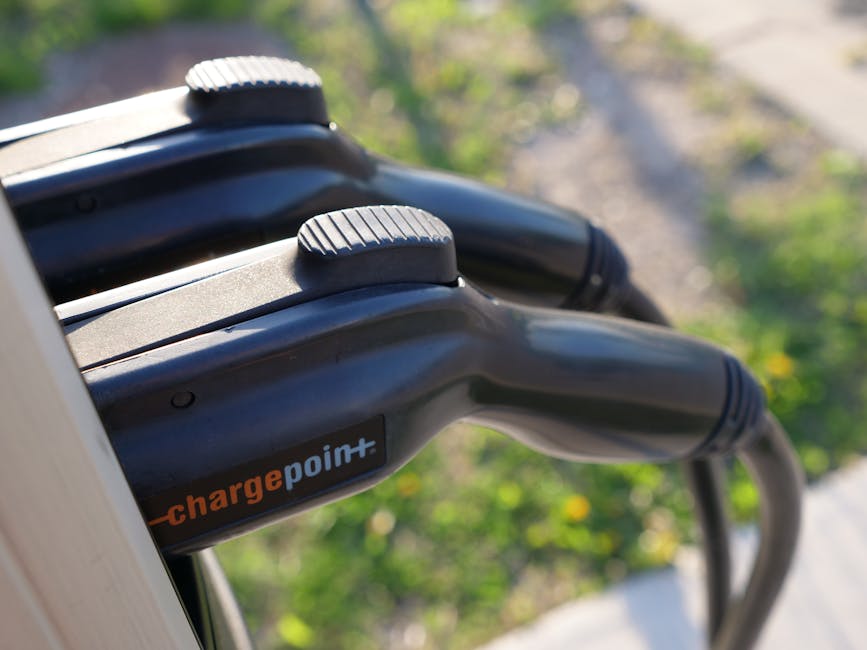
The Emporia EV charger typically delivers up to 9.6 kW of charging power, providing roughly 38 miles of range per hour. While slightly lower than Tesla’s offering, this speed remains excellent for overnight charging and daily use. For a vehicle with a 60 kWh battery, the Tesla connector would fully charge in approximately 5-6 hours, while the Emporia charger would require 6-7 hours under ideal conditions.
Real-world charging speeds depend on several factors: your home’s electrical panel capacity, the EV’s onboard charger specifications, ambient temperature, and battery state of charge. Cold weather can reduce efficiency by 10-20 percent. If you have a high-amperage electrical service (200 amps or more) and a compatible EV, the Tesla connector’s extra power becomes more noticeable. However, for most household scenarios where overnight charging is acceptable, both chargers provide sufficient speed. The Emporia charger’s smart features may actually optimize your charging to align with lower utility rates, potentially offsetting the slightly lower raw speed with cost savings.
What Are the Installation and Compatibility Considerations?
Installation requirements and vehicle compatibility are essential when choosing between these chargers. The Tesla Universal Wall Connector requires a dedicated 240-volt circuit with either 40-amp or 60-amp service, depending on your desired charging speed. Installation typically costs $500-$2,000 depending on your electrical panel’s proximity to your charging location and whether you need panel upgrades. Tesla recommends professional installation, and most jurisdictions require a licensed electrician for safety compliance. The connector itself measures approximately 7.5 inches wide and 5 inches deep, making it compact enough for most garage walls.
The Emporia EV charger has similar electrical requirements, needing a 240-volt dedicated circuit with 40-amp or 50-amp service. Installation costs are comparable, ranging from $500-$1,800 depending on your setup. Emporia’s charger is also compact and wall-mountable, with a slightly more minimalist aesthetic.
Vehicle Compatibility
The Tesla Universal Wall Connector works with all vehicles featuring the standard SAE J1772 connector, which includes all non-Tesla vehicles sold in North America and most Tesla vehicles with an adapter. This universal compatibility is a major advantage if you own multiple vehicles or plan to switch brands. Tesla vehicles can also use the connector with the appropriate adapter cable.
The Emporia EV charger similarly supports all SAE J1772-compatible vehicles, offering the same broad compatibility. Neither charger requires a specific vehicle brand, making both suitable for multi-car households with mixed EV brands. Both chargers include appropriate cables and connectors in their packages, though the Tesla connector offers optional cable management systems for additional cost.
How Do Smart Features and Energy Management Differ?
Smart home integration represents a significant differentiator between these two chargers. The Tesla Universal Wall Connector offers basic app control through the Tesla app, allowing you to monitor charging status, set charging schedules, and receive notifications. However, its smart features are relatively straightforward and don’t deeply integrate with broader home energy management. The connector provides real-time power consumption data within the Tesla app but lacks advanced optimization based on your home’s total energy usage.
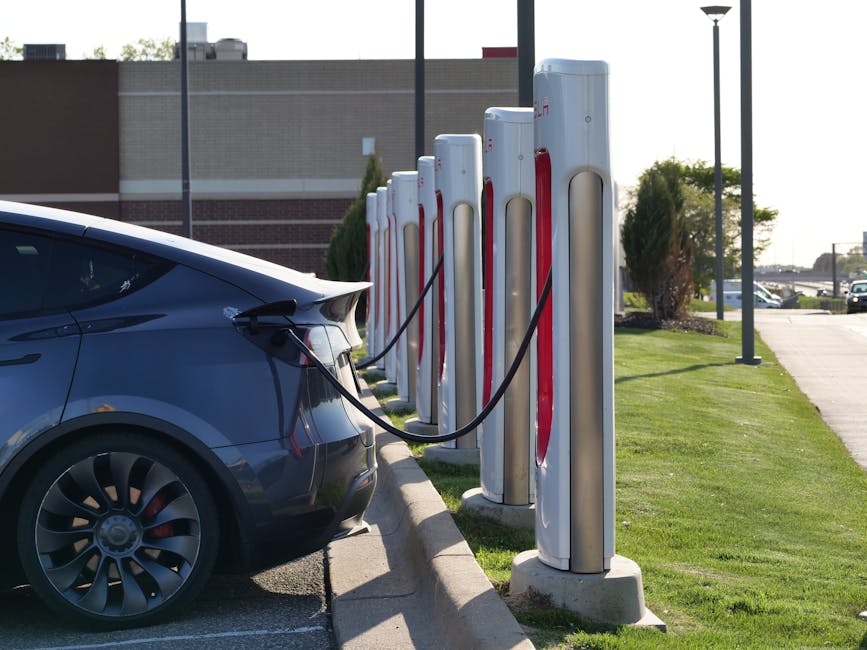
The Emporia EV charger excels in energy management sophistication. It integrates with Emporia’s Vue energy monitoring system, allowing you to see exactly how much power your EV charging consumes relative to your entire home’s energy usage. This integration enables intelligent charging optimization: the charger can automatically adjust charging speed based on real-time grid conditions, solar production if you have panels, or your home’s other electrical demands. If your household is running high-draw appliances, the Emporia system can reduce EV charging speed to prevent circuit overloads and maintain stable power distribution.
For homeowners with solar panels, the Emporia charger’s smart features become particularly valuable. It can prioritize charging when solar production peaks, maximizing self-consumption and reducing grid electricity purchases. The Tesla connector offers similar scheduling capabilities but lacks the granular, real-time optimization that Emporia provides through its energy monitoring ecosystem.
If you’re already using Emporia Vue for whole-home energy monitoring, selecting the Emporia EV charger creates a unified ecosystem where all your energy data flows through a single platform. This unified approach simplifies home energy management and provides comprehensive insights into your EV charging patterns.
How Do You Choose the Right EV Charger for Your Home?
Selecting between the Tesla Universal Wall Connector and Emporia EV charger requires evaluating your specific household needs, electrical infrastructure, and smart home priorities. Start by assessing your electrical panel capacity and current service level. Both chargers require 240-volt dedicated circuits, so you’ll need at least 40 amps available. If your home’s electrical panel is near capacity, you may need a service upgrade, which can cost $1,000-$3,000 and significantly impact your total installation budget. Contact a licensed electrician to evaluate your panel and provide an upgrade estimate if necessary.
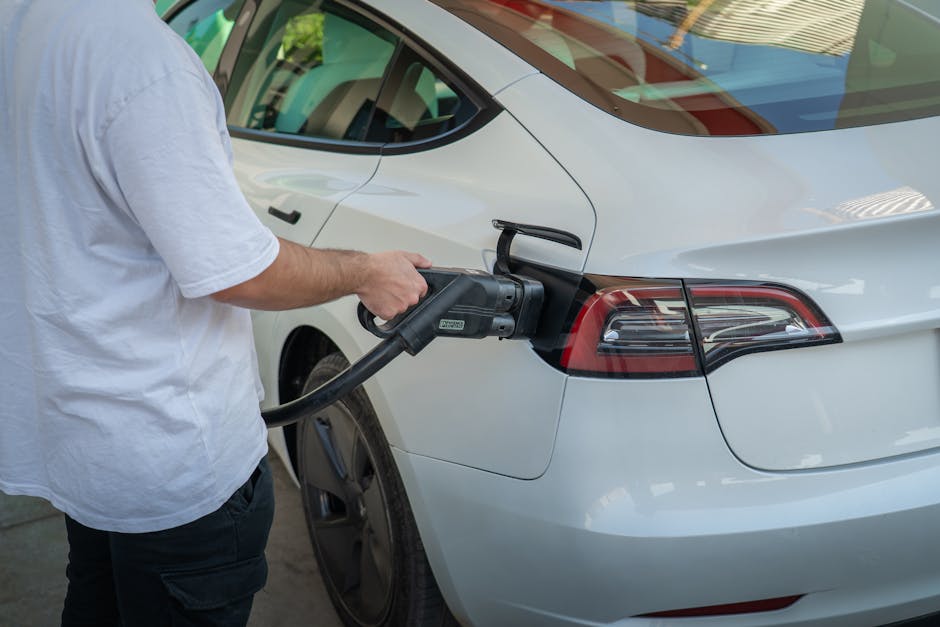
Consider your charging needs: If you drive fewer than 40 miles daily and charge overnight, both chargers provide adequate speed. The Tesla connector’s 11.5 kW advantage becomes meaningful only if you frequently need rapid charging during the day or have multiple EVs. Calculate your typical daily charging needs: most EV owners add 20-40 miles of range overnight, which both chargers accomplish efficiently.
Evaluate your smart home ecosystem: If you currently use or plan to implement smart electrical monitoring or home automation protocols, the Emporia charger offers superior integration. Emporia’s system works with popular smart home platforms and provides detailed energy insights. If you’re primarily focused on EV charging without broader home energy management, the Tesla connector’s simplicity and speed advantage may be preferable.
Factor in future flexibility: The Tesla connector’s universal compatibility means you’re not locked into the Tesla ecosystem. If you plan to own multiple EV brands or upgrade vehicles frequently, Tesla’s broader compatibility provides peace of mind. The Emporia charger is equally compatible with all SAE J1772 vehicles, so this isn’t a deciding factor unless you specifically value Tesla’s brand and ecosystem.
Calculate total cost of ownership: Compare installed prices in your area. The Tesla connector typically costs $595 plus installation ($500-$2,000), totaling $1,095-$2,595. The Emporia charger ranges $399-$499 plus similar installation costs, totaling $899-$2,499. If you already own an Emporia Vue monitor, the charger’s integration value increases significantly. Some utility companies offer rebates for EV charger installation; check your local programs before purchasing.
Assess warranty and support: Both manufacturers offer solid warranties. Tesla provides a 4-year warranty on the Universal Wall Connector. Emporia offers a 5-year warranty on its EV charger. Consider the company’s customer support reputation and local service availability. Tesla has extensive service infrastructure, while Emporia’s support is growing rapidly as their product adoption increases.
Plan for future upgrades: If you anticipate installing solar panels or upgrading your home’s electrical infrastructure, the Emporia charger’s smart optimization features may provide greater long-term value. The system’s ability to coordinate with solar production and maximize solar ROI becomes increasingly valuable as more homeowners adopt distributed energy resources.
What Are Common Installation Mistakes to Avoid?
Many homeowners make costly errors during EV charger installation. The most common mistake is attempting DIY installation without proper licensing. Both the Tesla Universal Wall Connector and Emporia EV charger require hardwired 240-volt installation, which must comply with local electrical codes and building permits. Improper installation can create fire hazards, void warranties, and result in failed inspections. Always hire a licensed electrician certified in your jurisdiction.
Underestimating electrical panel capacity is another frequent error. Homeowners assume their existing panel can handle a new 40-amp circuit without calculating total household demand. During peak usage times (morning showers, laundry, heating/cooling, and EV charging simultaneously), undersized panels can trip breakers repeatedly. Have an electrician perform a load calculation before installation to ensure your panel can safely handle the new charger alongside existing circuits.
Poor location selection creates long-term frustration. Placing your charger too far from your parking area means running longer cables and reduced convenience. Conversely, installing in direct sun without shade can reduce charger efficiency and lifespan. Choose a location that balances accessibility, weather protection, and cable management. Ensure the location allows for proper ventilation, as both chargers generate heat during operation.
Neglecting future needs is a costly oversight. If you might purchase a second EV, consider installing a second charger circuit during initial electrical work. Adding circuits later costs significantly more. Similarly, if you plan solar installation, discuss your timeline with your electrician so they can optimize your electrical setup for future solar integration and the smart features that Emporia’s charger excels at managing.
Ignoring utility rebates and incentives: Many utility companies offer $500-$2,000 rebates for EV charger installation. Some states provide additional tax credits. Research available programs before purchasing; some rebates require you to use approved charger models or licensed installers. Missing these deadlines can cost you thousands in lost incentives.
Frequently Asked Questions
Can I use the Tesla Universal Wall Connector with non-Tesla vehicles?
Yes, the Tesla Universal Wall Connector works with all vehicles equipped with the standard SAE J1772 connector, which includes all non-Tesla EVs sold in North America. The “universal” designation specifically refers to this broad compatibility. Tesla vehicles require an adapter cable to use the connector, which Tesla provides separately. This universal compatibility is a major advantage for multi-brand households.
Does the Emporia EV charger require an Emporia Vue monitor?
No, the Emporia EV charger functions independently without requiring an Emporia Vue monitor. However, integrating it with Vue significantly enhances its smart features, enabling real-time energy optimization and solar coordination. You can use the charger standalone with basic app controls, but you’ll miss the advanced energy management capabilities that make Emporia’s ecosystem valuable.
What is the warranty difference between these chargers?
The Tesla Universal Wall Connector includes a 4-year limited warranty covering defects in materials and workmanship. The Emporia EV charger offers a 5-year limited warranty with similar coverage. Both warranties are solid, though Emporia’s slightly longer coverage provides additional peace of mind. Check warranty terms carefully, as some coverage excludes damage from improper installation or environmental factors.
Which charger is better for homes with solar panels?
The Emporia EV charger is significantly better for solar homes because it integrates with Emporia Vue to optimize charging based on real-time solar production. It can automatically increase charging speed when solar output peaks and reduce charging when grid electricity is needed. The Tesla connector offers scheduling but lacks this granular, real-time solar optimization capability.
How much does installation cost for each charger?
Installation costs for both chargers typically range from $500-$2,000, depending on your electrical panel’s proximity to the charging location and whether panel upgrades are needed. The charger itself (Tesla: $595; Emporia: $399-$499) is a smaller portion of total cost. Request quotes from licensed electricians in your area for accurate pricing, as labor rates vary significantly by region.
Can both chargers adjust charging speed automatically?
The Tesla Universal Wall Connector allows manual scheduling and basic power management but doesn’t automatically adjust charging speed based on real-time home energy usage. The Emporia EV charger, when integrated with Emporia Vue, automatically adjusts charging speed based on your home’s total electrical demand and available capacity, providing intelligent optimization the Tesla connector lacks.
Is the Tesla Universal Wall Connector or Emporia EV Charger the Better Choice for Your Home?
Both the Tesla Universal Wall Connector and Emporia EV charger are excellent Level 2 home charging solutions in 2026, each excelling in different areas. The Tesla Universal Wall Connector prioritizes raw charging speed and simplicity, delivering 11.5 kW of power and straightforward app-based controls. It’s the better choice if you want maximum charging speed, prefer Tesla’s brand and ecosystem, and value a proven, widely-adopted product. The charger’s universal SAE J1772 compatibility ensures it works with any EV you might own, providing flexibility for multi-brand households.
The Emporia EV charger stands out for homeowners who prioritize smart energy management and whole-home integration. Its seamless connection with Emporia Vue enables intelligent charging optimization, solar production coordination, and detailed energy insights that align with modern smart home priorities. If you’re building a comprehensive home energy management system or plan to install solar panels, Emporia’s ecosystem provides superior value through intelligent automation and data-driven insights.
Your decision ultimately depends on your priorities: choose Tesla for maximum charging speed and simplicity, or choose Emporia for smart energy optimization and home integration. Both chargers offer reliable performance, solid warranties, and universal vehicle compatibility. Consider your electrical infrastructure, existing smart home ecosystem, future solar plans, and budget. If you’re already using Emporia Vue or similar energy monitoring systems, the Emporia charger creates a unified ecosystem that maximizes your home’s energy efficiency. Regardless of which you choose, you’re investing in convenient, efficient EV charging that will serve you well for years to come.








Write Your Review
No reviews yet. Be the first to share your experience!