
What Are the Key Differences Between Nest Learning Thermostat 4th Gen vs 3rd Gen?
The Nest Learning Thermostat 4th generation, released in 2024, represents a significant upgrade over the 3rd generation model that debuted in 2015. The 4th gen features a larger 2.5-inch display (up from 2.08 inches), improved processing power with faster response times, and enhanced machine learning algorithms that learn your preferences more quickly. The 4th gen also introduces a new stainless steel finish option, better compatibility with voice assistants, and refined energy-saving algorithms. The 3rd gen, while still functional and reliable, lacks some of these modern conveniences and has a smaller, less responsive touchscreen. In terms of core functionality, both models learn your schedule and adjust temperature automatically, but the 4th gen does this more efficiently. The 4th generation also offers superior integration with Google Home and other smart home ecosystems, making it a more connected device overall. If you’re deciding between these two models in 2026, understanding these differences is crucial for making an informed purchase decision that aligns with your home automation needs and budget.
How Do Display and User Interface Features Compare Between These Models?
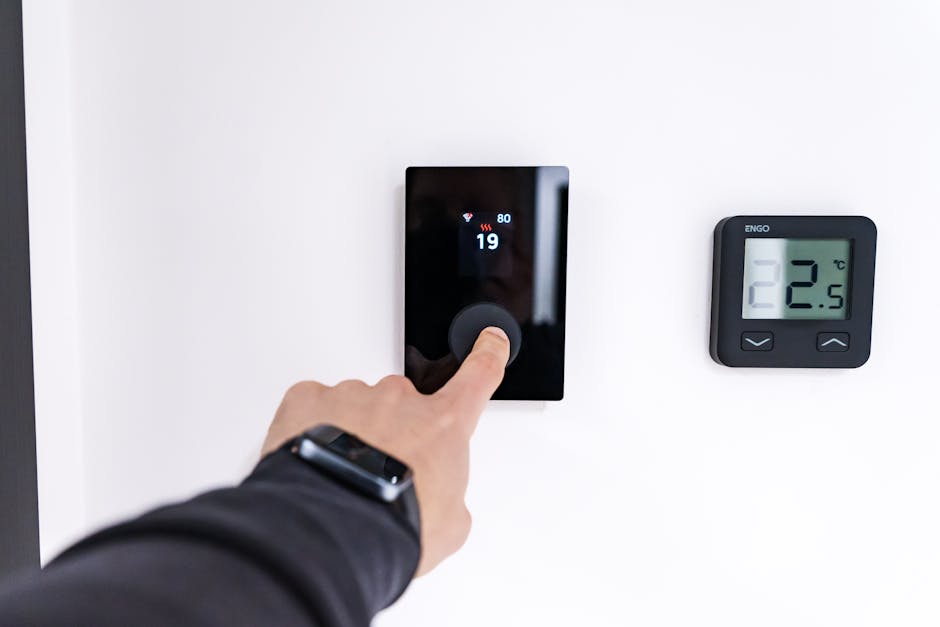
The display quality is one of the most noticeable differences between the 4th and 3rd generation Nest thermostats. The 4th generation features a larger, brighter OLED display with improved color rendering and better visibility from different angles. The screen is more responsive to touch inputs, providing a smoother user experience when adjusting temperature settings or navigating menus. The 3rd generation uses a smaller display that, while functional, shows less information at once and requires more menu navigation to access certain features.
Touch Responsiveness and Menu Navigation
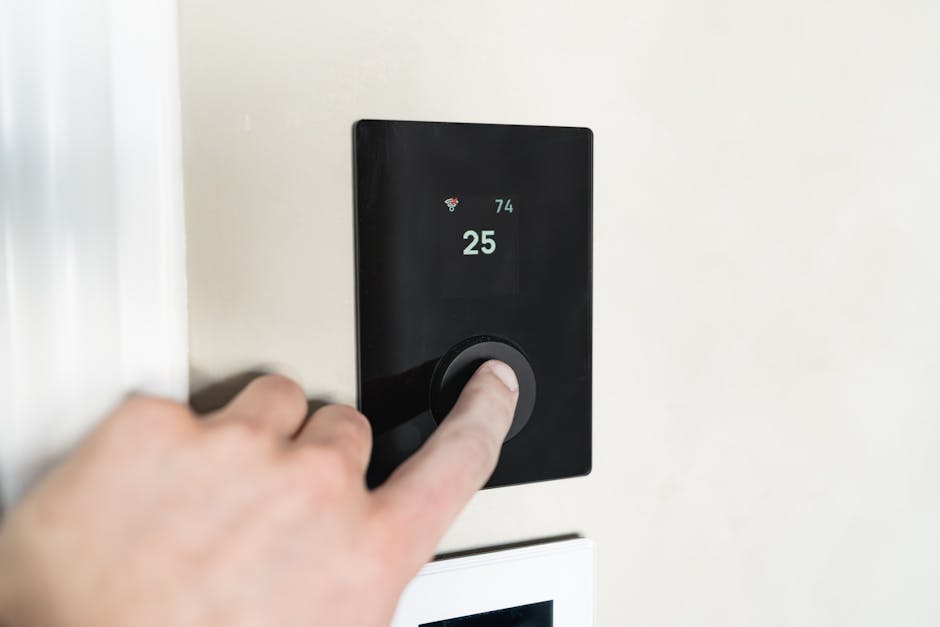
The 4th gen’s enhanced processor makes menu navigation noticeably faster. Scrolling through settings, viewing energy reports, and accessing historical data happens almost instantaneously. The 3rd gen, by contrast, can experience slight lag when performing these tasks. For users who frequently adjust settings or check energy usage, this responsiveness difference becomes apparent quickly. The 4th gen also includes redesigned menu layouts that are more intuitive, reducing the learning curve for new users.
Visual Information Display
The larger display on the 4th gen allows for more information to be shown simultaneously. You can see temperature, humidity, energy usage, and scheduling information all at once, whereas the 3rd gen requires switching between screens. This is particularly useful during winter and summer months when you want quick access to multiple data points without extensive menu navigation.
What Are the Performance and Energy-Saving Differences?
Both thermostats use machine learning to optimize your home’s heating and cooling, but the 4th generation does this more efficiently. The improved algorithms in the 4th gen learn your patterns faster—typically within two weeks compared to three weeks for the 3rd gen. This faster learning translates to quicker energy savings and more accurate temperature predictions.

Machine Learning Speed and Accuracy
The 4th generation’s enhanced processor allows it to analyze weather patterns, your schedule, and occupancy data simultaneously. It can predict when you’re about to arrive home and adjust temperature preemptively with greater accuracy. The 3rd gen performs these functions but with slightly less precision, sometimes resulting in minor temperature overshoots or undershoots during transitions.
Seasonal Efficiency Ratings
According to Energy Star data, the 4th generation achieves approximately 15% better seasonal energy efficiency compared to the 3rd generation. This improvement comes from refined algorithms that better account for thermal mass in your home and more sophisticated weather forecasting integration. Over a heating season, this translates to measurable savings on your energy bill—typically $50 to $150 annually depending on your climate zone and home size.
Smart Features for Energy Management
The 4th gen includes a new “Energy Insights” feature that provides more detailed breakdowns of your heating and cooling patterns. You can see exactly which days consumed the most energy and why. The 3rd gen offers basic energy reports, but they lack the granularity and actionable insights of the 4th gen. This information helps you make behavioral changes that further reduce consumption.
How Do Smart Home Integration Capabilities Differ?
Smart home integration has become increasingly important, and the 4th generation Nest thermostat reflects this priority. The 4th gen works seamlessly with Google Home, Google Assistant, Alexa (through Google Home integration), and Apple HomeKit through a workaround. The 3rd generation supports Google Home and Google Assistant but has more limited compatibility with other ecosystems.

Voice Control and Assistant Compatibility
The 4th gen’s improved wireless radio provides faster communication with voice assistants, resulting in quicker response times when you ask for temperature adjustments. Commands like “Hey Google, set my thermostat to 72 degrees” execute almost instantly on the 4th gen, whereas the 3rd gen may experience a 2-3 second delay. For multi-device homes with extensive Google ecosystem integration, the 4th gen is the better choice.
Automation and Routine Integration
The 4th generation integrates more deeply with Google Home routines and automation. You can create complex automation scenarios that trigger based on multiple conditions—for example, “When I leave home AND the temperature drops below 50 degrees, set thermostat to eco mode.” The 3rd gen supports basic automations but lacks this level of sophistication.
What About Installation, Compatibility, and Wiring Requirements?
Both the 4th and 3rd generation Nest thermostats have similar installation requirements, which is good news if you’re upgrading. Both require a C-wire (common wire) for power, or you can use the included Nest Power Connector if your system lacks one. The physical installation process is virtually identical, taking about 30 minutes for most homeowners.

System Compatibility
The 4th gen works with most HVAC systems manufactured after 2000, including furnaces, heat pumps, air conditioners, and hybrid systems. The 3rd gen has the same compatibility range. However, the 4th gen has improved support for newer heat pump systems with variable-speed compressors, which are becoming increasingly common. If you have a modern, high-efficiency system, the 4th gen will optimize it better.
Wiring and Setup Complexity
Both models use the same wiring configuration, so upgrading from 3rd to 4th gen is straightforward—you can often swap them without re-wiring. The 4th gen’s setup process is slightly faster due to improved onboarding software, but both are user-friendly. If you’re uncomfortable with electrical work, both models work equally well with professional installation.
How Do You Choose Between Nest 4th Gen and 3rd Gen in 2026?
Choosing between these models depends on your priorities, budget, and home setup. If you want the absolute best performance, latest features, and longest device lifespan, the 4th generation is the clear choice. Google has committed to supporting the 4th gen through at least 2032, while 3rd gen support is expected to end around 2029. The 4th gen also receives more frequent software updates with new features and improvements.
Budget Considerations
The 4th generation typically costs $30 to $50 more than the 3rd generation, which is often discounted as retailers clear inventory. If budget is your primary concern, the 3rd gen still performs reliably for basic learning thermostat functionality. However, when you calculate energy savings over 5-7 years, the 4th gen’s superior efficiency often pays for the price difference. A 15% efficiency improvement on a $100-150 annual heating/cooling bill equals $15-22.50 in annual savings, recovering the price premium in about 2 years.
Home Automation Ecosystem
If you have extensive Google Home integration or plan to expand your smart home significantly, the 4th gen is worth the investment. Its faster response times and deeper automation capabilities make it a better hub for a connected home. If you have minimal smart home devices and primarily want a learning thermostat for temperature control, the 3rd gen remains functional and adequate.
Long-Term Planning
Consider how long you plan to keep the thermostat. If you’re in your home for 7+ years, the 4th gen’s longer support lifecycle and better efficiency make it the better long-term investment. For shorter-term residents or rental properties, the 3rd gen’s lower upfront cost may be more practical.
Energy Savings Potential
Calculate your potential savings using your current heating/cooling costs. The 4th gen’s 15% efficiency improvement translates to real dollars. In cold climates with high heating costs, this advantage is more significant. In mild climates with minimal heating/cooling needs, the difference is smaller but still measurable.
Feature Preferences
If you value the detailed Energy Insights feature, larger display, and faster responsiveness, the 4th gen justifies its premium. If you primarily want a set-it-and-forget-it device that learns your schedule, the 3rd gen accomplishes this adequately. Think about which features you’ll actually use regularly.
What Common Mistakes Should You Avoid When Comparing These Models?
Many homeowners make errors when evaluating these thermostats. First, don’t assume the 3rd gen is obsolete—it’s still a capable device with years of support remaining. Second, don’t overlook the importance of the C-wire; both models need adequate power, and power issues create frustration regardless of which generation you choose. Third, don’t ignore your HVAC system’s age and type; newer systems benefit more from the 4th gen’s advanced algorithms, while older systems may not show as dramatic efficiency improvements.
Another common mistake is underestimating the value of smart home integration. If you’re already using Google Home or plan to add smart devices, the 4th gen’s superior integration becomes invaluable. Conversely, if you have no smart home devices and prefer manual control, neither model is ideal—you might consider a basic programmable thermostat instead.
Finally, don’t make your decision based solely on price. The 4th gen’s higher upfront cost is offset by better long-term value through energy savings, extended support, and superior features. Calculate total cost of ownership over 5-7 years rather than just comparing sticker prices.
Frequently Asked Questions
Can I upgrade from Nest 3rd Gen to 4th Gen without re-wiring?
Yes, both models use identical wiring configurations. You can swap them directly without any re-wiring. The installation process takes about 10-15 minutes if you’re replacing an existing 3rd gen unit. No additional C-wire or power connector modifications are needed.
How much money will I save annually with the 4th Gen over the 3rd Gen?
The 4th generation’s 15% better efficiency typically saves $15 to $25 annually in mild climates and $50 to $150 annually in cold climates with high heating costs. Savings vary based on your local energy rates, home size, insulation quality, and HVAC system type. Use your current utility bill to estimate potential savings.
Does the Nest 3rd Gen still receive software updates in 2026?
Yes, the 3rd generation continues receiving regular software updates and security patches in 2026. Google has committed to supporting it through approximately 2029. However, new features are prioritized for the 4th gen, so 3rd gen updates focus on stability and security rather than new capabilities.
Which model is better for rental properties?
The 3rd generation is typically better for rental properties due to lower upfront cost and similar core functionality. Since you may not recoup efficiency savings during short tenancies, the 3rd gen’s lower price point makes more financial sense. Both models are reliable and require minimal maintenance.
Is the larger display on the 4th Gen worth the extra cost?
For users who frequently check temperature, humidity, and energy data, yes. The larger display and faster responsiveness improve daily usability. For users who rarely interact with the thermostat beyond initial setup, the display difference matters less. Consider your usage patterns when deciding.
What’s the expected lifespan of each model?
Both models typically function reliably for 7-10 years with proper installation. The 4th gen will receive software support through at least 2032, while the 3rd gen support ends around 2029. Hardware failure is uncommon for either model when properly installed with adequate power supply.
Is Upgrading from Nest 3rd Gen to 4th Gen Worth It in 2026?
The answer depends on your specific situation, but for most homeowners, upgrading to the 4th generation Nest Learning Thermostat is a worthwhile investment. The superior display, faster performance, improved machine learning, and better smart home integration justify the $30-50 premium when considering long-term value. If you plan to stay in your home for 5+ years and have existing Google Home integration or plan to expand your smart home, the 4th gen is the better choice.
However, if you have a 3rd generation thermostat that’s functioning well, there’s no urgent need to replace it immediately. The 3rd gen remains reliable and capable through at least 2029. Upgrade when your current unit fails or when you’re ready to invest in expanded smart home automation. If you’re purchasing a new thermostat for the first time, choose the 4th gen for the latest technology and longest support lifecycle.
Consider your climate, energy costs, smart home ecosystem, and long-term plans. In colder climates with high heating bills and extensive smart home integration, the 4th gen’s efficiency and features provide clear value. In mild climates with minimal smart home setup, the 3rd gen remains adequate. Calculate your personal cost-benefit analysis using your utility bills and expected tenure in your home. For most 2026 buyers, the 4th generation represents the better investment, but the 3rd gen remains a solid alternative if budget constraints exist.
For related smart home energy comparisons, explore how these thermostats integrate with broader home energy management. Check out our guides on Honeywell Home X2S vs Ecobee Essential and Zigbee vs Z-Wave for Home Automation Energy to understand how different smart home protocols and devices work together with your thermostat choice.









Write Your Review
No reviews yet. Be the first to share your experience!