
What Is the Difference Between a Smart Home and a Regular Home?
Quick Answer: A smart home uses interconnected devices and automation systems to control lighting, temperature, security, and appliances remotely via smartphone or voice commands. Regular homes rely on manual operation of individual systems. Smart homes offer energy savings of 10-23 percent, enhanced security monitoring, and convenience features like automated schedules. The main trade-offs are higher upfront costs, technical complexity, and ongoing software maintenance. In 2026, smart home adoption has reached mainstream status, with over 60 percent of new homes including at least basic automation features.
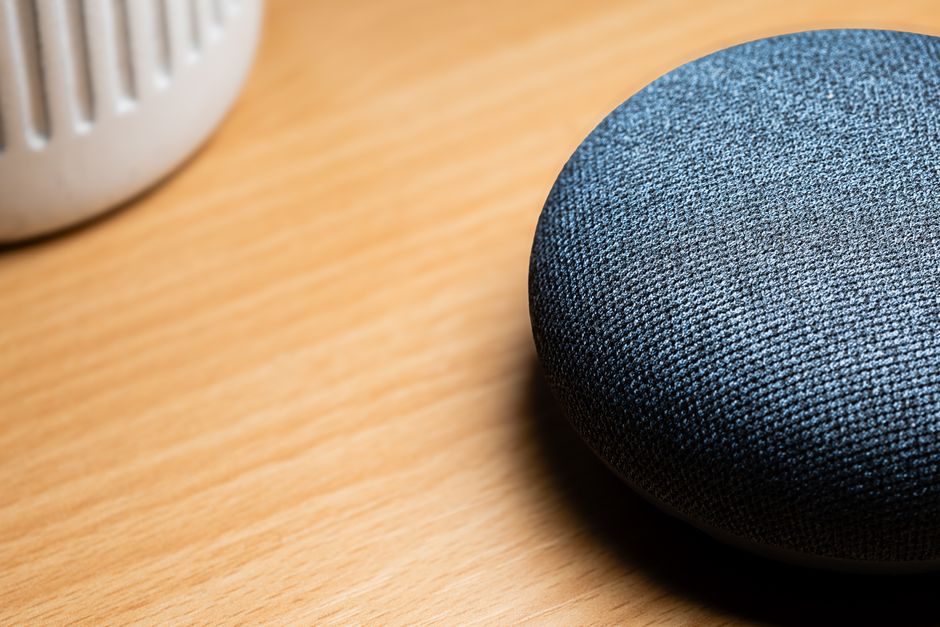
The distinction between smart and regular homes has become increasingly important as technology advances and energy costs rise. Smart homes integrate various systems—HVAC, lighting, security, and appliances—into a unified ecosystem. Regular homes operate each system independently without centralized control or automation. This fundamental difference shapes everything from daily convenience to monthly utility bills and long-term property value.
How Does Automation Differ Between Smart and Regular Homes?
Automation is the core distinction separating smart homes from traditional residences. Smart homes use programmable systems that respond to schedules, environmental conditions, and user commands without manual intervention. Regular homes require occupants to physically operate switches, thermostats, and appliances or use separate remote controls for each device.
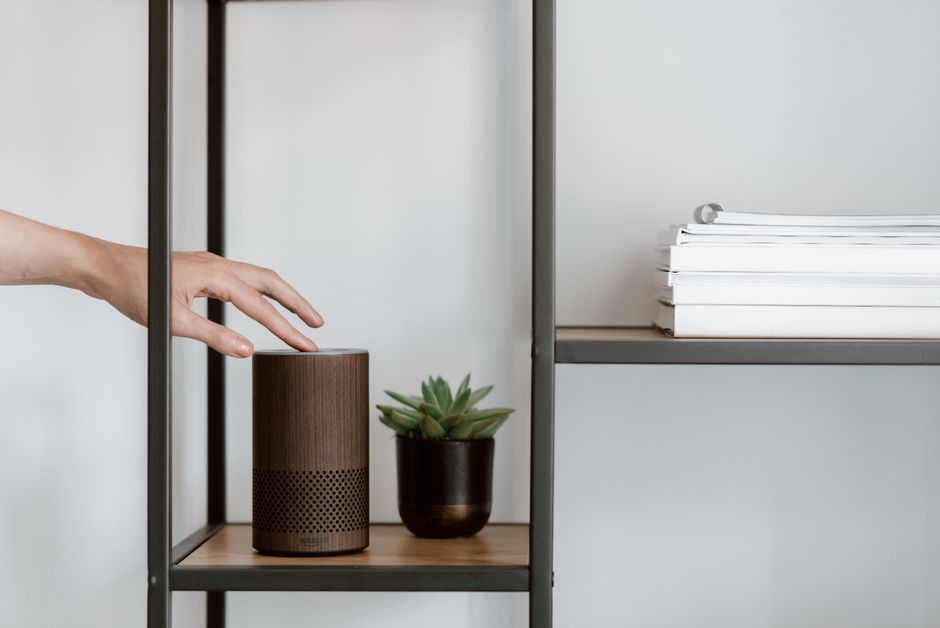
In a smart home, you might wake up to lights gradually brightening, the thermostat adjusting to your preferred temperature, and coffee brewing—all triggered by a single alarm. Regular homes demand you manually adjust each element. Smart automation learns patterns over time, optimizing energy use based on your behavior and preferences.
Core Automation Features in Smart Homes
- Scheduled lighting that turns on and off at preset times or based on sunset.
- Smart thermostats that learn your temperature preferences and adjust automatically.
- Voice control integration with Alexa, Google Assistant, or Siri for hands-free operation.
- Geofencing that triggers actions when you arrive or leave your home.
- Automated security systems that arm and disarm based on occupancy.
- Appliance control allowing remote operation of washers, dryers, and ovens.
Key Takeaway: Smart home automation eliminates repetitive manual tasks and optimizes energy use through intelligent scheduling and learning algorithms.
What Are the Energy Efficiency Advantages of Smart Homes?
Smart homes significantly reduce energy consumption compared to regular homes. Intelligent thermostats like the Ecobee Smart Thermostat Premium versus Nest Gen 4 can reduce heating and cooling costs by 10-15 percent. Smart lighting systems eliminate wasted electricity by automatically turning off lights in unoccupied rooms. Real-time energy monitoring helps homeowners identify consumption patterns and reduce waste.
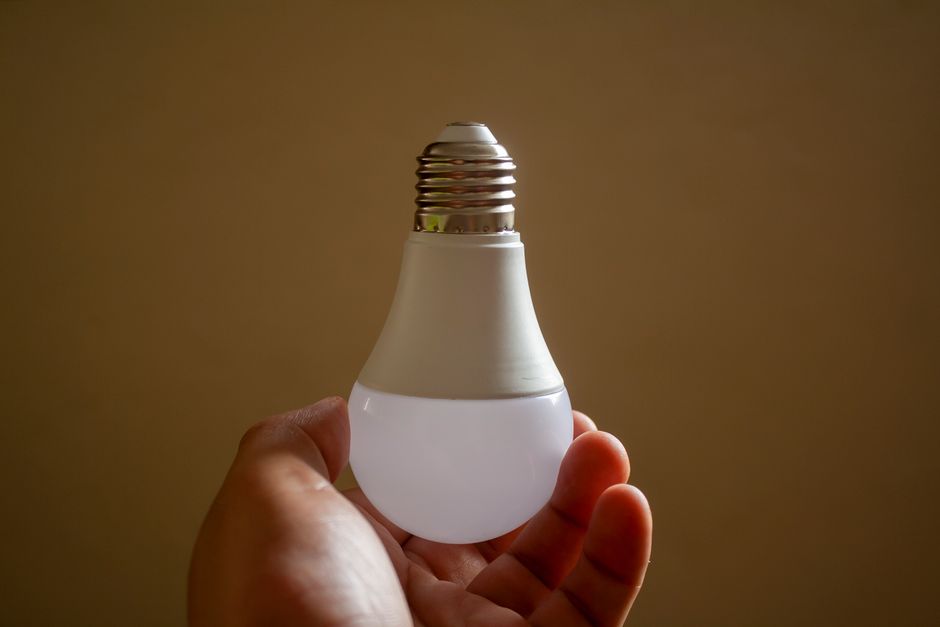
Regular homes lack these optimization tools. You must manually remember to adjust the thermostat, switch off lights, and manage appliance usage. Energy monitoring requires separate utility bills and manual calculation—no real-time feedback on consumption patterns. Over a decade, smart home energy savings can total thousands of dollars.
Energy Management Systems in Smart Homes
- Smart meters provide real-time energy consumption data visible on your phone.
- Automated demand response adjusts usage during peak-rate hours to reduce bills.
- Integration with renewable energy systems like solar panels optimizes power generation and storage.
- Smart plugs monitor individual appliance consumption and cut power to devices on standby.
- Occupancy sensors ensure heating and cooling only run in actively used spaces.
Energy monitoring devices like Eyedro versus Emporia Vue versus Sense Monitor provide detailed circuit-level insights. These tools help identify which appliances consume the most energy, enabling targeted efficiency improvements. Regular homes cannot access this granular data without expensive professional energy audits.
Key Takeaway: Smart homes reduce energy consumption by 10-23 percent through automated optimization and real-time monitoring capabilities unavailable in regular homes.
How Does Security Compare Between Smart and Regular Homes?
Security represents one of the most compelling reasons homeowners upgrade to smart systems. Smart homes offer remote monitoring, instant alerts, and integrated access control that regular homes cannot match. You can view live camera feeds, unlock doors remotely, and receive notifications of suspicious activity from anywhere in the world via your smartphone.
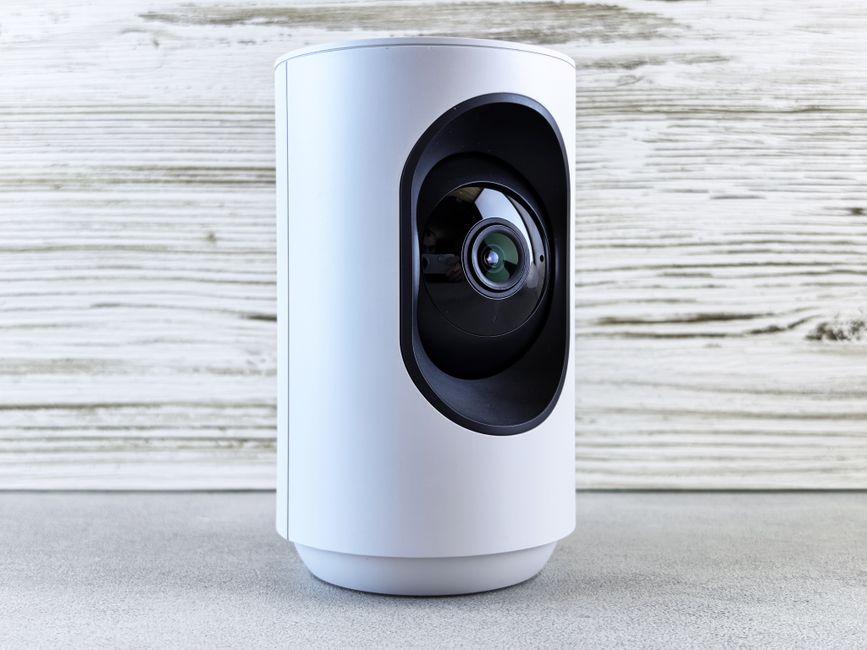
Regular homes rely on traditional locks, deadbolts, and separate alarm systems. If you forget to lock a door, you cannot secure it remotely. Security monitoring requires professional monitoring services with monthly fees. No real-time alerts notify you of intrusions or unusual activity until after an incident occurs.
Smart Home Security Capabilities
- Smart locks enable keyless entry and remote access control for family members and guests.
- Video doorbells capture footage of all visitors and potential threats in real-time.
- Integrated security systems arm automatically when you leave and disarm upon arrival.
- Motion sensors trigger alerts and recording when movement is detected outside business hours.
- Smart lighting simulates occupancy by turning lights on and off in random patterns when away.
- Integration with emergency services enables automatic police dispatch during break-ins.
Smart home security systems can detect and respond to threats faster than traditional systems. Automated lighting and lock activation can deter burglars before they attempt entry. Integration with professional monitoring services provides 24/7 response capabilities at lower costs than traditional alarm systems.
Key Takeaway: Smart homes provide real-time remote monitoring, instant alerts, and automated threat response that regular homes cannot achieve with traditional security systems.
What Are the Cost Implications of Smart Homes Versus Regular Homes?
Initial installation costs represent the primary barrier to smart home adoption. A basic smart home setup with intelligent thermostat, smart lights, and security camera costs $1,500-$3,000. Comprehensive systems with full home automation, solar integration, and advanced monitoring can exceed $10,000. Regular homes have minimal technology costs beyond standard construction.

However, long-term savings offset initial investments. Smart homes reduce energy bills by $100-$200 monthly for average households. Security system costs decrease by 20-30 percent compared to traditional monitoring services. Property values increase 3-5 percent with smart home features, providing resale equity. Over 10 years, total savings typically exceed upfront installation costs.
Cost Breakdown: Smart Home vs Regular Home
- Smart thermostat: $250-$500 with 10-15% annual heating/cooling savings.
- Smart lighting system: $300-$800 with 15-20% lighting energy reduction.
- Smart security system: $400-$1,200 with 20-30% monitoring cost savings.
- Energy monitoring devices: $200-$400 for detailed consumption insights.
- Installation labor: $500-$2,000 depending on system complexity.
- Monthly subscriptions: $10-$30 for cloud storage and professional monitoring.
Smart thermostats like the Nest Learning Thermostat 4th Gen versus 3rd Gen pay for themselves within 1-2 years through energy savings. Additional devices extend payback periods but compound savings over time. Regular homes have no equipment costs but miss out on efficiency gains and property value appreciation.
Key Takeaway: Smart homes cost more upfront but deliver 10-year savings exceeding $15,000 through energy efficiency, reduced security monitoring fees, and increased property value.
How Do Smart Homes Improve Daily Convenience and Lifestyle?
Beyond efficiency and security, smart homes dramatically enhance daily convenience and quality of life. Voice commands eliminate the need to manually control dozens of devices. Customizable scenes create preset environments—”movie mode” dims lights and closes blinds, “good morning” adjusts temperature and opens curtains. Automation handles routine tasks, freeing time for more meaningful activities.
Regular homes lack these convenience features. You manage each system separately, creating friction in daily routines. Adjusting temperature, lights, and appliances requires multiple interactions throughout the day. Guests cannot easily access doors or adjust settings without manual assistance or separate instructions.
Lifestyle Benefits of Smart Home Technology
- Voice control operates lights, temperature, and entertainment systems hands-free.
- Customizable scenes activate multiple devices with a single command or tap.
- Remote access allows controlling your home from work, vacation, or anywhere globally.
- Automatic schedules eliminate remembering to adjust settings for different times of day.
- Integration with smart appliances enables remote cooking, laundry, and dishwashing.
- Health monitoring features track air quality, humidity, and temperature for wellness.
Smart homes become increasingly intuitive over time as automation systems learn your preferences and patterns. Routines adapt to seasonal changes, occupancy, and lifestyle shifts without manual reprogramming. Regular homes remain static, requiring constant manual adjustment as circumstances change.
Key Takeaway: Smart homes eliminate repetitive manual tasks and provide convenient remote control, creating more comfortable and responsive living environments.
What About Connectivity and Protocol Standards?
Smart homes rely on wireless protocols to communicate between devices. The most common standards in 2026 are Zigbee versus Z-Wave for home automation, alongside Wi-Fi and Bluetooth. These protocols enable devices from different manufacturers to work together in a unified ecosystem. Regular homes have no connectivity infrastructure, making future automation retrofits more complex.
Protocol selection affects compatibility, range, power consumption, and reliability. Z-Wave operates on a dedicated frequency with excellent range and battery efficiency. Zigbee offers lower costs and broader device availability. Wi-Fi provides maximum speed but consumes more power. Understanding protocol differences helps ensure your smart home remains functional and future-proof as technology evolves.
Wireless Protocol Comparison
- Z-Wave: 900 MHz frequency, excellent range, low power consumption, $15-$50 per device.
- Zigbee: 2.4 GHz frequency, lower costs, broad manufacturer support, mesh network capability.
- Wi-Fi: Fast data transfer, universal compatibility, higher power consumption, interference risk.
- Bluetooth: Short range, low power, best for wearables and personal devices.
- Matter protocol: 2026 standard enabling cross-platform device compatibility and future-proofing.
Key Takeaway: Smart homes use wireless protocols enabling device interoperability, while regular homes lack connectivity infrastructure for future automation upgrades.
What Maintenance and Technical Challenges Should You Consider?
Smart homes require ongoing technical maintenance that regular homes avoid. Software updates, security patches, and firmware upgrades demand regular attention. Device compatibility issues can arise when updating individual components. Network problems may disable entire systems if your internet connection fails. Technical troubleshooting requires problem-solving skills or professional support calls.
Regular homes have minimal maintenance beyond HVAC servicing and general repairs. No software updates, no compatibility concerns, and no network dependencies. The trade-off is accepting manual operation and missing efficiency benefits. For technically inclined homeowners, smart home complexity is manageable. Non-technical users may find the learning curve frustrating.
Smart Home Maintenance Considerations
- Monthly software updates ensure security and add new features to devices.
- Battery replacement in wireless sensors and smart locks occurs annually or bi-annually.
- Network optimization prevents interference and maintains reliable device communication.
- Password and authentication management protects against unauthorized access.
- Integration testing after updates confirms all devices remain compatible.
- Backup systems ensure critical functions work during internet outages.
Cybersecurity represents a genuine concern with smart homes. Connected devices create entry points for hackers if not properly secured. Regular password changes, two-factor authentication, and network segmentation reduce risks. Regular homes eliminate these security concerns but sacrifice modern convenience and efficiency benefits.
Key Takeaway: Smart homes require ongoing technical maintenance and cybersecurity vigilance, while regular homes offer simplicity at the cost of efficiency and convenience.
How Do Smart Homes Integrate With Renewable Energy Systems?
Smart homes excel at integrating renewable energy sources like solar panels. Smart energy management systems optimize power generation, storage, and consumption in real-time. During peak solar production, smart systems prioritize charging batteries or running high-consumption appliances. During evening hours, stored energy powers your home efficiently. Tesla Powerwall versus Enphase Battery systems demonstrate how smart integration maximizes renewable energy benefits.
Regular homes cannot optimize renewable energy integration. Solar panels generate power, but without smart management, excess energy exports to the grid without compensation. Stored energy cannot be intelligently distributed based on consumption patterns. Solar ROI in California versus Florida 2026 shows that smart integration increases returns by 15-25 percent compared to basic solar installations.
Smart Energy Integration Features
- Real-time monitoring tracks solar generation and battery charge levels continuously.
- Automated load shifting runs appliances during peak generation hours.
- Smart charging optimizes EV charging based on solar production and electricity rates.
- Grid interaction sells excess power back to utilities at peak-rate hours.
- Backup prioritization ensures critical circuits power first during outages.
- Predictive algorithms forecast weather and adjust consumption accordingly.
Smart electrical panels like those compared in smart electrical panels versus traditional breaker boxes enable circuit-level control and monitoring. This granular control maximizes renewable energy utilization and accelerates payback periods. Regular homes with traditional breaker boxes cannot achieve this level of energy optimization.
Key Takeaway: Smart homes maximize renewable energy benefits through real-time optimization, while regular homes cannot efficiently integrate solar and battery systems.
What Is the Environmental Impact of Smart Homes?
Smart homes significantly reduce environmental impact through energy efficiency and renewable energy integration. Lower energy consumption means reduced carbon emissions from power generation. Optimized heating and cooling prevents wasted resources. Smart irrigation systems reduce water waste in landscaping. Over a 30-year lifespan, a smart home prevents 50-100 tons of carbon dioxide emissions compared to regular homes.
Manufacturing smart devices does create environmental costs through resource extraction and production. However, energy savings over the device lifespan far exceed manufacturing impacts. Smart homes support broader sustainability goals by enabling grid stability through demand response and renewable integration. Regular homes contribute to unnecessary energy waste and carbon emissions without these environmental benefits.
Key Takeaway: Smart homes reduce lifetime carbon emissions by 50-100 tons through energy efficiency and renewable integration, outweighing manufacturing environmental costs.
How Should You Choose Between Upgrading to a Smart Home or Staying Traditional?
Your decision depends on several personal factors: technical comfort level, budget, long-term plans, and lifestyle priorities. If you plan to stay in your home 10+ years, smart home upgrades deliver strong financial returns. Technically inclined homeowners enjoy managing complex systems. Those seeking maximum convenience and energy savings benefit significantly from smart automation.
Conversely, if you prefer simplicity, plan to move within 5 years, or lack technical interest, regular homes may suit you better. Short ownership periods reduce payback periods for expensive smart systems. Some people genuinely prefer manual control and minimal technology dependence. There is no universally correct answer—only the right choice for your circumstances.
Upgrade Decision Framework
- Start with one smart device (thermostat) to test comfort with automation technology.
- Choose popular brands and protocols (Zigbee, Z-Wave) ensuring broad device compatibility.
- Prioritize energy-saving devices first (thermostats, lighting) for fastest financial returns.
- Plan for scalability—select platforms supporting future expansion without major changes.
- Budget 10-15% above estimated costs for unexpected installation challenges.
- Verify internet reliability before committing to smart home systems.
- Research professional installation versus DIY based on technical comfort level.
Hybrid approaches work well for many homeowners. Install smart thermostats and lighting immediately, then add security and energy monitoring gradually. This staged approach spreads costs over time while allowing you to learn system management incrementally. Start small, test your comfort level, then expand based on real-world experience.
Key Takeaway: Begin with a single smart device to test your comfort level, then expand gradually based on financial returns and personal satisfaction.
What Does the Future Hold for Smart Homes in 2026 and Beyond?
Smart home technology continues advancing rapidly in 2026. Artificial intelligence becomes increasingly sophisticated, learning household patterns and predicting needs. Voice assistants understand context better, requiring fewer explicit commands. Device compatibility improves through universal standards like Matter, eliminating ecosystem lock-in concerns. Energy management integration with electric vehicles and home backup power systems becomes standard.
Affordability continues declining as smart device manufacturing scales. Entry-level smart home systems now cost under $500, making adoption accessible to middle-income households. Rental properties increasingly include smart features, normalizing the technology. Government incentives for energy efficiency encourage smart home adoption. By 2030, smart homes may become the default rather than premium option.
Key Takeaway: Smart home technology becomes increasingly affordable, intelligent, and integrated with renewable energy systems, positioning smart homes as the future standard.
Frequently Asked Questions
What is the average cost to convert a regular home to a smart home?
Basic smart home conversion costs $1,500-$3,000 for thermostat, lighting, and security camera. Comprehensive systems with full automation and energy monitoring range from $5,000-$10,000. Professional installation adds $500-$2,000. Costs vary significantly based on home size, existing infrastructure, and desired features. Staged upgrades spread costs over time while reducing financial risk.
Do smart homes work without internet connection?
Some smart home functions work locally without internet—local voice commands, basic automation, and device-to-device communication via Zigbee or Z-Wave. However, remote access, cloud storage, and advanced features require internet connectivity. Backup systems ensure critical functions like security and heating operate during outages. Most smart homes need reliable internet for full functionality.
Are smart homes more secure than regular homes?
Smart homes offer superior security monitoring and remote control capabilities. However, they introduce cybersecurity risks if not properly configured. Strong passwords, two-factor authentication, regular updates, and network segmentation mitigate hacking risks. Regular homes lack remote monitoring but eliminate digital security vulnerabilities. Overall, properly configured smart homes provide better security than traditional homes.
Can I add smart home features to an older house?
Yes, most smart home devices install without major renovations. Wireless protocols eliminate extensive rewiring. Smart plugs, wireless switches, and battery-powered sensors work in any home. Retrofitting older homes may require additional wireless hubs or mesh network equipment to ensure reliable coverage. Consultation with smart home professionals helps identify optimal installation approaches.
What happens if my smart home system fails?
Most smart home systems include manual overrides allowing traditional operation during failures. Smart locks have physical keys, smart thermostats have manual controls, and smart lights have physical switches. Critical systems like heating and security should have backup power sources. Internet outages disable remote access but don’t prevent local device operation.
How much can I save with a smart home?
Average smart home energy savings range from $100-$200 monthly, totaling $1,200-$2,400 annually. Security monitoring costs decrease 20-30 percent. Over 10 years, total savings typically reach $15,000-$25,000 when including energy, security, and property value appreciation benefits. Individual savings vary based on climate, current energy consumption, and system configuration.
Is Upgrading to a Smart Home Worth It in 2026?
Smart homes represent a significant investment that delivers compelling returns for most homeowners. Energy savings, enhanced security, improved convenience, and increased property value justify upfront costs for those planning to stay long-term. Technology has matured sufficiently that compatibility and reliability concerns have largely resolved. Affordability has reached levels making smart homes accessible to middle-income households, not just luxury properties.
The decision ultimately depends on your circumstances, technical comfort, and lifestyle priorities. Those seeking maximum efficiency, remote control capability, and modern convenience should upgrade immediately. People preferring simplicity, planning to relocate soon, or lacking technical interest may find regular homes adequate. Consider starting with a single smart device to test comfort before committing to comprehensive systems.
By 2026, smart homes have transitioned from novelty to practical technology offering measurable benefits. The question is no longer whether smart homes are worthwhile, but when and how extensively you should adopt them. Beginning with energy-saving devices like thermostats and lighting provides immediate returns while you learn system management. Expanding gradually reduces financial risk and allows informed decisions about additional features. Smart homes represent the future of residential living—the only question is when you choose to join the transition.







Write Your Review
No reviews yet. Be the first to share your experience!