

What Is a Robot Vacuum Brush Roll and Why Does It Need Cleaning?
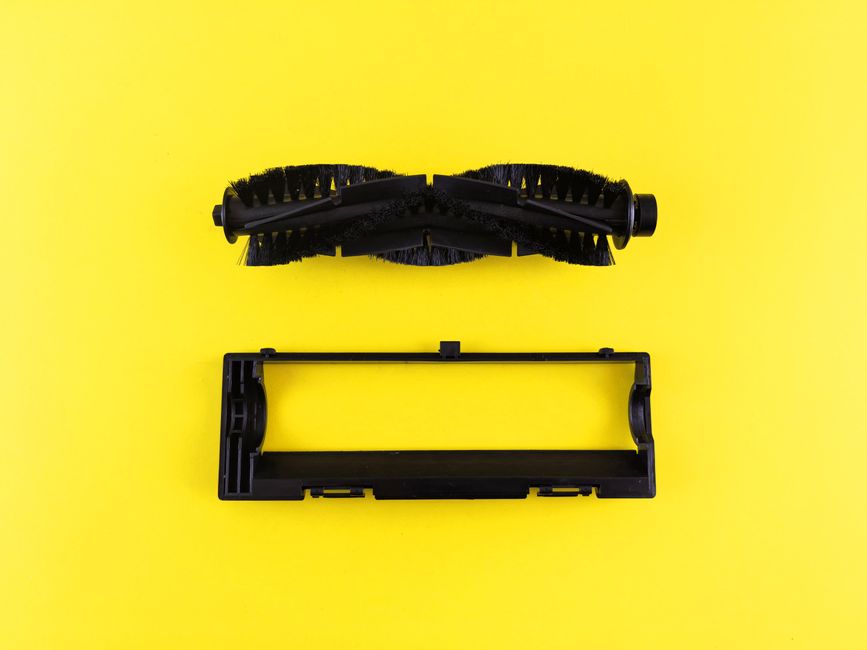
A robot vacuum brush roll is the rotating cylindrical component that agitates and lifts dirt, dust, and debris from your floors. It works by spinning rapidly to loosen particles before they’re suctioned into the dustbin. Over time, hair, pet fur, and fibers wrap tightly around the brush, reducing its effectiveness and potentially damaging the motor. Regular cleaning ensures optimal performance and extends your vacuum’s lifespan significantly. Most manufacturers recommend cleaning the brush roll every two to four weeks, depending on household conditions and pet presence.
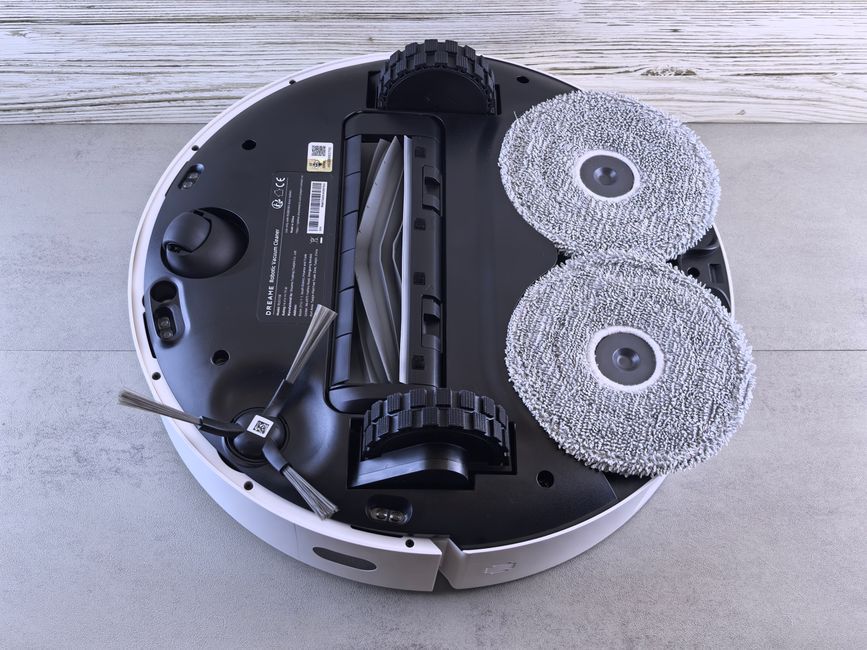
In August 2026, modern robot vacuums feature advanced brush designs with improved hair-shedding technology, yet maintenance remains essential. A clogged brush roll forces your vacuum to work harder, consuming more battery power and delivering poor cleaning results. Neglecting this simple task can lead to costly repairs or premature replacement. Cleaning takes just five to ten minutes and requires minimal tools.
Key Takeaway: Regular brush roll cleaning is the single most important maintenance task for keeping your robot vacuum functioning at peak efficiency.
What Tools and Materials Do You Need for Brush Roll Cleaning?
Gathering the right tools before you start ensures a smooth, efficient cleaning process. Most items are already in your home, making this an inexpensive maintenance routine. Having everything ready prevents frustration and helps you work quickly.
- Small scissors or a seam ripper for cutting tangled hair and fibers safely.
- A soft-bristled brush or old toothbrush for scrubbing away stubborn debris.
- A dry cloth or microfiber towel for wiping down the brush roll.
- Your robot vacuum’s user manual for model-specific instructions.
- A small container to hold removed hair and dust temporarily.
- Compressed air canister (optional) for blowing out fine particles.
Do not use harsh chemicals, abrasive scrubbers, or water unless your manual explicitly approves it. Many robot vacuums have electronics near the brush compartment, and moisture can cause damage. Avoid excessive force when cutting or pulling debris to prevent damaging the brush bristles themselves.
Key Takeaway: Basic household tools and gentle handling are all you need to safely clean your robot vacuum’s brush roll.
How Do You Remove and Access the Brush Roll Safely?
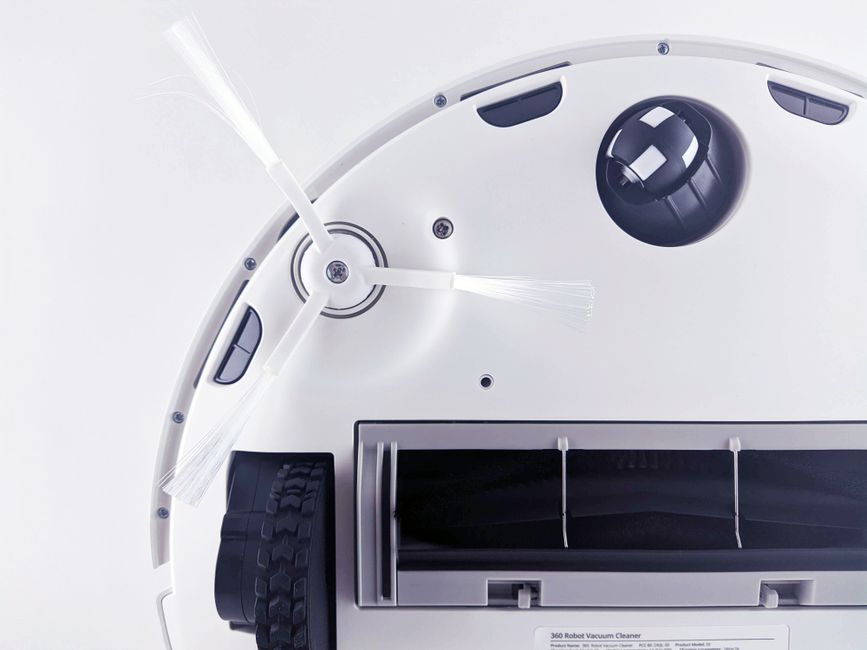
Most robot vacuums in 2026 feature tool-free or quick-release brush compartments designed for easy maintenance. Locate the brush roll access panel on the bottom of your vacuum. Consult your specific model’s manual to find exact release buttons or clips. Never force components, as modern designs prioritize user accessibility.
Step-by-Step Removal Process
First, power off your robot vacuum completely and ensure it’s on a flat surface. Some models require you to flip the vacuum upside down to access the brush compartment. Look for labeled release buttons or tabs on either side of the brush cover. Press these buttons simultaneously and gently slide the brush cover away from the vacuum body.
- Power off and position the vacuum on a stable, flat work surface.
- Locate the brush roll access panel using your user manual as a reference guide.
- Press release buttons or tabs and slide the cover away from the main body.
- Gently lift the brush roll out of its housing by gripping the ends.
- Inspect the brush for damage before cleaning begins.
Once the brush roll is removed, examine it closely for any visible damage. Small cracks or bent bristles reduce cleaning effectiveness. If your brush is damaged, order a replacement from the manufacturer before reinstalling. Most replacement brush rolls cost between fifteen and forty dollars.
Key Takeaway: Careful removal and inspection prevent damage and identify when replacement is necessary.
What Is the Best Method to Remove Hair and Debris From the Brush Roll?
Hair removal is the most critical step in brush roll maintenance. Pet owners especially notice significant hair accumulation after just one or two weeks of use. The cylindrical shape makes hair wrap tightly around the bristles, so patient, methodical removal works best. Never yank or pull aggressively, as this can bend or break the bristles permanently.
Hair Removal Technique
Hold the brush roll horizontally and examine which direction the hair wraps around it. Using small scissors or a seam ripper, carefully cut along the length of the brush, separating hair from the bristles. Work slowly and deliberately, rotating the brush as you progress. Once you’ve cut the hair free, use your fingers to pull away the loosened strands gently. This method takes patience but prevents damage to delicate bristles.
- Hold the brush roll steady and identify the direction hair wraps around it.
- Use scissors to cut hair lengthwise along the brush, rotating as you work.
- Gently pull away loosened hair with your fingers or tweezers.
- Repeat until no visible hair remains tangled around the bristles.
- Use a soft-bristled brush to sweep away fine dust and debris particles.
After removing visible hair, use your soft-bristled brush to scrub the bristles gently. This removes dust, pet dander, and fine particles that reduce suction and cleaning power. Work in multiple directions to ensure thorough coverage. Pay special attention to the gaps between bristles where debris accumulates.
Key Takeaway: Patient, methodical hair removal using scissors prevents bristle damage and restores full cleaning performance.
How Should You Clean the Brush Compartment and Housing?
While your brush roll is removed, take time to clean the compartment where it sits. Dust, hair, and debris accumulate in this space, potentially affecting motor performance and suction quality. A quick compartment cleaning extends the life of your entire vacuum system. This step is often overlooked but makes a significant difference in performance.
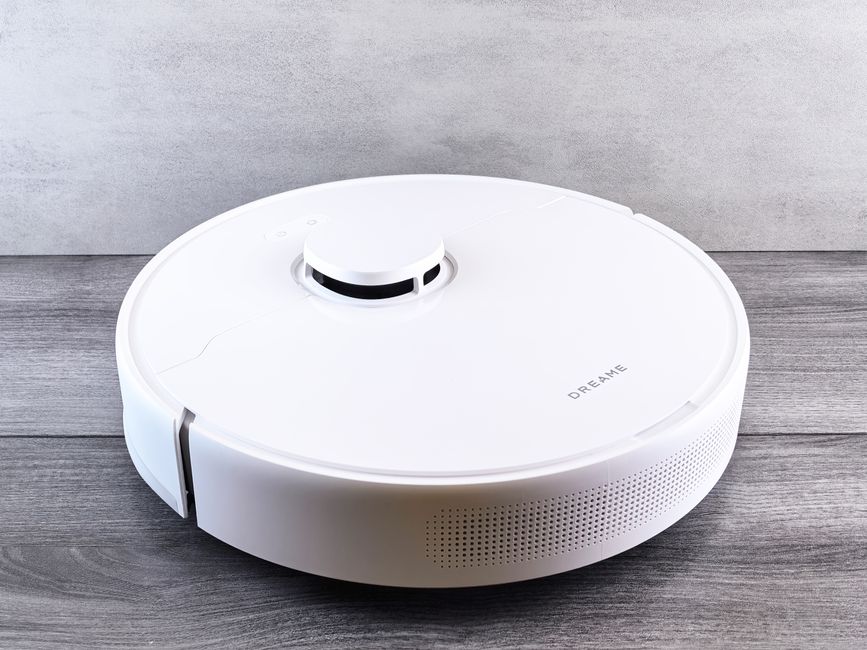
Use your soft-bristled brush or a dry cloth to wipe the interior walls of the brush compartment. Pay attention to corners and crevices where debris collects. If your manual approves it, use a compressed air canister to blow out fine dust. Never use water or liquid cleaners near electrical components. Remove any visible hair or debris by hand or with tweezers.
- Wipe the interior compartment walls with a dry, soft-bristled brush.
- Use a cloth to remove dust from corners and hard-to-reach areas.
- Blow out fine particles with compressed air if your manual permits it.
- Remove visible hair or debris with tweezers or your fingers.
- Inspect the brush roll housing for damage or wear.
Check the brush roll housing for cracks, corrosion, or signs of wear. Damaged housing can affect how the brush sits and spins. If you notice issues, contact the manufacturer about repair or replacement options. A well-maintained housing ensures your replacement brush rolls fit properly and function correctly.
Key Takeaway: Cleaning the brush compartment simultaneously with brush maintenance optimizes overall vacuum performance.
What Are the Proper Steps to Reinstall the Brush Roll?
Reinstalling the brush roll correctly is as important as removing it. Improper installation can cause the brush to misalign, reducing cleaning effectiveness or causing unusual noises. Take your time during this step to ensure everything fits snugly. Your user manual provides model-specific guidance, so reference it during reinstallation.
Reinstallation Process
Hold the cleaned brush roll horizontally and align it with the mounting points inside the compartment. Most robot vacuums use a simple slide-and-lock mechanism. Gently insert the brush roll into its housing, ensuring both ends seat properly in their respective holders. You should hear or feel a satisfying click when the brush is fully installed. Slide the brush cover back onto the vacuum body until it clicks into place securely.
- Align the brush roll with mounting points before inserting it into the housing.
- Gently slide the brush into place, ensuring both ends seat properly.
- Listen for or feel a click indicating the brush is fully installed.
- Slide the brush cover back onto the vacuum body until it clicks.
- Flip the vacuum upright and power it on to test operation.
After reinstalling, turn your robot vacuum on and listen for any unusual sounds. The brush should spin smoothly without grinding, rattling, or squeaking. If you hear strange noises, power off immediately and check that the brush is installed correctly. Run a short cleaning cycle on a hard floor to verify proper operation before using it on carpets.
Key Takeaway: Correct reinstallation ensures your vacuum operates smoothly and delivers optimal cleaning results.
How Often Should You Clean Your Robot Vacuum’s Brush Roll?
Maintenance frequency depends on your household’s specific conditions and usage patterns. Homes with pets require more frequent cleaning due to increased hair shedding. A general guideline is every two to four weeks, but some situations demand more frequent attention. Monitoring your vacuum’s performance helps you determine the ideal cleaning schedule for your home.
Pet owners with multiple animals may need to clean their brush roll weekly. Households without pets can often extend cleaning to four or five weeks. If you notice reduced suction, unusual noises, or visible hair wrapped around the brush, clean it immediately regardless of your schedule. Some modern robot vacuums in 2026 include maintenance reminders through their mobile apps.
- Pet-heavy households: clean every one to two weeks for optimal performance.
- Average households: clean every three to four weeks as a baseline.
- Pet-free homes: clean every four to five weeks or as needed.
- Always clean immediately if you notice performance decline or visible buildup.
- Check your vacuum’s app for maintenance reminders and scheduling features.
Keeping a simple calendar or phone reminder helps you stay consistent with maintenance. Some users clean their brush roll every time they empty the dustbin, creating a natural routine. This approach works well for busy households and ensures you never forget. Consistent maintenance prevents costly repairs and keeps your vacuum running like new.
Key Takeaway: Regular maintenance schedules prevent performance decline and extend your robot vacuum’s operational lifespan significantly.
What Common Problems Can Occur With Neglected Brush Rolls?
Ignoring brush roll maintenance leads to multiple problems that compound over time. Hair and debris accumulation reduces suction power, forcing your vacuum to work harder and drain its battery faster. The motor strains under increased load, potentially causing permanent damage. In 2026, even advanced robot vacuums cannot overcome the effects of a severely clogged brush roll.
Tangled hair can cause the brush to stop spinning entirely, triggering error codes on your vacuum’s display. Some vacuums automatically shut down when they detect brush obstruction, a safety feature that prevents motor damage. Excessive buildup creates friction that generates heat, potentially melting plastic components near the brush assembly. Addressing maintenance early prevents these costly scenarios.
- Reduced suction power and patchy cleaning coverage across your floors.
- Increased battery drain due to motor strain from clogged brush obstruction.
- Unusual grinding, squeaking, or rattling noises during operation.
- Brush stops spinning completely, triggering error codes on the display.
- Motor damage or component melting from excessive heat and friction.
Early intervention prevents these issues entirely. A quick five-minute cleaning session every few weeks costs nothing and saves hundreds in repairs. If your brush roll has already caused damage, contact the manufacturer about warranty coverage or repair options. Prevention is always more cost-effective than replacement.
Key Takeaway: Neglected brush rolls cause cascading problems that damage your vacuum’s motor and reduce cleaning effectiveness dramatically.
Are There Any Troubleshooting Tips for Brush Roll Issues?
Even with regular maintenance, brush roll problems occasionally arise. Understanding common issues and their solutions helps you address problems quickly. Most troubleshooting steps are simple and require no technical expertise. Your user manual is your best resource for model-specific guidance.
Common Brush Roll Problems and Solutions
If your brush roll won’t spin after cleaning, ensure it’s installed correctly and not obstructed. Check for any remaining hair or debris preventing rotation. Verify that the brush compartment cover clicks securely into place, as loose covers sometimes prevent proper brush operation. If the brush still won’t spin, the motor may be damaged and require professional repair.
- Brush won’t spin: reinstall correctly, check for obstructions, verify cover is secure.
- Unusual noises: ensure brush is fully installed and check for debris in compartment.
- Reduced suction: clean the brush roll, check filters, and empty the dustbin.
- Brush bristles look bent: replace the brush roll with a manufacturer-approved part.
- Error codes appear: consult your manual for model-specific error definitions.
Grinding noises during operation indicate debris in the brush compartment or improper brush installation. Power off immediately and inspect the area. Sometimes a small piece of debris gets lodged in the housing, preventing smooth rotation. Carefully remove any obstructions using tweezers or a small tool. If noises persist after cleaning and reinstalling, the motor may need professional service.
Key Takeaway: Most brush roll problems resolve through proper cleaning, reinstallation, and debris removal.
How Does Regular Brush Roll Maintenance Improve Overall Vacuum Performance?
Clean brush rolls directly impact every aspect of your robot vacuum’s performance. Unrestricted brush rotation allows the vacuum to agitate debris more effectively, lifting dirt from carpet fibers and hard floors. Improved cleaning coverage means your floors stay cleaner longer, reducing the frequency of manual vacuuming. Better performance translates to time savings and a cleaner home overall.
A well-maintained brush roll also improves battery efficiency significantly. Your vacuum doesn’t have to work overtime to compensate for reduced cleaning power, meaning it covers more area on a single charge. In 2026, advanced robot vacuums with optimized brush designs benefit even more from consistent maintenance. Users report twenty to thirty percent improvements in battery life after establishing regular cleaning routines.
- Enhanced debris agitation and lifting from carpet and hard floor surfaces.
- Improved suction efficiency and overall cleaning coverage quality.
- Extended battery life due to reduced motor strain and workload.
- Quieter operation from smooth brush rotation without resistance.
- Longer equipment lifespan and fewer costly repairs overall.
Consistent maintenance also preserves your warranty coverage in many cases. Manufacturers often deny warranty claims if they determine negligent maintenance caused the damage. By documenting your cleaning routine, you maintain coverage for unexpected hardware failures. This simple habit protects your investment and ensures support when you need it most.
Key Takeaway: Regular brush roll maintenance dramatically improves cleaning performance, battery efficiency, and equipment longevity.
What Should You Know About Brush Roll Replacement?
Even with perfect maintenance, brush rolls eventually wear out and require replacement. Bristles naturally degrade over time, losing their ability to agitate debris effectively. Most manufacturer-quality brush rolls last twelve to eighteen months with regular cleaning. Knowing when to replace your brush roll ensures your vacuum maintains peak performance.
Signs that replacement is necessary include visibly bent or missing bristles, reduced cleaning effectiveness despite regular cleaning, and bristles that feel brittle or stiff. Replacement brush rolls are inexpensive, typically costing fifteen to forty dollars depending on your vacuum model. Order directly from the manufacturer or authorized retailers to ensure compatibility. Installing a replacement takes just a few minutes using the same process as regular maintenance.
- Visibly bent, missing, or damaged bristles indicate replacement is necessary.
- Cleaning effectiveness remains poor even after thorough brush cleaning.
- Bristles feel brittle, stiff, or lack their original flexibility.
- Purchase replacement brushes from manufacturers or authorized retailers only.
- Installation takes minutes using your standard maintenance procedure.
Keep spare brush rolls on hand if you use your robot vacuum daily or have multiple pets. Having backup parts ensures you never experience downtime waiting for replacements to arrive. Some users purchase replacement brushes quarterly as part of their preventive maintenance routine. This proactive approach guarantees your vacuum always operates at peak efficiency.
Key Takeaway: Timely brush roll replacement maintains your vacuum’s cleaning performance and prevents motor strain from worn components.
How Can You Integrate Robot Vacuum Maintenance Into Your Smart Home Routine?
In 2026, smart home technology extends beyond security and temperature control. Many modern robot vacuums integrate with smart home systems, allowing you to schedule cleaning cycles and receive maintenance reminders through your smartphone. These features help you establish consistent maintenance routines without remembering dates manually. Smart integration transforms vacuum maintenance from a chore into an automated part of your home management system.
Your robot vacuum’s mobile app often includes maintenance tracking features that remind you when cleaning is due. Some vacuums send notifications when they detect reduced suction or performance issues. Setting calendar reminders synchronized with your vacuum’s app ensures you never miss maintenance windows. This combination of technology and routine keeps your equipment in optimal condition effortlessly.
Key Takeaway: Smart home integration and mobile app reminders help you maintain consistent brush roll cleaning schedules.
What Final Tips Will Help You Master Robot Vacuum Brush Roll Cleaning?
Mastering brush roll maintenance requires only consistency and attention to detail. Keep your user manual accessible for quick reference during cleaning sessions. Create a simple maintenance log or calendar to track when you last cleaned your brush roll. This documentation helps you identify the ideal cleaning frequency for your specific household conditions.
Invest in a small storage container for your cleaning tools so everything is readily available when needed. Keep scissors, your soft brush, and cloth together in one place. Cleaning becomes quick and efficient when you don’t waste time searching for tools. Set a phone reminder or use your vacuum’s app notification feature to prompt regular maintenance.
- Keep your user manual easily accessible for reference during maintenance sessions.
- Maintain a cleaning log or calendar to track your maintenance history.
- Store all cleaning tools together in a dedicated container for quick access.
- Set phone reminders or use app notifications to prompt regular cleaning.
- Inspect your brush roll thoroughly each time you clean it for damage.
- Order replacement brushes in advance so you’re never caught unprepared.
Share maintenance responsibility with family members if multiple people use your robot vacuum. Teaching others the proper cleaning procedure ensures consistent care even when you’re busy. A well-maintained robot vacuum becomes a reliable household asset that serves your family for years. Simple, regular maintenance is the secret to long-term satisfaction with your investment.
Key Takeaway: Consistency, proper tools, and documentation transform brush roll cleaning into an effortless routine.
Conclusion: Why Robot Vacuum Brush Roll Cleaning Matters for Your Home
Regular brush roll cleaning is the most important maintenance task for your robot vacuum, directly affecting cleaning performance, battery efficiency, and equipment longevity. A five-minute cleaning session every few weeks prevents costly repairs and keeps your vacuum operating like new. The tools required are simple and inexpensive, making this accessible maintenance anyone can perform confidently.
In August 2026, even advanced robot vacuums with cutting-edge technology cannot overcome the effects of neglected brush maintenance. By establishing a consistent cleaning routine, you protect your investment and ensure your home stays clean effortlessly. Your robot vacuum becomes a reliable household partner that serves your family for years when properly maintained. Start today by scheduling your first brush roll cleaning and experience the dramatic improvement in your vacuum’s performance.









Write Your Review
No reviews yet. Be the first to share your experience!