
How Can You Maximize Self-Consumption of Solar Energy in 2026?
Maximizing self-consumption of solar energy means using the electricity your solar panels generate directly in your home rather than sending excess power back to the grid. The key takeaway is this: by aligning your energy usage with peak solar production hours (typically 9 AM to 3 PM), you can keep 60-80% of your generated solar energy for personal use instead of exporting it at lower rates. In 2026, smart home automation, battery storage systems, and real-time energy monitoring have become more affordable and accessible than ever before. Self-consumption maximization directly reduces your reliance on grid electricity, lowers your energy bills significantly, and improves your return on solar investment. The average household can save $2,000-$4,000 annually by optimizing self-consumption rates, especially when combined with time-of-use electricity rates and smart load management. Understanding your solar production patterns and household consumption habits is the foundation for implementing effective self-consumption strategies that work year-round.
Why Is Self-Consumption More Valuable Than Exporting Solar Energy to the Grid?
Many solar owners assume that exporting excess energy to the grid is always beneficial, but the economics have shifted significantly. In most regions across North America and Europe, the compensation rates for exported solar energy have declined dramatically since 2020. While grid export rates typically range from $0.05 to $0.12 per kilowatt-hour, the retail electricity rates you pay to purchase power from the grid range from $0.12 to $0.25 per kilowatt-hour or higher. This means every kilowatt-hour you consume directly from your solar system is worth two to five times more than the same kilowatt-hour you export to the grid.
Beyond financial benefits, self-consumption provides energy independence and resilience. By maximizing self-consumption, you reduce grid dependency during peak demand periods, lower your carbon footprint by avoiding transmission losses, and protect yourself against future electricity rate increases. Additionally, homes with high self-consumption rates often see improved property values and faster returns on their solar investment. The psychological benefit of knowing you’re using clean energy directly also appeals to environmentally conscious homeowners.
What Are the Core Strategies for Maximizing Solar Self-Consumption?
Time-of-Use Load Shifting
Time-of-use (TOU) load shifting is the most effective strategy for maximizing self-consumption without battery storage. This involves scheduling high-energy appliances to run during peak solar production hours. For example, instead of running your dishwasher in the evening, schedule it to run at 11 AM when your solar panels are producing maximum power. Similarly, shift laundry tasks, EV charging, water heating, and pool pumping to midday hours. According to the U.S. Department of Energy, strategic load shifting can increase self-consumption rates by 25-35%. You can automate this process using smart home systems that communicate with your solar inverter and monitor real-time production data. Learn more about setting up these automations in our guide on how to automate dishwashers for off-peak hours in 2026.
Battery Energy Storage Systems
Battery storage is the gold standard for self-consumption maximization, though it requires significant upfront investment. A residential battery system (typically 10-15 kWh capacity) allows you to store excess solar energy generated during peak production hours and use it during evening and night hours. This approach can increase self-consumption rates to 80-90%, compared to 40-50% without storage. Popular battery options in 2026 include Tesla Powerwall (13.5 kWh, $11,500-$15,000 installed), LG Chem RESU (16 kWh, $12,000-$16,000), and Generac PWRcell (modular, scalable). Battery systems also provide backup power during grid outages and can participate in demand response programs that generate additional revenue. The payback period for batteries has improved to 7-10 years in many regions, especially when combined with time-of-use electricity rates and solar tax incentives.
Smart Energy Monitoring and Real-Time Optimization
Real-time energy monitoring is essential for identifying consumption patterns and optimizing self-consumption opportunities. By installing energy monitors that track both solar production and household consumption, you gain visibility into which appliances use energy when, allowing you to make informed scheduling decisions. Advanced monitoring systems can identify individual appliance signatures and predict solar production based on weather forecasts. This data-driven approach enables you to anticipate surplus solar energy and preemptively shift loads. For detailed setup instructions, see our guides on how to install CT clamps energy monitor in 2026 and how to track energy use per appliance.
How Do You Implement Smart Automation for Solar Self-Consumption Optimization?
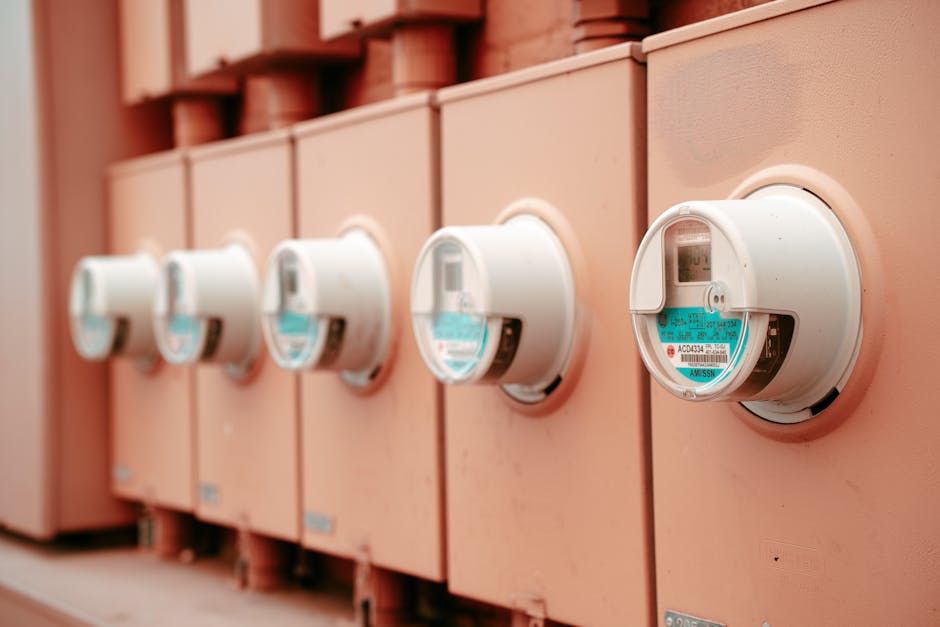
Smart home automation is the practical bridge between understanding your energy patterns and actually maximizing self-consumption. In 2026, most modern solar inverters include API connectivity and real-time data export capabilities that allow integration with smart home platforms like Home Assistant, SmartThings, and Hubitat. The implementation process involves three key steps: first, install a compatible energy monitoring system that tracks both solar production and household consumption; second, integrate this monitoring data with your smart home hub; third, create automation rules that trigger specific appliances to run when solar production exceeds consumption thresholds.
For example, you can set up an automation that says: “When solar production exceeds 3 kW and battery charge is above 80%, turn on the EV charger and water heater simultaneously.” Most modern EV chargers support smart grid integration and can adjust charging rates based on available solar power. Heat pump water heaters are particularly valuable for self-consumption optimization because they can shift their heating loads to match solar production patterns. Smart thermostats can also participate by adjusting cooling loads during peak solar hours—running air conditioning slightly cooler when solar production is high, then reducing cooling when production drops.
The key to successful automation is starting simple and gradually expanding. Begin with one or two high-consumption appliances (like your EV charger or water heater), monitor the results for 2-3 weeks, then add additional automation rules. Most solar owners report that simple automation increases self-consumption by 15-25% with minimal effort. For advanced setups, consider implementing machine learning algorithms that learn your household patterns and predict optimal scheduling automatically. Several companies now offer AI-powered solar optimization services that integrate with existing smart home systems and require only basic setup.
Integration with appliance signature identification systems allows your automation to understand which devices are consuming energy at any given moment, enabling more sophisticated optimization strategies. Additionally, understanding your standby power and phantom loads helps eliminate wasted energy that could otherwise be attributed to productive solar consumption.
What Role Does EV Charging Play in Solar Self-Consumption?
Electric vehicle charging represents the single largest opportunity for maximizing solar self-consumption in 2026. A typical EV requires 30-50 kWh per charge, which is enormous compared to other household loads. If you can shift your EV charging to coincide with peak solar production hours, you’re essentially storing solar energy in your vehicle’s battery instead of exporting it to the grid or storing it in a home battery. This is significantly more cost-effective than installing additional home battery storage. Most modern EVs support adjustable charging rates from 1.4 kW to 11+ kW, allowing fine-tuned load matching with solar production.
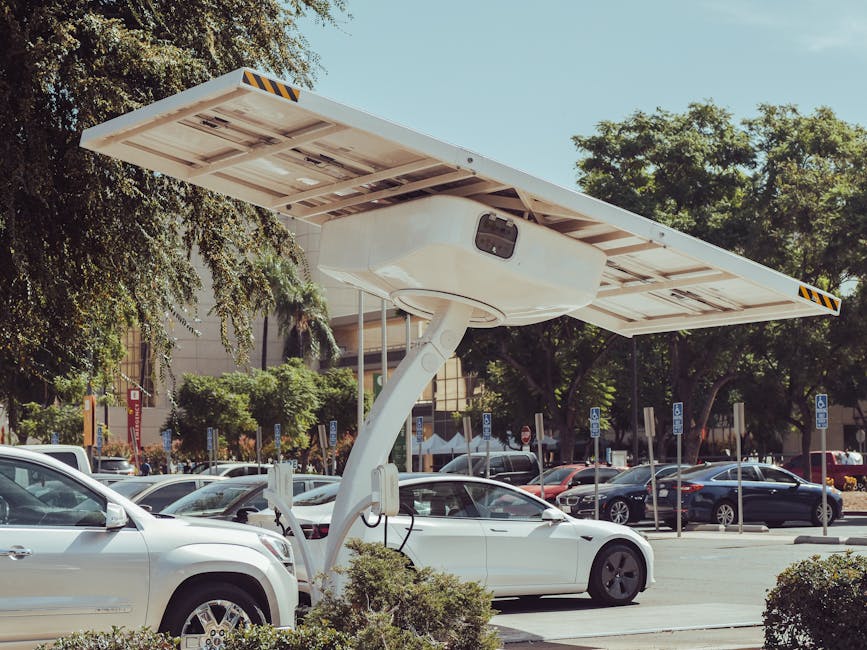
Smart EV charging systems in 2026 can communicate directly with solar inverters and adjust charging power in real-time based on available solar generation. For example, if your solar system is producing 7 kW and your household is using 2 kW, the EV charger automatically draws the remaining 5 kW. If a cloud passes overhead and production drops to 5 kW while household consumption remains at 2 kW, the charger throttles back to 3 kW. This dynamic load matching can increase self-consumption rates by 20-30% for households with daily EV charging. If you’re concerned about electrical panel capacity, our guide on how to avoid electrical panel upgrade for EV in 2026 provides smart strategies for managing multiple high-load devices simultaneously.
How Do You Optimize Heating and Cooling for Solar Self-Consumption?
HVAC systems represent 40-50% of household energy consumption in most climates, making them critical for self-consumption optimization. Unlike appliances with fixed runtimes (like dishwashers), heating and cooling systems can adjust their operation throughout the day based on available solar power. Heat pump systems are particularly valuable because they can shift their heating or cooling loads to match solar production patterns without compromising comfort.
The optimization strategy involves using smart thermostats that understand solar production forecasts and adjust setpoints proactively. For example, if weather forecasts predict high solar production on a particular afternoon, the system can cool your home more aggressively during peak solar hours (say, 10 AM to 3 PM), bringing indoor temperature down to 70°F instead of the normal 73°F. This pre-cooling stores thermal energy in your home’s structure and walls, reducing cooling demand during evening hours when solar production has stopped. Studies from the National Renewable Energy Laboratory (NREL) show that smart thermal storage can increase solar self-consumption by 10-15% without any additional battery investment.
Water heating offers similar opportunities. Instead of heating water on a fixed schedule, smart water heaters can heat water during peak solar production hours and maintain that heat through insulation during evening hours. Some advanced systems use thermal storage tanks that allow you to heat water to higher temperatures during solar peak hours, then use that stored heat throughout the evening. This approach is particularly effective for households with solar thermal systems (solar hot water collectors), which can be integrated with smart controls to maximize self-consumption.
What Common Mistakes Should You Avoid When Maximizing Solar Self-Consumption?
One of the most common mistakes is over-investing in battery storage without first optimizing load shifting. Many homeowners purchase expensive battery systems without analyzing whether simple automation and time-of-use scheduling could achieve similar results at a fraction of the cost. Before buying batteries, spend 2-3 months tracking your solar production and consumption patterns, then implement automation strategies. Only invest in batteries if you’ve already maximized self-consumption through load shifting and still have significant excess solar energy being exported.
Another critical mistake is failing to account for seasonal variations in solar production. Solar output varies dramatically between summer and winter, sometimes by 300-400% depending on your location. An automation strategy optimized for summer peak production may not work effectively in winter when production is lower. The most successful self-consumption strategies include seasonal adjustments—different automation rules for summer versus winter, or dynamic rules that adjust based on real-time production data rather than fixed schedules.
Many people also overlook the importance of monitoring and measurement. Without proper energy monitoring, you cannot accurately determine your self-consumption rate or identify which optimization strategies are actually working. Install monitoring systems that track solar production, household consumption, and battery charging/discharging separately. This data is invaluable for making informed decisions about future investments.
Additionally, avoid neglecting the role of demand response programs and time-of-use electricity rates. If your utility doesn’t offer TOU rates, contact them about enrollment—many utilities now offer significant discounts for customers who shift consumption to off-peak hours. Some utilities even offer special rates for EV charging or heat pump operation during solar peak hours. Understanding your local utility incentives can dramatically improve the financial benefits of self-consumption optimization.
How Can You Measure and Track Your Solar Self-Consumption Progress?
Measuring self-consumption requires understanding three key metrics: total solar production (kWh), household consumption (kWh), and self-consumed energy (kWh). Your self-consumption rate is calculated as: (Total Production – Exported Energy) / Total Production × 100%. Most modern solar inverters provide this calculation automatically through their monitoring apps.
To track progress effectively, establish a baseline measurement before implementing any optimization strategies. Record your self-consumption rate for 2-4 weeks without any changes, then implement one optimization strategy at a time and measure the impact. This approach allows you to quantify the benefit of each strategy—for example, you might discover that EV charging automation increases self-consumption by 18%, while dishwasher scheduling adds another 8%.
Create a simple spreadsheet tracking daily self-consumption rates, solar production, household consumption, and any optimization changes you implemented. Look for patterns—do certain days of the week show higher or lower self-consumption? Does weather significantly impact your results? This data-driven approach helps you refine your strategy over time and identify the most effective optimizations for your specific household.
Consider using advanced monitoring platforms that integrate with your solar inverter, battery system (if applicable), and smart home devices. These platforms can provide detailed analytics, forecasting, and recommendations for further optimization. Many utilities also provide detailed consumption data through their customer portals, which can be cross-referenced with your solar production data to verify self-consumption calculations.
What Is the Financial Impact of Maximizing Solar Self-Consumption?
The financial benefits of maximizing self-consumption are substantial and often underestimated. Consider a typical scenario: a 8 kW solar system in a region with $0.15/kWh retail electricity rates and $0.08/kWh export rates. Without optimization, the system might achieve 45% self-consumption, meaning 55% of production is exported at $0.08/kWh. With optimization strategies, self-consumption increases to 70%, meaning only 30% is exported. Over 25 years, this difference represents approximately $15,000-$20,000 in additional savings for that household.
The payback period for optimization investments also improves dramatically. A $3,000 investment in smart automation, energy monitoring, and EV charging controls might seem expensive, but if it increases self-consumption by 20% on an 8 kW system, the annual savings could exceed $800-$1,200, resulting in a 2.5-3.75 year payback period. This is significantly faster than the 7-10 year payback for battery storage systems.
Tax incentives and rebates further improve financial outcomes. The federal investment tax credit (ITC) covers 30% of solar system costs, and some states offer additional incentives for battery storage or smart home energy management systems. Check with your state’s energy office and local utilities for available programs. Additionally, time-of-use electricity rates can provide 10-20% discounts on off-peak consumption, creating an additional financial incentive for load shifting.
Frequently Asked Questions
What percentage of solar energy can I realistically self-consume?
Realistic self-consumption rates range from 40-50% without optimization or storage, 60-75% with smart automation and load shifting, and 80-90% with battery storage. Your specific rate depends on household size, solar system size, consumption patterns, and climate. Start by measuring your baseline, then implement optimization strategies to see what’s achievable for your home.
Do I need battery storage to maximize self-consumption?
No. While batteries are effective, smart load shifting and automation can achieve 60-70% self-consumption rates without any battery investment. Batteries are most valuable if you’ve already optimized load shifting and still have significant excess solar energy, or if you want maximum energy independence and backup power capability.
Which appliances should I prioritize for automation?
Prioritize high-consumption appliances with flexible runtimes: EV chargers (most important), water heaters, dishwashers, washing machines, and pool pumps. These can shift 2-5 hours without impacting comfort or convenience. Avoid automating appliances with fixed schedules or those that require immediate operation.
How much does energy monitoring equipment cost?
Basic energy monitors range from $200-$500 for simple consumption tracking. Advanced systems with real-time data integration and appliance-level monitoring cost $500-$1,500. Most solar installers include basic monitoring with system installation, so check your existing setup before purchasing additional equipment.
Can I increase self-consumption in winter?
Yes, but expectations should be realistic. Winter solar production is 60-70% lower than summer in most climates. Focus on heating optimization (heat pump pre-heating, water heater scheduling) and shift flexible loads like laundry to midday hours when production peaks. Battery storage becomes more valuable in winter due to longer evening periods.
How do time-of-use electricity rates affect self-consumption strategy?
TOU rates make self-consumption even more valuable by increasing the gap between off-peak rates (when you export) and peak rates (when you’d normally buy). This creates stronger financial incentives for load shifting. Enroll in TOU rates if available—they typically increase self-consumption benefits by 20-30% without requiring any system changes.
Is Maximizing Solar Self-Consumption Worth the Investment in 2026?
Maximizing solar self-consumption is absolutely worth the investment in 2026, and the economics have never been better. The combination of declining battery costs, improving smart home technology, and increasing electricity rates creates a perfect environment for self-consumption optimization. For most homeowners, the priority should be implementing low-cost strategies first: smart automation for existing appliances, EV charging optimization, and load shifting. These strategies typically cost $1,000-$3,000 and can increase self-consumption by 20-30%, resulting in annual savings of $500-$1,500.
Only after maximizing these low-cost strategies should you consider battery storage investments. Batteries are valuable for energy independence, backup power, and maximizing self-consumption beyond 75%, but they require significant capital investment. The key is taking a staged approach: measure your baseline, implement automation, track results, then make informed decisions about batteries based on actual data rather than assumptions.
The broader context is that electricity rates continue rising (averaging 3-5% annually), while solar and battery costs continue declining. This trend means that self-consumption optimization becomes increasingly valuable year after year. A $2,000 investment in optimization today might save $800 annually now, but could save $1,200 annually in five years due to higher electricity rates. Over the 25-year life of a solar system, these compounding savings represent tens of thousands of dollars.
Additionally, maximizing self-consumption aligns with broader energy independence and sustainability goals. By reducing grid dependency and maximizing renewable energy utilization, you’re not only improving your financial situation but also contributing to a cleaner energy future. In 2026, with smart home technology more accessible than ever, there’s no reason not to optimize your solar self-consumption strategy.








Write Your Review
No reviews yet. Be the first to share your experience!