
What Are Appliance Signatures and How Can You Identify Them in Your Home?
Appliance signatures are unique energy consumption patterns that each electrical device in your home produces when operating. Identifying these signatures allows you to track individual appliance energy use, detect malfunctions, and optimize your home’s overall efficiency. In 2026, smart home energy monitoring has become more accessible than ever, enabling homeowners to disaggregate their total household power consumption into device-specific data. The key takeaway is that by recognizing each appliance’s distinctive power draw pattern—including startup surges, sustained operating levels, and idle consumption—you gain unprecedented control over your energy usage and can make informed decisions about which devices consume the most electricity. Modern smart meters and sub-metering devices use advanced algorithms and machine learning to automatically identify these signatures without requiring manual installation on every appliance. This technology has evolved significantly, making it practical for average homeowners to implement without extensive technical knowledge or expensive retrofits. Understanding appliance signatures is foundational to building an energy-efficient smart home and can result in measurable reductions to your monthly utility bills while contributing to environmental sustainability.
Why Is Understanding Appliance Energy Signatures Important for Smart Home Management?
Recognizing individual appliance signatures serves multiple critical purposes in modern smart home management. First, it enables you to identify energy vampires—devices that consume disproportionate amounts of electricity, often running inefficiently or continuously drawing standby power. Second, appliance signature analysis helps detect mechanical failures before they become costly problems; for example, a refrigerator compressor working harder than normal will show a distinctive change in its power consumption pattern. Third, understanding these signatures allows for demand response optimization, where you can shift high-consumption activities to off-peak hours when electricity rates are lower, potentially saving hundreds of dollars annually.
From a smart home automation perspective, appliance signatures enable sophisticated scheduling and control. You can program your system to automatically manage when devices operate based on their energy profiles, grid demand, solar generation (if you have renewable energy), and time-of-use electricity rates. This is particularly valuable for devices like water heaters, electric vehicle chargers, and dishwashers that have flexible operating windows. Additionally, signature recognition helps with security and convenience monitoring—unusual patterns might indicate an appliance malfunction, unauthorized use, or even a security breach. For households with multiple residents, understanding appliance signatures can reveal behavioral patterns and help with resource allocation and conservation education.
How Do You Collect and Analyze Energy Data to Identify Appliance Signatures?
The process of identifying appliance signatures begins with comprehensive energy data collection at the household level. The most effective approach involves installing a smart home energy meter that monitors your entire electrical panel’s consumption in real-time. The Aeotec Home Energy Meter Z-Wave Setup Guide 2026 provides detailed instructions for implementing this type of monitoring system. These devices measure consumption at intervals ranging from one second to one minute, capturing the detailed power fluctuations that characterize each appliance’s operation.
Once you have baseline data, the next step is to create individual appliance signatures through a process called non-intrusive load monitoring (NILM). This involves turning appliances on and off individually while observing how the total household power consumption changes. For example, when you turn on your electric oven, you’ll see a sharp spike of 3,000-5,000 watts; when you activate your dishwasher, you’ll observe a different pattern with initial high consumption during heating cycles followed by lower steady-state operation. Document these patterns carefully, noting the startup power draw, sustained operating wattage, cycle duration, and any distinctive fluctuations.
Modern smart home systems can also employ machine learning algorithms to automatically identify appliances without manual intervention. These systems learn from historical data patterns and can distinguish between different devices even when they operate simultaneously. Advanced platforms use harmonic analysis and frequency domain decomposition to identify unique electrical signatures that each appliance produces. You can download your home energy data in CSV format to perform deeper analysis using spreadsheet software or specialized energy analysis tools. This data export capability, standard in 2026 smart home systems, allows you to identify trends over weeks and months that reveal seasonal patterns and behavioral changes.
What Tools and Technologies Help You Monitor Individual Appliance Energy Consumption?
Smart Plugs and Sub-Meters: The most direct method involves installing smart plugs or sub-meters on individual appliances. These devices measure power consumption for a single outlet or circuit and report data wirelessly to your home hub. Smart plugs are particularly useful for identifying signatures of appliances like coffee makers, televisions, computer equipment, and small kitchen devices. They’re inexpensive (typically $15-50 per unit) and require no electrical work to install.
Circuit-Level Monitoring: For larger appliances like water heaters, HVAC systems, and electric vehicle chargers, circuit-level monitoring provides more detailed information. These devices attach to individual breakers in your electrical panel and measure consumption for that entire circuit. This approach requires professional installation but provides accurate data without the need for multiple smart plugs.
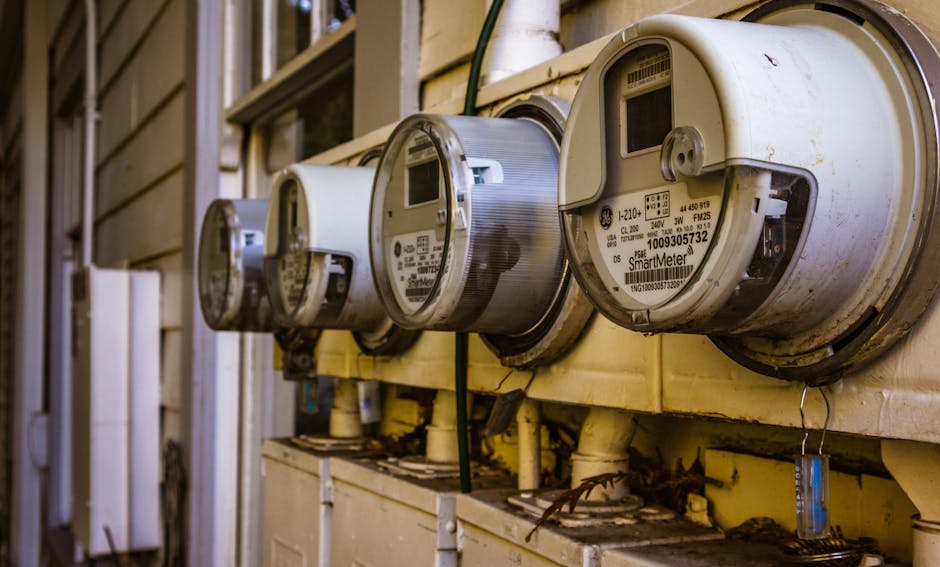
Whole-Home Energy Monitors: Devices that measure total household consumption serve as the foundation for signature identification. Combined with manual testing or NILM algorithms, these monitors help you understand the aggregate picture and identify which appliances contribute most to your total usage. Many modern smart home hubs include energy monitoring capabilities built-in.
AI-Powered Analysis Software: In 2026, several platforms offer artificial intelligence-driven appliance recognition. These systems analyze your consumption data and automatically identify appliances without requiring manual intervention. Companies like Sense, Neurio, and others have refined their algorithms to recognize dozens of common household appliances with 85-95% accuracy. These platforms integrate with your smart home ecosystem and provide real-time notifications when specific appliances operate.
Mobile Applications and Dashboards: Modern smart home platforms provide intuitive interfaces for viewing appliance-level consumption data. These apps display real-time power draw, historical consumption trends, cost estimates, and predictive analytics. Many platforms allow you to set consumption goals, receive alerts when usage exceeds thresholds, and automate responses to unusual patterns.
How Do You Create an Accurate Appliance Signature Database for Your Home?
Building a comprehensive appliance signature database requires systematic testing and documentation. Start by creating a detailed inventory of all electrical appliances in your home, including model numbers, rated wattage, and estimated age. This inventory serves as your reference point for understanding expected consumption patterns.

Next, conduct controlled testing by isolating each appliance and recording its power consumption profile. Turn off all other major devices, then activate a single appliance while monitoring the power draw. Record the initial startup surge (if any), the sustained operating wattage, any cyclical patterns (like a refrigerator’s compressor cycling on and off), and the shutdown pattern. For complex appliances like washing machines or ovens, document the entire cycle, noting different power levels during different phases of operation.
Create a spreadsheet or database with the following information for each appliance: device name and model, rated wattage, typical operating wattage, startup surge wattage and duration, cycle time (if applicable), standby power consumption, and any distinctive electrical characteristics. Include photos or diagrams showing the power consumption pattern over time. This reference database becomes invaluable for future comparison and troubleshooting.
For appliances that operate in different modes—like televisions with standby, active viewing, and gaming modes—test each mode separately and document the variations. Smart thermostats and HVAC systems require special attention because their consumption varies dramatically based on outdoor temperature, setpoint, and system efficiency. Test these devices across different seasons if possible to capture the full range of their signatures.
Document any anomalies or unusual patterns you observe. If an appliance’s signature changes significantly over time, this may indicate mechanical degradation, component failure, or reduced efficiency. For example, an aging air conditioner compressor may draw more current than when new, or a refrigerator with a failing door seal may cycle more frequently. These changes in signature can serve as early warning indicators for maintenance needs.
How Can You Identify Energy Vampires and Inefficient Appliances Using Signature Analysis?
Energy vampires are devices that consume electricity even when not actively in use, often drawing 5-10 watts or more continuously. Identifying these devices is one of the most practical applications of appliance signature analysis. Common energy vampires include computer monitors, printers, cable/satellite boxes, gaming consoles, and entertainment systems. By reviewing your appliance signature database and monitoring standby consumption, you can quickly identify which devices are draining your energy budget unnecessarily.
Use your smart home monitoring system to generate reports showing consumption by device, filtered to show only standby and idle power draw. Devices consuming more than 2 watts during standby are candidates for attention. You can reduce vampire power consumption by using smart power strips that completely disconnect power when devices are not in use, or by simply unplugging devices when not needed.
Beyond standby consumption, signature analysis reveals inefficient appliances that consume more power than expected during normal operation. For instance, if your refrigerator signature shows the compressor running more frequently than it should, this suggests poor insulation, a failing compressor, or a dirty condenser coil. Similarly, if your water heater’s signature shows continuous heating cycles, you may have a leak or excessive heat loss from poor insulation. Identifying these inefficiencies allows you to address them through maintenance, repair, or replacement before they become major problems.
Seasonal analysis is particularly valuable for identifying inefficiency. Compare your HVAC system’s signature during similar outdoor temperature conditions across different seasons. If the signature shows increased power consumption in year two compared to year one at the same temperature, this indicates declining efficiency that may warrant professional maintenance or component replacement. This proactive approach can extend equipment life and prevent expensive emergency repairs.
What Are Common Mistakes When Identifying Appliance Signatures and How Do You Avoid Them?
Mistake 1: Incomplete Testing Under Real-World Conditions Many people test appliances in isolation but fail to account for how they operate in actual household conditions. For example, a dishwasher signature may vary depending on the soil level of dishes, water temperature, and cycle selection. A refrigerator’s signature changes based on ambient temperature, door opening frequency, and food load. Avoid this mistake by testing appliances under typical operating conditions and documenting variations. Test your HVAC system at different outdoor temperatures and humidity levels to capture its full operating range.
Mistake 2: Ignoring Startup and Shutdown Transients Many appliances draw significantly more power during startup than during sustained operation. Induction motors in compressors, pumps, and fans can draw 3-7 times their rated current during the first few seconds of operation. If you only record sustained operating power, you’ll miss these important signature characteristics. Always document the complete power profile from startup through shutdown, including any transient spikes or oscillations.
Mistake 3: Confusing Multiple Appliances Operating Simultaneously When testing appliances, ensure that no other devices are running that could contaminate your measurements. Even small devices like phone chargers or LED lights can introduce noise into your data. Conduct testing during times when household activity is minimal, or have family members maintain consistent behavior patterns so you can account for their consumption.
Mistake 4: Failing to Account for Seasonal and Environmental Variations Many appliances behave differently in different seasons or environmental conditions. Your air conditioner’s signature will be completely different in summer versus winter. Your water heater’s signature depends on incoming water temperature and hot water demand. Document these variations by collecting data across all seasons and environmental conditions relevant to your location.
Mistake 5: Neglecting to Update Signatures After Maintenance or Replacement When you repair or replace an appliance, its signature will change. Failing to update your reference database will lead to incorrect identification of future signatures. Whenever you perform maintenance, replace components, or install new appliances, conduct new baseline tests and update your documentation.
How Do You Use Appliance Signatures to Optimize Your Smart Home Energy Efficiency?
Once you’ve identified and documented your appliance signatures, you can leverage this knowledge to significantly reduce energy consumption and costs. The first step is to prioritize which appliances to address based on their contribution to total household consumption. Typically, 20% of your appliances account for 80% of your energy usage. Focus optimization efforts on these high-impact devices first.
For major appliances like HVAC systems, water heaters, and electric vehicle chargers, signature analysis enables time-of-use optimization. If your utility offers time-of-use rates (lower rates during off-peak hours), you can program these flexible-load appliances to operate primarily during cheap-rate periods. For example, program your water heater to heat during off-peak hours, or schedule your EV charging to occur between 11 PM and 6 AM when rates are typically lowest. This strategy can reduce your energy costs by 15-30% without reducing comfort or convenience.
Signature analysis also enables predictive maintenance. By monitoring for changes in appliance signatures, you can identify developing problems before they cause complete failure. For instance, a gradual increase in compressor current draw suggests bearing wear or refrigerant loss in an air conditioner. Addressing this through professional maintenance prevents catastrophic failure and maintains efficiency. This proactive approach typically extends equipment life by 20-30% and prevents expensive emergency repairs.
Create automation rules based on appliance signatures. For example, if your signature analysis shows that your clothes dryer is running inefficiently, you can create a rule that limits its operation to off-peak hours or prevents simultaneous operation with other high-load appliances. If your dishwasher signature indicates it’s running during peak demand hours, automate it to start during off-peak periods instead. These automations, when properly configured, can reduce peak demand charges (which many utilities apply to high-consumption periods) by 20-40%.
Use signature data to inform purchasing decisions. When replacing appliances, compare the energy signatures of different models and brands. Choose models with lower startup surges, more efficient steady-state operation, and minimal standby consumption. Over the 10-15 year lifespan of major appliances, selecting efficient models based on signature analysis can save thousands of dollars and significantly reduce your environmental impact.
Consider integrating appliance signature monitoring with renewable energy systems if you have solar panels or wind generation. Your signature database helps you schedule high-consumption tasks to align with peak solar generation hours, maximizing self-consumption and reducing grid purchases. This integration is particularly valuable in 2026 as more homeowners adopt distributed renewable energy systems.
What Is the Best Way to Integrate Appliance Signature Monitoring Into Your Broader Smart Home System?
Successful integration of appliance signature monitoring into your smart home ecosystem requires a coordinated approach across multiple components. Start by establishing a central smart home hub that can communicate with all your monitoring devices. Your hub should support industry-standard protocols like Z-Wave, Zigbee, or Wi-Fi to ensure compatibility with various manufacturers’ products. Review the complete step-by-step guide for setting up your smart home hub in 2026 to ensure proper configuration and integration.
Next, implement a whole-home energy monitoring system as your foundation. This system should measure total household consumption and provide real-time data to your hub. Layer on circuit-level and appliance-level monitoring through sub-meters and smart plugs strategically placed on high-consumption devices. Ensure all monitoring devices are configured to report data at appropriate intervals—typically every 1-5 minutes for real-time monitoring and hourly or daily for historical analysis.
Configure your smart home platform to automatically identify appliances using its built-in NILM algorithms or by manually assigning monitored circuits and outlets to specific appliances. Most modern platforms allow you to create custom device profiles and set consumption thresholds that trigger alerts or automation rules. Test your configuration thoroughly by turning appliances on and off and verifying that the system correctly identifies each device.
Integrate your appliance signature data with other smart home systems. Connect your HVAC thermostat so it can adjust operation based on energy consumption data. Link your water heater to your energy management system so it prioritizes operation during off-peak hours. If you have an electric vehicle, ensure its charging schedule aligns with your overall home energy optimization strategy. For comprehensive smart home setup guidance, refer to the complete step-by-step guide for building a smart home.
Create dashboards and reports that display appliance-level consumption data in a format that’s meaningful to all household members. Share this information with family to encourage energy conservation behaviors. Many platforms allow you to set consumption goals and track progress toward them, gamifying energy conservation and increasing household engagement.
For those starting their smart home journey on a budget, appliance signature monitoring doesn’t require expensive infrastructure. You can begin with a few smart plugs on high-consumption devices and gradually expand your monitoring system. The practical guide to starting a smart home on a small budget provides cost-effective strategies for implementing comprehensive monitoring without major upfront investment.
Frequently Asked Questions
What is the difference between appliance signature and power consumption profile?
Appliance signature refers to the unique electrical characteristics and patterns that distinguish one device from another, including startup behavior, harmonic content, and operational cycles. Power consumption profile is broader, encompassing the total energy usage over time. A signature is more detailed and distinctive, while a profile is a general energy pattern. Signatures enable precise device identification; profiles show overall consumption trends.
Can you identify appliance signatures without smart plugs?
Yes, you can identify signatures using only a whole-home energy monitor through non-intrusive load monitoring (NILM) algorithms. By turning appliances on and off individually and observing total household consumption changes, you can determine each device’s signature. However, smart plugs provide more accurate, direct measurements and are more practical for most homeowners implementing comprehensive monitoring systems.
How accurate are AI-powered appliance identification systems in 2026?
Modern AI-powered systems achieve 85-95% accuracy in identifying common household appliances. Accuracy depends on the device’s distinctive electrical characteristics, the quality of training data, and whether multiple similar appliances operate in your home. Less common appliances or custom equipment may not be recognized, requiring manual identification or configuration.
What is the typical cost of implementing appliance signature monitoring at home?
A basic system with a whole-home energy monitor costs $100-300. Adding smart plugs for individual appliances adds $15-50 per device. Professional circuit-level monitoring adds $500-2,000 depending on the number of circuits monitored. Most homeowners spend $200-800 for a comprehensive monitoring setup that covers major appliances and circuits.
How often should you update your appliance signature database?
Update your database annually or whenever you perform maintenance, replace components, or install new appliances. Seasonal testing is valuable for HVAC and water heating systems. If an appliance’s signature changes unexpectedly, update it immediately and investigate the cause, as this often indicates developing mechanical problems.
Can appliance signature monitoring help reduce utility bills?
Yes, appliance signature monitoring typically reduces energy costs by 10-25% through identifying inefficient devices, eliminating energy vampires, optimizing operation timing, and enabling proactive maintenance. Savings are higher for homes with time-of-use rates and renewable energy systems. The investment in monitoring equipment typically pays for itself within 1-3 years through energy savings.
Is Identifying Appliance Signatures Worth the Effort in 2026?
Identifying individual appliance signatures represents one of the most valuable investments you can make in your smart home energy management strategy. The effort required is modest—typically 4-8 hours of initial setup and testing—while the benefits extend for years. In 2026, the technology has matured significantly, making signature identification accessible to average homeowners without requiring advanced technical knowledge or expensive professional installation.
The financial case for appliance signature monitoring is compelling. Average households can reduce energy consumption by 10-25% through the insights gained from signature analysis, translating to $200-600 in annual savings for most homes. Over a 10-year period, this represents $2,000-6,000 in energy cost reductions, far exceeding the $200-1,000 investment required for monitoring equipment. Beyond direct financial savings, signature monitoring extends appliance lifespan through early detection of mechanical problems, potentially saving thousands in premature replacement costs.
From an environmental perspective, reducing household energy consumption through signature-based optimization contributes meaningfully to carbon footprint reduction. The average American home generates 10-12 metric tons of carbon emissions annually through electricity consumption. A 15% reduction through smart monitoring eliminates approximately 1.5-1.8 metric tons of annual emissions, equivalent to taking a car off the road for a year. For environmentally conscious homeowners, this impact alone justifies the monitoring investment.
The convenience and control benefits are equally significant. Appliance signature monitoring enables automation that simplifies daily life—your water heater heats during cheap-rate hours automatically, your EV charges when renewable energy generation is highest, and your HVAC system optimizes comfort while minimizing energy waste. You receive alerts when appliances malfunction, allowing you to address problems before they escalate. You gain visibility into household energy patterns that inform purchasing decisions and behavior changes.
For anyone building a smart home system, appliance signature monitoring should be a foundational component. It provides the data foundation upon which all other energy optimization strategies depend. Whether you’re starting from scratch or expanding an existing smart home, the complete beginner’s guide to setting up a smart home from scratch provides comprehensive guidance for integrating signature monitoring alongside other smart home capabilities. Combined with the ability to control your smart home with your phone, appliance signature monitoring gives you unprecedented insight into and control over your home’s energy consumption.
In conclusion, identifying individual appliance signatures is absolutely worth the effort in 2026. The combination of modest setup requirements, significant financial savings, environmental benefits, and enhanced convenience makes it one of the highest-return smart home investments available to homeowners. The technology is proven, accessible, and increasingly integrated into mainstream smart home platforms. Whether your goal is reducing energy costs, extending appliance lifespan, or building a comprehensive smart home system, appliance signature monitoring should be a priority component of your strategy.


Write Your Review
No reviews yet. Be the first to share your experience!