
How Can You Save Money with Community Solar Programs in 2026?
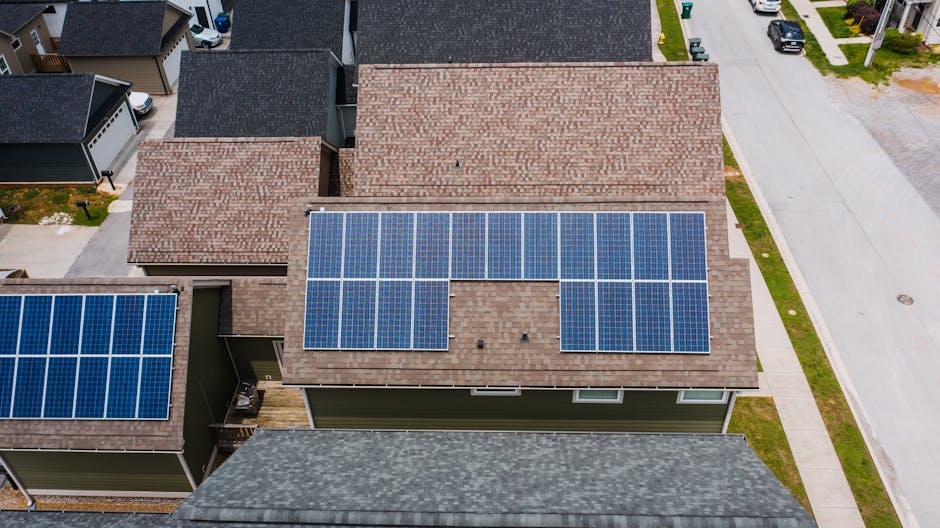
Community solar programs allow homeowners and renters to benefit from solar energy without installing panels on their property, typically reducing electricity bills by 5-15% annually. In May 2026, community solar represents one of the fastest-growing renewable energy options across North America, with over 4 million customers enrolled nationwide. These programs work by connecting multiple subscribers to a shared solar array located in a central location, distributing the generated electricity proportionally among participants. Unlike traditional rooftop solar requiring significant upfront investment and roof modifications, community solar eliminates installation costs, maintenance responsibilities, and roof compatibility concerns. The key advantage lies in immediate bill savings through net metering credits—you pay only for the electricity you use above your solar allocation. Most programs require no upfront costs, making solar energy accessible to renters, apartment dwellers, and homeowners with unsuitable roofs. Eligibility depends on your utility service area, credit score (typically 650+), and property location within the solar project’s service zone. By joining a community solar program, average households save $1,200-$2,400 over a typical 25-year contract period while supporting clean energy infrastructure in their communities.
The expansion of community solar in 2026 reflects significant policy support and technological improvements. According to the U.S. Department of Energy, community solar capacity has grown exponentially as states implement supportive legislation and utilities develop standardized programs. This growth creates unprecedented opportunities for cost-conscious homeowners seeking renewable energy benefits without the complexity of rooftop installations. Understanding how these programs function, comparing available options, and optimizing your enrollment strategy ensures maximum savings and energy independence.
What Are the Key Components of Community Solar Programs?
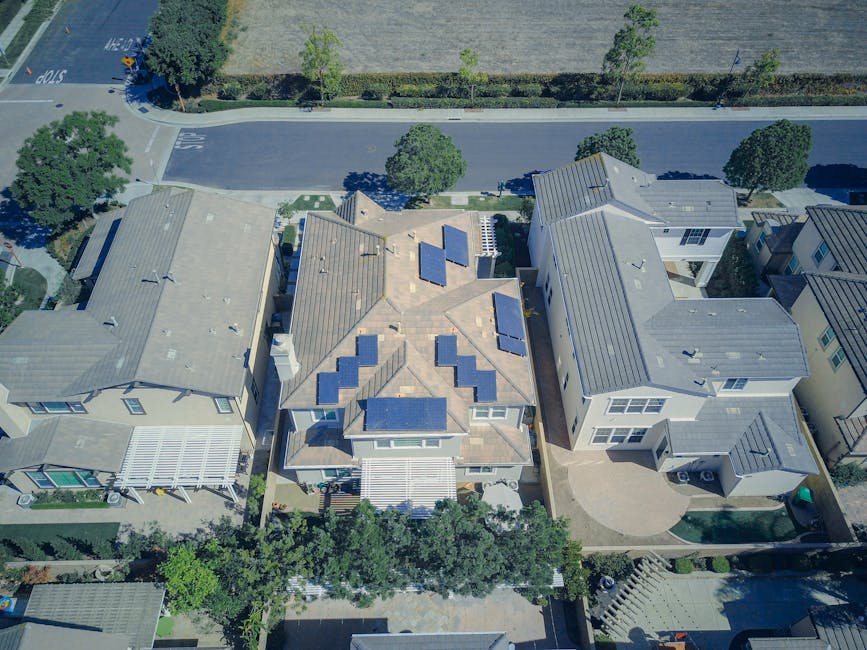
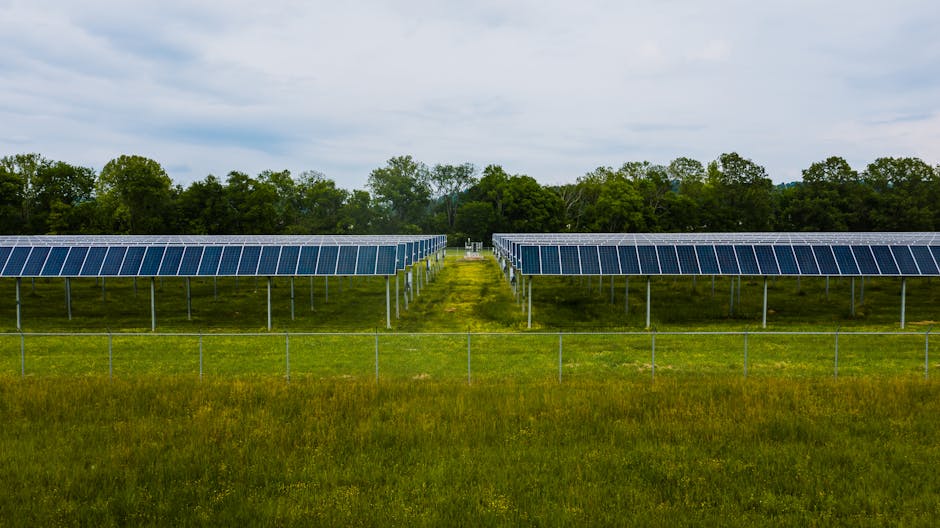
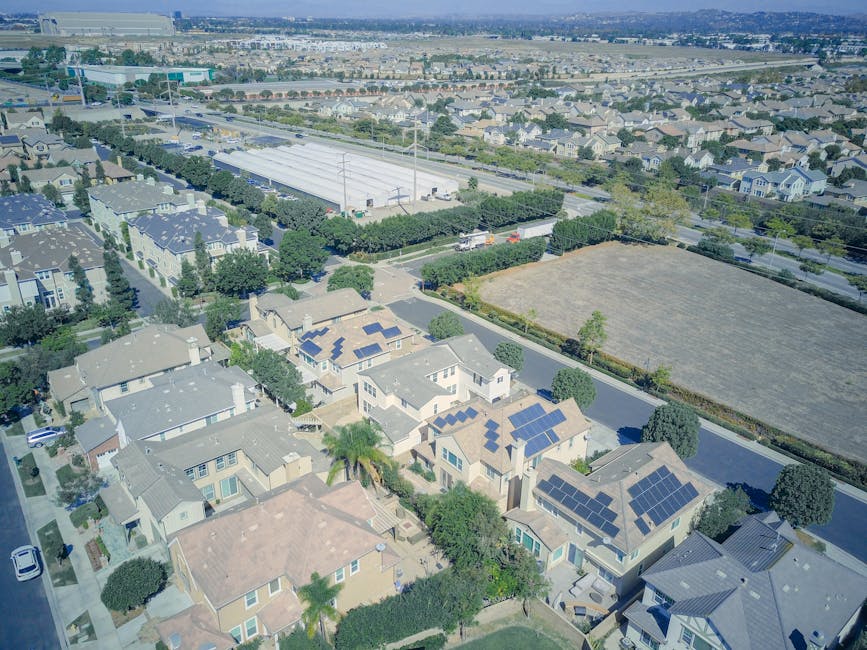
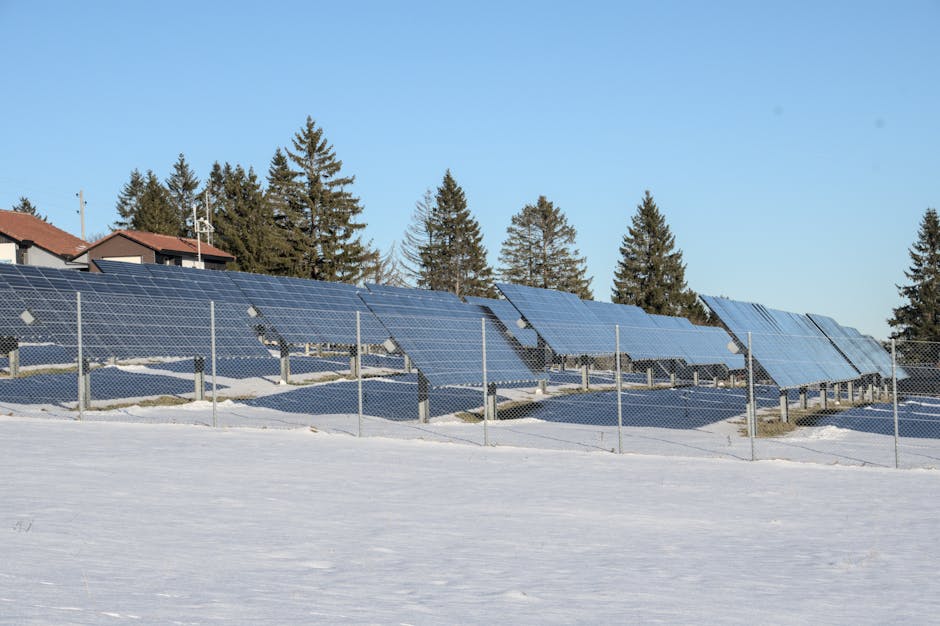
Community solar programs consist of several interconnected elements that determine your savings potential and user experience. The solar array itself—typically ranging from 500 kilowatts to several megawatts—is located on public land, commercial rooftops, or dedicated solar farms within your utility service territory. Each subscriber receives a proportional share of the project’s energy output, credited monthly to their electricity bill through net metering arrangements.
How Do Billing Credits Work?
Your electricity bill reflects two key components: actual consumption charges and community solar credits. When the shared array generates electricity, your utility calculates your proportional share based on your subscription percentage. These kilowatt-hour credits reduce your monthly bill dollar-for-dollar, similar to rooftop solar net metering. Most programs use a virtual net metering system, meaning credits appear on your utility bill without requiring battery storage or complex equipment. Seasonal variations affect credit amounts—summer months typically generate larger credits due to increased sunlight, while winter credits decrease. Some programs allow unused credits to roll forward to subsequent months, though policies vary by provider and state regulations.
Understanding Subscription Models
Community solar programs operate through two primary subscription models: lease-based and ownership-based arrangements. Lease programs require monthly payments ($25-$75 typically) in exchange for solar credits exceeding your subscription fee—the difference appears as bill savings. Ownership models involve purchasing your share outright ($3,000-$8,000 depending on array size) with no ongoing fees, maximizing long-term savings. Some hybrid programs offer both options, allowing flexibility based on your financial situation and savings goals. Lease arrangements suit renters and those preferring minimal upfront costs, while ownership appeals to long-term residents seeking maximum lifetime savings and potential tax incentives.
How Do You Determine Your Eligibility for Community Solar Programs?
Eligibility requirements vary significantly between programs and jurisdictions, but several universal criteria apply across most community solar initiatives in 2026. Your property must fall within the geographic service area of an active community solar project—typically defined by utility service boundaries or specific neighborhood zones. Most programs require customers to have a utility account in good standing, demonstrating reliable payment history over the previous 12 months.
Credit Score and Financial Requirements
Most community solar providers conduct credit checks, typically requiring minimum credit scores between 600-700 depending on the program. Unlike rooftop solar financing, community solar programs generally don’t require excellent credit for participation, making them accessible to broader populations. For lease-based programs, the credit check ensures your ability to maintain monthly subscription payments. Ownership models may require stronger credit for financing approval if you’re using a loan rather than paying cash. Some programs offer alternative qualification paths for customers with limited credit history, including utility bill payment verification or alternative credit data. Contact your local community solar provider to understand their specific financial requirements—many have become more flexible in 2026 to increase accessibility and program participation rates.
Location and Service Area Verification
Your property address must fall within the project’s service area, typically determined by utility transmission infrastructure and state regulatory boundaries. Enter your address on the community solar provider’s website to instantly verify eligibility. Some programs serve only specific neighborhoods or zip codes, while others cover entire metropolitan areas. If your primary address doesn’t qualify, some programs allow you to subscribe using a secondary property address—useful for vacation homes or investment properties. Renters can often participate using their rental property address, though landlord approval requirements vary. Verify service area eligibility early in your research process, as this represents the primary disqualifying factor for many interested customers.
How Do You Compare and Evaluate Community Solar Programs Available in Your Area?
Comparing community solar options requires examining multiple factors beyond advertised savings percentages. Start by identifying all active programs serving your address using online aggregator platforms and your utility company’s approved provider list. In 2026, most states maintain official community solar directories, though some regions still rely on third-party resources for comprehensive program listings.
Analyzing Cost Structure and Savings Projections
Request detailed cost breakdowns from each program, including subscription fees, monthly costs, contract length, and projected annual savings. Legitimate providers offer personalized savings estimates based on your historical electricity consumption—request 12 months of utility bills to enable accurate projections. Compare the effective discount rate (percentage reduction from your normal electricity bill) rather than focusing solely on absolute dollar amounts. A program offering 10% savings on a $150 monthly bill ($15/month) may provide better value than 8% savings on a $200 monthly bill ($16/month). Review contract terms carefully, particularly early termination fees, rate escalation clauses, and what happens if you move. Some programs allow you to transfer your subscription to a new address if it remains within the service area, while others charge substantial exit fees.
Evaluating Provider Reputation and Stability
Research the community solar provider’s financial stability, customer reviews, and regulatory history. Check the Community Solar Access website for industry standards and provider directories. Read independent customer reviews on platforms like Google, Trustpilot, and Better Business Bureau, focusing on billing accuracy, customer service responsiveness, and credit application processes. Verify that the provider holds necessary licenses and regulatory approvals in your state. Contact your state’s Public Utilities Commission to confirm the program’s regulatory standing and review any filed complaints. Established providers with multi-year track records generally offer greater reliability than new startups, though innovative newer companies sometimes provide superior customer experiences. Request references from existing customers if possible—many programs happily connect prospective subscribers with satisfied participants.
How Do You Enroll in a Community Solar Program and Maximize Your Savings?
The enrollment process typically takes 2-4 weeks from initial application to credit activation, though timelines vary by provider and program capacity. Understanding each step enables you to avoid delays and optimize your savings from day one. Begin by gathering required documentation, including proof of residency, government-issued identification, recent utility bills, and authorization to access your electricity consumption data.
Completing Your Application
Visit the community solar provider’s website and complete their online application, providing personal information, property address, and utility account details. You’ll authorize the provider to access your historical electricity usage from your utility company—this data enables accurate savings projections and proper subscription sizing. During this stage, the provider conducts credit checks and verifies your service area eligibility. Some programs require additional documentation for renters, including landlord consent forms or lease verification. Answer all questions honestly and completely; inaccurate information may delay approval or result in application rejection. Most providers offer application status tracking through online portals, allowing you to monitor progress and identify any missing documents requiring submission.
Selecting Your Subscription Size
After approval, you’ll choose your subscription size—typically expressed as a percentage of the solar array (5-25% is common) or kilowatt capacity. Your selection should align with your average annual electricity consumption, usually calculated by dividing your total annual kilowatt-hours by the solar project’s expected annual output. Undersubscribing limits your savings potential, while oversubscribing may result in unused credits that roll forward or expire depending on program rules. Review your utility bills for the past 12 months to identify seasonal consumption patterns. If your usage varies significantly (e.g., higher summer air conditioning needs), choose a subscription size matching your average consumption rather than peak usage. Many providers offer free consultation calls with energy advisors who help right-size your subscription for maximum savings.
Optimizing Credits and Managing Your Account
Once your community solar credits begin appearing on your utility bill, monitor them monthly to ensure accuracy. Compare projected savings estimates with actual credits, investigating discrepancies exceeding 10%. Some programs allow account management through online portals where you can track consumption, adjust notification preferences, and view detailed billing breakdowns. If you’re enrolled in a lease program, review your monthly bill to confirm that solar credits exceed your subscription fee—if not, contact customer service to verify calculations. For ownership programs, track your annual savings and document them for tax filing purposes; some states offer tax credits or accelerated depreciation benefits for community solar ownership. If your electricity consumption changes significantly (e.g., adding electric vehicle charging), notify your provider to explore subscription adjustments that optimize your benefits.
What Common Mistakes Should You Avoid When Joining Community Solar Programs?
Understanding potential pitfalls helps you make informed decisions and avoid costly errors. Many prospective participants overlook critical factors that significantly impact long-term savings and satisfaction. The most common mistake involves signing contracts without thoroughly reviewing terms, particularly regarding early termination fees, rate escalation clauses, and contract renewal provisions. Some programs include annual rate increases of 2-3%, which compound over 20-25 year contracts. Another frequent error is underestimating the importance of service area verification—many interested customers discover their address doesn’t qualify only after investing time in the application process. Failing to review your utility bills before enrollment can result in inappropriate subscription sizing, limiting your savings potential. Some participants neglect to compare multiple programs, accepting the first offer without understanding superior alternatives. Additionally, renters sometimes attempt enrollment without landlord approval, resulting in application rejection or contract disputes. Finally, many people ignore seasonal credit variations, becoming concerned when winter bills show reduced solar credits despite normal consumption patterns. Avoid these mistakes by investing time upfront in thorough research, comparison shopping, and careful contract review before commitment.
How Can You Combine Community Solar with Other Energy-Saving Strategies?
Community solar programs work synergistically with other efficiency improvements and smart home technologies, amplifying your total energy savings. Since community solar credits apply to your entire electricity consumption, reducing consumption through efficiency upgrades directly increases your savings rate. For example, if you’re saving 10% through community solar and reduce consumption by 20% through efficiency improvements, your total bill reduction reaches approximately 28% when combined. Start by conducting a comprehensive energy audit to identify your highest consumption areas. Consider implementing smart home technologies like automated lighting schedules and smart thermostats to reduce consumption without sacrificing comfort. You might explore the guide on how to set up automated lighting schedules in 2026 to optimize your HVAC efficiency alongside community solar enrollment.
Energy monitoring represents another powerful complementary strategy. Installing sensors and energy monitors provides real-time consumption visibility, helping you identify wasteful appliances and behaviors. The guide on how to install CT clamps energy monitor in 2026 offers detailed instructions for implementing advanced monitoring systems. Tracking energy use per appliance through smart home systems reveals which devices consume the most electricity, enabling targeted efficiency improvements. For additional insights, explore the resource on how to track energy use per appliance in 2026. Reducing phantom loads and standby power consumption provides another quick win—see how to reduce standby power phantom loads in 2026 for practical strategies. If you’re considering rooftop solar as a complement to community solar, maximizing self-consumption through the guide on how to maximize self-consumption of solar energy in 2026 ensures optimal returns. Finally, tracking your overall environmental impact through how to track carbon footprint on energy app in 2026 provides motivation and accountability for sustained energy conservation efforts.
Frequently Asked Questions
Can renters participate in community solar programs?
Yes, renters represent a significant portion of community solar participants. Most programs allow renters to enroll using their rental property address, though some require written landlord consent. Renters enjoy the same bill savings as homeowners without needing roof modifications or landlord approval for equipment installation. However, verify that your lease permits utility account changes and confirm whether you can transfer your subscription if you move within the service area. Some programs facilitate landlord communication, making the approval process straightforward.
What happens to my community solar credits if I move?
If you move within the same program’s service area, most providers allow you to transfer your subscription to your new address at no cost. If you relocate outside the service area, you’ll need to terminate your contract—some programs charge early termination fees ($200-$500 typically), while others waive fees for relocations. Review your contract’s relocation provisions before signing. Some programs offer credit transfer to a family member or friend at your new address if you can’t transfer the subscription yourself.
How much money can I save with community solar annually?
Average savings range from $100-$300 annually for lease programs and $300-$600 annually for ownership programs, though actual amounts depend on your consumption, subscription size, local electricity rates, and solar resource quality. Households in high-cost electricity regions (California, Massachusetts, New York) typically save more than those in lower-cost areas. Request personalized savings estimates from your provider based on your specific utility bills—these projections should account for seasonal variations and rate escalation.
Is community solar available in my state?
Community solar availability varies significantly by state. As of May 2026, approximately 30 states have active community solar programs, though coverage within states often remains limited to specific utility service areas. Check your state’s Public Utilities Commission website or the U.S. Department of Energy’s community solar resource for current availability. Even if your state lacks formal programs, some utilities offer pilot projects or alternative shared solar arrangements worth exploring.
What’s the difference between community solar and rooftop solar?
Community solar shares a centralized array among multiple subscribers, while rooftop solar involves individual installations on your property. Community solar requires no upfront costs, maintenance, or roof modifications, making it ideal for renters and those with unsuitable roofs. Rooftop solar offers greater independence, potential tax credits, and higher long-term savings for eligible homeowners. Many households benefit from combining both—community solar provides immediate savings while rooftop solar maximizes self-consumption and energy independence.
Are there tax benefits or incentives for community solar participation?
Tax benefits vary by state and program type. Ownership programs may qualify for federal Investment Tax Credits (ITC) in some jurisdictions, allowing you to deduct a percentage of your subscription cost from federal taxes. Many states offer additional incentives including rebates, accelerated depreciation, or sales tax exemptions. Lease program participants typically don’t qualify for tax credits since they don’t own the equipment. Consult a tax professional or your program provider to understand incentives applicable to your situation and location.
Is Community Solar the Right Choice for Your Household in 2026?
Community solar programs represent a transformative opportunity for households seeking renewable energy benefits without the complexity, cost, and maintenance of rooftop installations. In May 2026, the combination of expanded program availability, competitive pricing, and simplified enrollment processes makes community solar increasingly accessible to diverse demographics. The decision to participate depends on your individual circumstances, savings goals, and energy priorities. Renters and apartment dwellers benefit most significantly, gaining renewable energy access previously unavailable to them. Homeowners with unsuitable roofs, budget constraints, or preference for minimal maintenance find community solar equally valuable. Even those considering future rooftop solar installations can benefit from immediate community solar enrollment while planning longer-term investments.
The enrollment process requires modest time investment but delivers substantial long-term returns. Gathering utility bills, comparing available programs, and carefully reviewing contract terms takes approximately 4-6 hours but determines your savings for 20-25 years. Approach community solar enrollment strategically: verify service area eligibility early, request personalized savings projections from multiple providers, thoroughly review contract terms before signing, and right-size your subscription based on 12 months of consumption data. Combine community solar with complementary efficiency improvements like smart home automation and energy monitoring to maximize your total savings potential. Document your enrollment and annual savings for tax and environmental tracking purposes.
As renewable energy adoption accelerates nationally, community solar programs will continue expanding and improving through 2026 and beyond. Early participants benefit from established programs with proven track records and optimized customer experiences. Whether you’re motivated by cost savings, environmental responsibility, or energy independence, community solar offers a practical, accessible pathway to renewable energy benefits. Begin your research today by verifying service area eligibility and requesting savings projections from available programs—your household’s renewable energy journey begins with a single step toward sustainable, affordable power generation.




Write Your Review
No reviews yet. Be the first to share your experience!