

What Is HVAC Compatibility for Smart Thermostats? Quick Answer
HVAC compatibility for smart thermostats refers to whether a thermostat can properly control your heating, ventilation, and air conditioning system. Smart thermostats must match your system type—heat pump, furnace, boiler, or hybrid—and support the correct wiring configuration and voltage requirements. Not all smart thermostats work with all HVAC systems. Compatibility depends on your system’s fuel source, control signals, and electrical setup. Before purchasing a smart thermostat in 2026, verify your current system type and check the manufacturer’s compatibility list to avoid installation failures and ensure optimal performance.
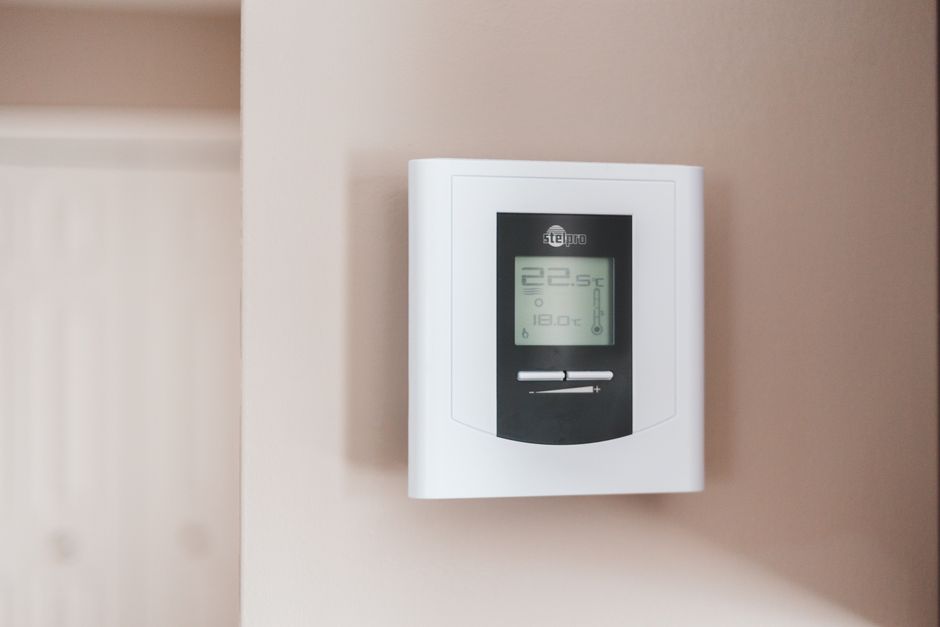
Smart thermostats have become increasingly popular for energy savings and remote control. However, they require specific electrical and communication connections to function properly. Understanding compatibility prevents costly mistakes and ensures your investment delivers the promised benefits. This guide explains HVAC compatibility, system types, and how to verify your setup works with modern smart thermostats.
What Are the Main HVAC System Types and Their Compatibility?
HVAC systems fall into several distinct categories based on how they heat and cool your home. Each type has different control requirements and wiring configurations. Smart thermostat compatibility varies significantly across these system types, making identification crucial before purchase.
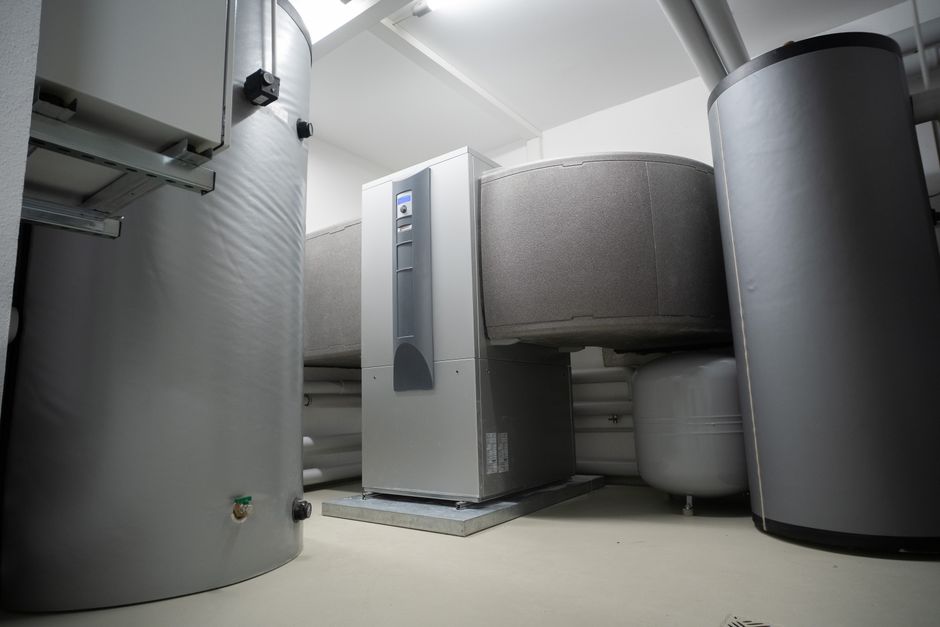
- Furnace systems use natural gas or electric heating with air conditioning.
- Heat pumps provide both heating and cooling using refrigerant circulation.
- Boiler systems heat water for radiators or radiant floor heating.
- Hybrid systems combine a heat pump with a backup furnace.
- Ductless mini-split systems provide independent zone control.
Furnace and Central Air Systems
Furnace systems are the most common in North America. They use forced air distribution to heat homes during winter and pair with separate air conditioning units for cooling. Most smart thermostats support standard furnace systems because they follow conventional wiring standards. These systems typically use a call-for-heat signal that smart thermostats can easily replicate.
Key Takeaway: Furnace systems offer the broadest smart thermostat compatibility since they represent the industry standard.
Heat Pump Systems
Heat pumps transfer heat rather than generate it, making them highly efficient for moderate climates. They require specific wiring configurations and control logic that not all smart thermostats support. Heat pumps use reversing valves and auxiliary heating stages that demand compatible thermostat programming. Some smart thermostats marketed as “heat pump compatible” provide dedicated settings for proper operation.
Key Takeaway: Heat pump compatibility requires thermostats with specialized logic and correct auxiliary heat settings.
Boiler and Radiant Systems
Boiler systems heat water rather than air, using radiators, baseboards, or radiant floors for distribution. These systems operate differently from forced-air systems and require compatible thermostats. Many mainstream smart thermostats don’t support boiler systems because they lack the necessary control signals. Homeowners with boilers should specifically search for boiler-compatible smart thermostats or consult manufacturers directly.
Key Takeaway: Boiler systems have limited smart thermostat options and require careful compatibility verification.
How Do Wiring and Electrical Requirements Affect Compatibility?
Smart thermostat compatibility depends heavily on your system’s wiring configuration and electrical specifications. Your thermostat connects to your HVAC system through a bundle of control wires, each serving specific functions. Understanding your current wiring ensures you select a compatible smart thermostat.
- C-wire (common): Provides 24V power to the thermostat continuously.
- R-wire (red): Delivers 24V power from the heating system.
- W-wire (white): Signals the furnace or heat source to activate.
- Y-wire (yellow): Controls the air conditioning compressor.
- G-wire (green): Operates the fan independently.
- O/B-wire (orange/blue): Reverses heat pump valve for heating/cooling.
The C-Wire Challenge
Most smart thermostats require a C-wire to operate properly. The C-wire provides continuous 24-volt power, enabling Wi-Fi connectivity and advanced features. Older homes often lack a C-wire, creating a compatibility barrier. Some smart thermostat manufacturers offer workarounds like power extenders or batteries, but these solutions have limitations.
If your current thermostat lacks a C-wire, you have three options: install a new C-wire from your furnace, use a thermostat with a built-in battery backup, or select a model with a power extender accessory. Running new wiring costs money but provides the most reliable solution. Battery-powered options work temporarily but require frequent charging.
Key Takeaway: C-wire availability is critical for most smart thermostat compatibility and reliability.
Voltage and Control Signal Requirements
Standard North American HVAC systems use 24-volt control signals. Smart thermostats designed for this standard work seamlessly with most residential systems. However, some specialized systems use different voltages or control protocols. Always verify your system’s voltage before purchasing a smart thermostat.
Key Takeaway: Confirm your system uses standard 24-volt control signals for straightforward compatibility.
What Compatibility Features Should You Look for in 2026?
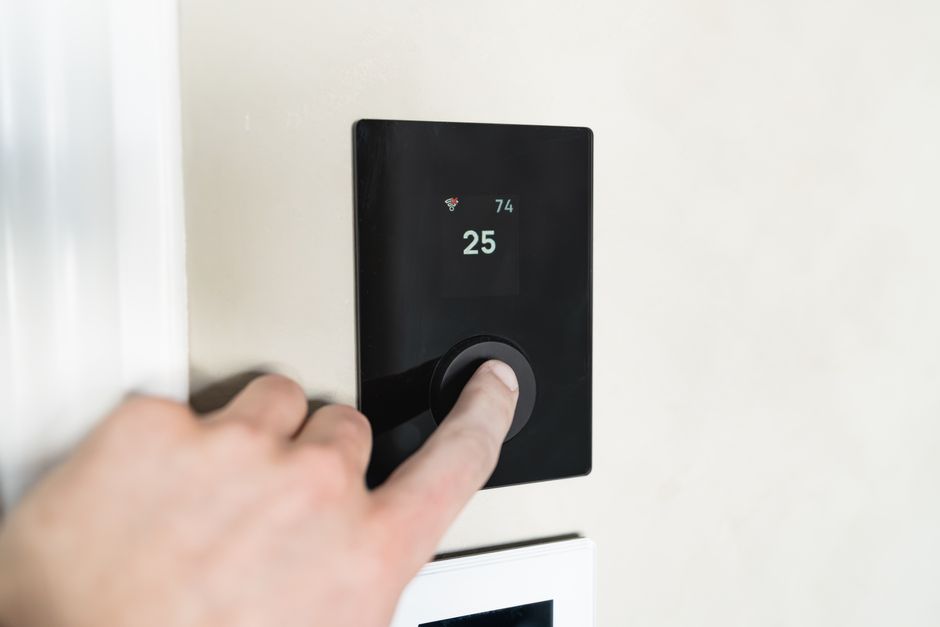
When shopping for smart thermostats in July 2026, several compatibility features indicate broad system support. Modern smart thermostats offer increasingly sophisticated compatibility options. Evaluating these features helps you find a thermostat that works reliably with your specific HVAC setup.
- Multi-stage heating support for systems with backup electric heat.
- Heat pump mode with auxiliary heating recognition and setpoint management.
- Boiler system compatibility with water heating control signals.
- Ductless system support for mini-split and zone-based cooling.
- Flexible wiring options including C-wire alternatives.
- Smart home integration with Matter and other protocols for broader automation.
Smart Home Integration and Compatibility
In 2026, smart thermostats increasingly support industry standards like Matter for improved compatibility. These standards allow thermostats to work with various smart home ecosystems without vendor lock-in. Check whether your smart thermostat supports your preferred ecosystem—Apple Home, Google Home, Amazon Alexa, or Samsung SmartThings. Integration compatibility ensures your thermostat communicates with other smart devices seamlessly.
Key Takeaway: Modern smart thermostats support multiple ecosystems, expanding their compatibility with your broader smart home setup.
How Do You Verify HVAC Compatibility Before Purchase?
Checking compatibility before buying prevents installation headaches and wasted money. Follow these practical steps to confirm your system works with your chosen smart thermostat.

- Identify your HVAC system type by checking your furnace or outdoor unit nameplate.
- Take a photo of your current thermostat’s wiring configuration for reference.
- Count the wires connected to your existing thermostat and note their colors.
- Visit the smart thermostat manufacturer’s website and use their compatibility checker tool.
- Enter your system type and wiring information into the compatibility database.
- Read user reviews from homeowners with identical systems to verify real-world compatibility.
- Contact the manufacturer’s support team if you’re unsure about your system configuration.
Using Manufacturer Compatibility Tools
Most reputable smart thermostat manufacturers provide online compatibility checkers in 2026. These tools ask about your system type, fuel source, and wiring configuration. They instantly show whether the thermostat supports your setup. Using these tools takes five minutes and eliminates guesswork. Some manufacturers also offer video guides showing how to identify your system type.
Key Takeaway: Manufacturer compatibility tools provide the most accurate verification before purchase.
Professional Installation Verification
If you’re uncertain about your system or wiring, hiring an HVAC professional for a pre-purchase assessment costs $75-150 but prevents costly mistakes. Professionals can identify unusual system configurations or wiring issues that online tools might miss. They can also recommend compatible thermostats specifically suited to your home’s unique setup. This investment pays dividends if your system is non-standard or complex.
Key Takeaway: Professional verification guarantees compatibility for unusual or complex HVAC systems.
What Common Compatibility Issues Should You Avoid?
Even with careful research, some homeowners encounter compatibility problems after installation. Understanding common issues helps you avoid them. These problems range from missing wires to unsupported system types.
- Missing C-wire prevents Wi-Fi connectivity and requires workarounds.
- Heat pump systems with incorrect auxiliary heat settings cause inefficient operation.
- Boiler systems incompatible with air-based thermostat logic fail to control water heating.
- Ductless mini-split systems need specialized thermostats most models don’t support.
- Multi-zone systems with separate thermostats per zone confuse single-zone smart thermostats.
- Electric baseboard heating without a control wire prevents smart thermostat integration.
Heat Pump Auxiliary Heat Misconfiguration
Heat pump users frequently encounter compatibility issues with auxiliary heating settings. When outdoor temperatures drop below the heat pump’s efficient operating range, auxiliary electric heat activates. If your smart thermostat doesn’t recognize this auxiliary stage, it may fail to activate backup heating when needed. This results in inadequate heating during cold snaps. Always verify that your chosen thermostat supports your specific heat pump configuration and auxiliary heating type.
Key Takeaway: Heat pump users must ensure their smart thermostat correctly recognizes and manages auxiliary heating stages.
Boiler System Control Logic Failures
Boiler systems operate on different principles than forced-air systems, requiring different thermostat control logic. A thermostat designed for furnaces may not properly modulate water temperature or manage radiant heating zones. Installing an incompatible thermostat in a boiler system can result in poor temperature control or system damage. Always confirm boiler compatibility before purchase, as most mainstream smart thermostats don’t support these systems.
Key Takeaway: Boiler systems require specialized thermostats and rarely work with standard smart thermostat models.
How Does Your Current Thermostat Type Relate to Smart Thermostat Compatibility?
Your existing thermostat provides valuable clues about compatibility. If your current thermostat works reliably, most modern smart thermostats should also work since they follow the same wiring standards. However, older mechanical thermostats may indicate an older HVAC system with non-standard wiring. Understanding your current setup predicts smart thermostat compatibility.
Compare your current thermostat to the smart models you’re considering. If your existing thermostat has similar wire connections and system support, the smart thermostat should work. If your current thermostat lacks a C-wire and you’re adding one for a smart model, plan for that installation cost. Reading about the difference between smart thermostats and programmable thermostats helps you understand the upgrade path and compatibility improvements available.
Key Takeaway: Your current thermostat’s capabilities predict smart thermostat compatibility with your system.
What Installation Considerations Affect Compatibility Success?
Proper installation determines whether a compatible smart thermostat actually performs as expected. Even theoretically compatible systems can fail with incorrect installation. Following manufacturer guidelines and best practices ensures your smart thermostat delivers reliable operation.
- Turn off power at the breaker before disconnecting your old thermostat.
- Label each wire with its color before removal to ensure correct reconnection.
- Verify wire connections match your new thermostat’s terminal layout exactly.
- Install the C-wire if your system lacks one and your thermostat requires it.
- Ensure the thermostat mounts on an interior wall away from direct sunlight.
- Test heating and cooling operation immediately after installation to confirm compatibility.
- Calibrate system settings in the thermostat’s app to match your HVAC configuration.
Post-Installation Testing and Calibration
After installing your smart thermostat, test both heating and cooling cycles to verify compatibility. Set the thermostat to heat mode and lower the setpoint below room temperature. Your heating system should activate within a few minutes. Repeat for cooling mode by raising the setpoint above room temperature. If either cycle fails, recheck your wiring against the manufacturer’s diagram. Incorrect wire connections are the most common installation error.
Once both cycles work, calibrate your thermostat’s system settings through the mobile app. Specify your exact system type, heating fuel source, and number of heating stages. These settings ensure the thermostat operates efficiently and safely. Many compatibility problems stem from incorrect calibration rather than true incompatibility.
Key Takeaway: Proper installation and calibration are essential for compatible smart thermostats to function reliably.
Frequently Asked Questions
Will a smart thermostat work with my 40-year-old furnace system?
Most smart thermostats work with older furnace systems since furnace wiring standards haven’t changed significantly. However, older homes may lack a C-wire, requiring installation of new wiring or use of a thermostat with battery backup. Check your current thermostat’s wiring configuration. If it has similar wire connections, a compatible smart thermostat should work. Contact the manufacturer to confirm compatibility with your specific furnace model before purchasing.
Can I install a smart thermostat if I have a boiler system?
Most mainstream smart thermostats don’t support boiler systems because they lack the necessary control logic for water heating. However, some specialized smart thermostats designed for boiler systems exist. Search specifically for “boiler-compatible smart thermostat” or consult with an HVAC professional. Boiler systems operate differently from forced-air systems, requiring thermostats with different programming and control signals.
What does C-wire compatibility mean for smart thermostats?
The C-wire provides continuous 24-volt power to your smart thermostat, enabling Wi-Fi connectivity and advanced features. Most smart thermostats require a C-wire for reliable operation. If your home lacks a C-wire, you can install new wiring, use a thermostat with battery backup, or add a power extender accessory. Check whether your chosen thermostat requires a C-wire or offers alternatives before purchase.
Do smart thermostats work with heat pump systems?
Yes, many smart thermostats support heat pump systems, but they require correct configuration. Heat pumps need thermostats that recognize auxiliary heating stages and manage the reversing valve properly. When selecting a heat pump-compatible thermostat, verify it supports your specific type of auxiliary heat—electric resistance or gas backup. Read user reviews from heat pump owners to confirm real-world compatibility with your system type.
How do I check if my smart thermostat is compatible with my HVAC system?
Use the manufacturer’s online compatibility checker tool by entering your system type and wiring information. Take photos of your current thermostat’s wiring before using the tool. Visit the manufacturer’s website and look for “compatibility checker” or “system compatibility” sections. Most tools provide instant results. If you’re unsure about your system type, contact an HVAC professional for a $75-150 assessment before purchasing.
Can I use a smart thermostat with a ductless mini-split system?
Most standard smart thermostats don’t work with ductless mini-split systems because they operate independently without central thermostats. Some mini-split manufacturers offer their own smart thermostats designed specifically for their units. Others require zone controllers that work alongside standard thermostats. Check your mini-split manufacturer’s compatibility list for approved smart thermostat options before purchasing.
Conclusion: Ensuring Your Smart Thermostat Works With Your HVAC System
HVAC compatibility for smart thermostats determines whether your investment delivers promised benefits or becomes an expensive paperweight. Understanding your system type, wiring configuration, and electrical requirements prevents costly mistakes. The vast majority of homes with furnace and central air systems can successfully use compatible smart thermostats. Heat pump owners and those with boiler systems need more careful verification, but options exist for these systems too.
Before purchasing a smart thermostat in 2026, take 30 minutes to identify your HVAC system and check manufacturer compatibility tools. If you’re uncertain, spend $75-150 on professional verification rather than guessing. Proper installation and calibration complete the compatibility picture, ensuring your smart thermostat operates reliably for years. When you match the right thermostat to your specific system, you unlock energy savings, remote control, and advanced features that make smart home automation worthwhile.
Key Takeaway: Verify HVAC compatibility before purchasing, install correctly, and calibrate your system settings for reliable smart thermostat performance.



Write Your Review
No reviews yet. Be the first to share your experience!