

What Is V2L Vehicle to Load Charging and How Does It Work?
V2L (Vehicle to Load) charging is a technology that allows electric vehicles to discharge stored energy directly to power external devices and appliances, essentially turning your EV into a portable power station. The key takeaway: V2L enables bidirectional energy flow, letting your vehicle supply electricity to your home, camping equipment, or emergency backup systems. Unlike traditional one-way charging where vehicles only receive power from the grid, V2L reverses this process. Your EV’s battery becomes a distributed energy resource that can support household loads during peak hours, outages, or when electricity rates are high. This capability transforms electric vehicles from mere transportation tools into active participants in home energy management. As of April 2026, V2L technology has become increasingly common in newer EV models, with manufacturers recognizing the value of vehicle-as-battery storage. The technology requires compatible charging equipment, bidirectional inverters, and vehicles with V2L capability built into their onboard systems.
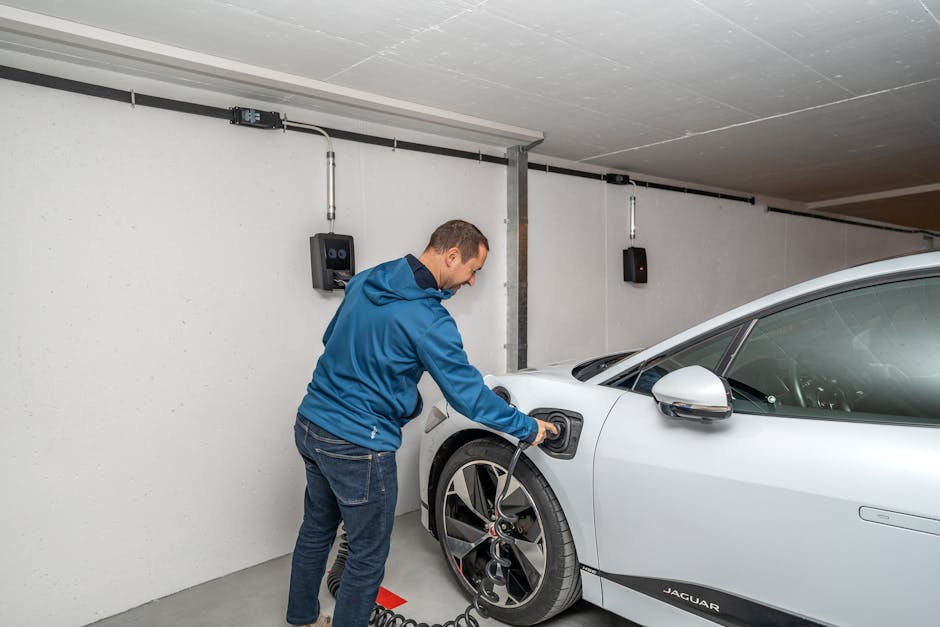
How Does V2L Vehicle to Load Charging Differ From V2H and V2G?
Understanding the distinctions between V2L, V2H (Vehicle to Home), and V2G (Vehicle to Grid) is essential for choosing the right charging solution. V2L is the most basic form of bidirectional charging, allowing vehicles to power external loads through a standard outlet or portable charging unit. It typically delivers lower power levels—usually between 1 kW to 3.6 kW—making it ideal for charging smaller devices, running appliances during camping trips, or powering tools at a job site.
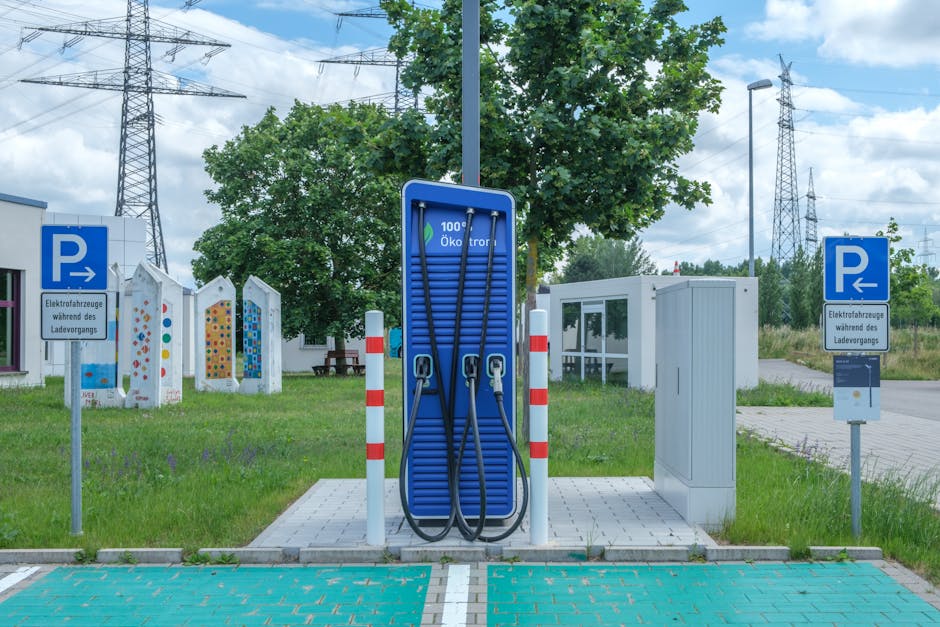
V2H (Vehicle to Home) goes further by integrating the vehicle’s battery with your home’s electrical system through a dedicated home charging station. This setup enables higher power transfer rates, typically 6 kW to 11 kW or more, allowing you to power multiple household appliances simultaneously or provide whole-home backup during outages. V2H requires professional installation of a bidirectional charger and connection to your home’s electrical panel.
V2G (Vehicle to Grid) is the most advanced system, enabling vehicles to not only power homes but also inject excess energy back into the utility grid. Utility companies can compensate vehicle owners for this grid support service. V2G requires grid-level infrastructure, utility coordination, and is still in limited deployment phases across most regions in 2026.
For most consumers, V2L offers the most accessible entry point into vehicle-to-load technology without requiring expensive home modifications. However, if you want comprehensive home backup and load management, V2H provides superior functionality. V2G remains a future opportunity for those seeking financial incentives through grid participation.
What Are the Key Benefits of V2L Vehicle to Load Charging?
V2L technology delivers multiple advantages that make it increasingly attractive to EV owners and households seeking energy resilience. The primary benefit is emergency backup power. During grid outages, your vehicle can supply critical loads like refrigeration, lighting, medical devices, and communication equipment without waiting for utility restoration. This capability is particularly valuable in regions prone to severe weather or aging grid infrastructure.
Cost savings represent another significant advantage. By discharging during peak electricity rate periods and recharging during off-peak hours, households can reduce energy bills through strategic load shifting. Some utility programs offer incentives for V2L participation, effectively paying vehicle owners to use their batteries for grid stabilization.
Energy independence increases with V2L capability. Combined with rooftop solar panels, V2L allows households to store daytime solar generation in vehicle batteries and use that stored energy for evening consumption, reducing grid reliance and maximizing renewable energy utilization.
Flexibility and portability distinguish V2L from stationary home battery systems. Your vehicle’s power capacity travels with you, enabling backup power at vacation homes, construction sites, or during extended trips. This mobile energy storage eliminates the need for expensive portable generators.
Environmental benefits extend beyond zero-emission driving. V2L reduces demand for peaking power plants, which typically run on fossil fuels and operate inefficiently. By smoothing grid demand, V2L supports integration of renewable energy sources and reduces overall grid carbon emissions.
Which Electric Vehicles Support V2L Charging in 2026?
Several major manufacturers have integrated V2L capability into their 2024-2026 model year vehicles. Hyundai and Kia lead the market with V2L support across multiple models. The Hyundai Ioniq 5, Ioniq 6, and upcoming Ioniq 7 all feature V2L capability using their E-GMP platform. Kia’s EV6 and EV9 also support this technology. Both manufacturers provide portable V2L chargers that work with standard 120V and 240V outlets.
Ford has introduced V2L functionality on the F-150 Lightning electric pickup truck, positioning it as a mobile power source for job sites and emergency situations. The vehicle can power tools, equipment, and home loads through its integrated charging port.
Volkswagen includes V2L in its ID.4 and ID.5 models through partnerships with charging network providers, though availability varies by region. BMW has announced V2L support for iX and i4 models with compatible charging equipment.
Tesla vehicles do not currently support V2L or V2H in the traditional sense, though the company has discussed future bidirectional charging capabilities. Chevrolet has indicated V2L support for upcoming Ultium platform vehicles, with the Lyriq and Blazer EV potentially gaining this feature in 2026 model updates.
Availability varies significantly by region and market. European markets generally have more V2L-equipped vehicles than North America, though this gap is narrowing. Before purchasing an EV with V2L intentions, verify that your specific model year and trim level includes this feature, as it may be limited to certain configurations or markets.
What Equipment and Infrastructure Do You Need for V2L Charging?
Implementing V2L charging requires specific hardware and infrastructure investments. The most basic setup needs only a portable V2L charger—a device that connects between your vehicle’s charging port and a standard household outlet or specialized outlet. These portable units typically cost between $500 and $2,000 and deliver 1-3.6 kW of power. Hyundai and Kia supply these chargers with their V2L-capable vehicles.
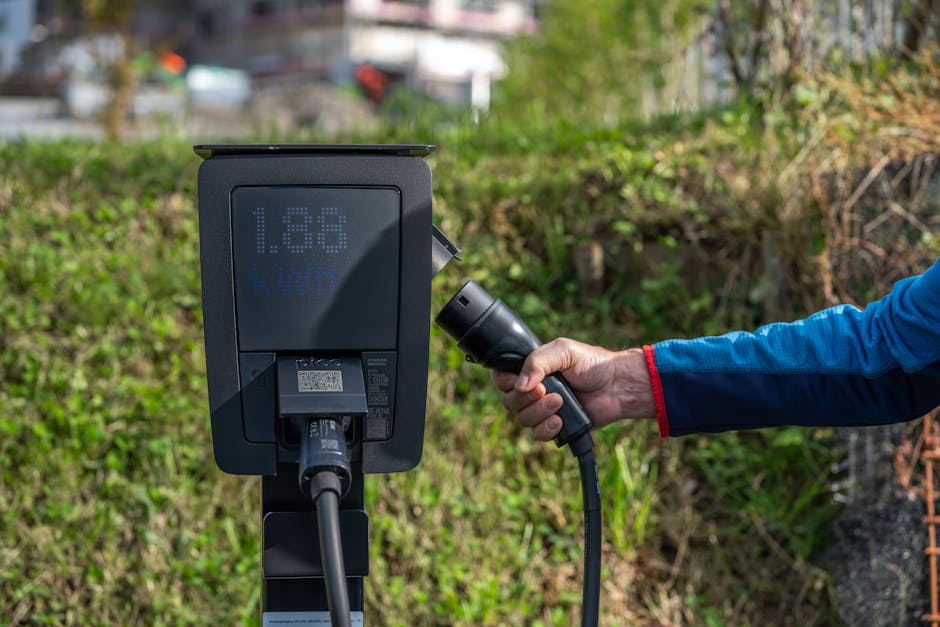
For home integration, you’ll need a bidirectional home charging station, which differs from standard unidirectional chargers. These units cost $2,000 to $5,000 installed and require professional installation by a licensed electrician. The charger must connect to your home’s electrical panel and include safety features like isolation switches and anti-islanding protection to prevent backfeeding dangerous voltage into the grid during outages.
Your home’s electrical panel may require upgrades to accommodate bidirectional power flow. If your panel is near capacity or lacks available breaker slots, upgrades could cost $1,500 to $3,000. Older homes with 100-amp service might need expansion to 200-amp service for optimal V2L performance alongside normal household loads.
A load management system or smart home integration coordinates which appliances receive power during V2L discharge. This prevents overloading your vehicle’s battery by prioritizing critical loads. Many modern smart home systems can integrate V2L through Matter Protocol and smart home automation, enabling automated load switching based on electricity rates, battery levels, and household needs.
Your vehicle’s onboard charger must support bidirectional communication. All V2L-capable vehicles include this as standard, but older EVs lack this functionality and cannot be retrofitted. Finally, verify your utility company’s policies. Some utilities restrict or prohibit V2L due to grid stability concerns, while others actively encourage it through rebate programs.
How Do You Set Up V2L Vehicle to Load Charging in Your Home?
Setting up V2L charging involves several sequential steps, starting with assessment and ending with optimization. Step 1: Verify Vehicle Compatibility. Confirm your vehicle supports V2L by checking the owner’s manual or contacting your dealership. Ensure your vehicle’s firmware is updated to the latest version, as manufacturers sometimes enable V2L through software updates.
Step 2: Assess Your Home’s Electrical Infrastructure. Have a licensed electrician evaluate your electrical panel, available breaker capacity, and grounding systems. Older homes or those with aluminum wiring may require special considerations. Request a written assessment of upgrade needs and costs before proceeding.
Step 3: Choose Your V2L Setup Level. Decide between portable V2L charging for occasional use or a permanent home installation. Portable chargers are ideal for testing V2L benefits without major investment. Permanent installations suit households wanting comprehensive backup power and load management.
Step 4: Install Bidirectional Charging Equipment. For permanent setups, hire a certified electrician experienced with bidirectional charger installation. The installer should verify compatibility between your vehicle, charger model, and home electrical system. Installation typically takes one to two days. Expect to pay $3,500 to $7,000 total including equipment and labor.
Step 5: Integrate Smart Home Controls. Install load management software or connect your charging station to your smart home system. Configure priority settings for critical loads—typically refrigeration, heating/cooling, lighting, and medical equipment receive priority during battery discharge. Set charging schedules to take advantage of off-peak electricity rates.
Step 6: Test and Optimize. Perform test discharges during off-peak hours to verify system operation. Monitor energy flow through your smart home dashboard. Adjust load priorities and charging schedules based on actual household consumption patterns and electricity rate structures.
Step 7: Explore Utility Programs. Contact your utility company about V2L participation incentives, demand response programs, or time-of-use rate plans that maximize V2L financial benefits. Some utilities offer rebates for home battery integration or V2L-capable equipment.
Common mistakes to avoid: Don’t attempt DIY electrical installation—this creates safety hazards and violates building codes. Don’t assume all V2L chargers work with all vehicles—verify compatibility explicitly. Don’t neglect firmware updates, as manufacturers regularly improve V2L functionality. Don’t overlook surge protection for connected appliances, as bidirectional power flow can create transient voltage spikes.
What Are the Safety Considerations for V2L Vehicle to Load Charging?
V2L technology introduces specific safety considerations that differ from standard EV charging. Anti-islanding protection is critical. This safety feature prevents your home from supplying power to utility lines during grid outages, which could electrocute utility workers attempting repairs. All certified bidirectional chargers include anti-islanding protection, but verify this explicitly before purchase.
Electrical panel safety requires professional assessment. Backfeeding dangerous voltage into your home’s electrical panel is possible without proper isolation switches and breaker configuration. Licensed electricians understand these requirements, but DIY installers often miss critical safety steps.
Battery degradation from frequent discharge cycles is a legitimate concern. V2L discharge stresses battery chemistry similarly to fast charging. However, manufacturers design EV batteries for thousands of charge cycles, and V2L discharge typically occurs infrequently enough that battery life impacts remain minimal. Modern battery management systems optimize discharge profiles to minimize degradation.
Vehicle availability during emergencies matters. If you discharge your vehicle’s battery completely for home power, you may lack sufficient charge for emergency evacuation. Best practice: maintain a minimum battery state-of-charge (typically 20-30%) for vehicle use, with only excess capacity available for home discharge.
Overcurrent protection prevents equipment damage from excessive power draw. Your home’s circuit breakers and the charger’s built-in protections work together to disconnect power if current exceeds safe levels. Never override or disable these protections.
Surge protection safeguards sensitive electronics. Install whole-home surge protectors at your electrical panel and individual surge strips for critical devices. Bidirectional power flow can create voltage spikes when charging or discharging begins.
How Do V2L Costs Compare to Other Backup Power Solutions?
Understanding V2L economics requires comparing total costs across different backup power approaches. A portable V2L charger costs $500 to $2,000 and provides 1-3.6 kW continuous power—sufficient for essential loads during outages. This represents the lowest investment option and works immediately if you own a compatible vehicle.
A portable gas generator costs $1,000 to $5,000 depending on capacity, requires fuel storage and maintenance, produces emissions and noise, and has limited lifespan (typically 10-15 years). Fuel costs add $200-500 annually for occasional backup use.
A home battery system like Tesla Powerwall costs $10,000 to $15,000 installed and provides 13.5 kWh of storage. This is more expensive than V2L but doesn’t depend on vehicle availability and integrates seamlessly with solar panels.
A permanent V2L installation costs $3,500 to $7,000 for equipment and installation, providing 6-11 kW continuous power and full home integration. Over 10 years, assuming your vehicle remains in service, this costs $350-700 annually—lower than generator fuel costs and vastly superior to portable solutions.
The financial advantage of V2L increases when combined with time-of-use electricity rates. Discharging during peak hours (4-9 PM) and charging overnight can save $1,000-2,000 annually on electricity bills, recovering the installation investment in 2-4 years. Eliminating phantom loads and energy vampires through smart home integration amplifies these savings further.
What Does the Future of V2L Vehicle to Load Charging Look Like in 2026 and Beyond?
V2L technology is transitioning from niche feature to standard EV capability. By 2026, most major manufacturers plan V2L integration across their electric vehicle lineups. Standardization efforts are accelerating, with organizations like the Society of Automotive Engineers (SAE) developing universal V2L protocols. This standardization will reduce equipment costs and increase interoperability between vehicles and charging systems.
Utility integration is expanding rapidly. Progressive utility companies are developing V2L-friendly rate structures and demand response programs that compensate vehicle owners for grid services. By 2027-2028, expect widespread utility V2L programs in major metropolitan areas.
Charging infrastructure expansion will accelerate V2L adoption. Public charging networks are beginning to install bidirectional chargers, enabling V2L discharge at parking locations. This creates opportunities for V2L use beyond home environments.
Battery technology improvements will increase vehicle storage capacity and reduce degradation from discharge cycles. Next-generation solid-state batteries promise 50% greater energy density, enabling larger V2L power transfers from smaller batteries.
Smart grid integration will enable vehicles to participate automatically in grid balancing. Your vehicle could discharge during peak demand periods without manual intervention, with algorithms optimizing discharge timing based on electricity prices and grid conditions.
Vehicle-to-everything (V2X) evolution will extend V2L beyond homes. Vehicles could power neighborhood microgrids during outages, support emergency response operations, or provide temporary power at event venues. This transforms electric vehicles into distributed energy infrastructure.
Frequently Asked Questions
Can all electric vehicles use V2L charging?
No, V2L requires specific hardware and software in the vehicle’s onboard charger. Most vehicles manufactured before 2023 lack V2L capability. Hyundai, Kia, Ford, Volkswagen, and BMW offer V2L on select 2024-2026 models, but not all trim levels include this feature. Check your vehicle’s specifications or contact your dealership to confirm V2L compatibility before assuming your EV supports this technology.
How long can V2L power my home during an outage?
Duration depends on your vehicle’s battery capacity and household power consumption. A typical 60 kWh battery can power essential loads (refrigeration, lighting, heating) for 24-48 hours. If you discharge at maximum rates, a 60 kWh battery depletes in 6-10 hours powering a typical 6-10 kW load. Most households should maintain a minimum 30% state-of-charge for vehicle use, limiting V2L discharge to 40 kWh—sufficient for 2-3 days of essential loads.
Does V2L charging degrade my vehicle’s battery?
V2L discharge stresses batteries similarly to fast charging, but modern EV batteries tolerate thousands of charge cycles. Occasional V2L use (weekly or monthly discharge) produces negligible degradation. Frequent daily discharge accelerates degradation slightly, though most vehicles reach end-of-life before battery capacity drops below 70%. Manufacturers warranty batteries for 8-10 years, covering most degradation scenarios. Smart battery management systems optimize discharge profiles to minimize stress.
What’s the difference between V2L and V2H?
V2L (Vehicle to Load) uses portable chargers and delivers 1-3.6 kW, suitable for external devices and limited home backup. V2H (Vehicle to Home) requires permanent installation, delivers 6-11 kW, integrates with home electrical systems, and provides comprehensive backup power. V2L costs $500-2,000; V2H costs $3,500-7,000 installed. Choose V2L for portability and lower cost; choose V2H for whole-home backup and load management integration.
Do I need a new electrical panel for V2L installation?
Not necessarily. If your electrical panel has available breaker slots and adequate capacity, panel upgrades aren’t required. Older homes with 100-amp service might need expansion to 200-amp service for optimal V2L performance alongside normal loads, costing $1,500-3,000. A licensed electrician can assess your specific situation and determine upgrade necessity. Many homes can accommodate V2L without panel upgrades.
Can V2L chargers work with standard household outlets?
Portable V2L chargers work with standard 120V outlets, delivering approximately 1.4 kW—suitable for charging devices and powering small loads. For faster charging and higher power (3.6 kW), 240V outlets are required. Home V2H installations use dedicated 240V circuits. Standard outlets have limitations for extended V2L use; professional installation of dedicated circuits is recommended for regular home backup power applications.
Is V2L Vehicle to Load Charging Worth It for Your Home in 2026?
V2L vehicle to load charging represents a transformative technology that converts electric vehicles from one-directional energy consumers into bidirectional grid participants. For households already committed to EV ownership, V2L capability adds significant value through emergency backup power, electricity cost savings, and energy independence. The decision to implement V2L depends on your specific circumstances, risk tolerance, and financial situation.
If you experience frequent power outages, live in a region with high electricity rates, or want to maximize renewable energy utilization, V2L installation delivers compelling returns. The technology is mature enough for reliable operation, with major manufacturers confirming long-term support and continued development. Safety standards are well-established, and professional installation ensures proper integration with your home’s electrical system.
For most households, starting with a portable V2L charger is prudent. This $500-2,000 investment tests V2L benefits without major commitment. If you discover significant value from portable V2L, upgrading to a permanent home installation becomes a justified investment. The lower cost of entry reduces financial risk while validating the technology’s practical benefits in your specific situation.
Looking forward to 2026 and beyond, V2L technology will become increasingly standard across electric vehicle lineups. Utility companies are developing favorable rate structures and incentive programs. Charging infrastructure is expanding to support V2L at public locations. Battery technology improvements will increase storage capacity and reduce degradation concerns. These trends suggest V2L adoption will accelerate, making early implementation a forward-thinking decision.
The convergence of vehicle electrification, grid modernization, and renewable energy integration creates an ideal environment for V2L adoption. Your electric vehicle can become your home’s most flexible and mobile energy asset, providing security during outages while reducing electricity costs during normal operations. Whether you implement V2L now or wait for greater standardization and lower costs, understanding this technology positions you to make informed decisions about your home’s energy future.




Write Your Review
No reviews yet. Be the first to share your experience!