

What Is Using an EV Battery as Home Energy Storage Backup?
Using your electric vehicle’s battery as a home energy storage backup system—often called Vehicle-to-Home (V2H) or Vehicle-to-Grid (V2G) technology—allows you to store excess energy in your EV and discharge it back to power your home during outages or peak demand hours. This bidirectional charging capability transforms your vehicle into a mobile energy asset that can provide 10 to 50+ kilowatt-hours of backup power, depending on your EV’s battery size. In 2026, V2H adoption has accelerated significantly with improved hardware compatibility, lower installation costs, and expanded utility incentives. The core advantage is energy independence: you reduce reliance on the grid, lower electricity costs by shifting consumption to off-peak hours, and gain reliable backup power without purchasing a dedicated home battery system like a Tesla Powerwall.
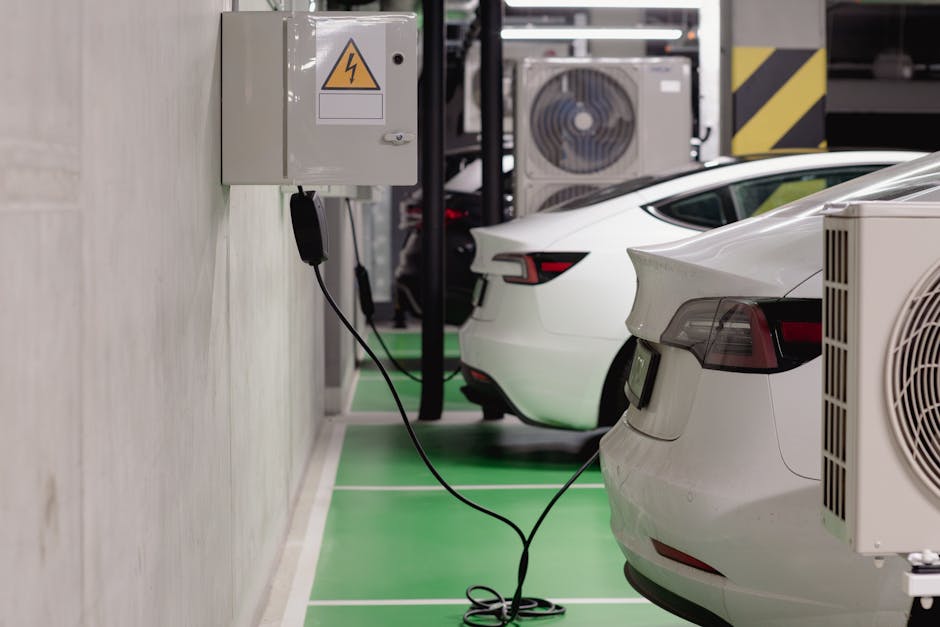
The technology works through a smart bidirectional charger that communicates with both your vehicle and home electrical panel. When your home needs power—either during a grid outage or when utility rates are high—the charger reverses current flow and draws energy from your EV’s battery. Modern EVs from manufacturers including Tesla, Nissan, Hyundai, and others now support this capability, making it increasingly accessible to homeowners seeking affordable energy resilience.
How Does Bidirectional EV Charging Technology Work for Home Backup?
Bidirectional charging relies on specialized hardware and vehicle capability that standard Level 2 chargers cannot provide. Your EV must support either CHAdeMO, CCS, or proprietary protocols like Tesla’s Wall Connector that enable V2H functionality. The bidirectional charger installed in your garage acts as an intelligent gateway, managing power flow in both directions while protecting your vehicle’s battery health through sophisticated software controls.

When grid power is available and electricity rates are low, the charger prioritizes charging your EV to maximize stored energy. During peak demand periods or outages, you can manually or automatically switch the charger to discharge mode, sending stored energy back to your home’s critical circuits or entire electrical panel depending on your setup. Advanced systems integrate with your home energy management platform, allowing predictive algorithms to optimize charging and discharging schedules based on utility rates, weather forecasts, and household consumption patterns.
Battery management is critical: the charger continuously monitors your EV’s battery health, temperature, and state of charge to prevent degradation. Most systems prevent full depletion, maintaining a reserve to ensure you can still drive when needed. Smart EV charging based on time-of-use rates in 2026 integrates seamlessly with V2H systems, automatically scheduling charging during the cheapest grid hours and discharging during expensive peak periods.
Key Components of a V2H System
- Bidirectional Charger: The central hardware device (typically 7-11 kW for residential use) that manages power flow and communicates with your vehicle and home panel
- Vehicle Compatibility: Your EV must support bidirectional charging protocols; not all electric vehicles offer this feature yet
- Home Integration: Connection to your electrical panel allows power distribution to specific circuits or whole-home backup
- Energy Management Software: Smart controls that optimize charging/discharging based on rates, grid conditions, and household needs
- Safety Systems: Automatic disconnect switches and monitoring to prevent backfeeding and ensure grid safety
What Are the Financial Benefits and Cost Considerations of V2H in 2026?
The financial case for EV battery home backup has strengthened considerably in 2026. Bidirectional chargers now cost between $2,000 and $4,500 installed—significantly less than dedicated home battery systems that range from $10,000 to $20,000. For homeowners who already own an EV, V2H represents one of the most cost-effective ways to add backup power and energy management capability.

Cost savings emerge from multiple sources: time-of-use arbitrage (charging when rates are low, discharging when rates are high), demand charge reduction for commercial properties, and avoided outage costs. A typical household can save $500 to $2,000 annually on electricity costs depending on local utility rates and usage patterns. Federal tax credits up to $1,000 for residential V2H equipment installation are available in many regions, and some states offer additional rebates. Utility companies increasingly provide incentives for V2G participation, paying homeowners to discharge during peak grid stress periods.
However, considerations include installation complexity (requiring panel upgrades in some homes), vehicle compatibility limitations, and potential battery degradation concerns. While modern systems minimize wear through intelligent management, heavy V2H usage may slightly accelerate battery aging—though most EV warranties now cover battery degradation from V2H operation. Calculate your payback period based on local electricity rates and your specific usage patterns before committing.
How Do You Install and Configure a V2H System for Your Home?
Installing an EV battery backup system requires careful planning and professional installation. Begin by verifying your vehicle supports bidirectional charging—check your owner’s manual or manufacturer website. Tesla vehicles use proprietary Wall Connector V2H capabilities, Nissan Leaf models support CHAdeMO bidirectional charging, and newer Hyundai, Kia, and other manufacturers offer CCS-based V2H compatibility.
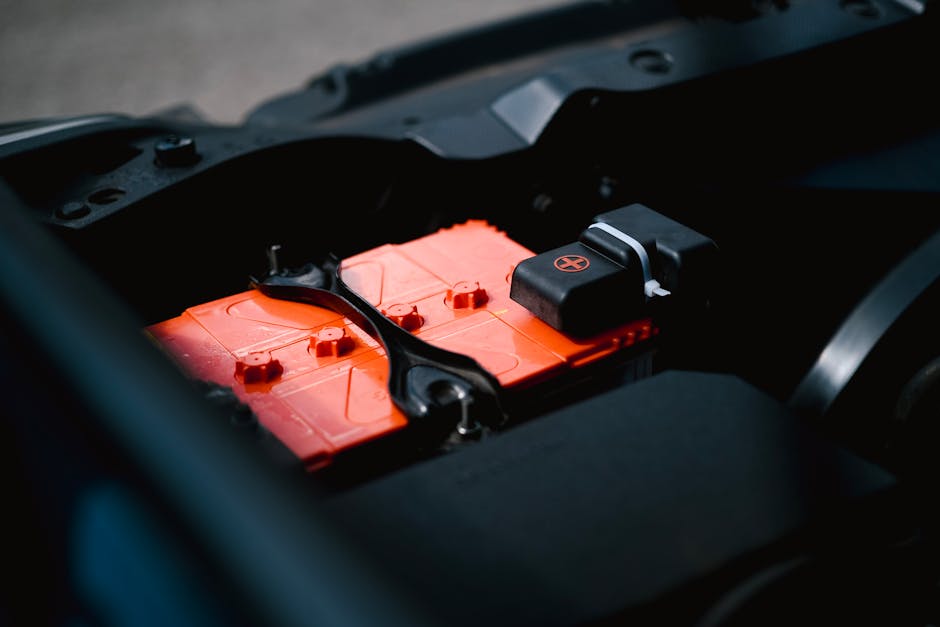
Next, assess your home’s electrical infrastructure. Your service panel must have adequate capacity; most homes need a 200-amp service to safely support a 9-10 kW bidirectional charger. Hire a licensed electrician to evaluate your panel and determine if upgrades are needed. Panel upgrades can add $1,000 to $3,000 to your installation cost but are often necessary for proper system operation.
Select a bidirectional charger compatible with your vehicle and home setup. Major options in 2026 include Tesla Wall Connector (Tesla vehicles only), Wallbox Quasar (CCS vehicles), Nissan CHAdeMO chargers, and emerging Matter Protocol compatible chargers improving EV charger compatibility. Work with your electrician to determine whether you want critical-load-only backup (powering specific circuits like refrigerator, medical equipment, lighting) or whole-home backup capability.
Once hardware is installed, configure your energy management settings. Most systems connect to cloud platforms where you set preferences for charging windows, discharge thresholds, and backup power priorities. Integrate with your home’s broader energy ecosystem—if you have solar panels, excess solar management for EV charging optimization can automatically charge your vehicle during peak solar production. For comprehensive energy visibility, home energy monitors track solar production and coordinate with your V2H system for optimal efficiency.
Test your system thoroughly before relying on it for backup. Run manual discharge tests during non-critical times to ensure proper operation. Many installers provide training on system operation and emergency procedures.
What Are Common Mistakes to Avoid When Using EV Batteries for Home Backup?
One critical error is depleting your EV’s battery too aggressively. Maintain a minimum 20-30% state of charge to ensure you can still drive to work or emergencies. Configure your system to prevent discharge below this threshold automatically. Another mistake is ignoring battery health monitoring—check your vehicle’s battery diagnostic reports regularly and adjust your V2H usage if degradation accelerates beyond normal expectations.
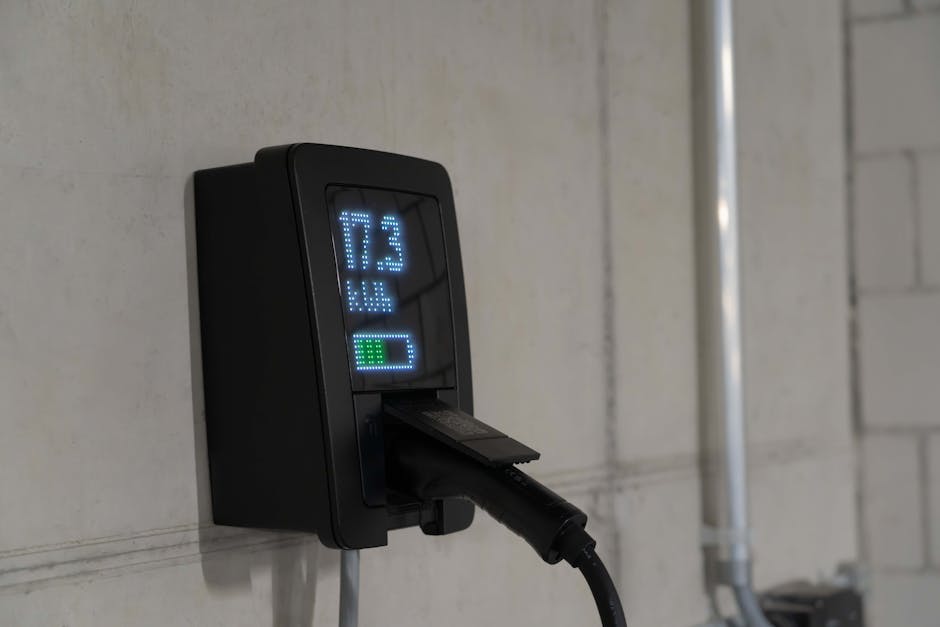
Failing to coordinate V2H with other home systems creates inefficiencies. If you have solar panels and a V2H system, poor integration means missing opportunities to charge your EV with free solar energy during peak production hours. Conversely, discharging your EV to power your home when the sun is shining wastes the chance to use renewable energy directly. Integrate your systems using smart home energy management systems that can optimize across all assets.
Many homeowners also overlook utility rate structures. If your electricity plan doesn’t have time-of-use pricing, V2H financial benefits are minimal. Contact your utility to switch to time-of-use rates if available—these plans are essential for maximizing savings. Additionally, don’t neglect grid safety: ensure your system includes proper anti-islanding protection and automatic disconnect switches. Improper installation can create hazards for utility workers during outages.
Finally, avoid purchasing a bidirectional charger before confirming your vehicle’s compatibility and your electrical panel’s capacity. Incompatible equipment cannot be returned easily and represents wasted investment. Always verify specifications with your electrician and vehicle manufacturer before purchase.
How Do You Optimize V2H Performance with Smart Home Integration?
Modern V2H systems achieve maximum value through intelligent integration with broader home energy management platforms. Smart home energy management software uses real-time data about electricity prices, grid demand, weather forecasts, and household consumption to make autonomous charging and discharging decisions. This removes the burden of manual optimization and ensures your system operates at peak efficiency continuously.
Connect your V2H charger to your home’s central energy hub—whether that’s a dedicated energy management system or a broader smart home platform. These systems should track multiple data streams: your EV’s battery state, your home’s current power consumption, utility rate changes, solar production (if applicable), and grid stress signals from your utility. AI predictive modeling optimizes energy by forecasting future rates and consumption, allowing your system to make proactive decisions. For example, if AI predicts electricity rates will spike at 6 PM and your EV will be fully charged by 4 PM, the system can discharge strategically during the expensive period.
Integration with smart meters that work with solar systems enables real-time visibility into your net energy position. You can see exactly how much energy your EV has stored, how much your home is consuming, and how much solar is being generated, allowing for informed manual overrides when needed. For apartment dwellers, smart home energy management systems for apartments provide similar benefits even without dedicated electrical infrastructure.
Consider participating in utility V2G programs where available. These programs compensate you for discharging during peak demand periods, essentially paying you to help stabilize the grid. Your smart home system can automatically enroll in these programs and manage participation without your intervention, turning your EV into a revenue-generating asset. Blockchain-based peer energy sharing platforms are also emerging in 2026, allowing homeowners to sell excess stored energy to neighbors directly.
Network responsiveness matters too. Ensure your V2H charger and home energy management system support 5G connectivity for improved smart home device responsiveness, enabling faster communication with your utility and quicker reaction to rate changes and grid signals. This low-latency connectivity can improve your savings by several hundred dollars annually through faster response to dynamic pricing events.
What Utility and Grid Considerations Should You Know About V2H?
Before installing a V2H system, contact your utility company to understand their policies and incentive programs. Many utilities actively encourage V2H adoption and offer rebates, time-of-use rate discounts, or direct compensation for V2G participation. Some utilities have specific requirements: your charger may need to be certified, your system may need remote monitoring capability, or you may need to enroll in a formal program to participate in grid services.
Understand your utility’s rate structure in detail. Time-of-use rates are essential for V2H economics—without them, the financial benefits largely disappear. If your utility doesn’t offer time-of-use pricing, advocate for it or consider switching providers if alternatives exist in your area. Some utilities offer demand response programs where you receive payments for allowing them to control your charging during peak periods; V2H systems integrate well with these programs.
Grid interconnection rules vary by region. Some jurisdictions require formal interconnection agreements even for residential V2H, while others have simplified processes. Your installer should handle these requirements, but verify that your system will be properly registered and that you’re compliant with local regulations. Failure to register can result in fines or forced system removal.
Consider the environmental impact of your V2H usage. Discharging to the grid during peak demand (typically late afternoon/early evening) helps avoid fossil fuel peaker plants, providing genuine environmental benefits. Conversely, charging during hours when coal or natural gas plants are running reduces your net environmental advantage. Many utilities provide real-time data about their grid’s carbon intensity—use this information to time your charging when renewable energy is abundant.
Frequently Asked Questions
Can all electric vehicles support V2H charging in 2026?
No, not all EVs support bidirectional charging yet. Tesla vehicles support V2H through their Wall Connector, Nissan Leaf models use CHAdeMO, and newer Hyundai, Kia, Genesis, and other brands offer CCS-based V2H. Check your specific vehicle’s specifications and owner’s manual to confirm compatibility before purchasing a bidirectional charger.
How much battery degradation does V2H cause?
Modern V2H systems are designed to minimize battery wear through intelligent management that prevents extreme discharge cycles and monitors temperature. Most EV manufacturers now include V2H usage in their battery warranties. Degradation from V2H is typically minimal—roughly equivalent to normal driving wear—but heavy daily usage may slightly accelerate aging compared to vehicles used for charging only.
What’s the difference between V2H and V2G?
V2H (Vehicle-to-Home) allows your EV to power only your home during outages or peak demand. V2G (Vehicle-to-Grid) enables your EV to also export power back to the utility grid, often with compensation. V2G requires utility enrollment and grid interconnection agreements, while V2H is simpler and more immediately available to most homeowners.
How long can an EV battery power a home during an outage?
Duration depends on your EV’s battery capacity and your home’s power consumption. A 60 kWh battery powering critical loads (refrigerator, lights, heating) might last 24-48 hours. Powering your entire home might last 4-8 hours. Most homeowners use V2H for critical-load-only backup to extend duration and preserve driving capability.
Do I need a home battery system if I have V2H?
Not necessarily. V2H provides similar benefits to dedicated home batteries at lower cost if you own an EV. However, dedicated batteries like Tesla Powerwall offer advantages: they charge from solar during the day without depleting your vehicle, they’re always available (your EV might be at work), and they don’t affect your vehicle’s range. Many homeowners combine both for maximum resilience.
What’s the payback period for a V2H system?
Payback typically ranges from 5 to 10 years depending on your electricity rates, usage patterns, and available incentives. High time-of-use rate spreads and utility V2G compensation accelerate payback. Federal tax credits and state rebates can reduce your effective cost by 20-30%, improving payback significantly. Calculate based on your specific utility rates and local incentive programs.
Is Using Your EV Battery as Home Energy Storage the Right Choice for Your Household?
Using your EV battery as home energy storage backup is an excellent choice if you own or plan to purchase an electric vehicle and have access to time-of-use electricity rates. The technology has matured significantly in 2026, with improved hardware reliability, expanded vehicle compatibility, and proven financial returns. Unlike dedicated home battery systems that require substantial upfront investment, V2H leverages an asset you already own, making it economically compelling for many homeowners.
The decision becomes clearer when you consider your specific circumstances. If you live in an area with frequent outages, V2H provides invaluable peace of mind and practical backup power. If your utility offers dynamic pricing or V2G compensation, the financial case is strong—you can realistically save $500-$2,000 annually. If you have solar panels, V2H integration amplifies your energy independence by allowing you to store excess solar generation and use it strategically. If you have critical medical equipment or live in a region with extreme weather, the backup power capability alone justifies the investment.
However, V2H may not be ideal if your utility doesn’t offer time-of-use rates (making financial benefits minimal), if your vehicle doesn’t support bidirectional charging, or if your electrical panel requires expensive upgrades. In these cases, a dedicated home battery might offer better long-term value despite higher upfront costs.
The broader trend is clear: as more vehicles support V2H, as bidirectional chargers become cheaper and more efficient, and as utilities expand incentive programs, EV battery backup will become standard for energy-conscious homeowners. By 2026, the question isn’t whether V2H technology works—it does—but whether your specific situation justifies the investment. Evaluate your electricity rates, outage frequency, vehicle compatibility, and available incentives honestly, then make an informed decision aligned with your energy goals and financial situation.




Write Your Review
No reviews yet. Be the first to share your experience!