
How Does a Smart Meter Work with Solar in 2026?
A smart meter integrated with a solar energy system measures electricity flowing in both directions—power your home consumes from the grid and excess solar energy you send back. In 2026, advanced smart meters use real-time data communication to track this bidirectional flow, enabling net metering programs where you receive credits for surplus energy exported. The meter communicates with your utility provider through cellular, Wi-Fi, or fiber connections, automatically recording generation and consumption patterns every 15 minutes to an hour. This capability allows homeowners to maximize solar ROI by monitoring production in real-time, identifying peak generation times, and coordinating energy use with available solar output. Smart meters eliminate the need for separate monitoring systems by providing comprehensive visibility into your energy independence journey while enabling utilities to balance grid demand with distributed solar resources efficiently.
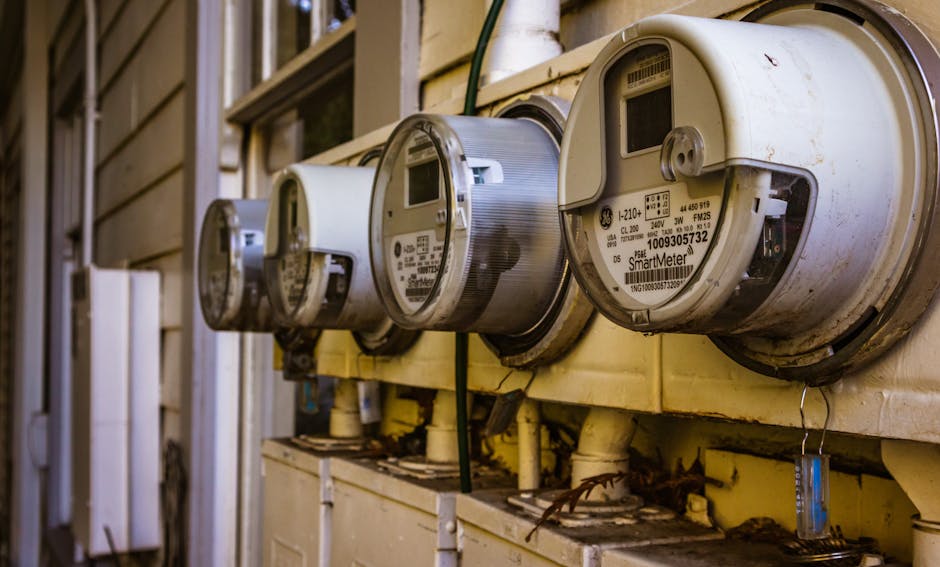
The integration of smart meters with residential solar systems represents a significant evolution from traditional mechanical meters that simply recorded net consumption. Modern smart meters in 2026 feature advanced semiconductor technology and cloud connectivity that enables dynamic rate structures, demand response programs, and sophisticated billing calculations. Homeowners benefit from granular data about when their solar panels generate the most power and when household consumption peaks, allowing strategic decisions about energy usage timing and potential battery storage investments. Utilities gain real-time visibility into distributed generation across their service territories, improving grid stability and enabling better integration of renewable energy sources. This symbiotic relationship between smart meters and solar systems has become foundational to modern energy infrastructure, supporting the transition toward a more distributed, renewable-powered grid.
What Are the Key Components of a Smart Meter Solar Integration System?
A complete smart meter and solar integration system consists of several interconnected components working together seamlessly. The smart meter itself is the central hub, containing a digital display, communication module, and advanced metering infrastructure (AMI) that enables two-way data transmission. Your solar inverter converts DC power from panels into AC electricity and communicates with the smart meter to report real-time generation data. The utility’s backend systems receive meter data through secure networks, processing consumption and generation information to calculate net metering credits or charges. Many systems in 2026 also include home energy management systems that display solar production and household consumption on mobile apps or web dashboards, giving homeowners unprecedented visibility into their energy patterns.
The Smart Meter Hardware
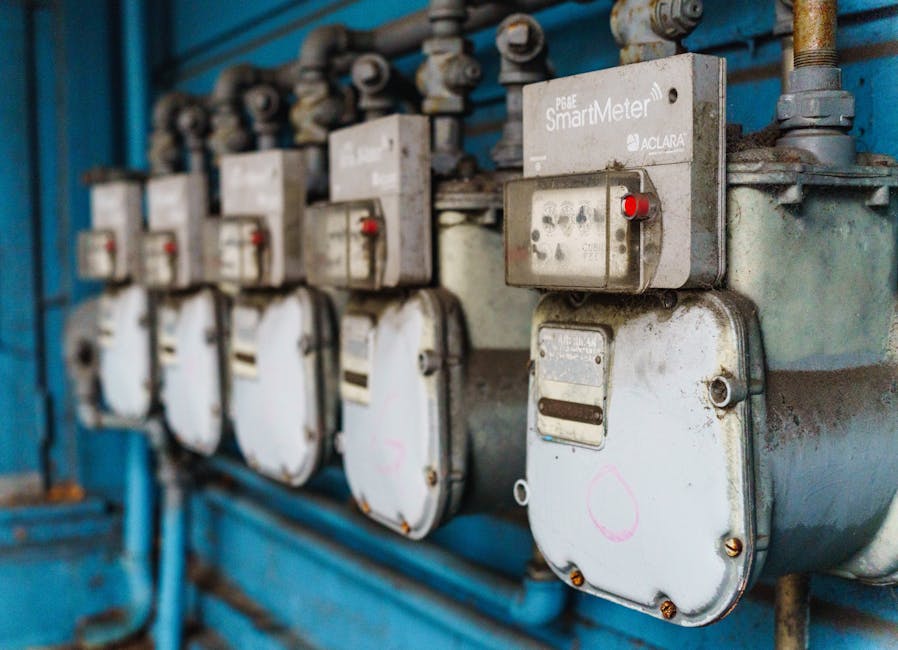
Modern smart meters designed for solar integration feature bidirectional measurement capability, meaning they can accurately record electricity flowing from the grid into your home and from your solar system back to the grid. The hardware includes a microprocessor, memory storage for historical data, and communication modules supporting multiple protocols. Unlike older mechanical meters that physically spun faster or slower based on net flow, smart meters use electronic measurement with accuracy ratings exceeding 99.5 percent. The digital display shows real-time power flow direction, making it immediately obvious whether you’re consuming or exporting energy. Advanced models include tamper detection, power quality monitoring, and compatibility with advanced rate structures that incentivize solar owners to shift consumption to peak generation hours.
Solar Inverter Communication
Your solar inverter acts as the translator between your panels and the electrical grid, and modern inverters communicate directly with smart meters through standardized protocols. String inverters, microinverters, and hybrid inverters all support real-time data sharing that allows the smart meter to accurately attribute power generation to your solar system. This communication enables utilities to distinguish between solar generation and grid consumption, which is essential for proper net metering calculations. Many inverters in 2026 support open standards like Modbus or DNP3, ensuring compatibility across different manufacturers’ equipment. This interoperability means homeowners can upgrade solar components independently without worrying about meter compatibility issues.
Grid Communication Infrastructure
Smart meters communicate with utility systems through various technologies including power line communication (PLC), cellular networks, Wi-Fi, and fiber optics. The choice depends on your utility’s infrastructure and service area. Cellular connections have become increasingly reliable and secure, using LTE-M or 5G networks for robust data transmission. Real-time communication allows utilities to receive meter readings on demand rather than waiting for monthly manual readings, enabling more accurate billing and faster issue detection. The data transmission is encrypted and secured with multiple authentication layers to prevent unauthorized access or manipulation of energy data.
How Does Net Metering Work with Smart Meters and Solar Panels?
Net metering is the billing mechanism that makes residential solar economically viable, and smart meters are essential to its operation. When your solar panels generate more electricity than your home consumes, the excess power flows back to the grid, and your smart meter records this export. The utility credits your account for this exported energy, typically at the same rate you pay for grid electricity consumed during other times. This means your net monthly bill reflects only the difference between total consumption and total generation. Smart meters enable more sophisticated net metering variations in 2026, including time-of-use net metering where exported energy receives different credits depending on when it was generated, with higher values during peak demand periods.
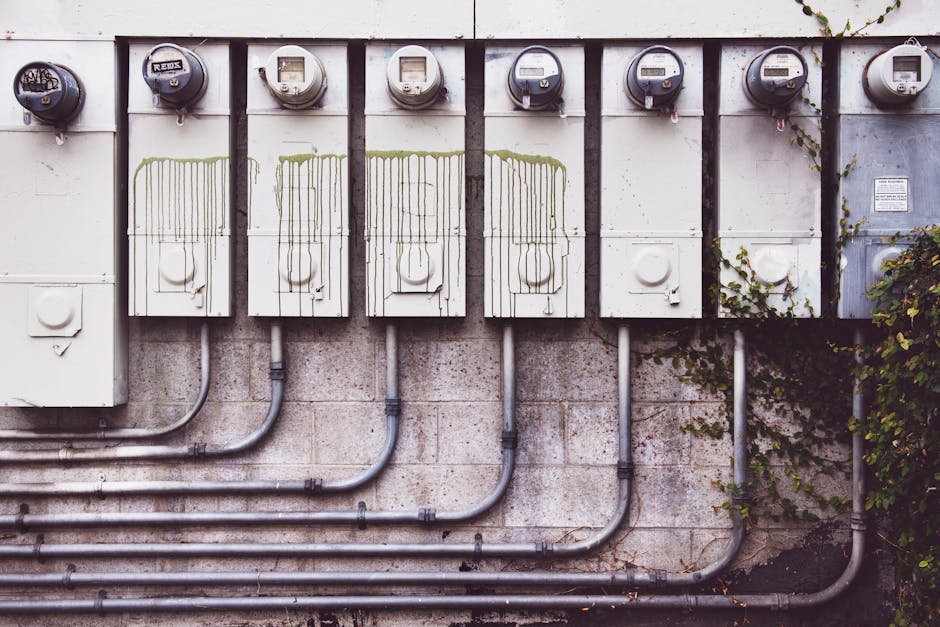
The mechanics of net metering have evolved significantly with smart meter technology. Traditional net metering simply credits kilowatt-hours exported at the retail rate, creating a straightforward payback calculation. However, many utilities now implement net metering 2.0 or 3.0 programs that use smart meter data to offer time-of-use credits, demand charges, or participation in demand response programs. These advanced programs incentivize solar owners to export energy during peak demand hours when grid electricity is most valuable. Smart meters track these nuances automatically, calculating appropriate credits based on the specific time and date of energy export. This complexity would be impossible to manage with traditional meters, making smart meters the technological foundation of modern net metering programs.
Understanding your utility’s specific net metering rules is crucial for maximizing solar ROI. Some utilities offer one-to-one net metering where exported energy receives full retail credit, while others implement lower export rates that reduce the economic benefit of solar. Smart meters provide transparent data showing exactly how much energy you exported and what credits you received, eliminating billing disputes. You can access this information through utility portals or third-party monitoring apps that integrate with your smart meter data. This transparency helps you make informed decisions about potential battery storage investments or changes to consumption patterns that could improve your solar economics.
What Real-Time Monitoring Capabilities Do Smart Meters Provide for Solar Systems?
Smart meters in 2026 offer unprecedented visibility into solar generation and home energy consumption patterns through real-time or near-real-time data access. Most utilities provide web portals and mobile applications where you can view your consumption and generation data updated every 15 minutes to one hour, depending on the meter’s communication interval. This granular data reveals exactly when your solar panels produce the most power and when your household consumes the most energy, enabling strategic decisions about appliance scheduling and potential battery investments. Some advanced systems integrate with home energy monitors that track solar production in 2026, providing even more detailed insights into individual circuit consumption and solar array performance.
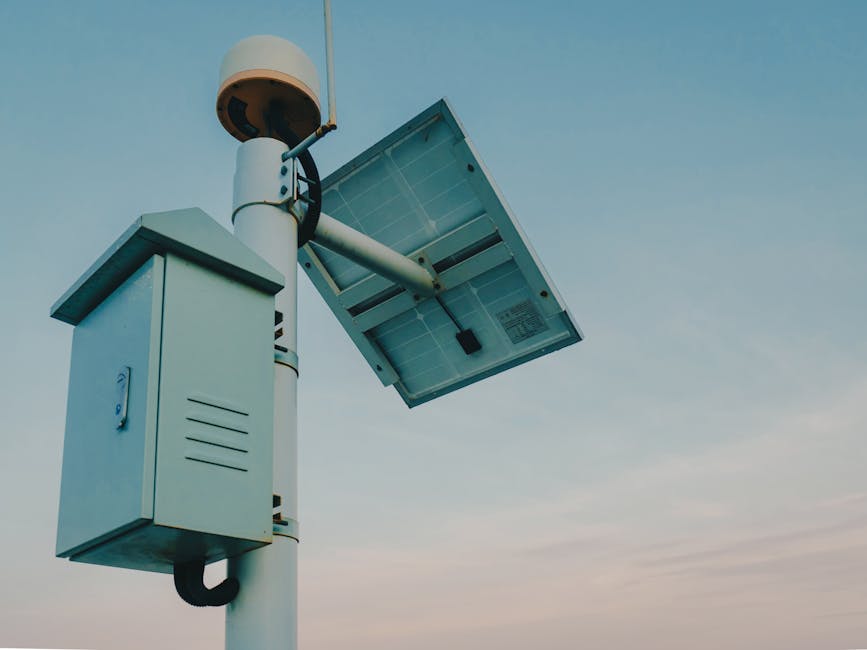
The real-time monitoring data from smart meters serves multiple purposes beyond simple consumption tracking. You can identify consumption anomalies that might indicate equipment failures or unusual usage patterns, potentially uncovering opportunities for energy savings. The data also helps you understand how weather affects solar generation, showing reduced output on cloudy days and seasonal variations in peak production times. This information becomes invaluable when evaluating whether battery storage makes financial sense for your situation. If your smart meter data shows significant solar generation during times when you’re away from home, battery storage could capture that energy for evening use. Conversely, if your consumption already aligns well with solar generation, battery investment might not provide sufficient payback.
Integration with smart EV charging based on time-of-use rates represents another powerful application of smart meter data. Homeowners can program their electric vehicles to charge during peak solar generation hours, essentially using solar energy for transportation while minimizing grid electricity consumption. Smart meters track this coordinated consumption, showing the complete picture of how solar, EV charging, and home consumption interact. This level of optimization was impossible before smart meters made granular, real-time data accessible to both homeowners and utilities.
How Do Smart Meters Enable Advanced Solar Energy Management in 2026?
Smart meters serve as the data foundation for increasingly sophisticated energy management systems that optimize solar utilization. In 2026, smart meters work in conjunction with home energy management systems (HEMS) and artificial intelligence to automate decisions about when to consume energy, when to store it, and when to export it. These systems analyze historical smart meter data combined with weather forecasts to predict solar generation and automatically adjust consumption patterns accordingly. For example, the system might delay running your dishwasher or charging your electric vehicle until solar generation peaks, reducing grid consumption and maximizing self-consumption of solar energy.
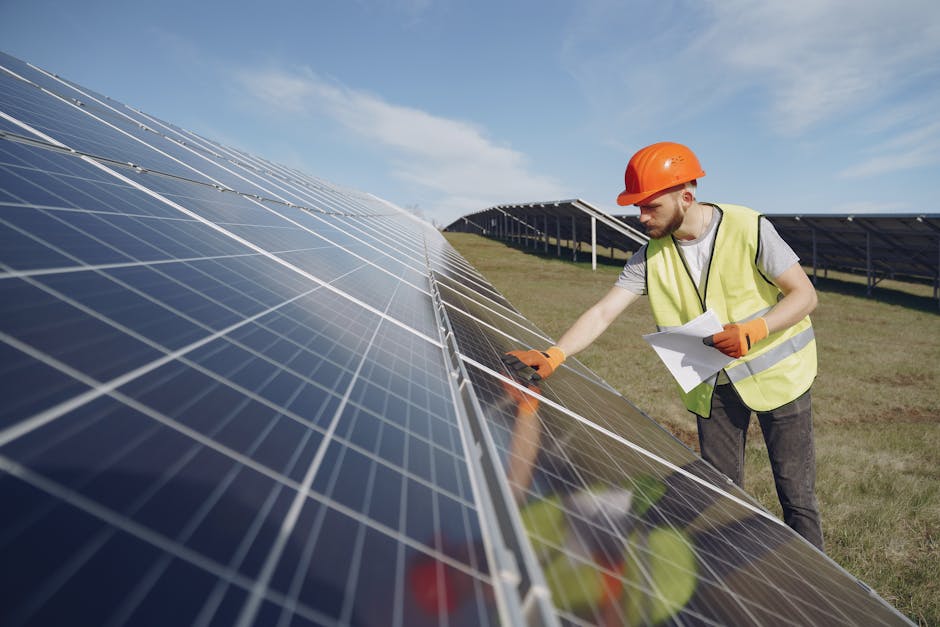
The relationship between smart meters and AI predictive modeling that optimizes energy has become increasingly important for maximizing solar value. Machine learning algorithms analyze years of smart meter data to identify patterns in generation and consumption, enabling predictive algorithms that anticipate peak generation times and schedule flexible loads accordingly. These systems can also participate in utility demand response programs, where smart meters enable your home to automatically reduce consumption during grid stress events in exchange for financial incentives. The smart meter provides real-time feedback about grid conditions and pricing signals, allowing automated systems to make split-second decisions about energy consumption timing.
Smart meters also enable participation in emerging energy markets that compensate distributed solar resources. Some utilities and aggregators offer programs where smart meter data demonstrates your solar system’s ability to provide grid services, and you receive compensation for that capability. This might include frequency regulation services, where your solar inverter adjusts output to help stabilize grid frequency, or capacity payments for making your solar generation available during peak demand periods. Smart meters provide the transparent, auditable data necessary for these compensation programs, creating new revenue streams for solar owners.
What Are Common Mistakes When Using Smart Meters with Solar Systems?
Many solar owners fail to fully leverage their smart meter’s capabilities, missing opportunities to optimize their systems. A common mistake is not understanding your utility’s specific net metering rules and rate structures, leading to suboptimal consumption patterns. Some homeowners don’t realize that their utility offers time-of-use rates where exported solar energy receives higher credits during peak hours, so they don’t adjust consumption to maximize exports during those periods. Others invest in battery storage without analyzing their smart meter data to determine whether batteries would actually improve their economics, potentially wasting money on unnecessary equipment.
Another frequent error is ignoring the real-time monitoring data that smart meters provide. Many homeowners never access their utility’s online portal or mobile app, missing opportunities to identify consumption anomalies or optimize their solar system’s performance. This lack of engagement means they don’t notice when their solar system underperforms due to equipment issues, missing chances for early maintenance that could prevent larger problems. Some solar owners also fail to coordinate other smart home systems with their smart meter data, missing opportunities for optimization. For example, not programming your EV charger to operate during peak solar generation, or not automating water heating to coincide with high solar production times.
Data privacy concerns sometimes cause homeowners to avoid using smart meter features, but this represents a misunderstanding of how utilities protect information. Smart meter data is encrypted and subject to strict regulatory protections, with utilities prohibited from sharing detailed consumption information without explicit consent. Failing to use smart meter features due to privacy concerns means sacrificing real benefits without gaining additional security. Finally, some homeowners don’t update their understanding of net metering rules when utilities modify their programs, continuing to operate under outdated assumptions about how their solar system is compensated. Utilities typically announce rate changes and program modifications well in advance, so staying informed requires minimal effort but yields significant benefits.
How Do You Maximize Solar Benefits Using Your Smart Meter Data?
Maximizing the value of your solar system requires actively engaging with the data your smart meter provides and making strategic decisions based on that information. Start by accessing your utility’s online portal or mobile app and reviewing your historical consumption and generation data. Look for patterns in when your home consumes the most energy and when your solar panels generate the most power. If there’s significant overlap between high generation and high consumption, your current setup is already well-optimized. If there’s a mismatch—for example, high generation during work hours when nobody’s home—you’ve identified opportunities for improvement through behavior changes or equipment investments.
Analyze your smart meter data to identify which appliances and systems consume the most energy, then prioritize shifting their operation to coincide with peak solar generation. Water heating, dishwashers, laundry machines, and pool pumps are all flexible loads that can be scheduled around solar production. Many modern appliances support delayed start features that allow you to schedule them to run at specific times. Similarly, if you own an electric vehicle, program your charger to operate during peak solar generation hours. Most EV chargers support scheduling features that let you specify charging windows, and many utilities offer special rates for smart EV charging based on time-of-use rates, creating financial incentives for this optimization.
Consider whether battery storage makes financial sense based on your smart meter data. If you’re exporting significant amounts of solar energy during peak-rate hours, the economic case for batteries is weak because you’re already receiving good compensation for that energy. However, if you’re exporting during low-rate hours or if your utility’s net metering program is being phased out, batteries become more valuable. Use your smart meter data to calculate what percentage of your solar generation you currently self-consume versus export. Higher self-consumption rates suggest batteries would provide limited additional benefit, while lower self-consumption rates indicate potential for improvement through storage. Some advanced energy management systems use smart meter data to automatically recommend battery sizing based on your specific consumption patterns.
Participate in your utility’s demand response programs if available, as these programs use smart meter data to optimize grid operations while providing financial incentives to participants. Demand response programs might offer reduced rates during off-peak hours, financial rewards for reducing consumption during peak periods, or payments for allowing your solar inverter to adjust output to help balance grid demand. Smart meters enable these programs by providing real-time data about your consumption and generation, allowing utilities to verify your participation and calculate appropriate compensation. Even small adjustments to consumption patterns during peak demand periods can yield meaningful financial benefits over time, and smart meter data makes it easy to track your participation and verify the compensation you receive.
Finally, regularly review your smart meter data to identify trends and opportunities you might have missed. Some utilities provide detailed reports showing your consumption and generation patterns compared to similar homes in your area, offering perspective on your efficiency relative to peers. Use this information to set goals for increasing self-consumption or reducing overall consumption. Share your smart meter data with your solar installer if you’re considering system upgrades or additions, as they can use this information to optimize the design of any expansions. The more actively you engage with your smart meter data, the more value you’ll extract from your solar investment.
What Is the Future of Smart Meters and Solar Integration?
The integration between smart meters and solar systems continues to evolve rapidly, with emerging technologies promising even greater optimization and efficiency. Blockchain technology is beginning to enable peer-to-peer energy trading, where homeowners can sell excess solar energy directly to neighbors rather than exporting to the grid. Smart meters provide the transparent, auditable transaction records necessary for these peer-to-peer markets to function reliably. Benefits of blockchain in peer energy sharing in 2026 include reduced transaction costs, increased flexibility in pricing, and opportunities for communities to develop local energy resilience. Smart meters will play a crucial role in these emerging markets, serving as the trusted devices that record all transactions and prevent disputes.
The Matter Protocol’s impact on EV charger compatibility extends to smart meter integration as well, with standardized communication protocols making it easier for different manufacturers’ equipment to work together seamlessly. This standardization will accelerate the development of integrated systems that coordinate solar generation, battery storage, EV charging, and home consumption automatically. Smart meters will become even more central to home energy management, serving as the hub that coordinates all these different systems based on real-time grid conditions and pricing signals.
Advanced metering infrastructure continues to improve, with newer smart meters supporting faster communication intervals and more sophisticated measurement capabilities. Some utilities are deploying smart meters with built-in demand response capabilities, allowing the meter itself to automatically adjust consumption based on grid conditions rather than requiring separate control systems. Artificial intelligence integration will become more sophisticated, with machine learning algorithms continuously improving their ability to predict solar generation and optimize consumption patterns. The combination of improved smart meter hardware, advanced communication networks, and AI-driven optimization systems will make solar energy systems dramatically more valuable and easier to manage.
Frequently Asked Questions
Can a smart meter measure solar generation accurately?
Yes, smart meters measure solar generation with accuracy exceeding 99.5 percent through bidirectional measurement capability. They record electricity flowing from your solar system to the grid separately from grid consumption, enabling accurate net metering calculations and ensuring you receive proper credit for exported energy.
Do I need a special smart meter for solar panels?
Most modern smart meters support bidirectional measurement required for solar integration, but some older meters don’t. Check with your utility about whether your current meter supports net metering. If not, they’ll typically upgrade you to a compatible smart meter at no cost when you install solar.
How often does a smart meter update solar generation data?
Smart meters typically record and transmit data every 15 minutes to one hour, depending on your utility’s configuration. Most utilities provide near-real-time access to this data through online portals or mobile apps, allowing you to monitor solar generation and consumption throughout the day.
Can smart meters help predict solar system problems?
Yes, smart meter data showing lower-than-expected generation compared to weather conditions and historical patterns can indicate solar system problems. Monitoring this data helps you identify issues early, enabling preventive maintenance that keeps your system operating at peak efficiency.
What happens to smart meter data if the internet goes down?
Smart meters store data locally in memory and transmit it to utilities when connectivity is restored. You won’t lose any generation or consumption data due to temporary internet outages, ensuring accurate billing and net metering calculations.
Are smart meters secure from hacking?
Modern smart meters use encryption and multiple authentication layers to prevent unauthorized access. Utilities maintain strict security protocols for smart meter networks, and regulations require data protection. The risk of hacking smart meters is extremely low compared to potential security vulnerabilities in other home systems.
Is Smart Meter Integration with Solar Worth the Investment?
Smart meter integration with solar systems is not an optional investment—it’s a fundamental requirement for residential solar installations in 2026. Utilities require smart meters capable of bidirectional measurement to accurately implement net metering programs, and solar installers will coordinate meter upgrades as part of your system installation. The good news is that utilities typically provide this upgrade at no cost to homeowners, making smart meter integration essentially free from a direct investment perspective. However, the real value comes from actively using the monitoring capabilities and data that smart meters provide to optimize your solar system’s performance and financial returns.
The financial benefit of smart meter integration depends heavily on your engagement with the data and your utility’s rate structure. Homeowners who actively monitor their smart meter data and adjust consumption patterns to maximize self-consumption or strategically time exports during peak-rate hours can increase their solar ROI by 10-20 percent. Those who ignore their smart meter data miss these optimization opportunities and fail to capture the full value of their solar investment. The transparency that smart meters provide also protects you from billing errors and ensures you receive proper credit for all exported energy.
Looking forward, smart meter integration will become even more valuable as utilities implement more sophisticated rate structures and as home energy management systems become more automated. The data foundation that smart meters provide enables emerging technologies like AI predictive modeling that optimizes energy and peer-to-peer energy trading. Homeowners who embrace smart meter technology now will be better positioned to participate in these future opportunities and extract maximum value from their solar investments. The combination of smart meters, solar panels, and intelligent energy management systems represents the future of residential energy, and this integration is already available and increasingly sophisticated in 2026.






Write Your Review
No reviews yet. Be the first to share your experience!