
What Is the Core Difference Between Smart Lighting and Traditional Lighting?
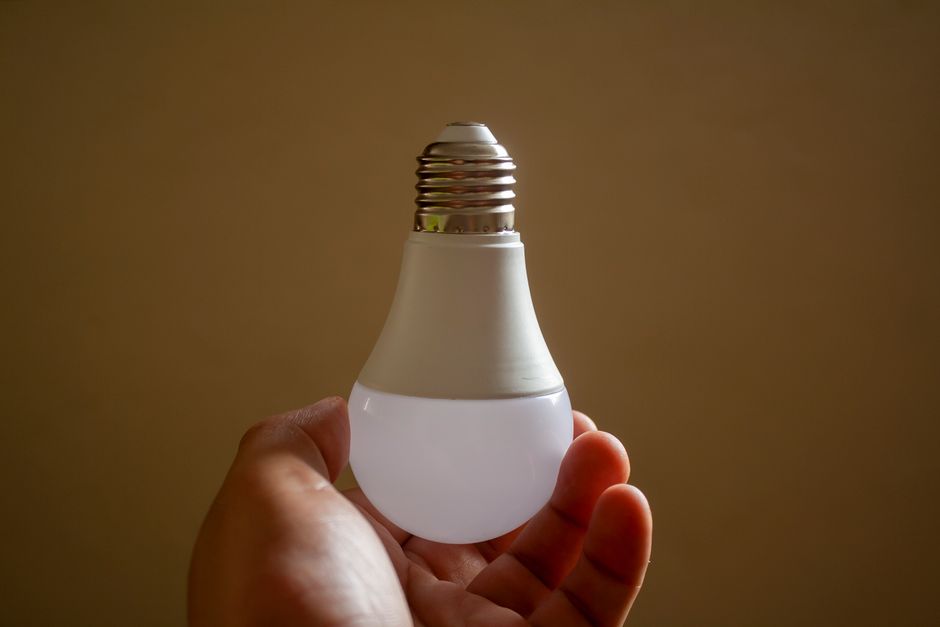
Smart lighting systems use internet-connected bulbs and fixtures controlled via apps, voice commands, or automation schedules. Traditional lighting relies on manual switches and fixed wiring with no remote control or automation capabilities. Smart lights adjust brightness, color, and on-off timing automatically based on your preferences or environmental sensors. Traditional lights operate at full brightness whenever switched on, offering simplicity but limited flexibility. In 2026, smart lighting has become mainstream, with prices dropping significantly and integration improving across ecosystems. The core difference lies in connectivity and intelligence—smart lights think and respond; traditional lights simply turn on and off.
The shift toward smart lighting reflects broader home automation trends. Homeowners increasingly value energy savings, convenience, and the ability to control their environment remotely. Traditional lighting dominated for over a century because it was reliable and affordable. Today, smart lighting offers those same benefits plus advanced features that traditional systems cannot match. Understanding these differences helps you choose the right solution for your home and lifestyle.
Key Takeaway: Smart lighting connects to the internet and responds to commands; traditional lighting operates manually with no remote control or automation.
How Do Smart Lighting and Traditional Lighting Compare on Energy Efficiency?
Smart lighting systems consume significantly less energy than traditional incandescent and halogen bulbs. LED technology powers most smart bulbs, delivering 75% energy savings compared to incandescent alternatives. Smart systems optimize usage through automation—lights turn off automatically when rooms are empty, dimming reduces consumption further, and scheduling prevents wasteful daytime operation. Traditional lighting offers no such optimization; bulbs consume full power whenever switched on. In 2026, smart LED bulbs cost less than $5 per unit, making the payback period typically 6-12 months through energy reduction alone.
Energy Consumption Comparison
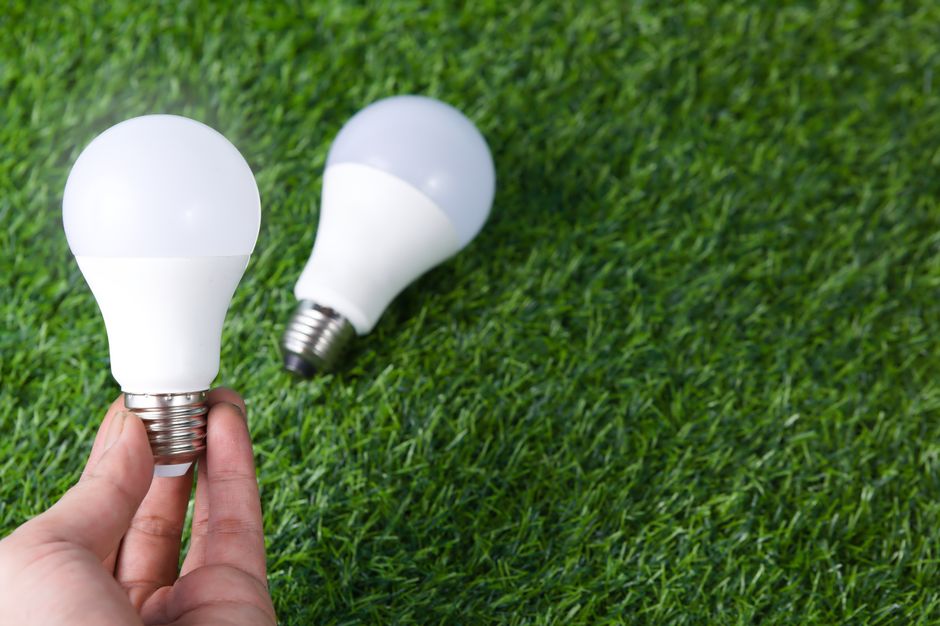
Traditional incandescent bulbs consume 60 watts for basic 800-lumen brightness. Smart LED bulbs deliver the same brightness using only 9-12 watts. Over one year, replacing ten traditional bulbs with smart LEDs saves approximately 500 kilowatt-hours of electricity, reducing annual bills by $50-75 depending on local rates.
- Incandescent bulbs: 60W per bulb, 1,000-hour lifespan.
- Traditional LED bulbs: 9-12W per bulb, 25,000-hour lifespan.
- Smart LED bulbs: 9-12W per bulb with automation savings, 25,000+ hour lifespan.
- Automation reduces consumption by 20-40% through scheduling and occupancy detection.
Key Takeaway: Smart lighting cuts energy use by 75% compared to incandescent and adds 20-40% savings through automation.
What Are the Cost Differences Between Smart and Traditional Lighting Systems?
Upfront costs favor traditional lighting—a basic incandescent bulb costs $1-2, while smart bulbs range from $5-25 per unit. However, total cost of ownership heavily favors smart systems. Traditional incandescent bulbs require replacement every 1,000 hours, costing $100-150 annually for a ten-bulb home. Smart LED bulbs last 25,000+ hours and cost only $50-100 annually in electricity, amortizing the higher initial purchase price within 12-18 months.
Total Cost Breakdown Over Five Years
A typical home with 40 light fixtures illustrates the financial advantage of smart lighting. Traditional incandescent setup costs $80 upfront but requires 40+ bulb replacements over five years, totaling $280-400 in purchases plus $3,000-4,500 in electricity costs. Smart LED setup costs $400-600 initially but requires zero replacements and uses $1,200-1,800 in electricity, resulting in total five-year spending of $1,600-2,400 versus $3,280-4,900 for traditional systems.
- Smart bulbs: $5-25 per bulb, $400-600 for 40-bulb home.
- Smart hub/controller: $30-100 (optional but recommended).
- Installation: DIY (free) or professional ($200-500).
- Electricity savings: $50-75 monthly for average homes.
- Payback period: 12-18 months including all costs.
Key Takeaway: Smart lighting costs more upfront but saves 30-40% over five years through reduced energy and replacement expenses.
How Do Control and Convenience Features Compare?
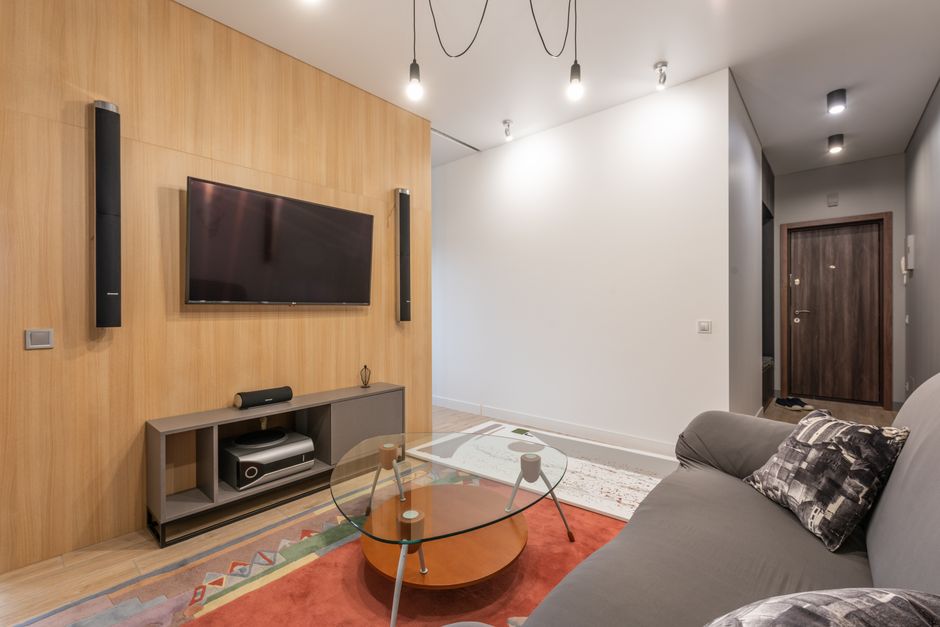
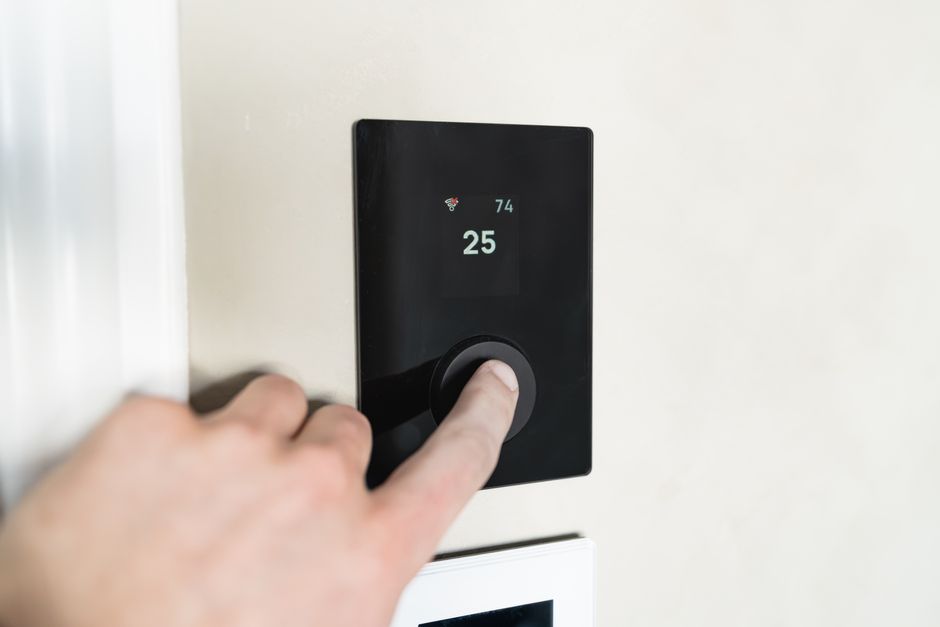
Traditional lighting offers zero convenience features beyond on-off switching. You must physically flip a switch to control any light, limiting functionality to basic on-off operation. Smart lighting enables remote control via smartphone apps, voice assistants like Alexa or Google Home, and automated scheduling. Dimming, color changing, and scene creation add layers of customization impossible with traditional systems. Motion sensors, daylight detection, and geofencing trigger lights automatically based on occupancy or location, eliminating manual intervention entirely.
Smart Lighting Control Options
Modern smart systems integrate seamlessly with popular platforms. Ecobee, Nest, and other smart home ecosystems allow unified control of lighting alongside thermostats, security cameras, and door locks. Voice commands work with Alexa, Google Assistant, and Siri. Mobile apps provide scheduling, grouping, and scene creation for complex lighting scenarios. Traditional systems cannot offer any of these features—they remain fundamentally static and manual.
- Mobile app control: Adjust lights from anywhere using smartphone.
- Voice commands: “Alexa, dim the bedroom lights to 50%.”
- Scheduling: Automate lights to turn on at sunset, off at midnight.
- Scenes: Create “movie mode” or “dinner party” with preset brightness and color.
- Geofencing: Lights turn on when you approach home.
- Motion sensors: Occupancy-based automatic activation.
Key Takeaway: Smart lighting offers remote control, automation, voice commands, and scenes; traditional lighting provides only manual on-off switching.
What Installation and Compatibility Differences Should You Know?
Traditional lighting installation is straightforward—replace bulbs in existing fixtures or install new wired fixtures. No special equipment, networking, or technical knowledge required. Smart lighting installation requires bulbs compatible with your chosen ecosystem and a stable WiFi or Zigbee/Z-Wave network. Most smart bulbs fit standard sockets, making retrofit simple, but ecosystem compatibility matters significantly. Mixing incompatible brands creates fragmentation and limits automation potential.
Ecosystem and Compatibility Considerations
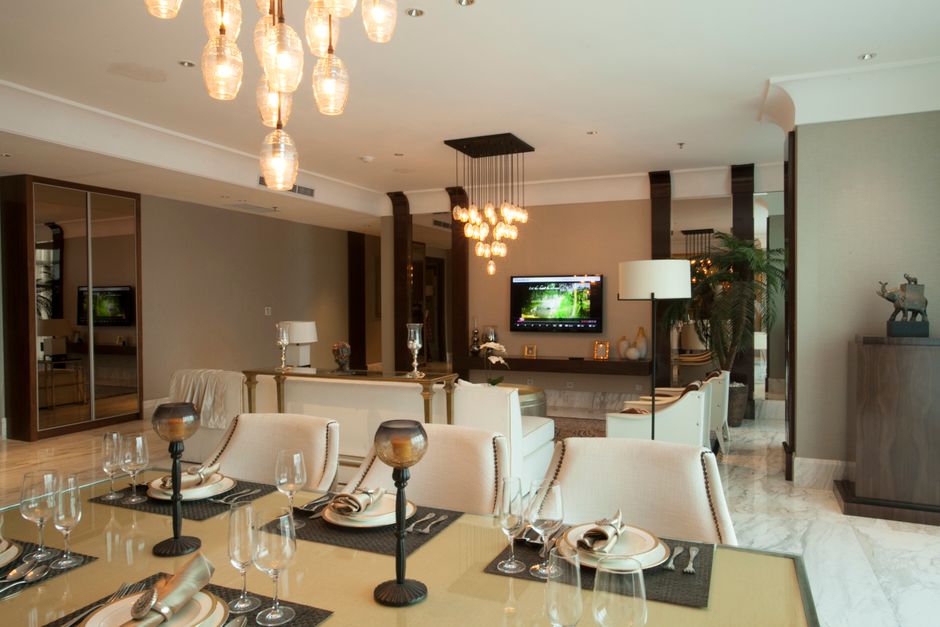
In 2026, major ecosystems include Amazon Alexa, Google Home, Apple HomeKit, and Samsung SmartThings. Smart bulbs from Philips Hue, LIFX, and Wyze work across multiple platforms, offering flexibility. Traditional lighting has no ecosystem concerns—any bulb works in any fixture. However, smart home integration has become standard in new construction, making traditional-only homes increasingly outdated for resale value.
- Smart bulbs require compatible hub or direct WiFi connection.
- Zigbee and Z-Wave protocols offer longer range than WiFi.
- Multi-protocol support (Matter) emerging in 2026 improves interoperability.
- Traditional bulbs work immediately with zero setup required.
- Smart system requires network stability and occasional updates.
Key Takeaway: Smart lighting requires ecosystem compatibility and networking; traditional lighting installs instantly with no technical requirements.
What Practical Steps Should You Take to Upgrade to Smart Lighting?
Upgrading from traditional to smart lighting doesn’t require a complete home overhaul. Start with high-use areas like bedrooms, kitchens, and living rooms where automation delivers maximum benefit. Choose a compatible ecosystem first—decide between Alexa, Google Home, or Apple HomeKit based on your other smart devices. Purchase smart bulbs that support your chosen platform, then install them in existing fixtures. Add a smart hub if recommended by your bulb manufacturer for improved range and reliability.
Step-by-Step Upgrade Process
- Step 1: Select your smart home ecosystem (Alexa, Google, Apple, or SmartThings).
- Step 2: Purchase smart bulbs compatible with your chosen platform.
- Step 3: Install bulbs in high-use fixtures (bedroom, kitchen, living room).
- Step 4: Download the manufacturer’s app and connect bulbs to WiFi or hub.
- Step 5: Set up automation rules, schedules, and scenes.
- Step 6: Integrate with voice assistant if desired.
- Step 7: Expand to additional rooms gradually as budget allows.
Start small and expand gradually rather than replacing every bulb at once. This approach spreads costs over time and lets you evaluate whether smart lighting fits your lifestyle before committing fully. Monitor energy savings during the first three months to validate the investment. Many users find the convenience and automation benefits outweigh the upfront cost within weeks of installation.
Key Takeaway: Begin with high-use areas, choose a compatible ecosystem, and expand gradually to manage costs and verify benefits.
How Does Smart Lighting Fit Into Broader Home Automation?
Smart lighting serves as a foundation for comprehensive home automation. Lights integrate with thermostats, security systems, and door locks to create unified smart homes. For example, when you arm your security system, lights automatically turn off. When motion is detected at the front door, lights activate to greet visitors. Thermostats and lighting work together to optimize comfort and energy use—cooling reduces when lights are off, heating adjusts based on occupancy detection. This interconnected approach delivers benefits impossible with isolated smart devices or traditional lighting.
If you’re building a smart home from scratch, start with lighting because it’s affordable, non-invasive, and delivers immediate value. Unlike thermostats or security systems, lighting upgrades don’t require professional installation or complex integration. Learn more about comprehensive smart home strategies in our guide on smart homes versus regular homes. Lighting automation naturally leads to exploring other smart devices as your comfort with the technology grows.
Key Takeaway: Smart lighting forms the foundation of home automation, integrating with thermostats, security, and door locks for coordinated control.
What Are the Best Use Cases for Smart Lighting in 2026?
Smart lighting excels in specific scenarios where automation and remote control deliver maximum value. Rental properties benefit tremendously—tenants enjoy smart features without landlords investing in permanent upgrades. Busy professionals appreciate remote control when traveling; turning lights on remotely deters burglars while creating a lived-in appearance. Elderly residents and people with mobility challenges gain independence through voice control and motion-activated lighting. Families with young children appreciate automated bedtime routines that gradually dim lights, signaling sleep time through gentle environmental cues.
Smart lighting also shines in vacation homes and secondary properties. Geofencing turns lights on as you approach, eliminating the dark-home arrival experience. Scheduling prevents obvious vacancy during extended absences. Entertainment venues—restaurants, bars, event spaces—use smart lighting for dynamic scene creation and energy management. Traditional lighting cannot support any of these sophisticated use cases, making smart systems the obvious choice for these applications.
Key Takeaway: Smart lighting excels for rentals, travel, elderly care, families, vacation homes, and commercial venues where automation adds significant value.
Frequently Asked Questions
Can I use smart bulbs in any light fixture?
Most smart bulbs fit standard E26 and E27 sockets found in residential fixtures worldwide. However, some specialty fixtures like recessed lights, track lighting, or enclosed fixtures may have compatibility issues. Check bulb specifications before purchasing. Traditional fixtures require no special considerations—any bulb works. Smart bulbs sometimes run hotter than expected, so avoid enclosed fixtures that trap heat and shorten bulb lifespan.
Do smart lights work if WiFi goes down?
WiFi-based smart bulbs become unresponsive if internet fails, though they retain manual switch control. Zigbee and Z-Wave bulbs continue functioning through their mesh network even if WiFi drops. For reliability, choose bulbs using mesh protocols or ensure redundant internet connectivity. Traditional lighting operates regardless of network status, offering inherent reliability that smart systems cannot match without careful planning.
What is the lifespan difference between smart and traditional bulbs?
Traditional incandescent bulbs last 1,000 hours (approximately one year of typical use). LED bulbs, including smart LEDs, last 25,000-50,000 hours (10-25 years). Smart bulbs have identical lifespan to traditional LEDs because the electronics add minimal wear. The extended lifespan of LEDs—smart or traditional—is their primary advantage over incandescent technology, reducing replacement frequency dramatically.
Are smart lights more secure than traditional lighting?
Smart lights introduce cybersecurity risks that traditional lighting avoids entirely. Connected devices can be hacked, potentially allowing unauthorized control or data collection. Reputable manufacturers implement encryption and regular security updates to mitigate these risks. Traditional lighting has zero security concerns because it contains no electronics or connectivity. Choose well-established brands with strong security track records to minimize smart lighting risks.
Can smart lighting reduce my electricity bill noticeably?
Yes, smart lighting typically reduces electricity bills by 20-40% compared to traditional incandescent systems. The savings come from LED efficiency (75% reduction versus incandescent) plus automation that prevents wasteful operation. A home with 40 incandescent bulbs running eight hours daily saves approximately $50-75 monthly by switching to smart LEDs with basic scheduling. Payback occurs within 12-18 months, after which savings accumulate indefinitely.
Should I replace all my bulbs at once or gradually?
Gradual replacement is financially and practically smarter. Start with high-use areas like bedrooms and kitchens where automation delivers maximum benefit. This spreads costs over several months and lets you evaluate whether smart lighting matches your lifestyle. Most homeowners find the convenience compelling enough to justify full replacement within 6-12 months. Phased upgrades also reduce the risk of purchasing incompatible products before finalizing your ecosystem choice.
Which System Should You Choose for Your Home?
Choose smart lighting if you value convenience, energy savings, and automation. Smart systems excel for busy professionals, families, elderly residents, and anyone seeking remote control and scheduling capabilities. The 12-18 month payback period makes smart lighting financially sensible even if automation features don’t appeal to you. In 2026, smart bulbs cost only marginally more than quality traditional LEDs, eliminating the primary barrier to adoption. Ecosystem compatibility matters—ensure your chosen bulbs work with your existing smart home platform or preferred voice assistant.
Choose traditional lighting if you prioritize simplicity, reliability, and zero complexity. Traditional systems require no WiFi, no apps, no setup, and no cybersecurity concerns. Elderly residents unfamiliar with technology may prefer traditional switches. Renters facing landlord restrictions on modifications might avoid smart systems. However, traditional lighting’s energy consumption and replacement costs make it increasingly impractical compared to affordable smart alternatives available in 2026. Even budget-conscious homeowners find smart LEDs cost-effective within 18 months.
The hybrid approach works well—upgrade primary living areas to smart lighting while maintaining traditional bulbs in rarely-used spaces like closets or storage rooms. This balances convenience and cost. As your comfort with smart home technology grows, expand smart lighting to additional areas. Most homeowners who start with smart lighting in one or two rooms expand to their entire home within a year, discovering automation benefits they hadn’t anticipated. Consider exploring other smart home integration opportunities mentioned in our guides on smart thermostats and home automation protocols to maximize your smart home investment.
Key Takeaway: Smart lighting is financially and functionally superior for most homeowners in 2026; choose traditional only if simplicity and zero complexity are absolute priorities.







Write Your Review
No reviews yet. Be the first to share your experience!