

What Is the Difference Between Monitored and Unmonitored Smart Security Systems in 2026?
Monitored smart security systems connect to a professional monitoring center that responds to alerts 24/7, while unmonitored systems rely entirely on smartphone notifications and your personal response. The core difference lies in professional oversight: monitored systems dispatch emergency services automatically when alarms trigger, whereas unmonitored systems notify only you. In 2026, this distinction remains critical for homeowners choosing between professional protection and DIY control. Monitored systems cost 30-50% more monthly but provide peace of mind through guaranteed response. Unmonitored systems offer affordability and full autonomy but require your immediate attention during emergencies. Understanding these differences helps you select the system matching your lifestyle, budget, and security priorities.
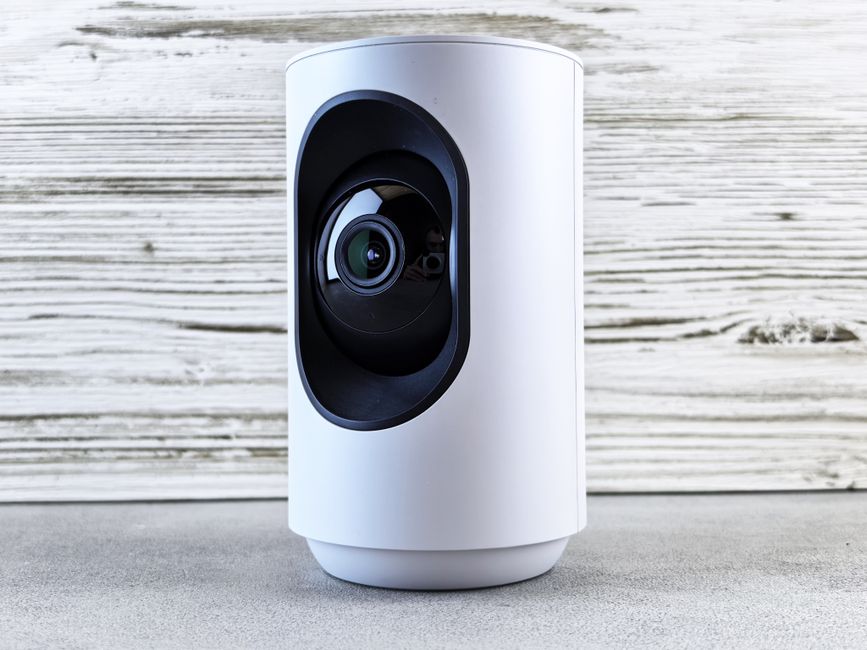
Smart security has evolved dramatically since early 2020s offerings. Today’s monitored systems integrate AI-powered threat detection with human expertise. Unmonitored systems now feature advanced mobile apps, instant alerts, and cloud storage. Both types work seamlessly with other smart home devices like smart deadbolts and smart doorbells with package detection. Your choice depends on whether you value professional intervention or prefer managing security independently.
Key Takeaway: Monitored systems provide professional emergency response for a premium price, while unmonitored systems offer budget-friendly, independent control.
How Do Monitored Smart Security Systems Work?
Monitored systems operate through a constant connection to a professional monitoring center staffed by trained operators. When a sensor detects motion, a door opens, or glass breaks, the system sends an alert to the center within seconds. Operators then follow your account instructions: they call you to verify the emergency, contact emergency services if needed, or alert police directly. This three-layer response creates accountability and ensures help arrives even when you’re unavailable or unable to respond.
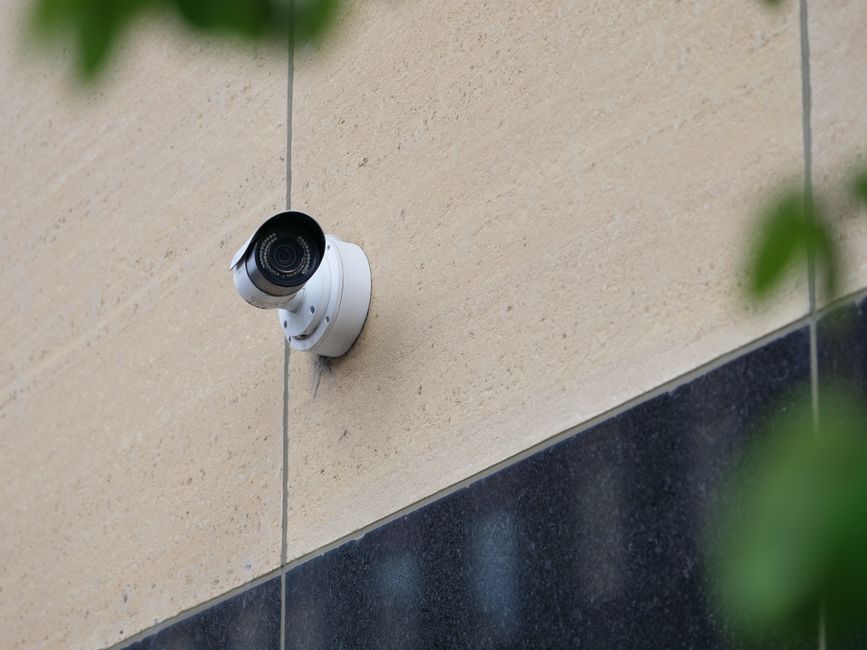
The monitoring process involves several critical steps:
- Alarm triggers from door sensors, motion detectors, or glass break sensors.
- Signal transmits to monitoring center via cellular, internet, or dual-path redundancy.
- Operator verifies the emergency and reviews your security footage if available.
- Emergency services dispatch occurs within 60-120 seconds of confirmation.
- You receive notification and can communicate with the operator through two-way voice.
Professional Monitoring Costs and Coverage
Monitored systems typically charge $25-60 monthly for professional oversight, depending on features and response level. Premium plans include video verification, which reduces false alarm fees by 80%. Most contracts require 24-36 month commitments, though month-to-month options exist at higher rates. Insurance companies often offer 5-15% discounts for monitored systems, offsetting subscription costs. In 2026, many providers bundle monitoring with smart home integration at competitive rates.
Key Takeaway: Professional monitoring adds $300-720 annually but provides emergency response and often qualifies for insurance discounts.
How Do Unmonitored Smart Security Systems Work?
Unmonitored systems function as independent alert platforms that notify you directly when threats occur. Sensors detect motion, door openings, or environmental changes and send instant notifications to your smartphone through a dedicated app. You then decide whether to contact police, check live video feeds, or take other action. This model eliminates monthly monitoring fees but places all responsibility on your shoulders. Popular unmonitored systems include DIY kits you install yourself, reducing professional installation costs by 50-70%.
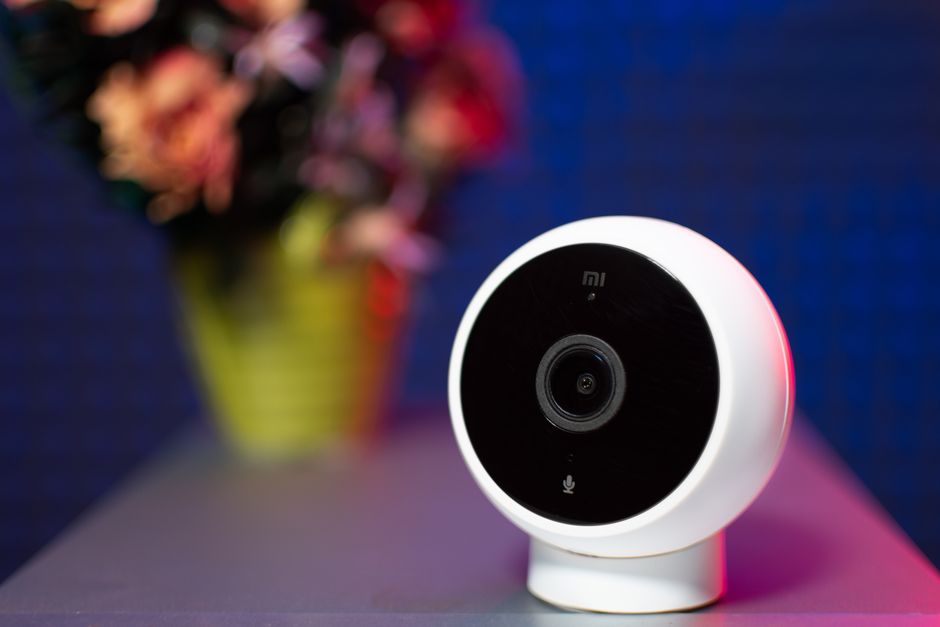
The unmonitored workflow operates like this:
- Sensors detect activity and immediately push notifications to your phone.
- You review live camera feeds and assess whether action is needed.
- You manually contact police if you determine a genuine emergency exists.
- System records footage to cloud storage for evidence and review.
- You maintain complete control over all alerts and responses.
Unmonitored System Flexibility and Costs
Unmonitored systems eliminate recurring monthly fees, saving $300-720 annually compared to monitored alternatives. Initial hardware costs range from $300-1,200 depending on sensor count and features. Cloud storage typically costs $3-10 monthly for video recording, which remains optional. DIY installation saves $200-500 in professional setup fees. This affordability makes unmonitored systems ideal for budget-conscious homeowners or renters unable to commit to long-term contracts.
Key Takeaway: Unmonitored systems cost 50-70% less overall but require your active involvement during emergencies.
What Are the Key Differences in Response Time and Emergency Handling?
Response time represents the most significant operational difference between these systems. Monitored systems guarantee emergency dispatch within 60-120 seconds of operator confirmation. Unmonitored systems depend entirely on how quickly you respond to notifications—which could be minutes or hours if you’re asleep, working, or away from your phone. This delay can be critical during break-ins, fires, or medical emergencies. Monitored systems also handle false alarms professionally, whereas unmonitored users risk wasting police resources and potential fines for repeated false reports.
Emergency response differences matter significantly:
- Monitored: Police dispatch occurs automatically after operator verification.
- Unmonitored: You must manually call 911 after reviewing alerts.
- Monitored: Operators provide emergency services with real-time account information.
- Unmonitored: Dispatchers receive information only from your 911 call.
- Monitored: False alarm fees are typically waived or reduced with verification.
- Unmonitored: You pay fines for false alarms in most jurisdictions.
Liability and Legal Considerations
Monitored systems carry liability insurance through the monitoring company, protecting you if emergency response fails. Unmonitored systems place all liability on you—if an intruder causes damage or injury, you may face liability questions about delayed response. Some jurisdictions now require monitored systems for commercial properties or high-risk residential areas. Insurance companies increasingly favor monitored systems, offering premium reductions that offset subscription costs. In 2026, legal standards continue evolving around residential security obligations.
Key Takeaway: Monitored systems guarantee rapid professional response and reduce liability, while unmonitored systems place all responsibility on you.
How Do Features and Integration Differ Between System Types?
Both monitored and unmonitored systems offer modern smart home integration in 2026, but with different capabilities. Monitored systems typically include professional video verification, allowing operators to view your cameras before dispatching police. Unmonitored systems emphasize mobile app control, letting you arm/disarm from anywhere and customize alert rules. Both types integrate with smart locks with keypad entry and auto-lock features for seamless home automation. The integration difference comes down to who manages responses—professionals or you.
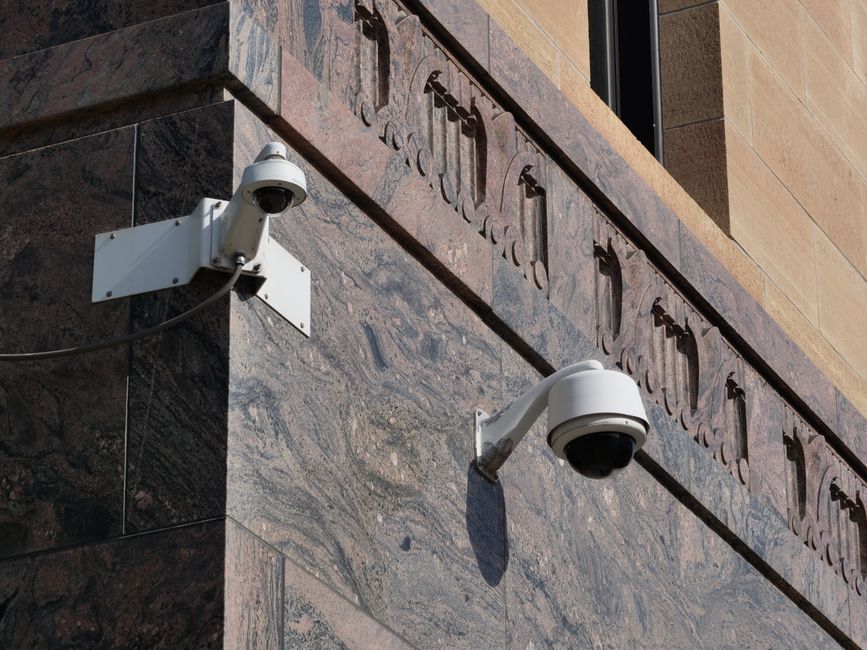
Feature comparison between system types:
- Monitored: Video verification, professional dispatch, emergency voice communication.
- Unmonitored: Mobile app alerts, custom automation rules, local storage options.
- Monitored: Limited customization to prevent operator confusion during emergencies.
- Unmonitored: Full control over alert sensitivity, notification timing, and automation.
- Monitored: Integration with professional services like medical alert monitoring.
- Unmonitored: Broader third-party smart home ecosystem compatibility.
Smart Home Ecosystem Compatibility
Unmonitored systems often offer superior compatibility with broader smart home platforms. They integrate seamlessly with voice assistants, smart thermostats, and lighting systems without monitoring center restrictions. Monitored systems prioritize reliability and security over integration flexibility, limiting third-party connections. However, leading monitored providers in 2026 now offer API access for advanced users. Both system types work well with modern smart home devices, but unmonitored systems provide more customization options for complex automation scenarios.
Key Takeaway: Monitored systems prioritize professional features, while unmonitored systems offer greater smart home integration flexibility.
What Are Practical Tips for Choosing Between Monitored and Unmonitored Systems?
Selecting the right system requires honest assessment of your lifestyle, budget, and security priorities. Consider these practical factors when making your decision.
Assessment Checklist for Your Home
Evaluate your specific situation using these criteria:
- Do you travel frequently or work long hours away from home? Choose monitored for constant protection.
- Is your neighborhood high-crime or low-crime? High-crime areas benefit from professional response.
- Can you afford $25-60 monthly indefinitely? Budget constraints favor unmonitored systems.
- Do you have elderly residents or young children at home? Monitored systems provide additional safety.
- Are you tech-savvy and comfortable managing security independently? Unmonitored suits technical users.
- Does your insurance company offer discounts for monitored systems? Calculate net costs before deciding.
Cost-Benefit Analysis Framework
Create a spreadsheet comparing total five-year costs for both options. Include hardware, installation, monthly fees, insurance discounts, and potential false alarm fines. Monitored systems typically cost $1,500-3,600 over five years, while unmonitored systems run $300-1,500. However, insurance savings can reduce monitored costs by 25-40%. Calculate your break-even point—if insurance discounts exceed $5-10 monthly, monitored becomes financially advantageous despite higher fees.
Consider these implementation steps:
- Research three monitored and three unmonitored providers in your area.
- Request quotes including all fees, contract terms, and insurance discounts.
- Read customer reviews focusing on emergency response experiences.
- Test mobile apps and user interfaces before committing.
- Verify monitoring center certifications (UL, CSAA standards).
- Start with a trial period if available before signing long-term contracts.
Key Takeaway: Choose monitored if you value professional response and qualify for insurance discounts; select unmonitored for budget flexibility and independent control.
Frequently Asked Questions
Can You Switch from Unmonitored to Monitored Later?
Yes, most unmonitored systems can add professional monitoring through the same provider or by switching companies. Many unmonitored platforms now offer optional monitoring add-ons at $20-40 monthly. Switching typically requires no hardware changes, just service plan upgrades. However, you may need to sign a contract, which unmonitored users typically avoid. Plan for potential activation fees of $50-150 when adding monitoring to existing systems.
Do Monitored Systems Work During Internet Outages?
Yes, quality monitored systems use cellular backup connections separate from your home internet. This dual-path redundancy ensures monitoring center connectivity even if broadband fails. Unmonitored systems without cellular backup may become non-functional during outages, preventing notifications. In 2026, most providers include cellular backup as standard, but verify this feature before purchasing. Ask about wired versus wireless camera options for uninterrupted monitoring.
What Happens if You Ignore Monitored System Alerts?
When you ignore a monitored system alert, the operator follows your account instructions. Typically, they call you to verify the emergency within 30-60 seconds. If you don’t answer, they proceed with dispatch based on your pre-programmed preferences. Most accounts specify automatic police dispatch after failed verification attempts. This safety feature ensures response even if you’re incapacitated or unable to answer calls during genuine emergencies.
Are Unmonitored Systems Effective Against Professional Burglars?
Unmonitored systems deter casual break-ins through visible cameras and alarm signs, but professional burglars often disable systems before police arrive. Monitored systems activate police response within two minutes, significantly reducing theft success rates. Studies show monitored systems reduce break-in losses by 50-70% compared to unmonitored alternatives. However, unmonitored systems still provide valuable evidence for insurance claims and police investigations through recorded footage.
Can You Have Both Monitored and Unmonitored Sensors?
Yes, hybrid approaches are increasingly popular in 2026. You can monitor entry points professionally while using unmonitored cameras for supplementary coverage. This strategy reduces monthly costs while maintaining professional response for critical areas. Some providers offer tiered monitoring where you select which zones receive professional coverage. This flexibility lets you optimize costs while maintaining security for vulnerable entry points like doors and windows.
What’s the Average Response Time for Police in Your Area?
Average police response times vary dramatically by location, ranging from 5 minutes in urban areas to 30+ minutes in rural regions. Contact your local police department or check public crime statistics to determine your area’s response time. If response times exceed 20 minutes, monitored systems become more valuable since operators can guide you during the waiting period. Rural homeowners especially benefit from monitored systems due to delayed emergency services.
Which System Type Should You Choose for Your Home in 2026?
The decision between monitored and unmonitored smart security systems ultimately depends on your personal circumstances, financial situation, and security philosophy. Monitored systems excel for homeowners who prioritize professional response, travel frequently, or live in high-crime areas. The guaranteed emergency dispatch and insurance discounts often offset monthly subscription costs, making them economically sensible despite higher prices. Families with elderly residents or young children benefit significantly from the peace of mind professional monitoring provides.
Unmonitored systems suit tech-savvy homeowners who prefer independence and can respond quickly to alerts. They work well for renters, budget-conscious buyers, or those living in low-crime neighborhoods. The cost savings and complete control appeal to users comfortable managing security personally. In 2026, unmonitored systems have matured significantly, offering excellent features and reliability without professional oversight.
Consider also that these aren’t permanent decisions. Many homeowners start unmonitored and upgrade to monitoring later as circumstances change. Test both approaches if possible, and prioritize your family’s safety above cost considerations. Whichever system you choose, ensure it integrates well with other smart home devices like smart deadbolts for comprehensive home automation. Your security system should match your lifestyle, not constrain it.
Key Takeaway: Choose monitored systems for professional peace of mind, or unmonitored systems for budget-friendly independent control—both remain viable in 2026.









Write Your Review
No reviews yet. Be the first to share your experience!