

Will a Robot Vacuum Scratch Hardwood Floors? Quick Answer
Modern robot vacuums are generally safe for hardwood floors when properly maintained, but scratching is possible without precautions. Most quality models use soft brush materials and rounded wheels designed to minimize floor damage. However, debris caught under brushes, incorrect wheel pressure, or low-quality units can still cause scratches. The key is selecting a vacuum with hardwood-friendly features and maintaining it regularly to prevent particle buildup that leads to scratches.
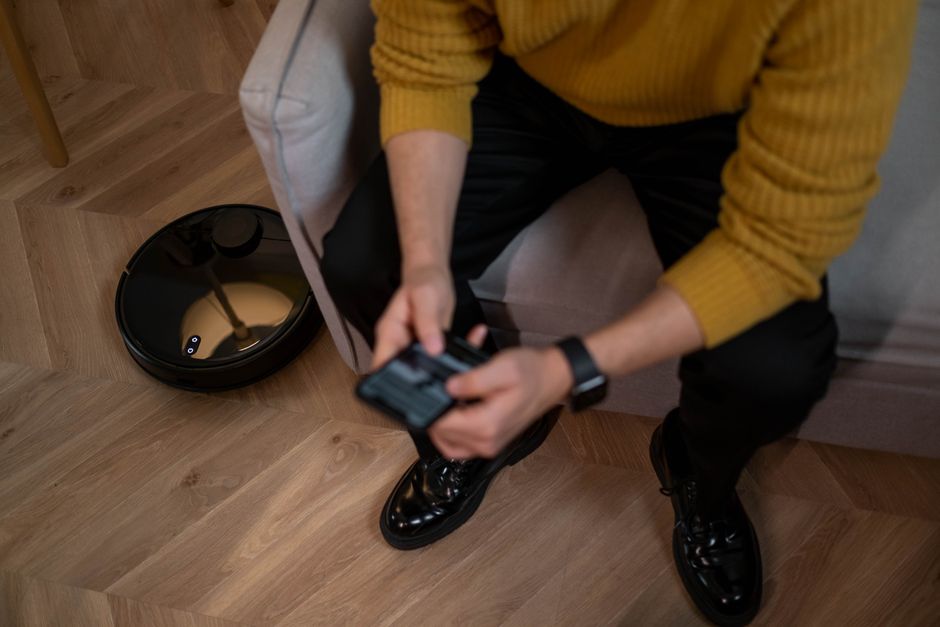
Hardwood floor damage from robot vacuums remains a concern for many homeowners in 2026. The risk depends heavily on the specific model, your floor’s finish quality, and maintenance habits. Premium robot vacuums include protective technologies like rubber brushes and soft wheels. Understanding these features helps you choose a safe option and protect your investment in beautiful hardwood surfaces.
Key Takeaway: Robot vacuums won’t scratch hardwood if you choose quality models with protective features and maintain them properly.
What Causes Robot Vacuums to Scratch Hardwood Floors?
Robot vacuums can scratch hardwood through several mechanisms. Hard plastic brushes create friction against the floor surface. Trapped debris under rotating brushes acts like sandpaper, causing micro-scratches over time. Wheels with insufficient grip or poor design can drag across floors. Additionally, aggressive brush pressure and low-quality wheel materials increase damage risk significantly.
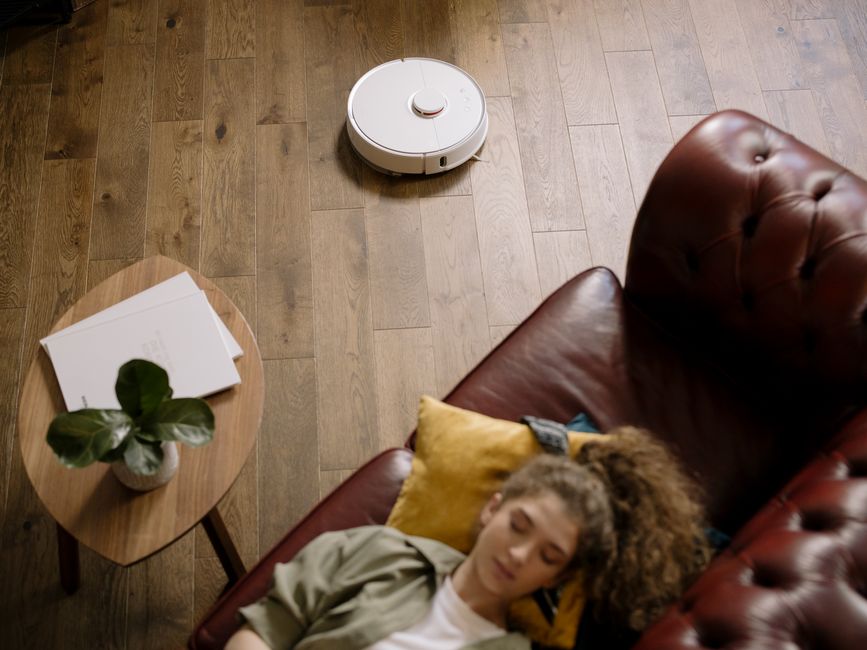
Environmental factors also play a role in floor damage. Dust and sand particles accumulate under the vacuum, becoming abrasive agents. Humidity levels affect hardwood expansion and contraction, making floors more susceptible to visible marks. Pet hair wrapped around brush rollers can create pressure points that concentrate force on small floor areas, causing localized scratching.
The finish quality of your hardwood matters too. Newly sealed floors resist scratching better than worn finishes. Matte finishes hide minor scratches, while glossy finishes show every mark clearly. Understanding these causes helps you take preventive action before damage occurs.
- Hard plastic brushes create direct friction on hardwood surfaces.
- Trapped sand and debris act as abrasive particles under rotating brushes.
- Poor wheel design or material causes dragging and scuffing.
- Aggressive brush pressure concentrates force on small areas.
- Pet hair wrapped around rollers creates pressure points.
Key Takeaway: Scratching happens when hard materials, trapped debris, and poor wheel design combine to create abrasive contact with your floor.
Which Robot Vacuum Features Protect Hardwood Floors Best?
Premium robot vacuums in 2026 include multiple hardwood-protection features. Rubber brushes replace hard plastic versions, reducing friction and scratching risk. Soft rubber wheels provide better traction without dragging. Edge-cleaning side brushes use flexible materials instead of rigid plastic. These design choices specifically target hardwood safety.
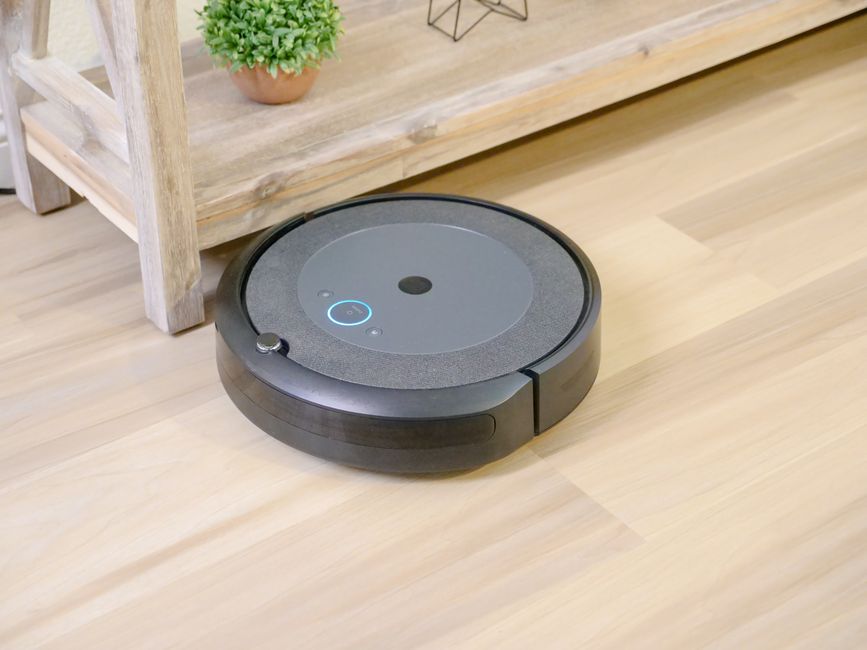
Advanced models offer adjustable brush pressure settings, allowing you to reduce force on delicate floors. Some vacuums detect floor type automatically and adjust suction and brush speed accordingly. Sealed wheel bearings prevent debris from entering wheel mechanisms and causing uneven pressure distribution. These smart features represent significant advances in hardwood protection technology.
Brush and Wheel Materials Matter Most
Rubber and silicone brushes outperform plastic alternatives for hardwood floors. They flex slightly, conforming to floor contours rather than grinding against them. Soft rubber wheels distribute weight more evenly than hard plastic wheels. Look for models specifically marketing “hardwood-safe” or “hardwood-optimized” designs when shopping in 2026.
- Rubber main brushes reduce friction compared to plastic alternatives.
- Soft rubber wheels prevent dragging and scuffing marks.
- Sealed bearings keep debris out of wheel mechanisms.
- Adjustable brush pressure lets you customize cleaning intensity.
- Automatic floor-type detection adapts cleaning to hardwood surfaces.
Suction and Brush Speed Control
Variable suction settings let you reduce power on hardwood while maintaining cleaning effectiveness. Lower brush speeds decrease friction without sacrificing debris pickup. Modern vacuums offer multiple cleaning modes—gentle mode for hardwood, standard mode for tile, and max mode for carpets. This flexibility protects your floors while keeping them clean.
Key Takeaway: Rubber brushes, soft wheels, and adjustable settings are the most important hardwood-protection features in modern robot vacuums.
How Can You Minimize Scratching Risk When Using Robot Vacuums?
Proper maintenance is essential for protecting hardwood floors from robot vacuum damage. Clean your vacuum’s brushes weekly to remove trapped hair and debris. Check wheels regularly for buildup that causes uneven pressure. Empty the dustbin frequently to prevent debris from spilling back onto floors. These simple habits dramatically reduce scratching incidents.
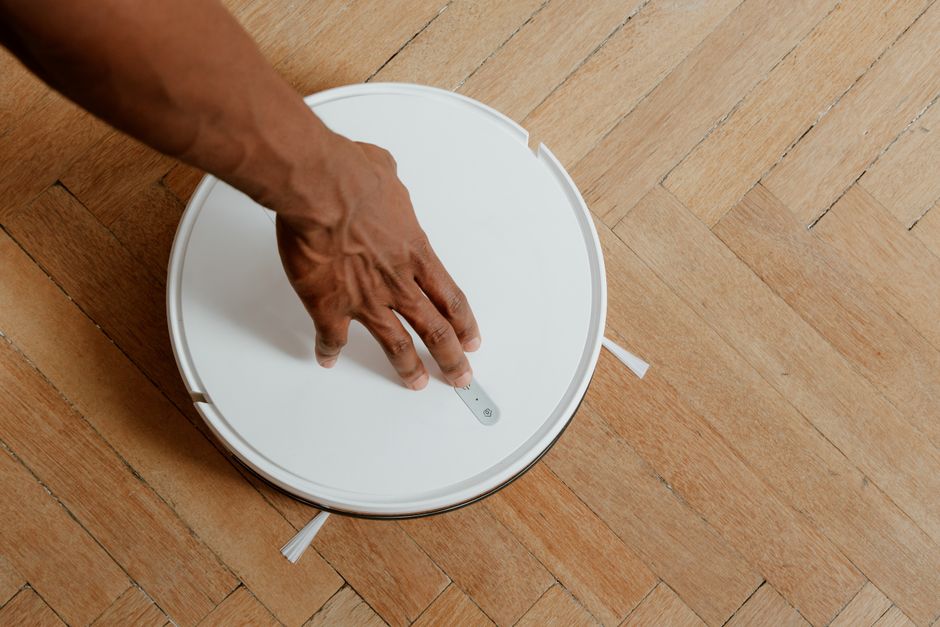
Floor preparation matters significantly too. Sweep hardwood before running your robot vacuum to remove loose sand and grit. This prevents debris from accumulating under brushes. Use protective floor pads under furniture legs to prevent the vacuum from getting stuck. Consider scheduling runs when foot traffic is minimal to reduce debris introduction.
Essential Maintenance Steps
- Clean brush rollers weekly to remove hair and debris buildup.
- Inspect wheels every two weeks for stuck particles or uneven wear.
- Empty the dustbin after each cleaning cycle.
- Wipe sensors and charging contacts monthly to maintain proper function.
- Replace brushes annually or when visible wear appears.
Floor Preparation and Scheduling
Sweep hardwood floors before running your robot vacuum to eliminate loose particles. This reduces debris available to become trapped under brushes. Schedule vacuum runs during times when household activity is low, minimizing new debris introduction. Use soft furniture pads under chair legs to prevent snags. These practices work together to create a safer cleaning environment.
Consider using protective mats in high-traffic areas where scratching risk increases. Place barriers around potential debris sources like pet food bowls. Keep the vacuum’s charging dock on non-hardwood surfaces when possible. These environmental modifications complement equipment maintenance for maximum floor protection.
Key Takeaway: Weekly brush cleaning, regular floor sweeping, and proper scheduling prevent most hardwood scratching problems.
What Hardwood Floor Finishes Are Most Scratch-Resistant?
Hardwood floor finish quality determines how visible robot vacuum damage becomes. Polyurethane finishes provide excellent protection against minor scratches and scuffs. Harder finishes like aluminum oxide or ceramic coatings resist marking even from aggressive vacuuming. Matte finishes hide light scratches better than glossy finishes, making damage less noticeable over time.
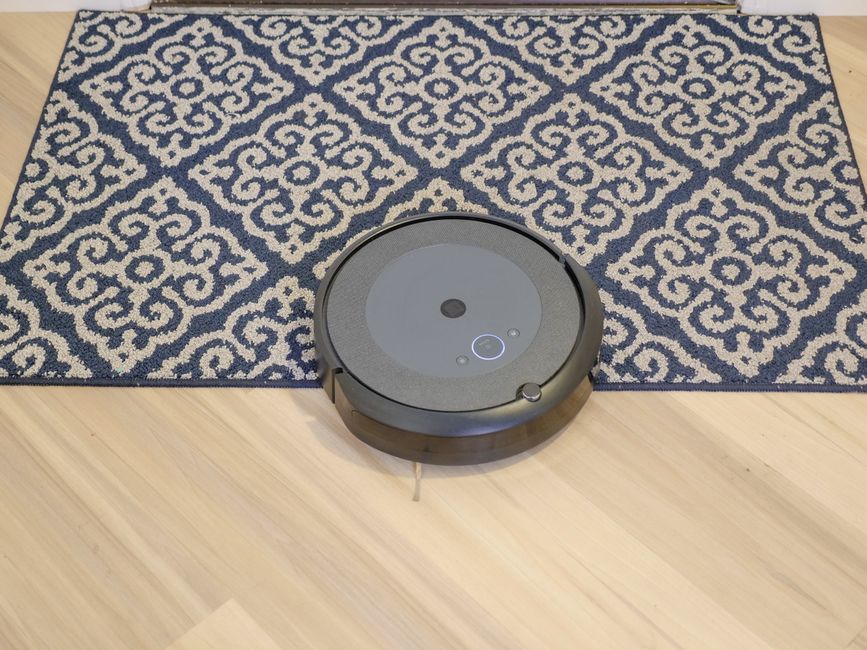
If you’re installing new hardwood or refinishing existing floors, choose finishes specifically designed for durability. Waterborne polyurethane offers hardness comparable to oil-based versions with better clarity. Conversion varnish and catalyzed lacquers provide superior scratch resistance. Discuss hardwood protection with your flooring installer before choosing a finish type.
- Polyurethane finishes offer good scratch resistance at moderate cost.
- Aluminum oxide coatings provide exceptional durability and hardness.
- Matte finishes hide minor scratches more effectively than glossy.
- Waterborne polyurethane combines durability with environmental benefits.
- Catalyzed lacquers deliver professional-grade scratch protection.
Key Takeaway: High-quality, hard finishes minimize visible damage from robot vacuums, while matte finishes hide minor scratches naturally.
How Do Robot Vacuum Mop Combos Affect Hardwood Safety?
Robot vacuum-mop hybrid models add water and moisture concerns to hardwood protection. Excess moisture is the primary threat to hardwood floors, potentially causing warping and swelling. Quality combo models use minimal water and include moisture sensors to prevent oversaturation. However, they introduce additional complexity and risk compared to vacuum-only models on hardwood.
If you prefer a combo unit, choose models with adjustable water flow settings. Microfiber pads are gentler on finishes than traditional mop heads. Ensure the unit has dock technology that wrings out excess water before cleaning. For more information on combo safety, see our guide on robot vacuum mop combos in 2026.
Consider using combo models only on sealed hardwood with waterproof finishes. Avoid running them on solid hardwood floors with penetrating oil finishes. Many hardwood experts recommend separate vacuum and mop units for maximum hardwood protection. This approach lets you control moisture exposure more precisely.
Key Takeaway: Combo models work on hardwood only with careful water management and sealed finishes.
Practical Tips for Safe Robot Vacuum Use on Hardwood Floors
Pre-Purchase Checklist
- Verify the model has rubber brushes, not hard plastic versions.
- Check for adjustable suction and brush speed settings in specifications.
- Read hardwood-specific reviews on trusted sites before buying.
- Confirm the warranty covers hardwood floor damage if applicable.
- Compare wheel materials and look for soft rubber options.
Setup and Operation Best Practices
Position the charging dock on tile or laminate flooring if possible. This prevents the vacuum from constantly rolling over hardwood near the dock area. Create virtual boundaries using the app to keep the vacuum away from especially vulnerable areas. Start with gentle or hardwood-specific cleaning modes before using standard settings.
Run the vacuum during times when you can monitor it initially. Watch for unusual sounds or movements that might indicate brush problems. Adjust settings based on what you observe during the first few cleaning cycles. Document any visible marks to assess whether your setup is working properly.
Long-Term Maintenance Schedule
- Check brush condition every two weeks for wear or damage.
- Clean wheels and sensors monthly to maintain optimal performance.
- Replace main brushes every 6-12 months depending on usage.
- Update software regularly to access hardwood-protection improvements.
- Have hardwood floors professionally inspected annually if concerned about damage.
Key Takeaway: Careful model selection, proper setup, and consistent maintenance create a safe hardwood cleaning routine.
Frequently Asked Questions
Can robot vacuums scratch engineered hardwood floors?
Engineered hardwood is more scratch-resistant than solid hardwood due to its plywood base and protective veneer. Robot vacuums are generally safer on engineered floors. However, the same protective features—rubber brushes, soft wheels, and regular maintenance—still apply. Low-quality models can still cause visible damage to engineered hardwood finishes.
What’s the difference between robot vacuums that damage hardwood and those that don’t?
Safe models use rubber brushes and soft wheels instead of hard plastic. They offer adjustable brush pressure and suction settings. Quality construction includes sealed bearings and precision wheel alignment. Unsafe models use rigid plastic brushes, fixed pressure settings, and poor wheel design. Reading reviews specifically mentioning hardwood safety helps identify the difference.
How often should you run a robot vacuum on hardwood floors?
Daily or every-other-day operation is safe on hardwood with quality vacuums and proper maintenance. More frequent runs actually reduce debris accumulation risk. However, adjust frequency based on your household’s debris generation. Pet owners might run vacuums daily, while pet-free homes could use them every other day. See our guide on robot vacuum scheduling in 2026 for detailed recommendations.
Do self-emptying robot vacuums scratch hardwood more than regular models?
Self-emptying capability doesn’t inherently increase hardwood damage risk. The vacuum’s brush and wheel design matters more than emptying method. Self-emptying models offer convenience without sacrificing hardwood safety. For more information, check our article on self-emptying robot vacuums in 2026.
Can you use a robot vacuum on hardwood with pet hair?
Yes, but pet hair increases scratching risk by wrapping around brushes and creating pressure points. Clean brushes more frequently—ideally weekly—when you have pets. Choose models with anti-tangle brush designs. For detailed information on pet hair handling, see our guide on robot vacuums and pet hair in 2026.
What should you do if your robot vacuum scratches hardwood floors?
Stop using the vacuum immediately and inspect it for brush or wheel problems. Clean all brushes and wheels thoroughly to remove trapped debris. Check brush condition and replace if worn. If scratches appeared on new hardwood, contact the vacuum manufacturer about warranty coverage. For minor scratches on finished hardwood, professional floor refinishing can address damage.
Can You Use Robot Vacuums on Hardwood Floors Safely in 2026?
Robot vacuums can absolutely coexist with hardwood floors when you make informed choices. Modern models in 2026 include hardwood-specific features like rubber brushes, soft wheels, and adjustable settings. The technology has matured significantly, with many premium models designed specifically for hardwood protection. Thousands of homeowners successfully use robot vacuums on hardwood daily without damage.
Success requires three components: choosing a quality model with hardwood-friendly features, maintaining it consistently, and preparing your environment properly. Invest time in weekly brush cleaning and regular floor sweeping. Monitor your vacuum’s performance during initial use and adjust settings as needed. These practices virtually eliminate scratching risk while keeping your hardwood floors clean effortlessly.
If you’re concerned about specific models or have unique hardwood situations, consult your flooring manufacturer’s guidelines. Many now explicitly recommend compatible robot vacuum types. The investment in a quality hardwood-safe robot vacuum pays dividends through years of convenient, damage-free cleaning. Your beautiful hardwood floors and a spotless home aren’t mutually exclusive in 2026.
Key Takeaway: Quality robot vacuums with proper maintenance and hardwood-specific features deliver safe, effective cleaning on hardwood floors.

Write Your Review
No reviews yet. Be the first to share your experience!