

Do Robot Vacuums Work on High Pile Carpet in 2026? Quick Answer
Robot vacuums struggle significantly with high pile carpet, though newer 2026 models perform better than previous generations. Most standard robot vacuums have limited suction power and low-profile designs that prevent deep fiber penetration on thick, plush carpets. High pile carpet (typically 1.5 to 3 inches tall) creates multiple challenges: wheels can sink into fibers, brush bars may tangle, and overall cleaning effectiveness drops by 40-60% compared to hard floors. However, premium models with enhanced suction, larger wheels, and advanced brush technology can achieve acceptable results on high pile, especially when combined with strategic placement and regular maintenance routines.
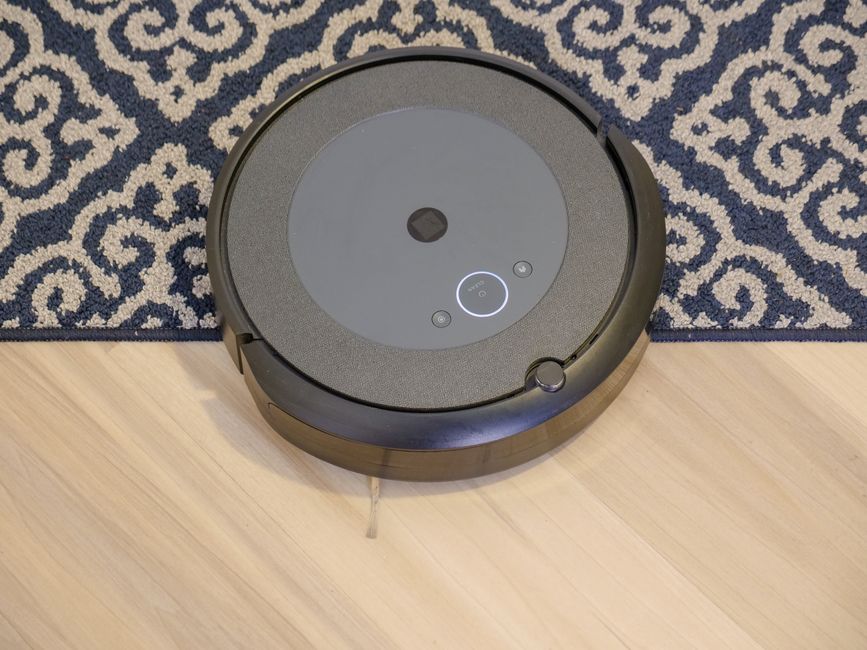
The fundamental issue stems from robot vacuum design. These devices prioritize low profiles for navigation under furniture and efficient battery usage. High pile carpet requires more power, better traction, and specialized brush configurations. Standard models typically deliver adequate cleaning on low pile or medium carpet but falter on plush surfaces. Understanding your carpet type and choosing the right vacuum model makes a substantial difference in cleaning success and overall satisfaction with your investment.
How Do Robot Vacuums Handle High Pile Carpet Differently?
Robot vacuums encounter unique obstacles when navigating high pile carpet. The thick fibers create resistance that drains battery faster and reduces suction effectiveness. Wheels designed for hard floors and low pile carpet may struggle to maintain traction in deep fibers, causing the vacuum to move slowly or get stuck. The brush bar, typically optimized for shorter carpet fibers, may tangle or wrap with high pile strands, requiring frequent cleaning and maintenance.
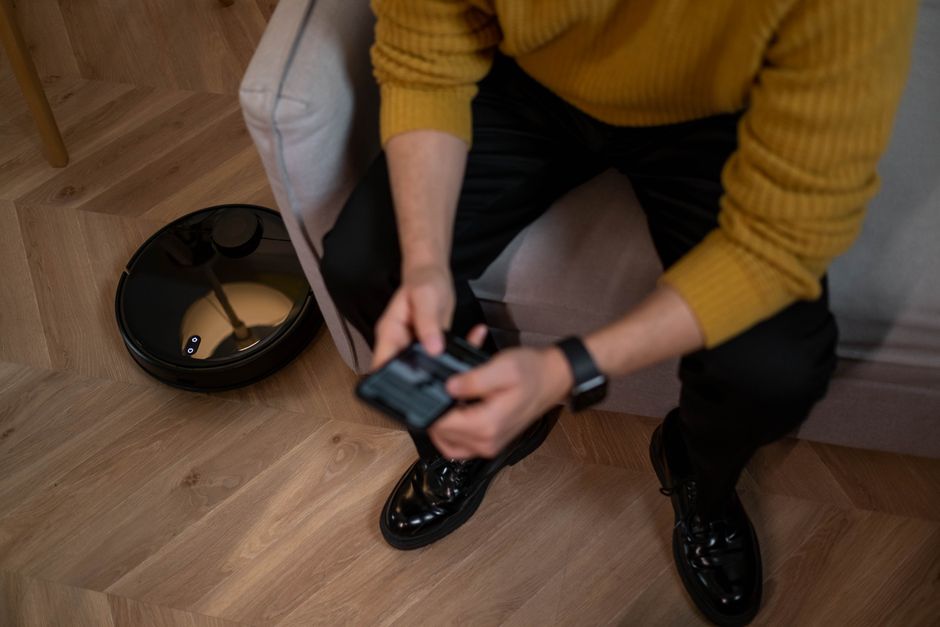
The vacuum’s low clearance height becomes a significant limitation. Most robot vacuums sit 3-4 inches tall, while high pile carpet can reach 3 inches in height alone. This means the vacuum’s brush bar barely reaches the base of the fibers, missing substantial debris trapped deeper in the pile.
Suction Power Limitations on Thick Carpet
Standard robot vacuums generate 1500-2500 Pa of suction pressure. High pile carpet requires significantly more suction to lift debris from deep within the fiber structure. The carpet’s density creates airflow resistance that reduces the vacuum’s effectiveness dramatically. Newer 2026 models with 3000+ Pa suction perform noticeably better, though they still don’t match traditional upright vacuums on high pile surfaces.
- Standard models: 1500-2500 Pa suction pressure.
- Premium 2026 models: 3000-4500 Pa for improved carpet performance.
- Upright vacuums: 5000+ Pa for comparison.
Wheel and Motor Stress
High pile carpet puts excessive strain on robot vacuum motors and wheels. The increased resistance causes motors to work harder, draining batteries 30-40% faster than on hard floors. Wheels may slip or spin without gaining traction, and the added friction generates heat that can affect component lifespan. Motors in budget models aren’t designed for sustained high-load operation on thick carpet.
Key Takeaway: High pile carpet fundamentally conflicts with robot vacuum design principles, creating suction loss, traction issues, and accelerated battery drain.
Which 2026 Robot Vacuum Models Perform Best on High Pile Carpet?
Not all robot vacuums are created equal when it comes to high pile carpet performance. Premium models released in 2026 incorporate specific features that improve carpet cleaning capability. Look for vacuums with increased ground clearance, powerful motors, advanced brush designs, and intelligent navigation systems that optimize cleaning patterns on challenging surfaces.
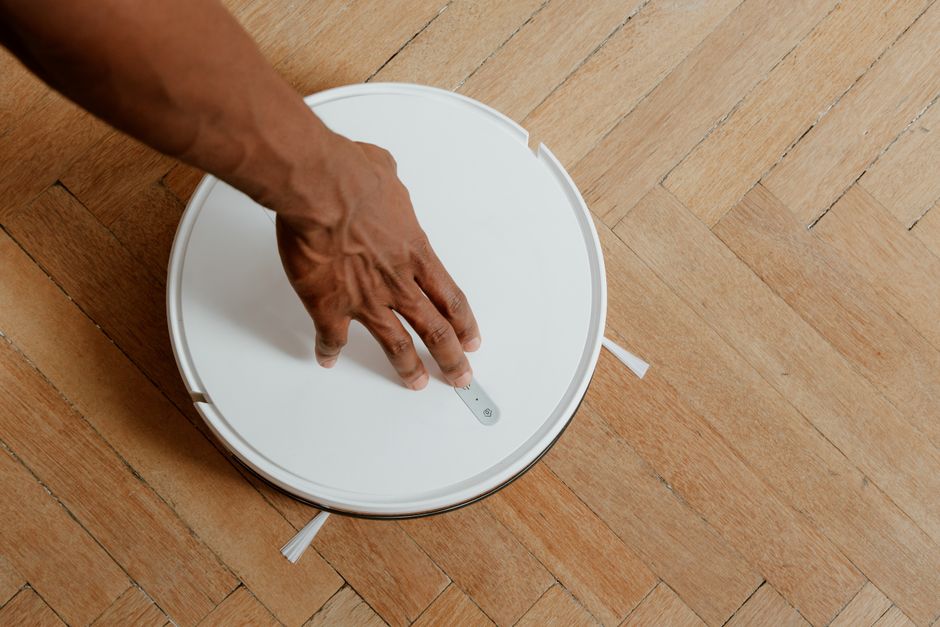
Top-performing models typically cost $600-$1200 and include multiple carpet-specific features. These vacuums use larger wheels (3+ inches diameter), enhanced brush bar designs with anti-tangle technology, and suction systems rated above 3500 Pa. They also feature carpet detection sensors that automatically boost suction when the vacuum encounters carpet.
Essential Features for High Pile Performance
- Suction power: 3500+ Pa for effective deep cleaning.
- Wheel diameter: 3 inches or larger for better traction and clearance.
- Brush bar: Anti-tangle design with rubber bristles.
- Carpet detection: Automatic suction boost on carpet surfaces.
- Larger dustbin: 500+ ml capacity to handle carpet debris volume.
- Extended battery: 150+ minute runtime for thorough coverage.
Comparing Budget vs. Premium Models
Budget robot vacuums ($200-$400) often fail on high pile carpet entirely. They lack sufficient suction power, have small wheels that sink into fibers, and use standard brush bars prone to tangling. Mid-range models ($400-$700) offer moderate improvement with better motors and slightly larger wheels, achieving 30-50% cleaning effectiveness on high pile compared to hard floors.
Premium models ($800-$1500) represent the best option for high pile carpet users. These vacuums feature commercial-grade suction motors, advanced navigation, larger wheels, and specialized brush technology. They achieve 60-75% cleaning effectiveness on high pile, though still below traditional vacuum standards. Consider upgrading to premium if your home is primarily high pile carpet.
Key Takeaway: Premium 2026 robot vacuums with 3500+ Pa suction and 3-inch wheels deliver significantly better high pile performance than budget models.
What Practical Strategies Improve Robot Vacuum Performance on High Pile Carpet?
Strategic deployment and maintenance routines maximize robot vacuum effectiveness on high pile carpet. Even budget models achieve better results with proper setup and regular care. The key is working within the vacuum’s limitations while optimizing its operational parameters.
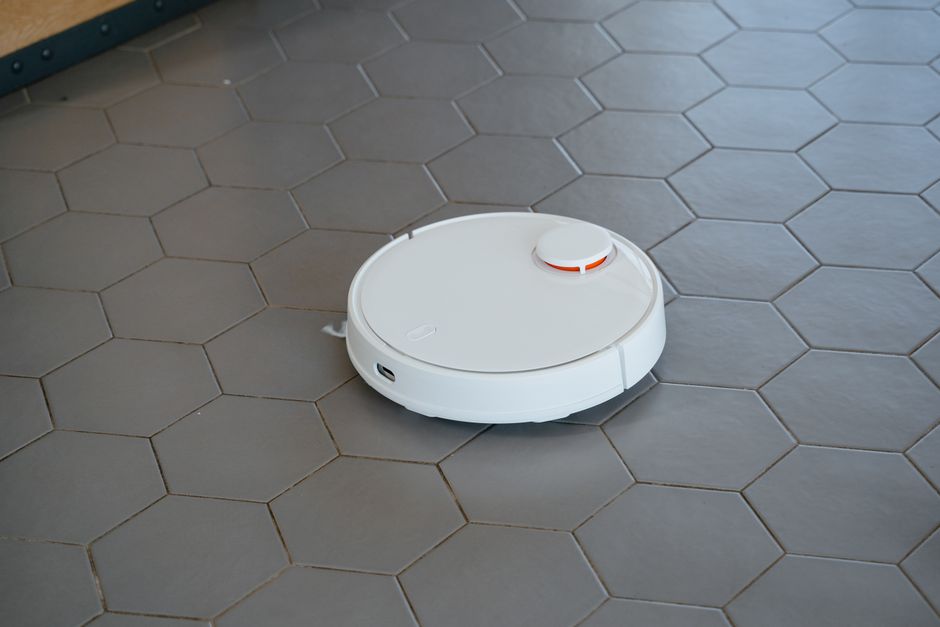
Before purchasing, test your specific robot vacuum model on your actual high pile carpet if possible. Many retailers offer trial periods. This prevents disappointment and ensures the vacuum meets your cleaning standards before committing financially.
Pre-Cleaning and Setup Steps
- Vacuum manually before running the robot vacuum to remove surface debris.
- Clear the carpet of small obstacles that could tangle or jam the brush bar.
- Use virtual boundaries to restrict the vacuum to carpeted areas only.
- Ensure adequate clearance around furniture for smooth navigation.
- Run the vacuum multiple times per week rather than once weekly.
Maintenance for High Pile Carpet Use
High pile carpet creates more maintenance demands than other surfaces. The brush bar tangles more frequently, requiring weekly cleaning instead of monthly. Empty the dustbin after each cleaning cycle because high pile carpet produces more debris volume. Check wheels regularly for fiber wrapping and clean the suction intake monthly to prevent blockages from carpet fibers.
Inspect the side brush weekly for tangling and clean sensor windows before each run. High pile carpet also generates more dust, so filter maintenance becomes critical. Wash or replace filters every two weeks instead of monthly to maintain suction efficiency and motor longevity.
Operational Optimization
Run your robot vacuum on maximum suction settings exclusively on high pile carpet. The battery drain is significant, but cleaning effectiveness improves substantially. Schedule runs during off-peak hours to avoid interference with household activities. Multiple shorter runs (30-45 minutes) often outperform single longer sessions because the vacuum covers the same area multiple times with fresh battery power.
Create carpet-specific cleaning schedules using your vacuum’s app. Many 2026 models allow customized routines for different room types. Prioritize high pile areas for frequent cleaning while reducing frequency on hard floors. This strategy balances battery resources and maintenance demands across your home.
Key Takeaway: Multiple weekly runs with maximum suction, regular brush cleaning, and pre-vacuuming dramatically improve high pile carpet results.
How Does High Pile Carpet Impact Robot Vacuum Battery Life?
High pile carpet dramatically reduces robot vacuum battery runtime compared to hard floors. The increased friction and resistance force motors to work harder, consuming battery power 30-50% faster. A vacuum rated for 150 minutes on hard floors might only achieve 90-100 minutes on high pile carpet. This limitation significantly affects cleaning coverage and effectiveness on larger homes with extensive carpeting.
Battery degradation accelerates on high pile carpet due to sustained high-load operation. Motors running at maximum capacity generate more heat, which degrades lithium battery cells faster. After one year of regular use on high pile carpet, expect 15-20% battery capacity loss compared to 8-10% on mixed floor types. This means replacement costs become a consideration for long-term ownership.
Real-World Runtime Expectations
- Hard floors: Full rated runtime (120-180 minutes).
- Low pile carpet: 90-95% of rated runtime.
- Medium pile carpet: 70-80% of rated runtime.
- High pile carpet: 50-65% of rated runtime.
Plan your cleaning schedule around realistic high pile runtime. A 150-minute vacuum might only cover 1200-1500 square feet of high pile carpet before returning to its dock. Larger homes require multiple cleaning cycles or investment in a vacuum with extended battery capacity. Premium 2026 models with 200+ minute batteries handle high pile better, though still with reduced coverage compared to specifications.
Key Takeaway: Expect 35-50% battery runtime reduction on high pile carpet, requiring multiple cleaning cycles for larger homes.
What Are the Realistic Cleaning Results on High Pile Carpet?
Robot vacuums achieve acceptable but not exceptional cleaning on high pile carpet. Realistic expectations prevent frustration and buyer’s remorse. Most premium models capture 60-75% of surface debris on high pile carpet, compared to 85-95% on hard floors and low pile carpet. Deeper debris embedded in the pile remains untouched, requiring periodic traditional vacuum use.
Visible dirt and debris removal is usually satisfactory for maintenance cleaning between deeper cleanings. However, robot vacuums cannot replace traditional vacuums for thorough high pile carpet cleaning. Think of robot vacuums as supplementary maintenance tools rather than primary cleaning solutions for high pile homes.
Debris Types and Capture Rates
- Surface dust and crumbs: 80-90% capture rate.
- Pet hair: 50-70% capture rate (tangles more frequently).
- Fine dust particles: 40-60% capture rate.
- Embedded debris: 20-40% capture rate.
Pet owners should note that high pile carpet worsens pet hair performance. Hair tangles around the brush bar more frequently on thick fibers, reducing overall cleaning efficiency. If you have pets and high pile carpet, expect to clean the brush bar weekly and consider supplemental pet hair removal methods.
For allergy sufferers, robot vacuums provide limited benefit on high pile carpet because they cannot extract dust deeply embedded in the fiber structure. HEPA filtration helps with airborne particles captured during operation, but the vacuum won’t address the primary dust reservoir trapped in thick carpet pile.
Key Takeaway: Robot vacuums achieve 60-75% cleaning effectiveness on high pile carpet, suitable for maintenance only, not deep cleaning.
Should You Choose a Robot Vacuum if You Have Mostly High Pile Carpet?
The decision depends on your expectations, home size, and budget. If your home is primarily high pile carpet, a traditional upright vacuum or hybrid approach is more practical. Robot vacuums excel on hard floors and low pile carpet but struggle with high pile surfaces. However, specific situations favor robot vacuum investment even with high pile carpet.
Robot vacuums provide value if you have a mixed floor plan combining hard floors, low pile carpet, and limited high pile areas. They excel at maintaining hard floors and low pile carpet while providing supplementary cleaning on high pile sections. The convenience and continuous maintenance benefit justify the investment in this scenario.
When Robot Vacuums Make Sense for High Pile Homes
- Mixed floor types with less than 50% high pile carpet.
- Single-story homes with manageable high pile areas.
- Homes where daily maintenance is valued over deep cleaning.
- Households wanting to reduce manual vacuuming frequency.
- Users with mobility issues who need cleaning assistance.
When to Choose Traditional Vacuums Instead
If your home is 70% or more high pile carpet, a traditional upright vacuum or canister vacuum delivers better results and value. These machines generate 5000+ Pa suction, feature specialized brush rolls for high pile, and complete thorough cleaning in single passes. The investment in a quality upright vacuum ($300-$600) often outperforms robot vacuums on high pile-dominant homes.
Consider a hybrid approach if budget allows: a quality upright for weekly deep cleaning of high pile areas and a robot vacuum for daily hard floor maintenance. This combination balances convenience with cleaning effectiveness across different floor types. Many homeowners find this strategy optimal for mixed-carpet homes.
Key Takeaway: Robot vacuums suit mixed floor homes but fall short as primary cleaners for high pile-dominant properties.
How Do Robot Vacuums Compare to Traditional Vacuums on High Pile Carpet?
Traditional vacuums dramatically outperform robot vacuums on high pile carpet across every metric. Upright vacuums feature powerful motors generating 5000-12000 Pa suction, large brush rolls optimized for thick fibers, and tall designs that reach deep into the pile. They complete thorough cleaning in single passes, while robot vacuums require multiple runs and still achieve inferior results.
The performance gap reflects fundamental design differences. Traditional vacuums prioritize cleaning power and carpet capability. Robot vacuums prioritize convenience and battery efficiency. On high pile carpet, these priorities conflict with user expectations. A $400 upright vacuum outcleans a $1000 robot vacuum on high pile surfaces.
Performance Comparison on High Pile Carpet
| Feature | Robot Vacuum | Upright Vacuum |
| Suction Power | 3000-4500 Pa | 5000-12000 Pa |
| Cleaning Effectiveness | 60-75% | 90-95% |
| Time per 1000 sq ft | 45-90 minutes | 15-25 minutes |
| Maintenance Frequency | Weekly brush cleaning | Monthly maintenance |
| Convenience | Autonomous operation | Manual operation required |
Robot vacuums offer convenience that traditional vacuums cannot match. They operate autonomously, require no manual effort, and provide continuous maintenance cleaning. However, convenience comes at the cost of cleaning power and effectiveness on challenging surfaces like high pile carpet. The trade-off is worth it for mixed floor homes but problematic for high pile-dominant properties.
Key Takeaway: Upright vacuums deliver 90-95% cleaning effectiveness on high pile carpet versus 60-75% for robot vacuums, despite higher convenience.
Frequently Asked Questions
Can a robot vacuum get stuck in high pile carpet?
Yes, robot vacuums can get stuck in high pile carpet, especially budget models with small wheels. Thick fibers create resistance that overwhelms weak motors. The vacuum may spin wheels without moving forward or become wedged under furniture that sits lower on thick carpet. Premium models with larger wheels and stronger motors minimize this risk but don’t eliminate it entirely. Test your specific model on your actual carpet before relying on it.
Will high pile carpet damage a robot vacuum?
High pile carpet accelerates wear on robot vacuums but doesn’t cause permanent damage if maintained properly. Brush bar tangling, increased motor strain, and faster battery degradation are expected. Regular maintenance—weekly brush cleaning, monthly filter changes, and sensor cleaning—extends lifespan significantly. Plan for 3-4 year lifespan on high pile carpet versus 5-6 years on mixed floors. Budget for replacement sooner than specifications suggest.
How often should you run a robot vacuum on high pile carpet?
Run your robot vacuum 3-5 times weekly on high pile carpet for adequate maintenance. Daily operation is excessive and accelerates component wear beyond practical benefit. Multiple shorter runs (30-45 minutes) outperform single long sessions because the vacuum covers the same area with fresh battery power. Adjust frequency based on foot traffic and visible dirt accumulation in your specific home.
Do robot vacuums work better on newer high pile carpet?
Newer high pile carpet offers marginal improvement for robot vacuums. Fresh carpet fibers stand more uniformly, potentially improving brush bar contact. However, the fundamental design limitations remain unchanged. Older, matted high pile carpet performs slightly worse due to fiber compression creating more resistance. The difference is minimal—expect 5-10% performance variation between new and old carpet, not substantial improvement.
Should you use robot vacuums on high pile carpet at all?
Robot vacuums on high pile carpet work best as supplementary maintenance tools, not primary cleaners. If your home is mixed floor types, robot vacuums provide value for hard floor maintenance while you handle high pile carpet separately. For high pile-dominant homes, traditional vacuums deliver better results and value. Evaluate your specific floor layout and cleaning expectations before investing.
What robot vacuum features matter most for high pile carpet?
Suction power (3500+ Pa), wheel diameter (3+ inches), and anti-tangle brush design are essential for high pile performance. Carpet detection sensors that boost suction automatically improve results significantly. Extended battery capacity (200+ minutes) helps cover larger areas. Premium models combining these features achieve acceptable high pile cleaning, while budget models without these specifications struggle considerably.
Is a Robot Vacuum the Right Choice for Your High Pile Carpet Home in 2026?
Robot vacuums work on high pile carpet but with significant limitations compared to traditional vacuums. Realistic expectations are crucial before purchasing. Premium 2026 models with 3500+ Pa suction and advanced features achieve 60-75% cleaning effectiveness on high pile surfaces—acceptable for maintenance but insufficient for deep cleaning. Budget models perform poorly and often get stuck or struggle with brush tangling.
The decision ultimately depends on your home’s floor composition and priorities. Mixed floor homes benefit from robot vacuums that excel on hard floors while providing supplementary high pile cleaning. High pile-dominant homes should prioritize traditional upright vacuums for better results and value. If you choose a robot vacuum despite high pile carpet, invest in premium models and commit to regular maintenance including weekly brush cleaning and frequent filter changes.
Consider your lifestyle and expectations honestly. Robot vacuums offer unmatched convenience for autonomous cleaning, but they cannot match traditional vacuum performance on challenging surfaces. For high pile carpet specifically, think of robot vacuums as helpful assistants that reduce manual vacuuming frequency rather than replacements for thorough cleaning. Pair your robot vacuum with periodic traditional vacuuming for optimal results and carpet longevity. Read our related guides on best suction settings for hard floors and robot vacuum pet hair pickup to optimize performance across all your floor types.



Write Your Review
No reviews yet. Be the first to share your experience!