

Why Does My Robot Vacuum Get Stuck on Rugs? Quick Answer and Overview
Robot vacuums get stuck on rugs primarily due to three mechanical failures: carpet fringe entanglement around brush rollers, insufficient wheel traction on plush surfaces, and low-profile design limitations that prevent climbing onto raised rugs. Modern robot vacuums in 2026 use edge-detection sensors that often misinterpret rug edges as cliffs, causing them to reverse away rather than traverse the surface. Additionally, heavier rugs with loose fibers create suction drag that exceeds motor power, while thinner rugs may shift under the vacuum’s weight, causing wheels to lose contact with the floor. Understanding these root causes helps you implement targeted fixes.
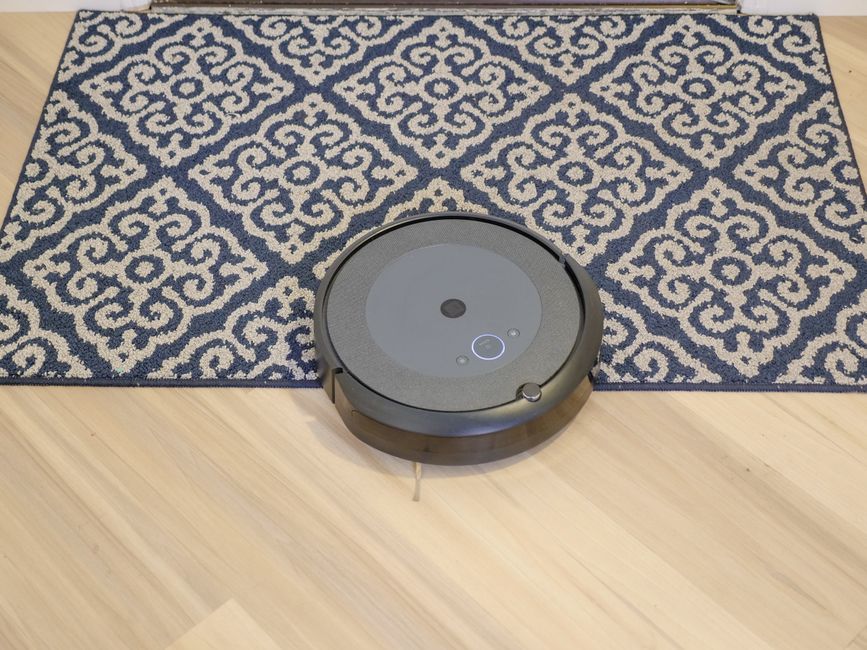
The challenge intensifies with high-pile and shag rugs, which present multiple obstacles simultaneously. Your robot vacuum’s brush roller, wheel motors, and navigation system must work in harmony to cross any rug successfully. In August 2026, manufacturers have improved rug detection algorithms, but older models and budget-friendly options still struggle. The good news: most rug-related issues have practical solutions ranging from simple adjustments to strategic home layout changes.
Key Takeaway: Rug entanglement stems from design limitations, not defects—and most issues are preventable through proper setup and maintenance.
How Do Rug Fibers Cause Brush Roller Entanglement?
Brush roller entanglement represents the most common rug-related failure. Robot vacuums feature rotating brush rollers that agitate and lift debris from surfaces. When these rollers encounter loose rug fibers—especially from frayed edges, tassels, or high-pile carpets—the fibers wrap tightly around the brush shaft. This wrapping creates resistance that either stalls the motor or triggers safety sensors that halt the vacuum entirely.
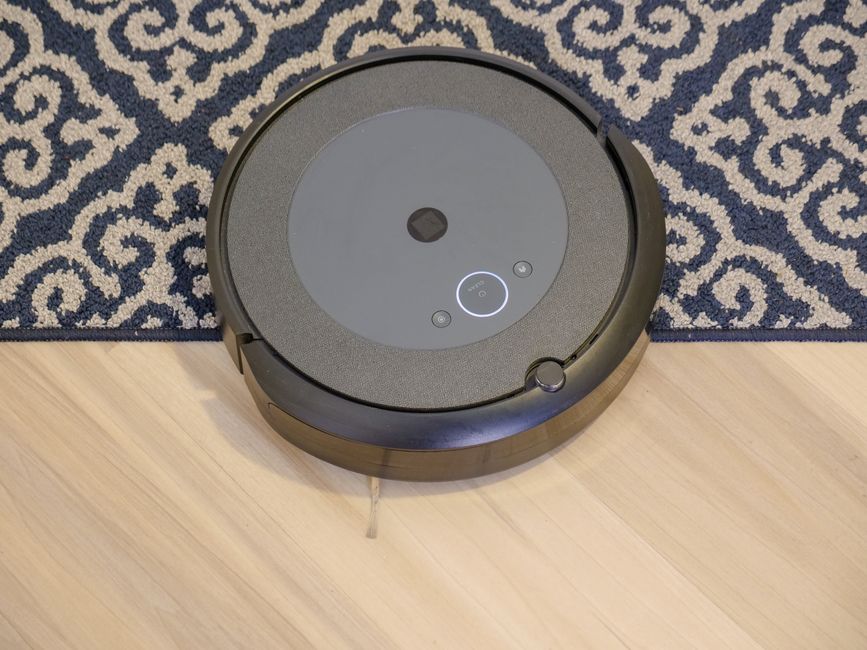
The entanglement process happens quickly. A single fiber catches on the brush bristles, then additional fibers spiral around the shaft as the brush continues rotating. Within seconds, dozens of fibers form a tight band that locks the brush mechanism. Your vacuum detects this resistance as a jam and stops moving forward, leaving it stranded on the rug.
Different rug materials pose varying risks:
- Wool rugs shed more fibers, increasing entanglement likelihood.
- Synthetic rugs create longer strands that wrap more effectively.
- Shag and high-pile rugs have fibers that naturally stand upright, making contact with brush rollers inevitable.
- Rug fringes and tassels are worst offenders—they’re designed to be loose and flexible.
Preventing Brush Roller Damage from Rugs
Prevention requires two strategies: reduce loose fibers and maintain your vacuum regularly. Vacuum your rugs manually or with an upright vacuum before running your robot vacuum. This removes loose fibers that would otherwise wrap around the brush. Additionally, trim or tuck rug fringes and tassels away from the vacuum’s path, or use rug tape to secure them to the rug’s underside.
Regular brush cleaning is non-negotiable. Check your brush roller weekly if you have rugs, and clean it daily during heavy-use periods. Most robot vacuums in 2026 feature tool-free brush access, making this maintenance quick and painless. Remove wrapped fibers, lint, and hair before they accumulate and damage the motor.
Key Takeaway: Brush entanglement is preventable through pre-cleaning and weekly maintenance.
Why Can’t Robot Vacuums Climb Onto Raised Rugs?
Robot vacuums have a critical design constraint: a fixed height clearance, typically between 3 and 4 inches from the floor to the vacuum’s undercarriage. Rugs thicker than 0.5 inches create a height transition that exceeds many vacuums’ climbing ability. When wheels encounter this edge, the vacuum’s front bumper hits the rug surface, preventing forward motion. The vacuum then reverses and repeats the attempt, creating a frustrating loop of failed approaches.
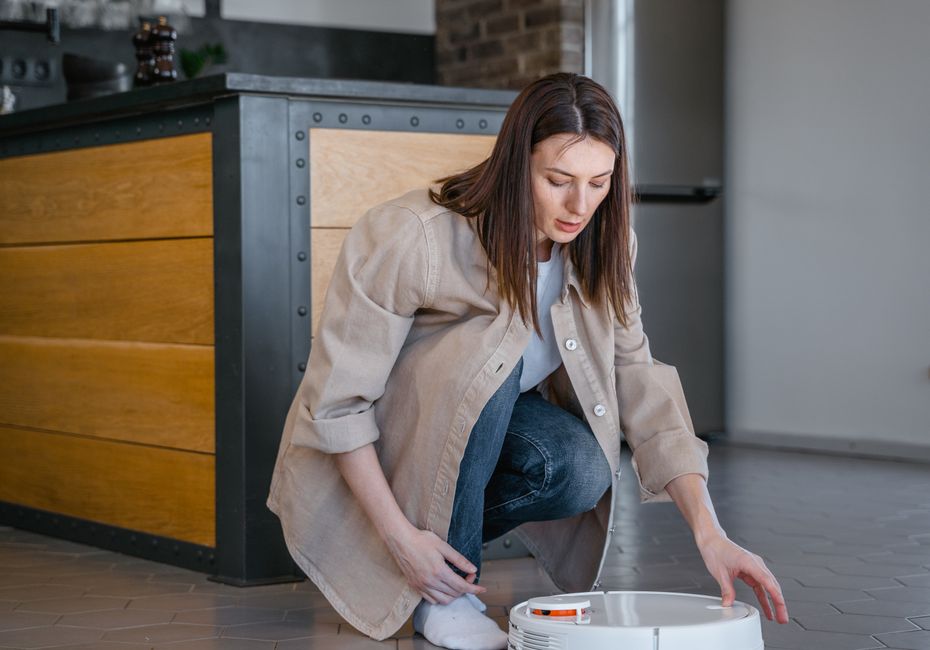
The problem worsens with heavier rugs. As the vacuum’s weight settles onto the rug edge, the rug may compress slightly, creating an even steeper angle. Simultaneously, the vacuum’s wheels lose traction on the soft rug surface, spinning without gaining purchase. This combination of insufficient ground clearance and poor wheel grip makes climbing impossible.
Rug height scenarios and typical vacuum responses:
- Thin rugs (under 0.25 inches): Most vacuums cross without difficulty; sensors may briefly detect an obstacle.
- Medium rugs (0.25–0.5 inches): Vacuums attempt to climb; success depends on wheel motor power and traction.
- Thick rugs (0.5–1 inch): Many vacuums cannot climb; they reverse repeatedly or get stuck.
- Extra-thick rugs (over 1 inch): Virtually all robot vacuums fail; they treat the edge as an impassable cliff.
Improving Rug Transitions and Wheel Traction
If your rug is too thick for your vacuum to climb, create a gradual transition. Rug ramps—angled pieces of flexible material—bridge the height gap and allow wheels to maintain contact throughout the transition. Place ramps at rug edges where your vacuum typically enters. These inexpensive accessories (usually under twenty dollars) solve the climbing problem without requiring vacuum upgrades.
Alternatively, thin the rug edge itself. Use a rug trimmer or utility knife to gradually reduce the rug’s thickness at the edges, creating a slope instead of a sharp cliff. This approach works best for rugs you own outright and don’t mind modifying permanently. For rental properties or borrowed rugs, ramps offer a non-destructive solution.
Key Takeaway: Rug ramps and edge modification enable vacuums to cross thick rugs successfully.
How Do Sensor Misdetections Prevent Rug Navigation?
Modern robot vacuums rely on cliff-detection sensors to avoid falling down stairs. These infrared sensors emit light downward and measure reflections to determine floor proximity. A hard, reflective floor returns a strong signal, while a distant floor (like the bottom of a stairwell) returns a weak signal. The vacuum interprets weak signals as cliffs and reverses away.
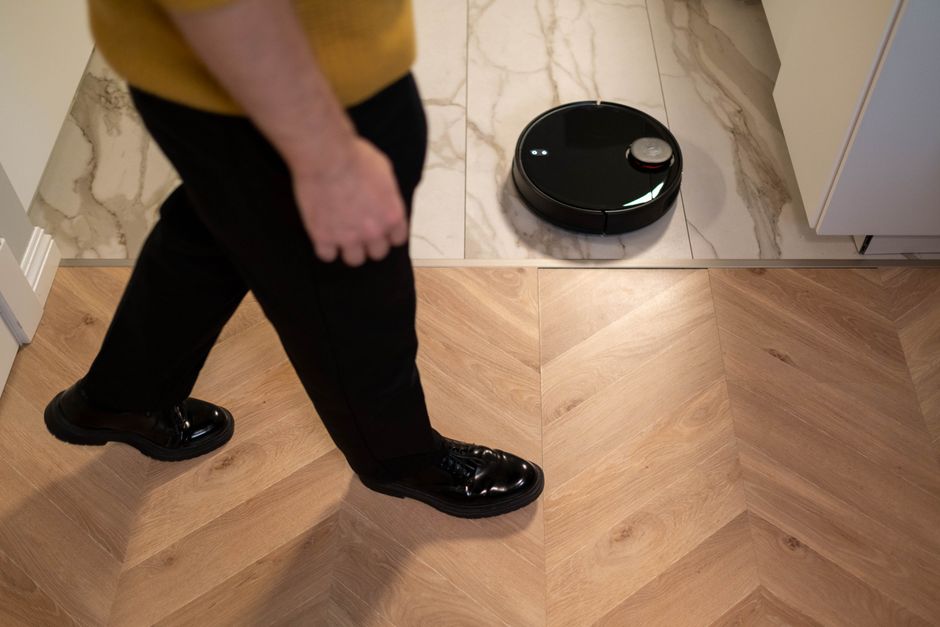
Rugs create sensor confusion because they absorb infrared light differently than hard floors. Dark rugs, particularly black or deep brown colors, absorb more light and return weaker signals than expected. The sensor interprets this weak reflection as a cliff, causing the vacuum to reverse before it even touches the rug. Light-colored rugs may return stronger reflections, but inconsistent rug texture causes signal fluctuations that trigger false cliff warnings.
Sensor misdetection scenarios:
- Dark rugs trigger cliff sensors prematurely; vacuum stops before reaching the rug surface.
- Textured rugs create variable reflections; vacuum makes jerky, uncertain movements.
- Patterned rugs confuse sensors with alternating light and dark areas.
- Wet or damp rugs change reflectivity; sensors behave unpredictably.
Calibrating Sensors and Adjusting Vacuum Settings
Check your vacuum’s app settings for cliff-detection sensitivity adjustments. Many 2026 models allow you to reduce sensitivity, which helps with dark rugs but increases fall risk on stairs. Use this feature cautiously and only if your home layout permits (no stairs near rugs). Some vacuums offer rug-specific detection modes that recalibrate sensors for carpet surfaces.
Clean your vacuum’s sensors regularly. Dust and debris accumulate on sensor lenses, degrading signal quality and causing false detections. Use a soft, dry cloth to gently wipe the underside sensors weekly. This simple maintenance often resolves mysterious rug avoidance issues that aren’t actually caused by the rug itself.
Key Takeaway: Sensor calibration and cleaning improve rug detection accuracy.
What Wheel Traction Problems Cause Rug Slippage?
Robot vacuum wheels are engineered for hard floors and low-pile carpet. These wheels feature rubber or synthetic treads optimized for smooth surfaces where friction is consistent. Plush rugs present a different friction profile: the wheel sinks into soft fibers, and the contact patch becomes unstable. As the wheel rotates, it pushes fibers sideways rather than gripping them, causing the wheel to spin without moving the vacuum forward.
Heavier vacuums compound this problem. Weight increases downward pressure on wheels, which should improve traction on hard floors. On soft rugs, however, increased pressure causes wheels to sink deeper into fibers, reducing the available grip surface. The vacuum spins its wheels frantically but makes no progress—a phenomenon users describe as the vacuum “getting stuck.”
Wheel traction factors on different rug types:
- Hard floors: Wheels maintain consistent friction; optimal traction and movement.
- Low-pile carpet: Wheels compress fibers slightly; adequate traction for most vacuums.
- Medium-pile carpet: Wheels sink partially; traction decreases noticeably.
- High-pile and shag: Wheels sink deeply; traction becomes insufficient for forward motion.
Improving Wheel Performance on Rugs
Upgrade your vacuum’s wheels if they’re worn or designed for hard floors. Aftermarket wheels with aggressive tread patterns or different rubber compounds provide better grip on soft surfaces. Check your vacuum’s manufacturer for approved wheel replacements, or search for compatible universal wheels designed for carpet use. This upgrade typically costs fifteen to forty dollars and can dramatically improve rug performance.
Alternatively, reduce your rug pile height temporarily. Use a carpet rake or stiff brush to flatten the rug’s pile before your vacuum runs. Flattened fibers provide more stable contact for wheels, improving traction. This solution works best for occasional rug cleaning rather than permanent setup, but it’s effective and costs nothing.
Key Takeaway: Wheel upgrades and rug pile management solve traction issues on soft surfaces.
How Can You Prevent Your Robot Vacuum from Getting Stuck on Rugs?
Preventing rug-related stuckness requires a multi-layered approach combining physical modifications, maintenance routines, and smart home configuration. The most effective strategy depends on your specific rug type, vacuum model, and home layout. Below are actionable steps you can implement immediately.
Physical Barriers and Rug Management
Create a physical boundary around problem rugs using magnetic strips or virtual wall devices. Most robot vacuums in 2026 support app-based no-go zones that prevent the vacuum from entering specific areas. If your vacuum frequently gets stuck on a particular rug, simply exclude that rug from the cleaning routine. This simple solution trades some cleaning coverage for 100 percent reliability.
For rugs you want cleaned, implement these modifications:
- Secure rug edges with double-sided rug tape to prevent shifting and sliding.
- Trim or tuck loose fringe and tassels to eliminate brush entanglement.
- Place rug ramps at edges to create gradual height transitions.
- Use a carpet rake to flatten pile before running your vacuum.
- Vacuum rugs manually or with an upright vacuum to remove loose fibers first.
Maintenance and Cleaning Routines
Establish a weekly maintenance schedule that includes brush roller inspection, wheel cleaning, and sensor verification. Check for wrapped fibers around the brush after every rug cleaning session. Clean wheels and undercarriage to remove rug fibers that accumulate over time. These fibers can migrate to other mechanical components and cause unexpected failures.
Inspect your vacuum’s cliff sensors monthly and clean them with a soft cloth. Verify that your vacuum successfully crosses rugs by monitoring its movement through the app or by direct observation. If you notice new rug avoidance behavior, clean sensors first before assuming the rug is the problem.
Vacuum Configuration and Settings
Review your vacuum’s app settings for rug-specific features. Some 2026 models include carpet boost modes that increase suction and motor power on soft surfaces. Enable these features before running your vacuum on rugs. Additionally, check if your vacuum offers adjustable cliff-detection sensitivity—reducing sensitivity slightly can help with dark rugs, but use this carefully to avoid stair-related accidents.
Schedule your vacuum to run at times when you can monitor it, at least initially. This allows you to observe how your vacuum handles rugs and intervene if it gets stuck. Once you’ve confirmed successful rug navigation, you can schedule unattended runs with confidence.
Key Takeaway: Prevention combines physical modifications, regular maintenance, and smart configuration.
What Should You Do If Your Robot Vacuum Gets Stuck Right Now?
If your vacuum is currently stuck on a rug, immediate action prevents motor damage and extends component lifespan. First, stop the vacuum immediately using the app or physical power button. Do not allow the vacuum to continue spinning wheels or brush rollers against resistance, as this causes overheating and potential motor burnout.
Carefully lift the vacuum off the rug and place it on a hard floor. Inspect the brush roller, wheels, and undercarriage for wrapped fibers or debris. Remove any visible obstructions using your fingers or a small tool. Check that the brush rotates freely and wheels spin without resistance. If you find significant fiber wrapping, clean the affected components thoroughly.
After clearing the obstruction, test the vacuum on the hard floor to confirm normal operation. Once you’ve verified that all mechanical systems function properly, you can attempt rug cleaning again—but only after implementing prevention measures from the previous section.
Key Takeaway: Immediate intervention prevents damage; always stop the vacuum and clear obstructions manually.
Frequently Asked Questions
Can I use my robot vacuum on any type of rug?
Robot vacuums work best on low-pile and thin rugs under 0.5 inches thick. High-pile, shag, and thick rugs present significant challenges due to traction loss and brush entanglement. Dark rugs may confuse cliff sensors. Check your vacuum’s specifications for maximum carpet pile height. Most manufacturers recommend testing on small rugs first before deploying on larger ones. If your rug consistently causes problems, it’s safer to exclude it from robot vacuum cleaning.
How often should I clean my robot vacuum’s brush if I have rugs?
Clean your brush roller weekly if you have rugs, or daily if you run your vacuum frequently on carpeted areas. Rug fibers wrap around the brush much faster than hard-floor debris accumulates. Regular cleaning prevents motor strain and extends brush lifespan. Most robot vacuums in 2026 feature tool-free brush access, making this maintenance quick. Check the brush after every rug cleaning session if possible.
Will rug ramps damage my rugs or floors?
Quality rug ramps are designed to be non-damaging when installed correctly. They use adhesive or friction to stay in place without permanently bonding to surfaces. Remove ramps periodically to inspect the area underneath for moisture or debris accumulation. Ramps work best on hard floors and may not stay secure on soft carpet. Always use ramps designed specifically for robot vacuums to ensure proper fit and safety.
What’s the difference between cliff detection and rug detection sensors?
Cliff-detection sensors prevent falls by detecting sudden drops (like stairs). Rug-detection sensors, available on some 2026 models, specifically identify carpet surfaces and trigger carpet-specific cleaning modes. Cliff sensors use infrared light reflection; rug sensors use similar technology but with different calibration. Not all vacuums have rug-detection sensors, so check your model’s specifications to confirm.
Can wheel upgrades really help with rug performance?
Yes, aftermarket wheels with aggressive tread patterns significantly improve traction on soft surfaces. Wheels designed specifically for carpet use feature different rubber compounds and tread designs optimized for fiber grip. Upgrades typically cost fifteen to forty dollars and are easy to install. Verify compatibility with your vacuum model before purchasing. Many users report dramatic improvement in rug navigation after wheel upgrades.
Is it better to exclude rugs from my vacuum’s cleaning map?
Excluding rugs via no-go zones is the most reliable solution if your vacuum consistently gets stuck. You sacrifice some cleaning coverage but gain 100 percent reliability and eliminate risk of damage. If you want your vacuum to clean rugs, implement prevention measures first: secure edges, trim fringe, flatten pile, and maintain your vacuum religiously. Many users find that a combination of prevention and no-go zones works best.
How Can You Choose the Right Robot Vacuum for Your Home with Rugs?
If you’re shopping for a new robot vacuum and have significant rug coverage, prioritize models with high motor power, aggressive wheel designs, and advanced rug detection. Check user reviews specifically for rug performance, as manufacturer specifications don’t always reflect real-world capability. Look for vacuums with adjustable cliff-detection sensitivity and carpet boost modes. Heavier vacuums with larger wheels generally perform better on soft surfaces than lightweight models.
Test your vacuum on your actual rugs before committing to regular use. Many retailers offer trial periods. Run your vacuum on your home’s rugs in various lighting conditions and monitor its behavior. Pay attention to whether it avoids rugs, slips on them, or successfully navigates across them. This real-world testing reveals whether a vacuum is truly suitable for your home.
Consider your rug collection’s total pile height and material composition. If you have multiple high-pile rugs, you may need a premium vacuum with exceptional traction and power. Budget models work adequately for low-pile and thin rugs but struggle with anything thicker. Match your vacuum choice to your rug reality rather than hoping a cheaper model will surprise you.
For comprehensive guidance on rug compatibility, review our complete performance guide for high-pile carpet in 2026. If you’re also concerned about floor damage, check our hardwood floor safety guide. For optimal hard floor cleaning, see our guide to suction settings for hard floors.
Key Takeaway: Match your vacuum to your rug collection; real-world testing beats manufacturer claims.
Why Does Understanding Rug Issues Matter for Your Smart Home?
Robot vacuums represent a significant investment—typically ranging from three hundred to two thousand dollars depending on features and brand. Understanding why your vacuum gets stuck on rugs helps you protect that investment and maximize its lifespan. Preventive measures cost far less than repair or replacement, making rug knowledge financially valuable.
Beyond cost, rug issues affect your smart home’s reliability. A vacuum that frequently gets stuck creates frustration and erodes trust in automated cleaning. You may find yourself manually vacuuming anyway, defeating the purpose of robot vacuum ownership. Solving rug problems transforms your vacuum from an unreliable gadget into a dependable household helper that genuinely reduces cleaning burden.
The rug-vacuum relationship also influences your overall smart home ecosystem. If your vacuum can’t handle your actual home environment, you’ll hesitate to integrate other smart cleaning devices. Conversely, solving rug challenges builds confidence in smart home automation and encourages adoption of complementary devices like smart mops and air purifiers.
In August 2026, robot vacuum technology has matured significantly, but rug compatibility remains a design challenge. Manufacturers continue improving rug detection and traction, but physics-based limitations persist. Your understanding of these limitations—combined with strategic prevention—ensures your vacuum performs reliably regardless of technology advances. This knowledge empowers you to make informed decisions about rug placement, vacuum selection, and maintenance routines that maximize your smart home’s effectiveness.
Key Takeaway: Understanding rug issues protects your investment and transforms your vacuum into a reliable household tool.

Write Your Review
No reviews yet. Be the first to share your experience!