

Are Self Emptying Robot Vacuums Worth the Extra Cost in 2026?
Self emptying robot vacuums automatically transfer dirt into a sealed base station, eliminating manual dustbin emptying for weeks. The premium ranges from $400 to $1,500 above standard robot vacuums. Whether this investment pays off depends on your home size, pet ownership, allergies, and lifestyle. In 2026, the technology has matured significantly, with improved suction power, quieter operation, and better navigation systems. This guide breaks down the real costs, benefits, and drawbacks to help you decide if self emptying is right for your home.
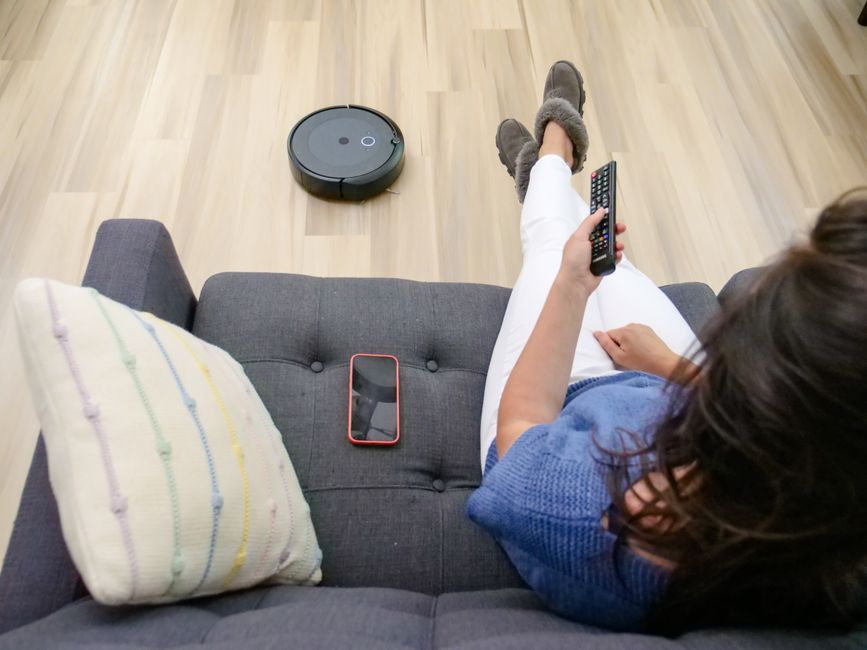
The self emptying market has expanded dramatically since 2024. Major manufacturers including Shark, iRobot, and Ecovacs now offer multiple tiers of self emptying models. Prices have become more competitive, though the premium still exists. Understanding what you actually gain—and what you don’t—is essential before spending extra money.
Key Takeaway: Self emptying robot vacuums are worth the cost if you have a large home, pets, or allergies, but standard models suffice for small apartments and light cleaning needs.
What Exactly Is a Self Emptying Robot Vacuum?
A self emptying robot vacuum includes a motorized base station that sucks dirt from the robot’s dustbin automatically. The robot returns to the dock after cleaning cycles and triggers the transfer process. Dirt is compressed into sealed bags or chambers inside the base, reducing volume by 50-80 percent. This compression means you empty the base only every 30-60 days instead of every 2-7 days with standard models.
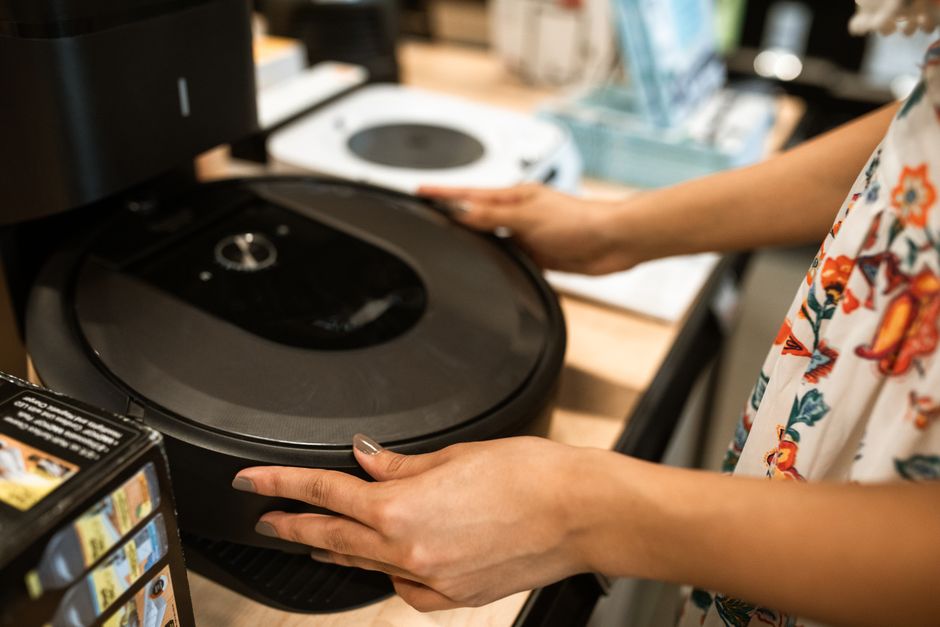
The base stations vary in size and capacity. Larger bases hold more debris and require less frequent emptying. Some models include additional features like hot air drying for mop pads or water refilling systems. The base typically connects to your home WiFi and sends app notifications when it needs emptying.
How the Self Emptying Process Works
When the robot returns to its dock, sensors detect the dustbin fullness. The base activates a powerful suction motor that pulls air and debris through a tube. The debris gets compressed into a replaceable bag or sealed chamber. The entire process takes 10-30 seconds and is relatively quiet on most 2026 models.
- Robot docks automatically after cleaning cycles end.
- Base station detects full dustbin via pressure sensors.
- Suction motor activates and pulls debris upward.
- Dirt compresses into sealed storage compartment.
- Robot returns to standby mode ready for next cycle.
Key Takeaway: The self emptying process is automatic, requires no user intervention, and happens in under 30 seconds per cycle.
How Much Extra Do Self Emptying Models Actually Cost?
Self emptying robot vacuums cost between $400 and $1,500 more than comparable standard models in August 2026. A mid-range standard robot vacuum costs $300-$600, while a self emptying version of similar specs runs $800-$1,200. Premium models with advanced navigation and mopping features range from $1,200 to $2,500 for self emptying variants.
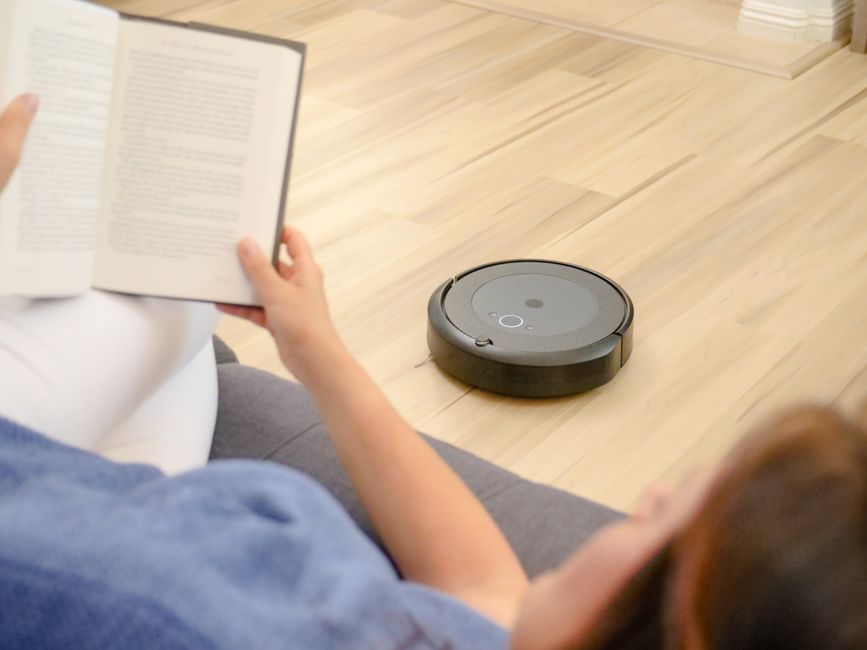
Beyond the initial purchase price, ongoing costs include replacement bags or filters for the base station. These typically cost $15-$40 per pack and last 2-4 months depending on home size and pet ownership. Some models use washable filters, eliminating this recurring expense entirely.
Price Comparison: Standard vs. Self Emptying
- Budget standard robot vacuum: $200-$400.
- Budget self emptying model: $600-$900 (premium: $300-$500).
- Mid-range standard vacuum: $400-$700.
- Mid-range self emptying vacuum: $900-$1,300 (premium: $500-$600).
- Premium self emptying with mopping: $1,500-$2,500.
Key Takeaway: Expect to pay $400-$600 more for self emptying capability on mid-range models, with additional annual costs of $30-$80 for replacement bags.
What Are the Real Benefits of Self Emptying Robot Vacuums?
The primary benefit is convenience and time savings. You no longer need to empty the dustbin every few days. For busy professionals, families with multiple children, or people with mobility issues, this is genuinely valuable. The frequency drops from 2-7 times weekly to once monthly, saving 10-15 minutes per week.
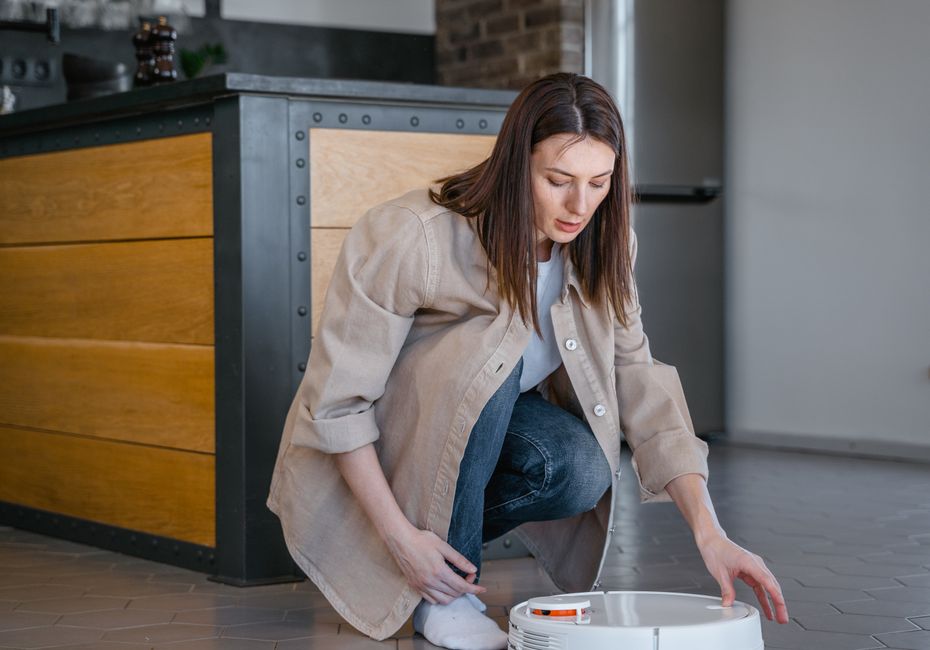
Self emptying models also reduce allergen exposure significantly. The sealed transfer process keeps dust and pet dander contained, preventing it from becoming airborne during manual emptying. This matters tremendously for people with asthma, allergies, or respiratory sensitivities. The compressed dirt stays locked in the base until disposal day.
Health, Hygiene, and Lifestyle Benefits
- Eliminates 80-90% of weekly dustbin emptying tasks.
- Reduces allergen exposure during manual emptying.
- Sealed storage prevents odors and bacteria spread.
- Ideal for pet owners dealing with heavy shedding.
- Enables extended vacation cleaning without intervention.
- App notifications remind you when base needs emptying.
For households with multiple pets, self emptying becomes even more valuable. Pet hair accumulates quickly, and frequent manual emptying becomes tedious. The self emptying base handles this automatically, maintaining consistent cleaning performance throughout the week.
Key Takeaway: Self emptying saves time, reduces allergen exposure, and provides genuine convenience for busy households and pet owners.
What Are the Drawbacks and Limitations?
The main drawback is the significant upfront cost. For small apartments or light cleaning needs, the $400-$600 premium may never justify itself. You’ll spend more money than you would save in time. The base station also requires dedicated floor space near an outlet, which isn’t ideal for tiny homes or apartments with limited room.
Noise can be another issue. While quieter than older models, the self emptying suction motor still produces 75-85 decibels during the transfer process. This is louder than the robot itself and may disturb light sleepers if scheduled for early morning or late evening cleaning. Some users report the noise is startling if they’re not expecting it.
Common Complaints and Limitations
- High initial cost not justified for small homes.
- Base station requires 2-3 square feet of floor space.
- Suction motor noise reaches 75-85 decibels.
- Replacement bags add $30-$80 annually.
- Base requires access to power outlet.
- Some models have unreliable docking mechanisms.
Another limitation is that not all debris transfers successfully. Hair tangles, wet debris, and lightweight items sometimes remain in the robot’s dustbin. You may still need to manually empty it occasionally, especially after wet mopping or heavy pet hair cleanup sessions.
Key Takeaway: High upfront costs, space requirements, and occasional manual emptying still needed make self emptying impractical for small homes.
Who Should Actually Buy a Self Emptying Robot Vacuum?
Self emptying makes sense for large homes over 2,000 square feet where the robot runs daily. It’s also ideal for households with multiple pets that shed heavily. People with allergies or asthma benefit significantly from reduced allergen exposure. Busy professionals who travel frequently appreciate the extended runtime without maintenance. Elderly individuals or those with mobility limitations find the convenience genuinely life-changing.
If you have a small apartment under 1,000 square feet, live alone, and don’t have pets, a standard robot vacuum is likely the better choice. The time savings and convenience won’t justify the extra expense. Similarly, if you already have a weekly cleaning routine and don’t mind manual dustbin emptying, the premium cost is wasted money.
Ideal Candidates for Self Emptying Investment
- Homes larger than 2,000 square feet.
- Households with 2+ pets that shed.
- People with allergies or respiratory sensitivities.
- Busy professionals working 50+ hours weekly.
- Elderly or mobility-limited individuals.
- Frequent travelers wanting extended autonomy.
Key Takeaway: Self emptying is worth buying if you have a large home, pets, allergies, or a busy lifestyle that demands convenience.
How to Decide: Cost-Benefit Analysis Framework
Calculate your personal value by multiplying weekly time saved by your hourly rate. If you save 15 minutes weekly and value your time at $30 per hour, that’s $7.80 per week or roughly $400 annually. Over three years, that equals $1,200 in saved time. If the self emptying premium is $500, the investment breaks even in 15 months. For higher hourly rates or larger homes, the payoff is even faster.
Consider health factors beyond pure time savings. If you have allergies, respiratory issues, or live with someone who does, the allergen reduction alone may justify the cost. The peace of mind and improved indoor air quality have real value that doesn’t appear in time calculations.
Questions to Ask Before Buying
- Is your home larger than 1,500 square feet?
- Do you have pets that shed regularly?
- Do you have allergies or respiratory sensitivities?
- Can you afford the $400-$600 premium comfortably?
- Do you have dedicated floor space for the base station?
- Will you use the robot at least 3-4 times weekly?
Key Takeaway: Use a time-value calculation and health considerations to determine if self emptying’s cost truly aligns with your household’s needs.
Comparing Self Emptying to Related Smart Home Solutions
Self emptying robot vacuums work best as part of a broader smart home cleaning strategy. Many users pair them with robot vacuum mop combos for complete floor cleaning automation. Understanding how often you need to empty the base helps with scheduling. For pet owners, it’s worth checking whether your chosen model actually picks up pet hair effectively.
If you’re considering a self emptying model, also research how often you’ll need to empty the base for your specific home size. This helps estimate ongoing maintenance costs and effort. For those interested in mopping capabilities, understanding water usage patterns matters for homes with hardwood floors.
Key Takeaway: Self emptying robot vacuums integrate well with other smart home cleaning devices for maximum automation.
Practical Tips for Maximizing Self Emptying Value
If you decide to buy a self emptying model, maximize your investment with these strategies. Schedule cleaning cycles during hours when you’re away from home to minimize noise disruption. Most models allow app-based scheduling, so set the robot to run while you’re at work or sleeping. This ensures the house is clean without you hearing the self emptying suction motor.
Clean the dock sensors and charging contacts monthly to ensure reliable docking. Debris buildup can prevent proper connection and trigger self emptying failures. Check the transfer tube monthly for hair tangles that block airflow. These simple maintenance steps take 5-10 minutes and prevent costly service calls.
Optimization Strategies for Self Emptying Ownership
- Schedule cleaning cycles during work or sleep hours.
- Clean dock sensors and contacts monthly.
- Check transfer tubes for hair blockages weekly.
- Use app notifications to track maintenance schedules.
- Stock replacement bags before running low.
- Place dock in low-traffic areas away from bedrooms.
- Run cleaning cycles 4-5 times weekly for optimal results.
Keep the robot’s bumper sensors clean to ensure accurate docking. Dust and debris interfere with alignment, causing the robot to miss the dock. This triggers manual emptying and defeats the self emptying advantage. A quick monthly wipe prevents this frustration.
Key Takeaway: Simple monthly maintenance and smart scheduling maximize the convenience and reliability of self emptying robot vacuums.
What’s Changed in the Self Emptying Market Since 2024?
Prices have dropped 10-15% as more manufacturers entered the market in 2025 and 2026. Newer models feature improved navigation using lidar and AI mapping, resulting in better cleaning coverage. Battery life has increased to 120-180 minutes per charge, allowing larger homes to be cleaned in single cycles. Suction power has improved significantly, with top models now reaching 8,000-12,000 Pa.
The most notable improvement is base station design. Modern bases are quieter, more compact, and feature better compression technology. Some 2026 models include integrated water tanks for mopping, eliminating the need for separate mop pads. Reliability has also improved, with fewer docking failures reported than previous generations.
Recent Market Innovations in 2026
- Prices down 10-15% compared to 2024 models.
- Suction power increased to 8,000-12,000 Pa.
- Battery life extended to 120-180 minutes.
- Quieter base stations with improved compression.
- AI navigation and obstacle avoidance improved.
- Integrated mopping and water refilling systems.
Key Takeaway: The 2026 self emptying market offers better technology, lower prices, and more reliable performance than previous years.
Frequently Asked Questions
How often do you need to empty a self emptying robot vacuum base?
Most self emptying bases need emptying every 30-60 days, depending on home size and pet ownership. Homes with multiple pets may need monthly emptying, while small homes might go 60-90 days. Check the manufacturer’s recommendations for your specific model. Compressed dirt can smell if left too long, so monthly emptying is generally ideal.
Are self emptying robot vacuums loud?
The self emptying suction motor produces 75-85 decibels, louder than the robot itself during normal cleaning. For comparison, a vacuum cleaner is about 70 decibels. Most users find it acceptable, especially if scheduled during work hours. Newer 2026 models are quieter than previous generations, with some reaching 70-75 decibels.
Do self emptying robot vacuums really save time?
Yes, they save approximately 10-15 minutes per week by eliminating frequent dustbin emptying. Instead of emptying every 2-7 days, you empty the base monthly. For busy households and pet owners, this convenience is genuinely valuable. The time savings compound to 8-13 hours annually.
Can self emptying models fail to transfer all debris?
Yes, occasionally debris remains in the robot’s dustbin, especially wet debris, hair tangles, or lightweight items. You may need to manually empty it 2-4 times yearly. This is normal and doesn’t indicate a defect. Regular maintenance of transfer tubes prevents most transfer failures.
What’s the lifespan of a self emptying robot vacuum?
Most quality models last 4-6 years with proper maintenance. Brushes and batteries degrade over time and may need replacement after 2-3 years. Base stations are more durable and often outlast the robot itself. Warranty coverage typically includes 1-2 years of manufacturer protection.
Is self emptying worth it for small apartments?
No, self emptying rarely justifies the cost for homes under 1,000 square feet. A standard robot vacuum is sufficient and more affordable. The convenience benefits don’t offset the $400-$600 premium for infrequent cleaning needs. Small apartment owners should prioritize suction power and navigation over self emptying.
Final Verdict: Is Self Emptying Worth the Premium in 2026?
Self emptying robot vacuums are worth the extra cost if you have a large home, multiple pets, allergies, or a busy lifestyle. The genuine convenience of not emptying dustbins for 30-60 days is valuable for the right households. The technology has matured significantly, with improved reliability and lower prices than previous years. Health benefits from reduced allergen exposure add real value beyond time savings.
However, self emptying is not worth the premium for small apartments, light cleaning needs, or budget-conscious buyers. A standard robot vacuum performs the same cleaning function at a lower cost. Your decision ultimately depends on home size, lifestyle, health factors, and whether the $400-$600 premium aligns with your personal priorities.
In August 2026, the market offers excellent self emptying options at competitive prices. If you’ve decided it’s right for your home, the technology is mature enough to deliver genuine value. If you’re still uncertain, test a standard robot vacuum first to understand your cleaning needs before investing in the premium self emptying option.
Key Takeaway: Self emptying robot vacuums are worth buying for large homes with pets or allergies, but unnecessary for small apartments and light cleaning needs.
Write Your Review
No reviews yet. Be the first to share your experience!