
Which Energy Monitor Should You Choose: Eyedro, Emporia Vue, or Sense in 2026?
Choosing between Eyedro, Emporia Vue, and Sense energy monitors depends on your budget, technical expertise, and monitoring needs. Emporia Vue offers the best value with affordable pricing and solid app functionality, making it ideal for budget-conscious homeowners. Sense provides the most advanced AI-powered insights and appliance detection but costs significantly more. Eyedro delivers reliable, straightforward monitoring with excellent customer support, perfect for those prioritizing dependability over feature complexity. All three provide real-time energy tracking, though they differ in granularity, app design, and integration capabilities. The right choice aligns with your home’s electrical setup, smartphone preference (iOS/Android), and whether you want automatic appliance detection or manual circuit monitoring. In April 2026, each platform has refined its offerings—Emporia Vue emphasizes affordability and ease of installation, Sense focuses on predictive energy analytics, and Eyedro maintains its reputation for accuracy and reliability across residential and small commercial applications.
What Are the Key Differences Between These Three Energy Monitors?
These three energy monitoring systems differ fundamentally in their approach to home energy management. Installation complexity, pricing structure, and data granularity are the primary differentiators. Emporia Vue and Eyedro both require direct connection to your electrical panel, while Sense also monitors at the main service entrance but uses AI algorithms to disaggregate individual appliance usage without per-circuit monitoring. Emporia Vue stands out for its modular design—you can add individual circuit monitoring breakers incrementally, scaling your investment. Sense requires a complete installation but offers sophisticated machine learning that identifies appliances automatically over time. Eyedro provides straightforward, no-frills monitoring with consistent accuracy and strong technical support. Pricing in 2026 reflects these differences: Emporia Vue starts around $99–$199 for basic models, Sense typically ranges from $299–$349, and Eyedro varies by model type, from $200 for residential units to higher costs for commercial-grade systems. Each platform’s app interface reflects different philosophies—Emporia prioritizes simplicity, Sense emphasizes predictive insights, and Eyedro focuses on detailed technical data presentation.
Installation and Setup Requirements
Installation requirements significantly impact your choice. Emporia Vue’s modular breaker approach means you can install it yourself or hire an electrician, with flexibility to add monitoring breakers gradually. Most homeowners complete basic installation in 1–2 hours. Sense requires professional installation for safety reasons, as it connects directly to your main service entrance—expect $200–$400 in installation costs. Eyedro similarly requires main panel connection and professional installation, though some models offer simplified setups for technical users. All three require a stable Wi-Fi connection and smartphone app access. Emporia Vue’s incremental approach appeals to DIY-oriented users, while Sense and Eyedro’s comprehensive setups suit those wanting complete monitoring from day one.
App Features and User Interface
The app experience differs substantially. Emporia Vue provides a clean, intuitive interface showing real-time consumption by circuit, with trend analysis and goal-setting features. The app loads quickly and rarely requires troubleshooting. Sense’s app is more sophisticated, displaying whole-home consumption plus AI-identified appliances with detailed usage patterns and cost breakdowns. Sense’s machine learning improves over months, eventually identifying 80–90% of appliances accurately. Eyedro’s app offers technical depth—detailed graphs, export capabilities, and historical data analysis—appealing to data-focused users but potentially overwhelming casual users. Emporia Vue’s iOS and Android apps are equally polished, while Sense and Eyedro prioritize Android, with iOS support that’s functional but less refined.
How Do Accuracy and Appliance Detection Compare Across These Monitors?
Accuracy and appliance detection capabilities define the practical value of each system. Emporia Vue provides circuit-level accuracy within 1–2% of actual consumption, but requires you to manually label what’s connected to each breaker. Sense uses AI-powered disaggregation to identify individual appliances without per-circuit installation, achieving 70–90% accuracy after a learning period of 1–3 months. This machine learning approach means Sense improves continuously and identifies phantom loads and inefficiencies automatically. Eyedro delivers the highest raw accuracy—typically within 0.5% of utility meter readings—making it ideal for those needing precise consumption data for billing verification or technical audits. However, Eyedro doesn’t automatically identify appliances; you must manually assign circuits. For homeowners wanting automatic appliance detection without extra hardware, Sense excels. For those prioritizing accuracy and willing to manually organize circuits, Emporia Vue and Eyedro both deliver. Sense’s AI occasionally misidentifies appliances, requiring manual correction, but this improves with feedback. If you have complex electrical systems or need commercial-grade precision, Eyedro’s accuracy advantage becomes significant.

Real-Time Monitoring Capabilities
All three provide real-time monitoring, but with different update frequencies. Emporia Vue updates every 1–2 seconds, showing instantaneous consumption spikes when appliances turn on. Sense updates every 10 seconds on average, sufficient for most users but occasionally missing brief consumption peaks. Eyedro updates every 1 second, providing the most granular real-time data—useful for identifying which exact moment appliances activate. For typical users adjusting thermostat settings or checking if they left lights on, Emporia Vue and Sense’s update rates suffice. For technical users analyzing power quality or identifying motor startup surges, Eyedro’s faster updates matter. Real-time alerts are available on all three platforms, notifying you of high consumption or specific circuit overages, though Sense’s alerts are more intelligent, learning your typical patterns and flagging unusual activity.
Historical Data and Trend Analysis
Long-term trend analysis varies significantly. Emporia Vue stores 30 days of detailed data with cloud backup, allowing you to compare week-to-week and month-to-month patterns. Sense retains 12 months of historical data and provides sophisticated trend visualization, showing seasonal patterns and year-over-year comparisons. Eyedro offers extensive data export capabilities, storing years of consumption history, making it ideal for long-term research or identifying patterns across multiple years. If you want to track seasonal heating/cooling costs or verify energy-saving improvements, Sense’s 12-month retention and analysis tools excel. For technical analysis requiring raw data export, Eyedro’s capabilities are unmatched. Emporia Vue’s 30-day window suits most homeowners tracking weekly patterns.
What Integration Options and Smart Home Compatibility Do These Offer?
Integration with smart home ecosystems influences long-term utility. Emporia Vue integrates with Home Assistant, SmartThings, and Google Home, enabling automation based on energy consumption. You can create routines that adjust thermostats or disable devices when consumption exceeds thresholds. Sense integrates with IFTTT, Google Home, and Alexa, offering voice control and basic automation, though integration depth is less extensive than Emporia Vue’s. Eyedro provides API access for developers and integrates with some home automation platforms, but requires more technical setup. For seamless smart home integration in 2026, Emporia Vue leads with native support across major ecosystems. Sense’s integration is functional but more limited. Eyedro suits advanced users comfortable with API configuration. If you’re building a comprehensive smart home, Emporia Vue’s integration ecosystem is most practical.
How Do You Choose the Right Energy Monitor for Your Home?
Selecting the best energy monitor requires evaluating five critical factors: your electrical panel type, budget, technical comfort level, desired features, and long-term goals. Start by assessing your panel compatibility—Emporia Vue works with standard US breaker panels (200-amp services), Sense accommodates most residential panels, and Eyedro supports both residential and commercial panels. Next, define your budget: if you’re under $250, Emporia Vue is optimal; $300+ allows Sense’s advanced AI features; Eyedro suits those prioritizing accuracy regardless of cost. Consider your technical comfort—Emporia Vue’s modular approach suits DIYers, while Sense and Eyedro’s professional installation requirements suit those preferring expert setup. Determine what you’ll actually use: if you want automatic appliance detection and predictive insights, Sense justifies its premium pricing. If you want affordable, straightforward circuit monitoring, Emporia Vue excels. If you need precision metering for verification or technical analysis, Eyedro’s accuracy advantage is worth the investment. Finally, evaluate your smart home ecosystem—Emporia Vue integrates most seamlessly with Home Assistant and SmartThings, while Sense works best with Google and Amazon devices. For most homeowners in 2026, Emporia Vue offers the best balance of affordability, ease of use, and functionality. For those with larger budgets and desire for AI-powered insights, Sense justifies the premium cost.
Assessing Your Electrical Panel and Home Setup
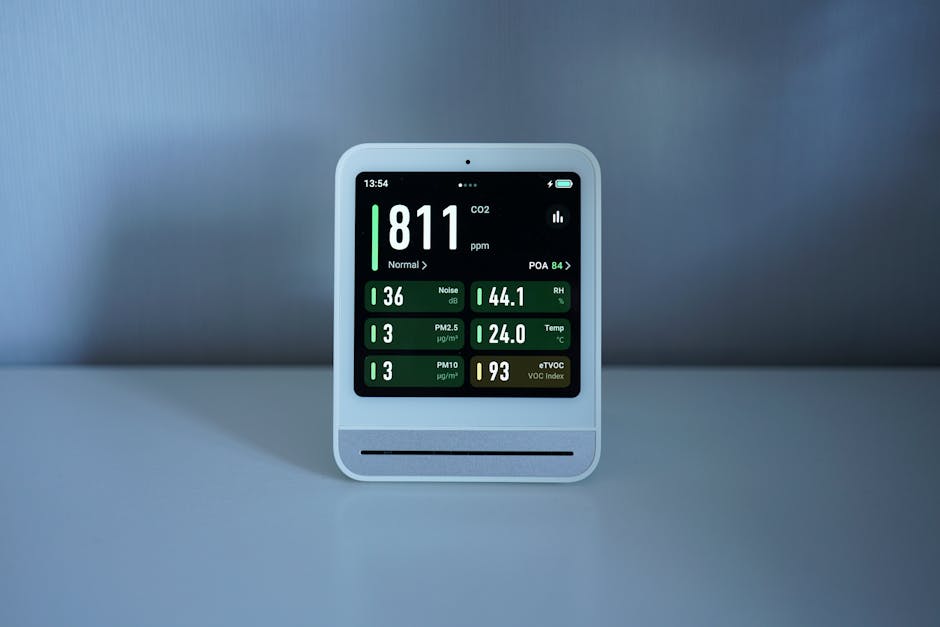
Before purchasing, verify your panel compatibility. Emporia Vue requires a modern breaker panel with space for additional monitoring breakers—check that your panel has 2–4 empty breaker slots. Sense connects to your main service entrance via a clip-on sensor, requiring no breaker modifications, making it compatible with virtually any residential panel. Eyedro similarly clips onto main service connections. If your panel is outdated, cramped, or has no empty slots, Sense becomes the practical choice. If you have a modern, well-organized panel with room for expansion, Emporia Vue’s modular approach maximizes value. Measure your panel’s amperage (typically 100–200 amps for homes)—all three monitor up to 200 amps adequately. If you have a subpanel for a garage, pool, or addition, consider whether you want to monitor those separately; Emporia Vue’s modularity excels here, while Sense and Eyedro typically monitor only main service.
Budget Considerations and Long-Term Costs
Initial purchase price is only part of the cost equation. Emporia Vue’s base model ($99–$199) can expand to $400+ as you add monitoring breakers, making it scalable within your budget. Sense’s $299–$349 base cost includes everything, with no additional hardware purchases needed. Eyedro’s pricing varies by model ($200–$500+), with commercial-grade units costing substantially more. Consider installation: Emporia Vue’s DIY approach saves $200–$400; Sense and Eyedro typically require professional installation ($200–$400). Subscription costs are minimal across all three—most offer free cloud storage with optional premium tiers ($5–$10/month). Over five years, Emporia Vue’s total cost ranges $500–$1,000, Sense’s $1,200–$1,500, and Eyedro’s $800–$1,500 depending on model. If budget is primary, Emporia Vue offers the lowest total cost of ownership. If you want everything included upfront, Sense’s all-in pricing may be preferable despite higher initial cost.
Determining Your Primary Use Case
Your intended use case should drive your decision. If you want to identify energy vampires and reduce consumption, Sense’s AI appliance detection excels—it automatically flags inefficient devices and suggests optimization strategies. If you’re interested in tracking specific circuits (hot water heater, HVAC, kitchen), Emporia Vue’s circuit-by-circuit approach is ideal. If you need precise consumption data for billing verification, cost allocation between family members, or technical analysis, Eyedro’s accuracy and data export capabilities are essential. For those simply wanting to understand their overall consumption patterns, all three suffice, making Emporia Vue’s affordability the logical choice. If you’re installing solar panels or a battery system, integration capabilities matter—Emporia Vue’s Home Assistant integration enables sophisticated automation with energy storage systems. For rental properties or multi-unit buildings, Eyedro’s commercial-grade options and accuracy advantage justify the premium cost.
What Are Common Mistakes to Avoid When Choosing an Energy Monitor?
Several common mistakes lead to buyer’s remorse with energy monitors. The first mistake is overestimating your need for appliance detection—many users purchase Sense expecting automatic identification of all appliances, then become frustrated when it takes months to learn or requires manual correction. If appliance detection is nice-to-have rather than essential, Emporia Vue’s manual approach is perfectly adequate and costs less. The second mistake is assuming all energy monitors are equally accurate—Eyedro’s precision advantage matters only if you actually need that level of accuracy. The third mistake is ignoring integration requirements—purchasing Sense when you’re a Home Assistant user means missing out on Emporia Vue’s superior automation capabilities. Fourth, many users underestimate installation complexity, purchasing Sense or Eyedro expecting DIY setup, then discovering professional installation is necessary and costly. Fifth, some buyers choose based on initial cost alone, ignoring that Emporia Vue’s modularity means you might spend more eventually than Sense’s all-in pricing. Sixth, users sometimes overlook app interface preferences—downloading and testing each app before purchasing prevents frustration with clunky interfaces or missing features you’ll use daily. Finally, avoid purchasing without confirming your panel compatibility; a monitor that doesn’t fit your electrical setup is worthless regardless of features.
How Do You Maximize the Value of Your Energy Monitor?
Once installed, most users capture only 20% of their monitor’s potential value. To maximize benefit, establish a baseline of your current consumption, then set realistic reduction goals—typically 10–20% savings are achievable through behavioral changes and equipment upgrades. With Emporia Vue, label every circuit clearly and identify your top energy consumers; most homes find HVAC, hot water heating, and major appliances account for 60–70% of consumption. Create alerts for when specific circuits exceed normal thresholds, catching equipment failures before they waste significant energy. With Sense, allow the AI learning period to complete (2–3 months) before making decisions based on appliance identification. Once learned, review the appliance breakdown monthly and investigate any unexpectedly high consumption. Use Sense’s cost breakdowns to prioritize which appliances to upgrade or replace. With Eyedro, export monthly data and track trends over seasons—this reveals whether your heating/cooling efficiency is degrading and when equipment maintenance is needed. Across all platforms, share consumption data with household members; studies show that awareness alone reduces energy use 5–15%. Set consumption reduction challenges, celebrating when you hit targets. Use the data to justify investment in efficiency upgrades—if your monitor shows your water heater uses 20% of your energy, upgrading to a heat pump water heater has clear ROI. Finally, revisit your data quarterly; what worked last season may not work this season as weather and usage patterns change.
Setting Up Effective Alerts and Automations
Alerts and automations transform passive monitoring into active energy management. With Emporia Vue, set circuit-level alerts for unusual activity—if your garage circuit normally draws 0.5 kW but suddenly spikes to 3 kW, you’ve likely left a heater or tool running. Set whole-home alerts for peak usage times (typically 4–9 PM), notifying you when consumption exceeds your typical evening pattern by 20%—this catches forgotten appliances or equipment failures. Create automations that reduce non-essential loads during peak hours; if you have Home Assistant integrated, you can automatically adjust water heater thermostats or delay pool pump operation. With Sense, enable its anomaly detection, which learns your patterns and alerts you to unusual consumption automatically. Set appliance-specific alerts—if your refrigerator suddenly draws 50% more power than normal, it may need maintenance. Use Sense’s integration with Google Home to receive voice alerts, making notifications harder to ignore. With Eyedro, create custom alerts based on historical data—if your average daily consumption is 30 kWh, alert when you exceed 40 kWh, indicating unusual activity. Export weekly data to identify patterns; if Mondays are always high-consumption days, investigate whether specific equipment operates differently. Automations across all platforms should focus on behavioral change—alerts that interrupt your routine are most effective, while background alerts often go unnoticed.
Interpreting Data and Making Upgrades
Raw energy data only creates value when interpreted correctly. Start by calculating your cost per kilowatt-hour (find this on your utility bill), then multiply your monitor’s consumption data by this rate to see actual dollar costs. Identify your top five energy consumers—typically HVAC, water heating, refrigeration, lighting, and pool/spa equipment. Calculate the annual cost of each; if your water heater costs $1,200 annually, upgrading to a heat pump model saving 50% provides $600 annual savings—justifying a $2,000 upgrade with 3-year payback. Review consumption by time of day; if peak evening usage is 30% higher than midday, your HVAC system may be oversized or your thermostat settings inefficient. Seasonal analysis reveals whether your heating/cooling efficiency is degrading; if your winter consumption increases 15% year-over-year with similar weather, your furnace may need maintenance. Before making major purchases, use your monitor to verify the upgrade’s impact—some energy-efficient appliances underperform in real-world conditions. After upgrades, your monitor provides proof of savings, justifying the investment to skeptical household members. Track ROI on efficiency investments; if you spent $3,000 on insulation, weatherization, and equipment upgrades, your monitor should show measurable consumption reduction within 1–2 months, validating the spending.
Frequently Asked Questions
Which energy monitor has the lowest installation cost?
Emporia Vue typically has the lowest installation cost because most units can be installed by DIYers, saving $200–$400 in professional installation fees. Sense and Eyedro usually require professional installation for safety reasons, adding $200–$400 to the total cost. However, if you prefer professional installation for all three, Sense’s simpler connection process may cost slightly less than Eyedro’s.
Can I install multiple energy monitors in one home?
Yes, many homeowners install multiple monitors for different purposes. For example, you might use Emporia Vue for main panel monitoring and Sense for a subpanel or specific circuits. However, this increases costs significantly. Most homes benefit more from one comprehensive monitor than multiple partial systems. Coordinate installations carefully to avoid conflicting Wi-Fi signals or data confusion.
How long does it take to see energy savings from an energy monitor?
Behavioral changes typically produce 5–15% savings within the first month as users become aware of consumption patterns. Equipment upgrades (water heater, HVAC) take 1–3 months to show full impact. AI-powered insights from Sense require 2–3 months of learning before optimization recommendations are reliable. Most users see measurable savings within 30 days of conscious effort.
Do energy monitors work with solar panels or battery systems?
Yes, all three monitors can track consumption from grid and solar sources, though integration varies. Emporia Vue integrates most seamlessly with solar systems via Home Assistant, enabling sophisticated load management. Sense shows consumption and can estimate solar production if you add solar monitoring separately. Eyedro provides detailed data for solar analysis but requires manual integration configuration.
Which monitor is best for renters?
Sense is the best choice for renters because it requires no modifications to the electrical panel—it clips onto the main service entrance non-invasively. Emporia Vue and Eyedro require breaker panel access, which landlords typically prohibit. After moving, Sense’s hardware is easily transferred to your next residence, making it the renter-friendly option.
How accurate are energy monitor estimates compared to utility bills?
Eyedro’s accuracy typically matches utility meters within 1%, making it ideal for verification. Emporia Vue and Sense are usually within 2–3%, sufficient for most purposes but potentially showing discrepancies on utility bills due to time zone differences and meter calibration variations. Your utility meter measures differently than real-time monitors, so minor discrepancies are normal.
Is Choosing Between These Three Energy Monitors Worth the Effort in 2026?
Yes, selecting the right energy monitor is worth careful consideration because the wrong choice leads to frustration, wasted money, or underutilized features. In April 2026, energy monitoring has become mainstream, with all three platforms offering solid reliability and useful features—the decision hinges on matching your specific needs, budget, and home setup. For most homeowners prioritizing affordability and ease of use, Emporia Vue remains the best choice, offering excellent value with straightforward circuit monitoring and strong smart home integration. For those with larger budgets and desire for AI-powered appliance detection and predictive insights, Sense’s premium pricing is justified by its machine learning capabilities and sophisticated analytics. For technical users, cost-conscious businesses, or those requiring precision metering, Eyedro’s accuracy and data export capabilities are unmatched. The effort to compare these three—evaluating your panel compatibility, testing apps, and considering your use case—takes 2–3 hours but prevents regret and ensures you select a monitor you’ll actually use and benefit from. In 2026, energy awareness is increasingly important for both environmental and financial reasons; choosing the right monitoring tool aligns with that priority. Take time to read detailed reviews, test apps, and verify compatibility before purchasing. The monitor you select should serve your home for 5–10 years, making the upfront decision-making effort valuable. Finally, remember that no monitor creates value without user engagement—whichever you choose, commit to reviewing data regularly and acting on insights. The best energy monitor is the one you’ll actually use, so prioritize ease of use and features that match your lifestyle over impressive specs you won’t utilize.







Write Your Review
No reviews yet. Be the first to share your experience!