

What Is the Difference Between Smart Electrical Panels and Traditional Breaker Boxes in 2026?
Smart electrical panels represent a significant upgrade from traditional breaker boxes by offering real-time energy monitoring, remote circuit control, and advanced safety features. The primary distinction is that smart panels integrate digital technology to track electricity consumption at the circuit level, while traditional breaker boxes simply distribute power and protect against overloads. In May 2026, smart electrical panels have become increasingly affordable and accessible, with many homeowners recognizing their value for energy management and home automation. A smart panel allows you to monitor which appliances consume the most electricity, identify energy waste, and reduce your utility bills by up to 15 percent. Traditional breaker boxes, which have been the standard since the 1960s, lack this intelligence and cannot provide actionable insights into your energy usage. The installation of a smart panel requires a licensed electrician and typically costs between $3,000 and $6,000, compared to $1,500 to $3,000 for a traditional breaker box replacement. However, the long-term savings and enhanced control justify the investment for many homeowners seeking to modernize their electrical infrastructure.
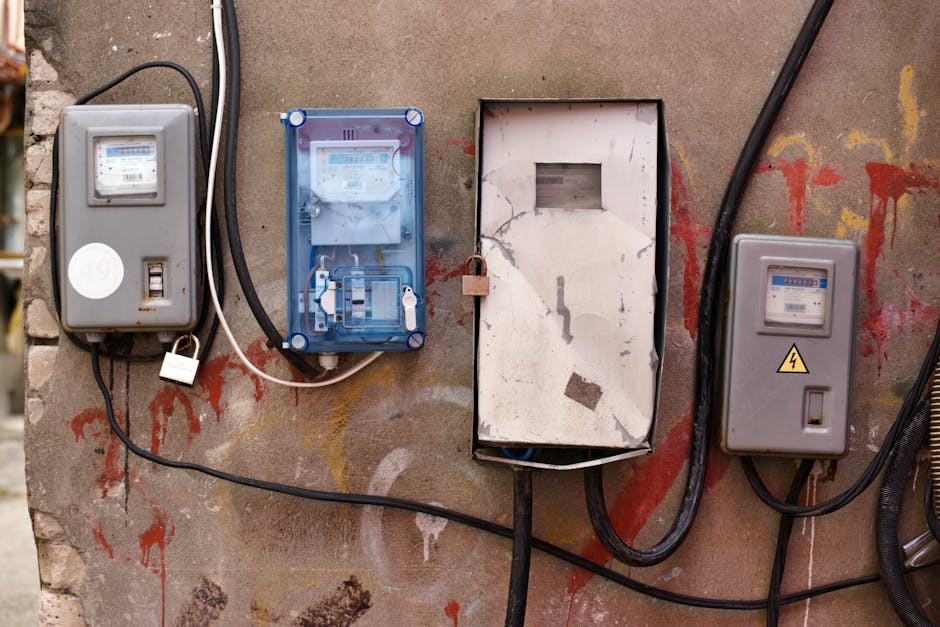
Beyond energy monitoring, smart panels offer circuit-level control that allows you to turn off individual circuits remotely through a smartphone app. This capability proves invaluable for vacation homes, rental properties, or emergency situations where you need to isolate specific circuits without being physically present. Traditional breaker boxes require manual intervention—you must physically access the panel to switch circuits on or off. Smart panels also integrate seamlessly with home automation systems, enabling automated responses to energy thresholds, time-of-use pricing, and demand response programs offered by many utilities in 2026. Some advanced models include arc fault detection and ground fault protection that exceeds the safety standards of older breaker boxes. Additionally, smart panels provide historical data and predictive analytics to help you understand consumption patterns and plan for future energy needs.
How Do Smart Electrical Panels Improve Home Energy Management?
Smart electrical panels fundamentally transform how homeowners understand and control their electricity consumption. Unlike traditional breaker boxes that operate passively, smart panels actively monitor and report energy data in real time. Each circuit in a smart panel has its own monitoring capability, allowing you to see exactly which appliances and systems are drawing power at any given moment. This granular visibility enables you to identify energy vampires—devices that consume excessive electricity even when not actively in use—and take corrective action. For example, you might discover that your water heater or HVAC system is operating inefficiently and schedule maintenance before it causes significant energy waste.
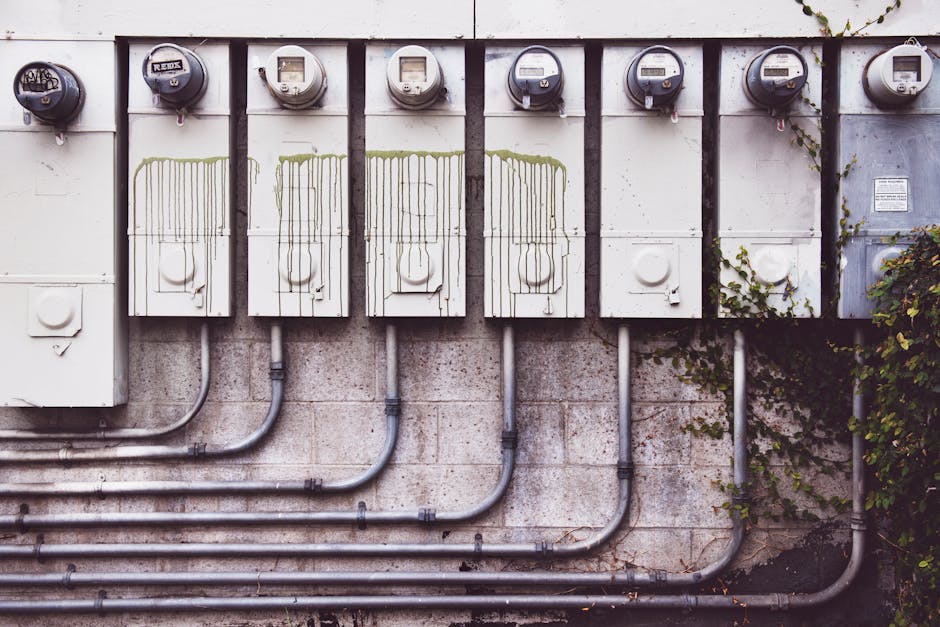
The integration of smart panels with home energy management systems creates opportunities for automated optimization. When paired with energy monitoring devices like Eyedro, Emporia Vue, or Sense Monitor, smart panels provide comprehensive visibility across your entire electrical system. You can set consumption thresholds that trigger automatic actions—such as reducing HVAC usage during peak pricing hours or shifting heavy loads to off-peak times when electricity rates are lower. Many utility companies in 2026 offer demand response programs that reward customers for reducing consumption during peak hours, and smart panels make participation effortless and automatic. This capability can reduce your monthly electricity bill by 10 to 20 percent, depending on your local utility rates and consumption patterns. Smart panels also help you plan for future upgrades, such as electric vehicle charging stations or solar panel installations, by providing detailed data about your current electrical capacity and usage trends.
Real-Time Circuit Monitoring and Alerts
One of the most valuable features of smart electrical panels is real-time circuit monitoring with instant alerts. If a circuit experiences an unusual surge or begins drawing excessive power, you receive an immediate notification on your smartphone. This early warning system can prevent electrical fires, protect sensitive electronics, and alert you to appliance failures before they cause damage. Traditional breaker boxes offer no such protection—a circuit breaker trips only after an overload occurs, which may already be too late to prevent damage or safety hazards.
Integration with Home Automation and Renewable Energy
Smart panels serve as the central hub for home automation and renewable energy systems. If you have solar panels installed, a smart electrical panel optimizes the distribution of solar-generated electricity, storing excess power in battery systems or feeding it back to the grid. This integration maximizes your return on investment in renewable energy and accelerates your path to energy independence. Smart panels also coordinate with smart thermostats, smart lighting systems, and other connected devices to create a cohesive energy management ecosystem that operates with minimal user intervention.
What Are the Main Advantages of Upgrading to a Smart Electrical Panel?
The advantages of upgrading to a smart electrical panel extend far beyond simple energy monitoring. The most compelling benefit is the dramatic improvement in visibility and control over your home’s electrical system. Traditional breaker boxes offer zero insight into how much electricity you’re consuming or which circuits are drawing the most power. Smart panels eliminate this information gap and empower you to make data-driven decisions about energy consumption. For homeowners committed to reducing their carbon footprint, this visibility is essential for identifying opportunities to adopt more sustainable practices.
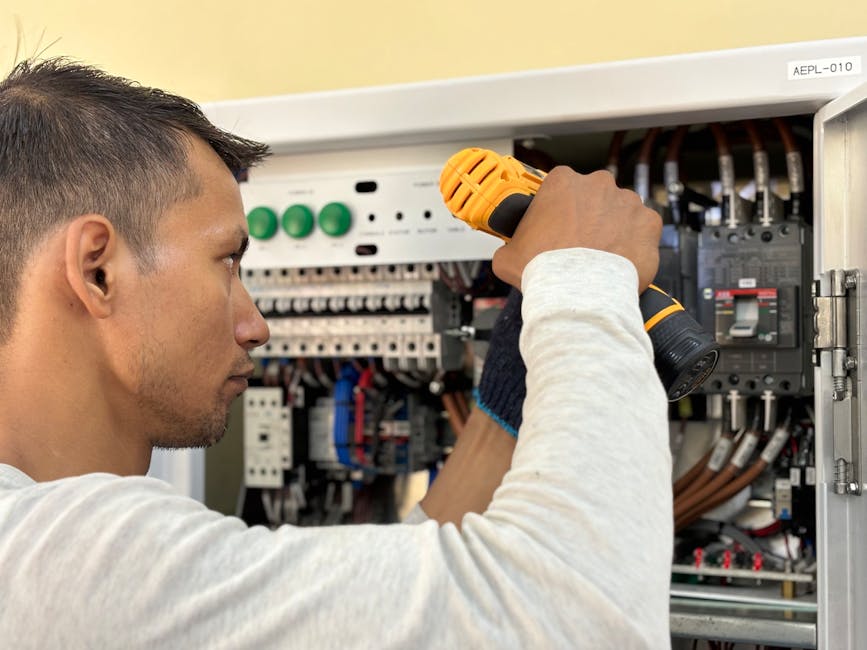
Safety represents another critical advantage. Smart electrical panels incorporate advanced protection mechanisms that traditional breaker boxes lack. Arc fault circuit interrupters (AFCIs) and ground fault circuit interrupters (GFCIs) are standard in modern smart panels, detecting dangerous electrical conditions and disconnecting power before a fire or electrocution can occur. Many smart panels also include surge protection, which safeguards your expensive appliances and electronics from voltage spikes caused by lightning strikes or utility grid fluctuations. These safety features alone justify the upgrade for families with children or elderly members who may be more vulnerable to electrical hazards.
Remote access and control capabilities provide convenience and peace of mind. Whether you’re at work, on vacation, or away from home, you can monitor your electrical system and manage individual circuits through a smartphone app. This capability proves invaluable if you forget to turn off a circuit, need to isolate a malfunctioning appliance, or want to reduce energy consumption while away. Some smart panels even include geofencing features that automatically adjust circuits based on whether household members are home or away. Additionally, smart panels provide detailed historical data and analytics that help you understand your consumption patterns, plan for future upgrades, and budget more accurately for utility costs. The ability to export this data and share it with contractors, electricians, or solar installers also streamlines home improvement projects.
What Are the Disadvantages and Challenges of Smart Electrical Panels?
Despite their numerous advantages, smart electrical panels come with significant challenges that may not be suitable for all homeowners. The most obvious disadvantage is cost. Installing a smart electrical panel typically ranges from $3,000 to $6,000, which is double or triple the cost of replacing a traditional breaker box. This substantial upfront investment requires a long payback period—often 5 to 10 years—before energy savings offset the installation expense. Homeowners with limited budgets may find this investment difficult to justify, particularly if their current breaker box is functioning adequately.
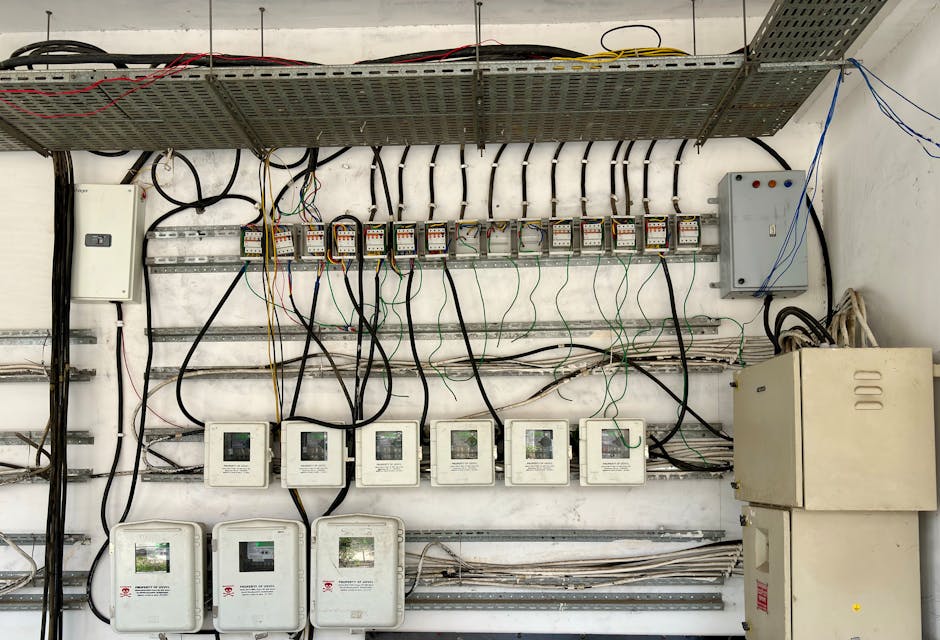
Installation complexity and requirements represent another significant barrier. Smart electrical panels must be installed by licensed electricians who have received specific training on the manufacturer’s system. The installation process is more involved than replacing a traditional breaker box and may require upgrades to your home’s electrical infrastructure. Some older homes may need additional work to accommodate a smart panel, further increasing costs. Additionally, not all smart panel manufacturers are available in all regions, which may limit your options depending on where you live.
Compatibility and integration issues can also arise. Smart panels from different manufacturers may not seamlessly integrate with certain energy monitoring devices or home automation systems. Before investing in a smart panel, you must research compatibility with devices you already own or plan to purchase. For example, if you’re considering Siemens Inhab Energy Monitor versus Emporia Vue 3, you need to ensure your chosen smart panel works effectively with these systems. Firmware updates and software compatibility can also be concerns, as manufacturers may discontinue support for older models or introduce breaking changes that affect functionality.
Cybersecurity and privacy concerns are legitimate considerations in 2026. Smart panels connect to the internet and transmit data about your electricity consumption to cloud servers. This connectivity creates potential vulnerabilities that hackers could exploit to access your home’s electrical system or steal your energy consumption data. Reputable manufacturers implement strong encryption and security protocols, but risks remain. Homeowners uncomfortable with connected devices or those who prioritize privacy may prefer the simplicity and security of traditional breaker boxes that don’t transmit data.
How Do You Choose Between a Smart Electrical Panel and a Traditional Breaker Box?
Selecting between a smart electrical panel and a traditional breaker box depends on your specific circumstances, priorities, and budget. Begin by evaluating your current electrical system and whether your breaker box needs replacement. If your breaker box is relatively new and functioning properly, upgrading to a smart panel is a discretionary improvement rather than a necessary repair. However, if your breaker box is aging, frequently tripping circuits, or showing signs of wear, replacement is inevitable—making the choice between traditional and smart panels more straightforward.
Consider your energy management goals and priorities. If you’re committed to reducing energy consumption, monitoring your carbon footprint, or planning to install solar panels or an electric vehicle charging station, a smart electrical panel is a worthwhile investment. The detailed monitoring and optimization capabilities will directly support these goals and help you achieve faster returns on renewable energy investments. If you’re primarily concerned with basic electrical safety and distribution, a traditional breaker box may be sufficient.
Evaluate your budget and timeline. Smart panels cost significantly more than traditional breaker boxes, but they offer long-term savings through reduced energy consumption. Calculate your potential savings based on your current electricity rates and consumption patterns. If you live in an area with high electricity rates or have high consumption, your payback period will be shorter. Many utilities offer rebates or incentives for installing smart panels or energy monitoring systems—research programs in your area that could offset installation costs.
Assess your comfort level with technology and connected devices. Smart panels require smartphone apps, internet connectivity, and occasional software updates. If you’re not comfortable managing these aspects or prefer simpler, more straightforward systems, a traditional breaker box may be a better fit. However, if you already use smart home devices and enjoy the convenience of remote monitoring and control, a smart panel will integrate seamlessly with your existing ecosystem.
Consult with licensed electricians in your area about available options and pricing. Smart panel availability varies by region, and some manufacturers may not service your area. Get multiple quotes and understand exactly what’s included in installation costs. Ask about warranty coverage, ongoing support, and what happens if the manufacturer discontinues the product line. Finally, research integration with energy monitoring systems you plan to use. If you’re interested in comparing Emporia Vue versus Sense for energy monitoring, ensure your chosen smart panel is compatible with your preferred monitoring device.
Financial Considerations and ROI Analysis
Conduct a thorough return on investment analysis before committing to a smart panel upgrade. Calculate your annual electricity consumption and multiply by your utility rate to determine baseline costs. Research the typical energy savings achieved by smart panel users in your region—usually 10 to 20 percent annually. Subtract this savings from your current bill to project future costs. Divide the smart panel installation cost by your annual savings to determine the payback period. If payback occurs within 7 to 10 years, the investment is generally worthwhile. Also consider tax credits, utility rebates, and incentive programs that may be available in your area.
Compatibility and Integration Planning
Before selecting a smart panel, create a comprehensive list of devices and systems you currently own or plan to install. Include energy monitoring systems, smart thermostats, smart lighting, solar panels, battery storage, and EV charging stations. Verify that your chosen smart panel is compatible with all these systems. Contact manufacturers directly to discuss integration requirements and any limitations. This planning prevents costly mistakes and ensures your smart panel will deliver maximum value.
What Are Common Mistakes When Installing or Upgrading to Smart Electrical Panels?
Many homeowners make preventable mistakes when upgrading to smart electrical panels. The most common error is failing to hire a qualified, experienced electrician. Smart panel installation is not a DIY project—it requires specialized knowledge and must comply with local electrical codes. Hiring an unqualified contractor can result in improper installation, safety hazards, and voided warranties. Always verify that your electrician is licensed, insured, and has specific experience with the smart panel brand you’re installing.
Another frequent mistake is inadequate planning for integration with other systems. Homeowners purchase smart panels without considering compatibility with their energy monitoring devices, home automation systems, or future renewable energy installations. This lack of planning results in frustration, additional costs, and suboptimal system performance. Spend time researching and planning before making any purchases.
Underestimating ongoing costs is another pitfall. While smart panels don’t typically require monthly subscription fees, some advanced features or cloud storage may incur costs. Additionally, you may need to upgrade your internet connection to ensure reliable connectivity and performance. Budget for these potential expenses when evaluating the total cost of ownership.
Failing to understand the technology and features you’re purchasing is also common. Some homeowners buy smart panels with advanced capabilities they’ll never use, paying premium prices for unnecessary features. Conversely, others choose entry-level models that lack important monitoring or control capabilities. Take time to understand what each feature does and whether it aligns with your goals and priorities.
Finally, many homeowners neglect to research manufacturer reputation and long-term viability. Purchasing a smart panel from a company that goes out of business or discontinues the product line leaves you with an unsupported system. Research manufacturer history, customer reviews, and company stability before making your final decision. Choose established manufacturers with strong track records of customer support and product longevity.
Are Smart Electrical Panels Worth the Investment in 2026?
Whether smart electrical panels are worth the investment in 2026 depends on your individual circumstances, priorities, and financial situation. For homeowners committed to energy efficiency, sustainability, and modern home automation, smart electrical panels represent a valuable upgrade that delivers measurable benefits. The combination of real-time energy monitoring, circuit-level control, enhanced safety features, and integration with renewable energy systems creates a compelling value proposition. If your breaker box needs replacement anyway, the incremental cost of upgrading to a smart panel becomes more justified—you’re not adding expense on top of an existing system but rather choosing a more advanced replacement.
The energy savings alone—typically 10 to 20 percent annually—can accumulate to significant amounts over the panel’s 25 to 30 year lifespan. When combined with integration capabilities that support solar panels, battery storage, and EV charging, smart panels become essential infrastructure for modern, sustainable homes. The peace of mind provided by advanced safety features, real-time monitoring, and remote control also has value that extends beyond pure financial calculations.
However, smart panels are not universally necessary or appropriate for every homeowner. If your breaker box is functioning well, your budget is limited, or you have minimal interest in energy monitoring and home automation, a traditional breaker box replacement remains a sensible choice. The decision ultimately hinges on your specific goals, financial capacity, and comfort with technology. For those seeking to modernize their homes, reduce energy consumption, and embrace smart home technology, smart electrical panels are absolutely worth the investment. For others, traditional breaker boxes continue to serve their basic function adequately. Evaluate your circumstances carefully, consult with qualified professionals, and make the decision that best aligns with your long-term vision for your home.
Frequently Asked Questions
How much does a smart electrical panel cost to install?
Smart electrical panel installation typically costs between $3,000 and $6,000, depending on your location, home’s electrical infrastructure, and the specific panel brand. Traditional breaker box replacement costs $1,500 to $3,000. Some manufacturers offer rebates or utility incentive programs that can reduce out-of-pocket expenses. Always get multiple quotes from licensed electricians before committing.
Can I upgrade to a smart panel if my home has an older breaker box?
Yes, you can upgrade to a smart panel even with an older breaker box, but installation may require additional electrical work. Older homes might need infrastructure upgrades to accommodate modern smart panels, which could increase costs. Have a licensed electrician inspect your current system to determine if upgrades are necessary before proceeding.
Do smart electrical panels work with all energy monitoring devices?
Not all smart panels are compatible with every energy monitoring device. Before purchasing, verify compatibility with devices like Eyedro, Emporia Vue, or Sense Monitor. Contact manufacturers directly to confirm integration capabilities and discuss any limitations or requirements.
What safety advantages do smart panels offer over traditional breaker boxes?
Smart panels include advanced features like arc fault circuit interrupters (AFCIs), ground fault circuit interrupters (GFCIs), surge protection, and real-time monitoring that traditional breaker boxes lack. These features detect dangerous electrical conditions and disconnect power before fires or electrocution can occur, providing superior protection for your home and family.
How long does it take to recover the cost of a smart panel through energy savings?
Payback periods typically range from 5 to 10 years, depending on your current electricity rates, consumption patterns, and local incentive programs. Homes with higher electricity rates and greater consumption achieve faster payback. Calculate your specific ROI based on your current bill and projected 10 to 20 percent annual savings.
Can smart panels integrate with solar panels and battery storage?
Yes, smart panels are designed to integrate with solar panels and battery storage systems. They optimize the distribution of solar-generated electricity, manage charging and discharging of batteries, and coordinate with grid-tied systems. This integration maximizes your return on renewable energy investments and accelerates your path to energy independence.
Is internet connectivity required for smart panels to function?
Most smart panels require internet connectivity to access remote monitoring and control features through smartphone apps. However, basic circuit protection and distribution functions work without internet. If your internet goes down, you lose remote access but retain essential electrical protection. Ensure your home has reliable broadband before installing a smart panel.










Write Your Review
No reviews yet. Be the first to share your experience!