

What Is the Difference Between Siemens Inhab and Emporia Vue 3 Energy Monitors?
The Siemens Inhab energy monitor and Emporia Vue 3 are both intelligent home energy management systems designed to help you track and reduce electricity consumption, but they differ significantly in installation complexity, app functionality, and pricing. The Siemens Inhab requires professional installation and integrates with Siemens’ broader smart home ecosystem, making it ideal for users already invested in that platform. The Emporia Vue 3, by contrast, offers a DIY-friendly installation process that most homeowners can complete in under an hour, combined with a more intuitive mobile app and real-time circuit-level monitoring. Both devices provide detailed insights into your energy usage patterns and can help identify which appliances are consuming the most power. The Emporia Vue 3 has gained significant market traction since its 2024 launch due to its accessibility and affordability, while the Siemens Inhab appeals to users seeking deeper integration with professional-grade smart home systems. Understanding these core differences will help you choose the right monitor for your specific needs and technical comfort level.

How Does Installation Compare Between Siemens Inhab and Emporia Vue 3?
Installation is one of the most significant differentiators between these two energy monitors. The Emporia Vue 3 is designed for DIY installation and requires no electrical expertise. You simply mount the device on your breaker panel, connect the clip sensors to individual circuits, and download the mobile app. Most homeowners complete this process in 30 to 60 minutes. The Vue 3’s wireless sensor design eliminates the need for new wiring, making it a non-invasive solution that doesn’t require turning off your main power supply.

The Siemens Inhab, conversely, typically requires professional installation by a licensed electrician. This is because the Inhab integrates more deeply with your home’s electrical infrastructure and may require modifications to your existing panel setup. Professional installation adds $200 to $500 to the total cost and requires scheduling an appointment with a qualified technician. However, this professional setup ensures proper integration with other Siemens smart home devices and guarantees compliance with local electrical codes.
Installation Cost Implications
The DIY nature of the Emporia Vue 3 means you save significantly on labor costs. If you’re comfortable working near your breaker panel and following instructions, you can have the Vue 3 operational the same day. The Siemens Inhab’s professional installation requirement should be factored into your total investment, especially if you don’t already have an electrician relationship. For renters or those in apartments, the Emporia Vue 3’s non-invasive approach is clearly superior, as it requires no permanent modifications to your electrical system.
What Are the App Features and User Interface Differences?
Both monitors offer mobile apps for tracking energy usage, but the user experience differs considerably. The Emporia Vue 3 app is widely praised for its clean, intuitive design that appeals to both tech-savvy users and those new to home energy management. The app provides real-time power consumption data, historical usage trends, cost estimates, and circuit-by-circuit breakdowns. You can set custom alerts for high energy usage, view which appliances are drawing the most power, and receive notifications when specific circuits exceed your chosen thresholds. The app also includes a feature that estimates monthly electricity costs based on your local utility rates.
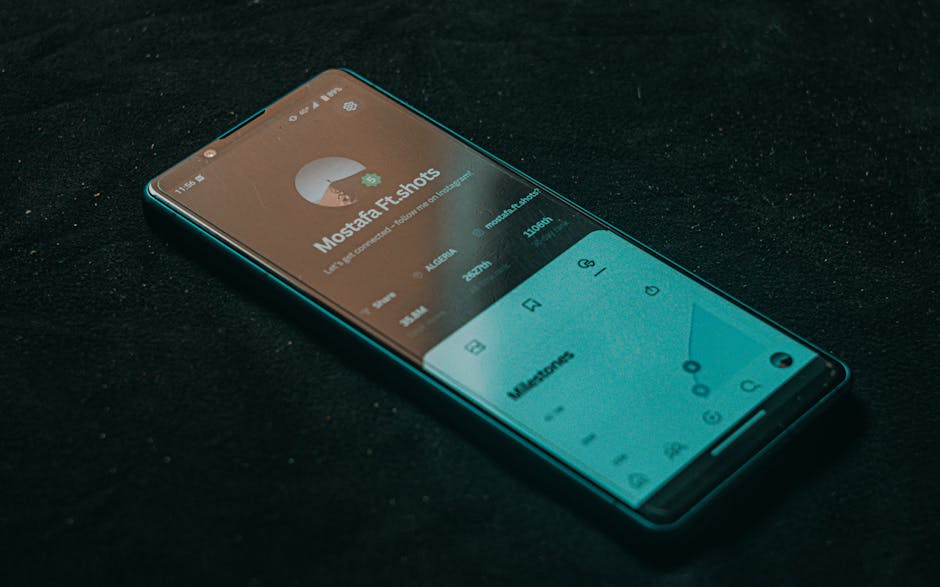
The Siemens Inhab app integrates with Siemens’ broader smart home ecosystem, offering more advanced automation capabilities if you’re already using other Siemens devices like thermostats or lighting controls. The Inhab app provides detailed energy analytics and can trigger automated responses—for example, reducing heating if energy usage spikes. However, the Siemens interface can feel more complex for users who only want basic energy monitoring without extensive smart home integration.
Data Accuracy and Monitoring Granularity
The Emporia Vue 3 offers circuit-level monitoring with up to 16 individual circuit sensors, allowing you to track specific appliances or rooms. The Siemens Inhab provides whole-home monitoring with the ability to integrate sub-metering for more detailed analysis. Both devices update data in near real-time, though the Emporia Vue 3’s wireless sensors may have slightly longer refresh intervals (typically 5-10 seconds) compared to hardwired systems. For most homeowners, both provide sufficient accuracy for identifying energy waste and optimizing usage patterns.
How Do Pricing and Long-Term Value Compare?
Pricing is a critical factor when choosing an energy monitor. The Emporia Vue 3 typically costs between $200 and $300 for the base unit, with additional circuit sensors available at $25 to $35 each. This makes it one of the most affordable circuit-level energy monitors on the market. There are no subscription fees required to use the app or access historical data, meaning your investment is truly one-time.

The Siemens Inhab generally costs between $400 and $600 for the hardware alone, and when you factor in professional installation ($200-$500), your total investment can reach $600 to $1,100. Some Siemens configurations may also include subscription fees for advanced analytics or cloud storage, though basic monitoring is typically available without ongoing costs.
Return on Investment Timeline
The Emporia Vue 3’s lower upfront cost means you can break even faster through energy savings. Studies show that homeowners who actively monitor their energy consumption reduce usage by 10 to 15 percent, which translates to $100 to $300 in annual savings for the average U.S. household. At this rate, an Emporia Vue 3 investment pays for itself within one to three years. The Siemens Inhab’s higher price point requires larger energy savings to achieve the same payback period, though its deeper smart home integration may provide additional value if you’re building a comprehensive automated home system. For budget-conscious homeowners focused solely on energy monitoring, the Emporia Vue 3 offers superior value. For those seeking a premium, integrated smart home solution, the Siemens Inhab may justify its higher cost.
Which Energy Monitor Should You Choose for Your Home?
Choosing between the Siemens Inhab and Emporia Vue 3 depends on your specific situation, technical comfort level, and long-term smart home plans. Choose the Emporia Vue 3 if: you want a DIY solution that requires no professional installation, you prefer a user-friendly app without complexity, you’re budget-conscious, you rent your home or don’t want permanent modifications, or you’re new to home energy monitoring. The Vue 3 is ideal for most homeowners who simply want to understand and reduce their electricity consumption without extensive smart home integration.
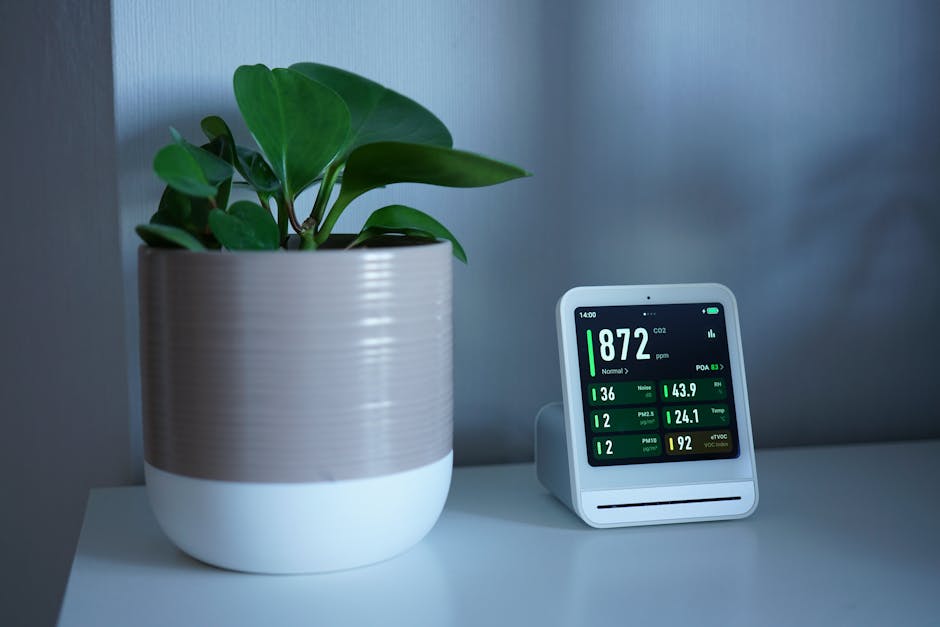
Choose the Siemens Inhab if: you’re already invested in the Siemens smart home ecosystem, you want professional-grade installation and support, you need advanced automation capabilities that respond to energy data, you’re willing to invest more upfront for deeper integration, or you prefer a system that can scale with future smart home additions. The Inhab is better suited for tech-enthusiasts planning comprehensive home automation systems.
Special Considerations
If you’re comparing energy monitors more broadly, you might also want to review our Emporia Vue vs Sense Review 2026 to see how the Vue 3 stacks up against another popular competitor. Additionally, if you’re building a complete smart home system, you might explore our Honeywell Home X2S vs Ecobee Essential 2026 smart thermostat comparison to ensure your energy monitor pairs well with your climate control system. Integrating energy monitoring with smart thermostats can amplify your savings potential.
How Do You Maximize Energy Savings with These Monitors?
Once you’ve installed your energy monitor—whether Siemens Inhab or Emporia Vue 3—the real work of reducing consumption begins. Both devices provide the data you need, but actionable insights require engagement and strategy. Here’s how to maximize your energy savings:
Identify Energy Vampires and High-Consumption Appliances
The first step is using your monitor’s circuit-level data to identify which appliances consume the most power. With the Emporia Vue 3, you can see real-time consumption for each connected circuit. Look for devices that run constantly or draw unexpectedly high power. Common culprits include older refrigerators, space heaters, water heaters, air conditioning units, and always-on entertainment systems. Once identified, you can make targeted decisions: upgrade to Energy Star-certified appliances, adjust thermostat settings, or unplug devices when not in use. The Siemens Inhab’s integration capabilities allow you to automate some of these adjustments, such as automatically reducing HVAC usage during peak hours.
Monitor Usage Patterns and Set Behavioral Goals
Both monitors track your usage over time, revealing patterns you might not notice otherwise. Many people discover they’re consuming significant energy during peak hours when utility rates are highest. Use this information to shift energy-intensive activities—like laundry, dishwashing, or charging electric vehicles—to off-peak hours if your utility offers time-of-use rates. Set monthly or seasonal energy reduction goals and track your progress through the app. The Emporia Vue 3’s alert system can notify you when usage exceeds your targets, helping you stay accountable. The Siemens Inhab can automate these adjustments through its smart home integration, reducing the need for manual intervention.
Optimize Heating and Cooling Operations
HVAC systems typically account for 40 to 50 percent of home energy consumption. Your energy monitor can help you understand how your heating and cooling patterns affect overall usage. If you see spikes during certain times of day, consider adjusting your thermostat settings or improving insulation. Pair your energy monitor with a smart thermostat for maximum impact. The data from your monitor can inform thermostat programming, helping you find the sweet spot between comfort and efficiency. Programmable setbacks of just 7 to 10 degrees Fahrenheit for 8 hours daily can save approximately 10 to 15 percent on heating and cooling costs.
Track Improvements and Celebrate Wins
Both the Emporia Vue 3 and Siemens Inhab allow you to view historical data and compare month-to-month or year-over-year usage. Tracking improvements reinforces positive behaviors and helps you understand which actions have the greatest impact. If you reduced consumption by 12 percent this month, you can see exactly which changes contributed to that success. This data-driven approach is far more effective than guessing about energy savings. Many users find that the act of monitoring itself—simply being aware of consumption—drives behavioral change. Share your progress with family members to encourage household-wide energy consciousness. Some utilities also offer rebates or incentives for achieving specific energy reduction targets, so check with your provider to see if your savings qualify for additional rewards.
Frequently Asked Questions
Does the Emporia Vue 3 work with smart home systems like Alexa or Google Home?
Yes, the Emporia Vue 3 integrates with both Amazon Alexa and Google Home through IFTTT (If This Then That) and native integrations. You can ask voice assistants for energy usage updates and set up automated routines based on energy data. However, integration is more limited compared to native smart home systems. The Siemens Inhab offers deeper integration if you’re already using Siemens’ ecosystem.
Can I monitor specific appliances with either system?
The Emporia Vue 3 can monitor individual circuits and appliances connected to those circuits, giving you granular visibility. The Siemens Inhab also provides circuit-level monitoring but may require additional sub-metering hardware for very detailed appliance-level tracking. Both systems work best when you know which appliances are on which circuits.
What happens if my internet goes down?
Both monitors store data locally, so you won’t lose historical information if your internet connection drops. However, you won’t be able to access real-time data through the mobile app until connectivity is restored. The devices will resume normal operation once your internet returns.
Is professional installation required for the Siemens Inhab in all cases?
While the Siemens Inhab is designed for professional installation, some electricians may assess that your specific situation allows for simpler setup. Always consult with a licensed electrician before attempting DIY installation, as improper installation can create safety hazards and void warranties.
How accurate are the cost estimates provided by these monitors?
Cost estimates are only as accurate as the electricity rates you input. Both monitors allow you to set your local utility rates. If you have time-of-use rates or tiered pricing, accuracy depends on whether the app supports that complexity. Check your utility bill to ensure you’re entering correct rates.
Can these monitors help reduce my utility bill immediately?
The monitors themselves don’t reduce consumption—they provide data that empowers you to make changes. Most users see modest reductions (5-10%) within the first month just from awareness, with larger savings (10-20%) achievable within 3-6 months through targeted behavioral and hardware changes.
Is an Energy Monitor Worth the Investment in 2026?
Yes, energy monitors remain a worthwhile investment in 2026, particularly for homeowners looking to reduce electricity costs and environmental impact. The Emporia Vue 3 and Siemens Inhab represent two different value propositions, but both can deliver meaningful returns through energy savings. The average U.S. household spends approximately $1,500 annually on electricity, and reducing consumption by just 10 to 15 percent—a realistic goal with active monitoring—saves $150 to $225 per year. Over a five-year period, this adds up to $750 to $1,125 in savings, easily justifying the upfront investment in either monitor.
The Emporia Vue 3 offers the best value for most homeowners due to its affordable price point, easy installation, and intuitive app. You can have it operational within an hour and begin seeing consumption patterns immediately. The ROI is straightforward: lower upfront cost plus faster payback period. For budget-conscious households, renters, or anyone new to energy monitoring, the Vue 3 is the clear choice.
The Siemens Inhab makes sense if you’re building a comprehensive smart home system and want deeper automation capabilities. The professional installation ensures proper setup and integration with other Siemens devices, though it requires a larger initial investment. If you’re already planning to hire an electrician for other home upgrades, bundling the Inhab installation can reduce overall costs.
Beyond financial returns, both monitors provide psychological benefits and environmental advantages. Seeing real-time energy consumption data creates awareness that naturally encourages conservation. Many users report that monitoring alone reduces usage by 5 to 10 percent through behavioral changes alone. When combined with hardware upgrades—like LED lighting, smart thermostats, or Energy Star appliances—energy monitors become even more valuable. In 2026, as electricity rates continue to rise and climate concerns grow, understanding and controlling your energy consumption is increasingly important. Whether you choose the Emporia Vue 3 for its accessibility or the Siemens Inhab for its integration capabilities, investing in energy monitoring is a smart decision for your wallet and the planet.






Write Your Review
No reviews yet. Be the first to share your experience!