
How Can You Track Energy Use Per Appliance in 2026?
Tracking energy use per appliance is now easier than ever in 2026 thanks to advanced smart home technology and real-time energy monitoring systems. The key takeaway: modern energy monitors use either circuit-level monitoring through CT clamps or individual appliance monitors to measure exactly how much power each device consumes. By combining a smart energy meter with sub-metering devices, you can identify which appliances drain the most electricity, reduce phantom loads, and optimize your energy consumption throughout your home. This approach helps homeowners save 10-30% on energy bills while gaining complete visibility into their power usage patterns. The technology has evolved significantly, with most systems now offering cloud-based dashboards, mobile app integration, and automated alerts when devices exceed energy thresholds. Whether you’re managing a single high-consumption appliance like an electric vehicle or monitoring your entire household’s energy profile, per-appliance tracking provides the data needed to make informed decisions about energy efficiency, maintenance schedules, and utility cost reduction.
What Are the Different Methods for Tracking Per-Appliance Energy Consumption?
There are three primary methods for tracking energy use per appliance in 2026, each with distinct advantages and installation requirements. Understanding these approaches helps you choose the right solution for your home’s needs and budget.
Circuit-Level Monitoring with CT Clamps
CT (current transformer) clamps represent the most comprehensive approach to per-appliance energy tracking. These non-invasive devices clamp around individual circuit breakers in your electrical panel, measuring current flow without requiring any wiring modifications. According to the U.S. Department of Energy, circuit-level monitoring provides the most accurate data for major appliances and circuits. Each CT clamp connects to a central hub that aggregates data and sends it to your smartphone or web dashboard. This method works best for tracking large-draw appliances like HVAC systems, water heaters, electric ovens, and air conditioning units. The advantage is that you can monitor multiple circuits simultaneously without installing individual devices on each appliance. For detailed installation guidance, see our complete CT clamps installation guide.
Smart Plug Monitors
Smart plugs with built-in energy monitoring are individual devices that you plug between an outlet and an appliance. Each smart plug measures the exact wattage, voltage, and energy consumption of that specific device in real-time. This method is ideal for smaller appliances like refrigerators, coffee makers, televisions, computer equipment, and washing machines. Smart plugs offer portability—you can move them between outlets to test different devices. Most smart plugs integrate with popular smart home platforms including Amazon Alexa, Google Home, and Apple HomeKit, allowing you to set energy budgets and receive notifications. The limitation is that you need one smart plug per appliance, which can become costly if monitoring many devices. However, they’re excellent for identifying phantom power drain from devices in standby mode. Learn more about reducing standby power in our phantom loads reduction guide.
Sub-Metering and Wireless Energy Monitors
Sub-metering systems install dedicated energy monitors on specific circuits or appliances, providing granular data without requiring CT clamps. These devices measure energy consumption for water heaters, electric vehicle chargers, pool pumps, and other high-consumption equipment. Wireless energy monitors communicate via Z-Wave, Zigbee, or WiFi protocols to a central hub. The Z-Wave standard is particularly popular in 2026 for home energy management. For information about Z-Wave compatible systems, check our Aeotec Home Energy Meter setup guide. Sub-metering provides the accuracy of circuit monitoring with the flexibility of individual device tracking, making it ideal for homes with specific energy management goals like EV charging optimization.
Why Should You Monitor Individual Appliance Energy Consumption?
Per-appliance energy tracking delivers multiple financial and operational benefits that extend beyond simple bill reduction. Understanding the “why” helps justify the investment in monitoring equipment and encourages consistent engagement with energy management practices.
Financial Savings and Bill Reduction
The primary motivation for tracking per-appliance energy use is reducing electricity costs. According to the Energy Star program, homeowners who actively monitor their energy consumption reduce usage by 10-30% simply through awareness. When you see exactly how much your refrigerator, HVAC system, or water heater costs to operate daily, you’re more motivated to optimize settings, schedule maintenance, or upgrade inefficient equipment. For example, identifying that your water heater consumes 20% of your total energy budget might justify upgrading to a tankless or heat pump model. Real-time monitoring also helps you avoid peak-hour consumption charges if your utility offers time-of-use rates. Our guide on automating appliances for off-peak hours shows how per-appliance tracking enables scheduling optimization.
Identifying Equipment Failures and Maintenance Needs
Energy consumption patterns reveal equipment problems before they cause complete failure. A refrigerator that suddenly consumes 40% more electricity likely has a failing compressor or dirty condenser coils. An air conditioning system with rising energy consumption may need refrigerant recharging or filter replacement. By catching these issues early through energy monitoring, you avoid expensive emergency repairs and extend equipment lifespan. Water heater energy spikes often indicate sediment buildup or failing heating elements. HVAC systems that gradually increase energy use suggest declining efficiency that requires professional maintenance.
Optimizing Smart Home Automation
Per-appliance energy data enables sophisticated automation rules that maximize comfort while minimizing consumption. You can schedule dishwashers, laundry machines, and EV charging during off-peak hours when electricity rates are lowest. Smart thermostats adjust heating and cooling based on occupancy patterns revealed by energy data. Water heaters can be scheduled to heat primarily during low-rate periods. This level of optimization requires knowing exactly how much energy each appliance consumes and when it operates. Our appliance signature identification guide explains how to use energy data for advanced automation.
How Do You Set Up a Comprehensive Per-Appliance Energy Tracking System?
Setting up effective per-appliance energy monitoring involves selecting compatible hardware, installing devices correctly, configuring software, and establishing baseline measurements. A systematic approach ensures accurate data collection and reliable long-term monitoring.
Step 1: Assess Your Monitoring Goals and Budget
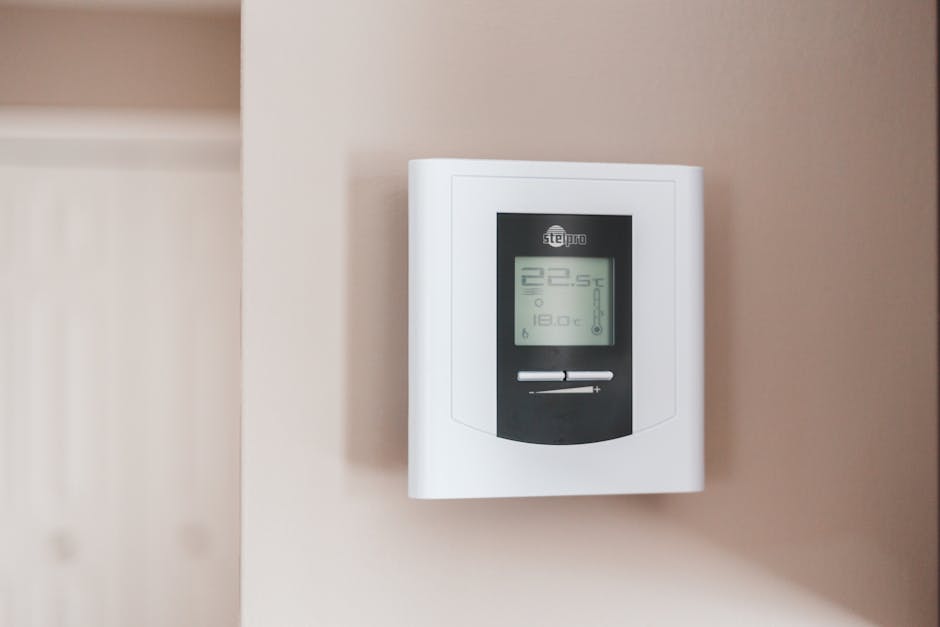
Before purchasing equipment, determine which appliances and circuits you want to monitor. Prioritize high-consumption devices like HVAC systems, water heaters, electric ovens, and refrigerators. Calculate your budget—CT clamp systems range from $200-$800 depending on the number of clamps, while smart plugs cost $15-$50 each. Decide whether you want real-time monitoring, historical data analysis, or automated alerts. Consider your smart home platform—ensure any monitoring system integrates with your existing ecosystem (Alexa, Google Home, Apple HomeKit, or Home Assistant).
Step 2: Choose Your Primary Monitoring Method
For comprehensive home monitoring, CT clamps installed in your electrical panel provide the best overview of major circuits. For targeted monitoring of specific appliances, smart plugs offer flexibility and ease of installation. Many homeowners in 2026 use a hybrid approach: CT clamps for circuit-level monitoring of high-draw systems and smart plugs for smaller appliances. If you have an electric vehicle or complex energy management needs, sub-metering systems like Z-Wave enabled monitors provide professional-grade accuracy. Ensure your chosen system supports data export in CSV format for analysis—our CSV data export guide explains this process.
Step 3: Installation and Configuration
CT clamp installation requires access to your electrical panel—hire a licensed electrician if you’re uncomfortable working near live electrical components. Position clamps around individual breakers for the circuits you want to monitor. Connect the clamp leads to your monitoring hub according to manufacturer instructions. For smart plugs, simply plug them into outlets and pair them with your smart home hub using the manufacturer’s app. Configure each device with a descriptive name (e.g., “Kitchen Refrigerator” or “Master Bedroom AC Unit”) to make data interpretation easier. Set up notifications and alerts for devices that exceed energy thresholds. Most systems allow you to create energy budgets and receive alerts when monthly consumption exceeds targets.
Step 4: Establish Baseline Measurements
Allow your monitoring system to collect data for at least 2-4 weeks before making optimization decisions. This baseline period accounts for seasonal variations, weather patterns, and normal usage fluctuations. Document baseline consumption for each appliance or circuit. This data becomes your reference point for measuring the impact of any efficiency improvements or equipment upgrades. Create a spreadsheet or use your monitoring system’s reporting features to track daily, weekly, and monthly consumption patterns. Identify peak usage times and anomalies that might indicate problems.
Step 5: Integration with Smart Home Ecosystem
Connect your energy monitoring system to your broader smart home setup. If you’re building a complete smart home in 2026, energy monitoring should integrate with automation, security, and climate control systems. Use energy data to trigger automation routines—for example, automatically scheduling your dishwasher to run during off-peak hours or adjusting your thermostat when energy consumption spikes. Our step-by-step smart home building guide covers integration best practices. Ensure your system supports mobile app control so you can monitor and adjust settings from anywhere using smartphone control.
How Do You Identify and Fix Energy Consumption Problems?
Once your per-appliance monitoring system is operational, the next step is interpreting data and taking action to reduce consumption. Effective problem identification combines real-time monitoring with historical analysis and technical knowledge about appliance efficiency.
Recognizing Abnormal Energy Consumption Patterns
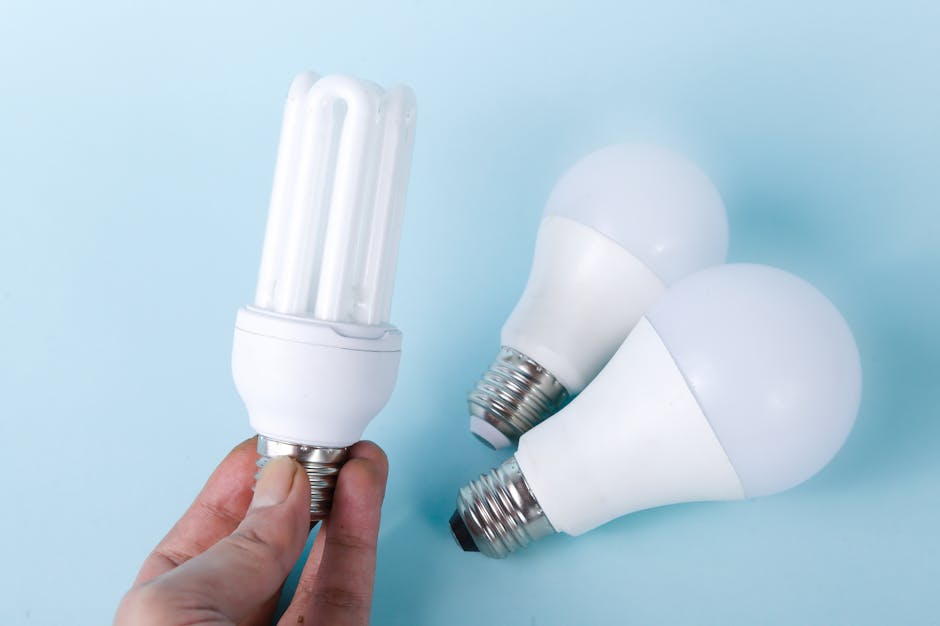
Compare current consumption against your established baselines and seasonal norms. A refrigerator consuming 50% more energy than its baseline suggests a failing compressor, dirty condenser coils, or a stuck door seal. HVAC systems that gradually increase energy use typically need filter replacement, refrigerant recharging, or compressor servicing. Water heaters showing sudden energy spikes may have failed heating elements or excessive sediment. Phantom loads—devices consuming power while in standby mode—often account for 5-10% of household energy use. Smart plugs easily identify these culprits. Our phantom load reduction guide provides specific strategies for eliminating standby consumption.
Analyzing Peak Usage Times
Your monitoring system reveals when you use the most energy. If you have time-of-use electricity rates, shifting high-consumption activities to off-peak hours saves money. For example, running laundry, dishwashers, and pool pumps during late-night or early-morning hours when rates are 30-50% lower reduces bills significantly. Electric vehicle owners can schedule charging during off-peak periods. Your monitoring data shows exactly which appliances consume the most during peak hours, enabling targeted scheduling. Create automation routines that shift controllable loads to cheaper rate periods.
Equipment Upgrade Decisions
Energy monitoring data justifies equipment upgrade investments by showing actual consumption costs. If your water heater consumes $50 per month in electricity, upgrading to a high-efficiency heat pump model that reduces consumption by 50% saves $300 annually—potentially paying for the upgrade in 3-5 years. Similarly, HVAC systems, refrigerators, and pool equipment show clear ROI when energy savings are quantified. Use your historical consumption data to calculate payback periods for any efficiency upgrades you’re considering.
What Are Common Mistakes When Tracking Per-Appliance Energy Use?
Understanding common pitfalls helps you avoid wasting time and money on ineffective monitoring approaches.
Installing Monitors Without Proper Baseline Data
Many homeowners install monitoring systems and immediately begin making changes without understanding normal consumption patterns. This prevents you from accurately measuring the impact of your optimization efforts. Always collect at least 2-4 weeks of baseline data before implementing changes. Document consumption by time of day, day of week, and season. This baseline enables you to quantify savings from any efficiency improvements.
Monitoring Too Many Devices Simultaneously
Trying to monitor every outlet and circuit creates data overload and makes meaningful analysis difficult. Focus on high-consumption appliances first: HVAC systems, water heaters, refrigerators, electric ovens, and air conditioning units. Once you’ve optimized these major loads, expand monitoring to smaller appliances. A focused approach yields better insights and clearer action items.
Ignoring Smart Home Integration Opportunities
Many people install energy monitors but fail to connect them with automation systems. The real value comes from using energy data to trigger smart actions—scheduling dishwashers during off-peak hours, adjusting thermostats based on consumption patterns, or alerting you to equipment problems. Ensure your monitoring system integrates with your smart home platform and supports the automation routines you need.
Failing to Account for Seasonal Variations
Energy consumption varies significantly by season. Heating consumption peaks in winter, cooling in summer. Water heating increases in cold months. Comparing January consumption to July without accounting for seasonal differences leads to incorrect conclusions. Always compare same-season data when analyzing trends and measuring improvement.
Neglecting System Maintenance
Energy monitoring systems themselves require maintenance. CT clamps need secure connections, smart plugs need battery replacement or charging, and hubs need software updates. Neglecting maintenance causes data gaps and inaccurate readings. Check your system monthly and perform recommended maintenance tasks.
Frequently Asked Questions
What is the most accurate method for tracking per-appliance energy consumption?
CT clamp circuit-level monitoring provides the highest accuracy for major appliances and circuits, measuring current flow directly at your electrical panel. For individual small appliances, smart plugs with integrated energy monitoring offer accuracy within 2-5%. Combining both methods—CT clamps for circuits and smart plugs for specific devices—provides comprehensive accuracy across your entire home.
Can you track energy use without installing equipment in your electrical panel?
Yes. Smart plugs require no electrical panel access—simply plug them into outlets. Wireless sub-meters also avoid panel installation. However, circuit-level CT clamp monitoring requires electrical panel access for the most comprehensive home energy tracking. If you’re uncomfortable with panel access, hire a licensed electrician for CT clamp installation.
How much can you save by tracking per-appliance energy consumption?
The U.S. Department of Energy reports that active energy monitoring reduces consumption by 10-30%. Actual savings depend on your baseline consumption, utility rates, and willingness to optimize. Homes with time-of-use rates and controllable loads (dishwashers, EV chargers, pool pumps) see larger savings through peak-hour shifting.
Do energy monitoring systems work with smart home platforms like Alexa and Google Home?
Most modern energy monitors in 2026 integrate with major smart home platforms. Ensure your chosen system explicitly supports Alexa, Google Home, Apple HomeKit, or Home Assistant before purchasing. Z-Wave and Zigbee devices offer broader compatibility than WiFi-only systems.
What appliances should you prioritize monitoring first?
Start with high-consumption appliances: HVAC systems, water heaters, refrigerators, electric ovens, air conditioning units, and electric vehicle chargers. These typically account for 60-80% of household energy consumption. Monitor smaller appliances after optimizing major loads.
How often should you check your energy monitoring data?
Review real-time data weekly and monthly summaries to identify trends and anomalies. Set up automated alerts for consumption spikes or devices exceeding energy budgets. Conduct detailed quarterly analysis to measure progress toward energy reduction goals and identify optimization opportunities.
Is Tracking Per-Appliance Energy Use Worth the Investment in 2026?
Tracking energy use per appliance has become significantly more affordable and accessible in 2026, making it a worthwhile investment for most homeowners. The combination of declining equipment costs, improved software interfaces, and stronger integration with smart home platforms means you can set up effective monitoring for $200-$500, with payback periods of 1-3 years through energy savings alone. Beyond financial returns, per-appliance monitoring provides invaluable insights into your home’s energy behavior, enabling proactive maintenance that prevents costly equipment failures and extends appliance lifespan.
The real value emerges when you connect energy monitoring with smart home automation. Scheduling high-consumption appliances during off-peak hours, optimizing HVAC settings based on occupancy and weather, and eliminating phantom loads through intelligent automation creates a synergistic effect that maximizes savings. For homeowners with electric vehicles, time-of-use electricity rates, or specific energy efficiency goals, per-appliance monitoring becomes essential for optimization.
In 2026, the technology has matured to the point where setup is straightforward, data interpretation is user-friendly through mobile apps and web dashboards, and integration with existing smart home systems is seamless. Whether you choose circuit-level CT clamp monitoring, individual smart plugs, or a hybrid approach, you’ll gain actionable insights that reduce your energy bills while improving comfort and equipment reliability. The investment pays for itself through reduced consumption, prevents expensive emergency repairs through early problem detection, and positions your home for advanced energy management strategies. Start with monitoring your highest-consumption appliances and circuits, establish baseline measurements, and gradually expand your system as you identify optimization opportunities.







Write Your Review
No reviews yet. Be the first to share your experience!