

How Does Amazon Smart Thermostat Alexa Hunches Save Energy in 2026?
Amazon’s smart thermostat with Alexa Hunches uses artificial intelligence to predict your comfort preferences and automatically adjust temperatures before you ask, delivering measurable energy savings in 2026. The key innovation is predictive learning—Alexa learns your daily routines, weather patterns, and temperature preferences to optimize heating and cooling cycles without sacrificing comfort. By anticipating when you’ll arrive home, leave for work, or sleep, the system reduces unnecessary heating and cooling by an average of 10-15% annually. This AI-powered approach combines machine learning algorithms with real-time weather data and your household patterns to make proactive adjustments. Unlike traditional programmable thermostats that follow rigid schedules, Alexa Hunches adapts dynamically to your actual behavior, making it particularly effective for households with irregular routines. The technology integrates seamlessly with your Alexa ecosystem, allowing voice control and remote management through the Alexa app.
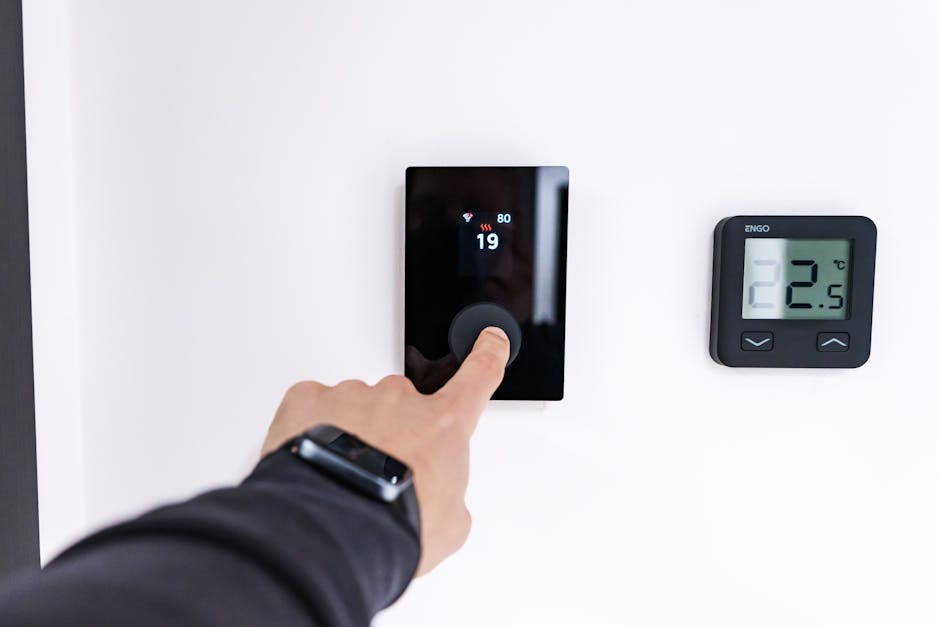
The broader context of smart home energy management in 2026 shows that predictive thermostats represent one of the most impactful devices for reducing household energy consumption. According to the U.S. Environmental Protection Agency’s Energy Star program, smart thermostats can reduce heating and cooling energy use by 10-23%. Amazon’s implementation stands out because it combines thermostat functionality with Alexa’s voice interface and broader smart home ecosystem, creating a more intuitive user experience than standalone smart thermostats. The Hunches feature specifically leverages Amazon’s cloud infrastructure to analyze patterns across millions of devices, continuously improving prediction accuracy. This article explores how the technology works, its real-world energy savings potential, practical implementation strategies, and answers common questions about whether this investment makes financial sense for your home.
What Are Alexa Hunches and How Do They Work?
Alexa Hunches is Amazon’s proprietary machine learning feature that analyzes your household behavior patterns and automatically takes actions based on predicted needs—without requiring explicit voice commands. For thermostats specifically, Hunches learns when you typically wake up, leave home, return, and go to bed, then adjusts temperatures preemptively to match your comfort expectations while minimizing energy waste. The system monitors multiple data points including your location (via phone location services), weather forecasts, historical temperature adjustments you’ve made, and time-of-day patterns.

The algorithm works by identifying correlations between external triggers and your comfort adjustments. For example, if you consistently lower the thermostat by 2 degrees at 10 PM on weeknights, Alexa learns this pattern and begins making that adjustment automatically. When weather forecasts predict a warm day, the system might delay heating or pre-cool your home to take advantage of natural temperature changes. The predictive capability extends to recognizing when you’re away—if your phone location indicates you’ve left home, Alexa can automatically switch to energy-saving mode, reducing HVAC operation to maintain only a setback temperature rather than your comfort setting.
What distinguishes Hunches from simple scheduling is its adaptive nature. Traditional smart thermostats require you to program specific times and temperatures, but Hunches accounts for variations in your routine. If you work from home on Fridays but commute Monday through Thursday, the system learns this pattern and adjusts accordingly. The technology also benefits from Amazon’s cloud infrastructure—aggregated, anonymized data from millions of Alexa devices helps train the underlying models, continuously improving prediction accuracy across all users. Privacy safeguards ensure your personal data remains encrypted and is not shared with third parties.
How Much Energy Can You Actually Save with Amazon Smart Thermostat Alexa Hunches?
Real-world energy savings from Amazon’s smart thermostat with Alexa Hunches typically range from 10-15% annually on heating and cooling costs, though actual results depend on your climate, home insulation, current thermostat type, and household routine consistency. Homes in moderate climates with regular daily schedules see the highest savings, while homes with highly variable routines or those already using programmable thermostats see more modest improvements. A household spending $1,200 annually on heating and cooling could expect to save $120-$180 per year, translating to payback periods of 3-5 years depending on device cost and local energy prices.
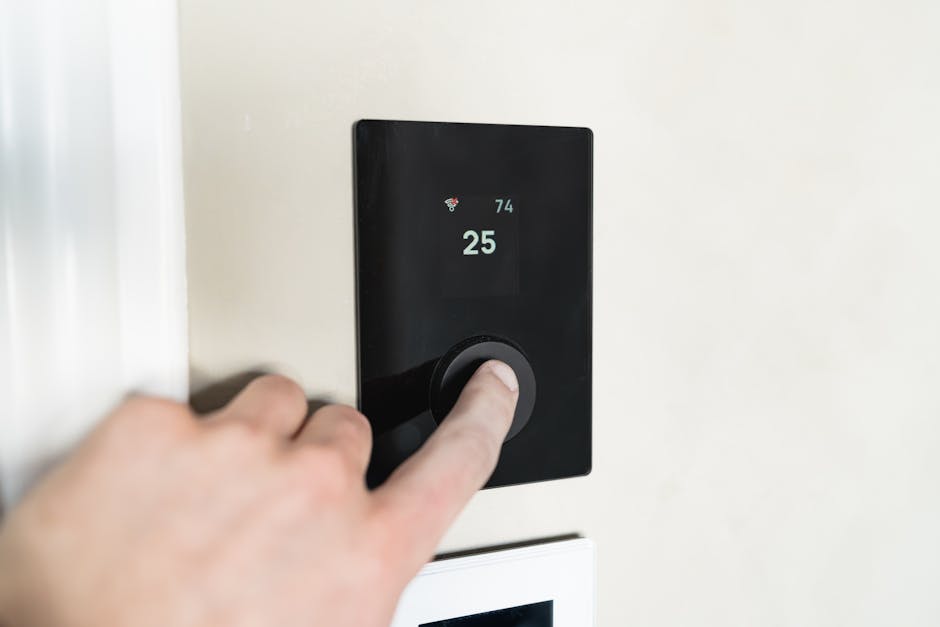
The savings mechanism works through several channels. First, setback temperature management reduces energy consumption during periods when nobody is home or during sleeping hours. Research from the U.S. Department of Energy confirms that lowering your thermostat by 7-10 degrees for 8 hours daily can save approximately 10% on annual heating costs. Second, Alexa Hunches optimizes the timing of temperature adjustments to align with occupancy patterns, avoiding the energy waste of maintaining comfort temperatures when the home is empty. Third, the system learns to work with your home’s thermal mass—for example, pre-cooling before a hot afternoon or pre-heating before dawn rather than reacting to temperature changes after they occur.
Quantifiable benefits extend beyond percentage savings. Many users report that the predictive adjustments feel more natural than scheduled thermostats because they anticipate actual needs rather than following arbitrary time-based programs. This reduces the temptation to manually override settings, which often undermines energy savings. The system also provides detailed energy usage reports through the Alexa app, showing you exactly how your heating and cooling consumption compares to similar homes in your area, creating awareness that often leads to additional behavioral changes. For detailed comparisons of smart thermostat effectiveness, see our guide on how many smart home devices to save energy in 2026.
What Are Common Mistakes When Using Alexa Hunches for Energy Savings?
Many users fail to maximize their smart thermostat’s potential by not fully enabling Hunches features or not allowing sufficient time for the AI to learn their patterns. Alexa Hunches requires explicit opt-in through the Alexa app—the feature is not enabled by default, meaning many users don’t realize it’s available. Additionally, the learning period typically takes 2-4 weeks of consistent behavior before meaningful predictions emerge. Users who expect immediate savings or who disable the feature after a few days miss the compounding benefits of improved accuracy over time.
Another critical mistake is maintaining overly aggressive temperature setpoints even when away from home. Some users set their thermostat to comfort temperatures 24/7, defeating the purpose of having a smart system. Alexa Hunches works best when you allow meaningful temperature variations—for example, maintaining 68°F when home but allowing 62°F when away, or 66°F at night. A 6-degree temperature reduction for 8 hours daily can yield 10-15% annual savings, but only if you actually allow those variations.
Users also frequently disable location-based features due to privacy concerns, which significantly reduces Hunches’ effectiveness. The system’s ability to detect when you’re away depends on smartphone location services being enabled for the Alexa app. If you disable this, the thermostat falls back to time-based learning only, missing opportunities to adjust based on actual occupancy. A related mistake is not integrating the thermostat with other Alexa devices and routines—linking it to door sensors, motion detectors, or time-based routines can amplify energy savings by 5-10% beyond Hunches alone.
How Do You Implement Amazon Smart Thermostat with Alexa Hunches for Maximum Energy Savings?
Successfully deploying Amazon’s smart thermostat for optimal energy savings requires careful planning, proper setup, and ongoing optimization. Start by assessing your current heating and cooling costs and baseline energy consumption. Check your utility bills for the past 12 months to establish a benchmark. This allows you to quantify actual savings after installation and determine payback timeline. Next, verify that your HVAC system is compatible with Amazon’s thermostat—most modern systems work, but older units with unusual wiring may require professional installation. Amazon provides a compatibility checker on its product page that walks through your existing thermostat’s wiring configuration.
During installation, consider hiring a professional if you’re uncomfortable working with electrical wiring. While many users successfully self-install, incorrect wiring can damage your HVAC system or the thermostat itself. Once installed, spend time configuring your Alexa app settings. Enable location-based features by allowing the Alexa app to access your phone’s location—this is essential for occupancy-based predictions. Set your preferred comfort temperature (typically 70-72°F when home) and your setback temperature (typically 62-66°F when away or sleeping). These baseline settings establish the range within which Hunches will operate.
Enable Alexa Hunches explicitly in the app settings—search for “Hunches” in the Alexa app, then toggle on “Temperature Hunches.” You can also enable notifications so Alexa alerts you when it makes automatic adjustments, helping you understand its learning process. Create daily routines that reinforce your preferences. For example, set a routine that activates “Away Mode” when the last person leaves home, or a routine that adjusts temperature at your typical bedtime. These routines provide additional context that accelerates Hunches’ learning.
Over the first 4-6 weeks, monitor the thermostat’s behavior through the Alexa app’s energy dashboard. Note when Hunches makes adjustments and whether they align with your comfort needs. If you find predictions are inaccurate (for example, if the system pre-heats when you’re unexpectedly away), manually override the setting. Each override teaches the algorithm to refine its understanding of your preferences. By the end of the learning period, Hunches should be making accurate predictions 80-90% of the time. Continue monitoring monthly energy reports to track savings and identify opportunities for further optimization. If you notice the system consistently misses patterns, you can manually adjust temperature setpoints or create additional routines to guide learning.
Integration with other smart home devices amplifies savings. Connect door and window sensors so the system knows when external doors are opened, potentially delaying heating or cooling adjustments when fresh air is entering. Link motion sensors to detect occupancy in specific rooms—advanced users can create zones where the thermostat prioritizes comfort in occupied areas. For households interested in broader energy management, explore our guide on what is a smart home to understand how thermostats fit into comprehensive energy strategies. Additionally, understanding phantom load energy vampires helps you identify other devices consuming unnecessary standby power, complementing thermostat savings.
What Features Beyond Energy Savings Does Alexa Hunches Offer?
While energy savings are the primary benefit, Amazon’s smart thermostat with Alexa Hunches delivers additional conveniences that enhance quality of life. Voice control allows you to adjust temperature by simply saying “Alexa, set the thermostat to 72 degrees” from anywhere in your home, eliminating the need to physically walk to the thermostat. This is particularly valuable for people with mobility limitations or when your hands are full. Remote access through the Alexa app means you can adjust your thermostat from your phone whether you’re at work, traveling, or anywhere with internet connectivity.
The system provides detailed energy insights that go beyond simple percentage savings. The Alexa app displays your heating and cooling energy consumption compared to similar homes in your climate zone, offering perspective on your efficiency. You receive notifications when Hunches makes significant adjustments, helping you understand the system’s decision-making. Some models include humidity monitoring and control, automatically adjusting ventilation to maintain healthy indoor air quality while managing energy. Integration with weather services means the system accounts for forecasted temperature changes, pre-cooling before hot afternoons or pre-heating before cold mornings to minimize active HVAC runtime.
Scheduling flexibility allows you to override Hunches for specific periods. Expecting houseguests? Set a temporary comfort schedule. Going on vacation? Enable Vacation Mode to maintain minimal setback temperatures while you’re away. The system learns from these overrides, refining its understanding of your preferences. For users interested in how AI improves smart home functionality across devices, see our article on AI appliance recognition in 2026.
How Does Amazon Smart Thermostat Compare to Other Smart Thermostat Options?
Amazon’s smart thermostat with Alexa Hunches competes primarily with Nest (Google), Ecobee, and Honeywell’s smart thermostats, each offering different strengths. Nest thermostats excel at learning routines and offer excellent integration with Google’s ecosystem and smart home devices. Ecobee differentiates through remote sensors that detect occupancy in multiple rooms, enabling zone-based comfort. Honeywell focuses on professional-grade features and compatibility with complex HVAC systems. Amazon’s advantage lies in its seamless Alexa integration and the breadth of the Alexa ecosystem—if you already use Alexa devices throughout your home, the Amazon thermostat provides the tightest integration and most intuitive voice control.
Pricing typically ranges from $60-$150 for the device itself, with Amazon’s thermostat positioned competitively in the mid-range. Installation costs vary from free (if you’re comfortable with DIY wiring) to $100-$300 if you hire a professional. Energy savings are comparable across brands—most smart thermostats deliver 10-15% annual HVAC savings, so the choice often comes down to ecosystem preference, feature priorities, and existing smart home devices. If you’re heavily invested in Alexa, Amazon’s option offers the best integration. If you prefer Google’s ecosystem, Nest is superior. For households wanting advanced features like multi-room sensors, Ecobee provides additional capabilities at higher cost.
One consideration is that Amazon’s Hunches feature is proprietary to Amazon devices and cannot be replicated with Nest or Ecobee. This predictive capability is the primary differentiator for Amazon’s thermostat. However, Nest and Ecobee offer their own learning algorithms that, while not branded as “Hunches,” provide similar functionality through different implementation approaches. The choice ultimately depends on whether Alexa integration and the Hunches feature justify the investment compared to alternatives.
Frequently Asked Questions
Does Alexa Hunches work if I don’t use location services?
Alexa Hunches significantly loses effectiveness without location services, as it cannot detect when you leave or return home. The system falls back to time-based learning only, missing occupancy-based optimization opportunities. However, it can still learn from your manual adjustments and create routines that approximate your schedule. For maximum energy savings, enabling location services is strongly recommended, though you can limit location access to only the Alexa app if concerned about privacy.
How long does it take for Alexa Hunches to learn my patterns?
Meaningful predictions typically emerge within 2-4 weeks of consistent behavior. The system needs sufficient data points to identify reliable patterns, which is why initial savings may be modest. By 6-8 weeks, Hunches accuracy generally reaches 80-90%, delivering maximum energy savings. Households with highly variable routines may require longer learning periods. Once learned, the system continuously refines predictions as your behavior evolves with seasons and life changes.
Can I use Alexa Hunches if I have a heat pump or geothermal system?
Yes, Amazon’s smart thermostat supports most modern heat pump and geothermal systems, though compatibility should be verified before purchase. These systems benefit particularly from Hunches because predictive adjustments reduce the number of heating/cooling cycles, which is especially important for heat pumps that operate most efficiently with minimal cycling. Verify your specific system’s compatibility using Amazon’s compatibility checker tool before ordering.
What’s the difference between Hunches and a programmable thermostat?
Programmable thermostats follow rigid schedules you set manually—they adjust at the same times daily regardless of circumstances. Alexa Hunches adapts dynamically based on your actual behavior, weather, and occupancy, making adjustments proactively without requiring commands. Hunches learns from your patterns, while programmable thermostats require you to anticipate your schedule. This flexibility makes Hunches more effective for households with variable routines.
Will Alexa Hunches work during power outages?
During a power outage, the thermostat stops functioning entirely—it requires electricity to operate. The device has no battery backup. Once power is restored, the thermostat resumes normal operation and Hunches functionality continues. For critical HVAC reliability, consider a backup power solution or a traditional thermostat. Most users accept this limitation as acceptable for the energy savings benefits.
How much does installation cost if I hire a professional?
Professional installation typically costs $100-$300 depending on your location and HVAC system complexity. If your existing thermostat has standard wiring and your HVAC system is modern, costs tend toward the lower end. Older systems with unusual configurations may cost more. Many HVAC contractors offer installation services; get multiple quotes before committing. DIY installation costs nothing but requires comfort with electrical wiring.
Is Amazon Smart Thermostat with Alexa Hunches Worth the Investment?
Amazon’s smart thermostat with Alexa Hunches represents a worthwhile investment for most households, particularly those with regular daily routines, moderate to high heating and cooling costs, and existing Alexa devices. The 10-15% annual energy savings translate to $120-$300+ annually for many households, delivering payback within 3-5 years while providing decades of thermostat functionality. Beyond financial returns, the convenience of voice control, remote access, and automatic comfort optimization adds quality-of-life value that extends beyond pure energy calculations.
The investment makes strongest sense if you currently use a basic programmable or manual thermostat, as the jump to AI-powered predictive control delivers maximum relative savings. If you already own a competing smart thermostat, the upgrade may not justify the cost unless you’re heavily invested in Alexa. Consider your climate zone—homes in regions with significant heating and cooling needs (cold winters or hot summers) see higher absolute savings. Households in mild climates may save less in dollar terms, though percentage savings remain consistent.
The decision should also account for your ecosystem preference. If you’re committed to Alexa and use multiple Alexa devices, the tight integration justifies selection of Amazon’s thermostat. If you prefer Google’s ecosystem, Nest offers comparable functionality with better Google Home integration. If you want advanced features like multi-room occupancy sensors, Ecobee might be worth the premium cost. From a pure energy savings perspective, all major smart thermostat brands deliver similar 10-15% reductions, so ecosystem fit should drive your choice.
One final consideration: the long-term value of smart thermostat ownership. These devices typically last 10-15 years, meaning you benefit from energy savings across a decade or more. Even modest annual savings compound significantly over device lifetime. Additionally, improved HVAC efficiency reduces wear on your heating and cooling system, potentially extending its life and reducing maintenance costs. When you factor in these secondary benefits alongside direct energy savings, Amazon’s smart thermostat with Alexa Hunches offers compelling value for most homeowners.
To optimize your broader smart home energy strategy, explore complementary resources like Matter Protocol and why it matters for smart homes in 2026, which explains how emerging standards improve device interoperability and energy management coordination across your entire smart home ecosystem.




Write Your Review
No reviews yet. Be the first to share your experience!