
How Many Smart Home Devices Do You Need to Save Energy in 2026?
The optimal number of smart home devices for energy savings depends on your home size, current energy usage, and budget, but most households benefit from 5-12 strategic devices that target the biggest energy consumers. The key takeaway: focus on high-impact devices like smart thermostats, intelligent lighting, and smart power strips rather than accumulating numerous low-efficiency gadgets. Research from the U.S. Department of Energy shows that smart thermostats alone can reduce heating and cooling costs by 10-23% annually, making them a priority investment. In 2026, the smart home energy market has matured significantly, with devices becoming more affordable and interoperable through standards like Matter Protocol. Rather than installing every available device, a strategic approach focuses on automating your home’s largest energy drains—typically HVAC systems, water heating, lighting, and phantom loads from always-on appliances. A well-designed smart home energy system typically includes a smart thermostat, smart lighting in high-use areas, energy monitoring devices, smart power strips, and smart appliances, creating a comprehensive yet manageable ecosystem that delivers measurable savings without overwhelming complexity or excessive upfront costs.
What Are the Most Impactful Smart Home Devices for Energy Savings?
Understanding which devices deliver the greatest energy reduction is crucial for maximizing your return on investment. Not all smart devices contribute equally to energy conservation, and choosing the right ones makes the difference between modest savings and substantial monthly reductions.
Smart Thermostats: The Foundation of Energy Efficiency
Smart thermostats represent the single most effective smart home device for energy savings. According to the ENERGY STAR program, smart thermostats can reduce annual heating and cooling costs by 10-23% depending on your climate and usage patterns. These devices learn your schedule, adjust temperatures automatically, and allow remote control via smartphone apps. Leading models in 2026 include devices that integrate with weather forecasts, occupancy sensors, and geofencing technology to prevent heating or cooling empty homes. The average payback period for a smart thermostat is 1-3 years, after which you enjoy pure savings. Most smart thermostats cost between $200-$400 installed, making them one of the highest-ROI investments available. They work by analyzing your heating and cooling patterns, identifying inefficiencies, and creating optimized schedules that maintain comfort while reducing energy waste.
Smart Lighting Systems
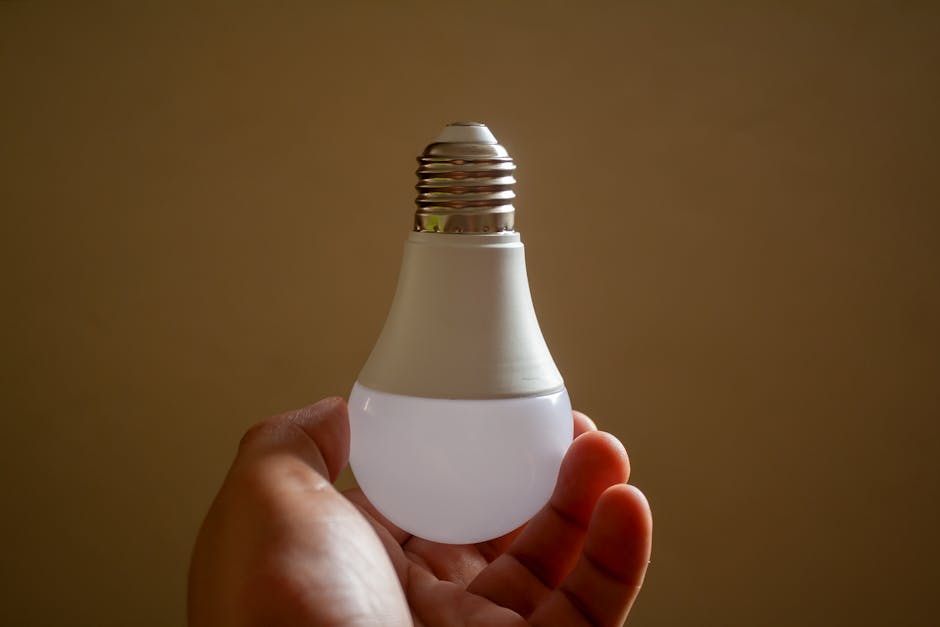
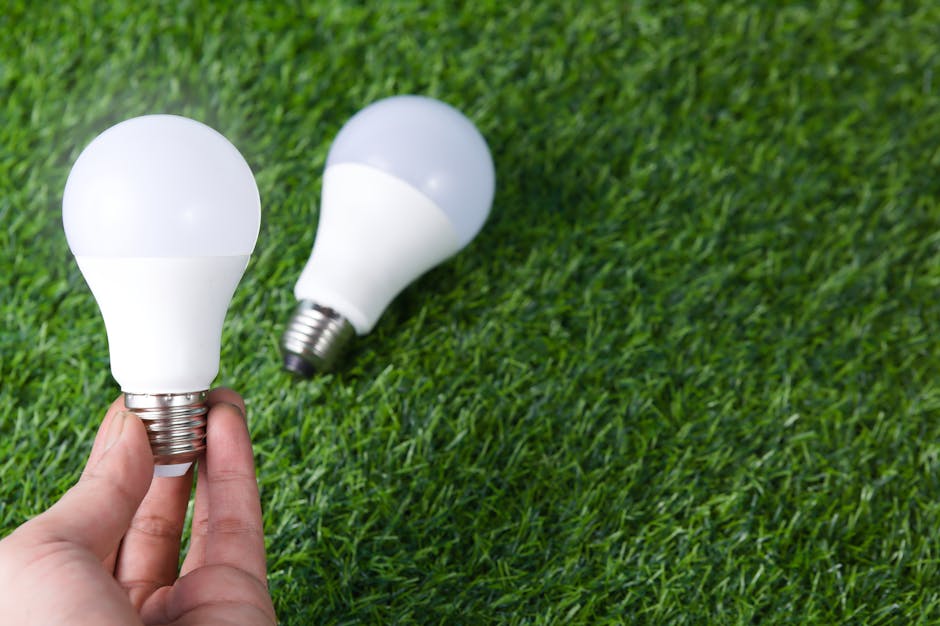
Smart LED lighting combined with automation can reduce lighting energy consumption by 40-80%. Smart bulbs and switches allow you to control brightness, color temperature, and scheduling from anywhere. Motion sensors eliminate the waste of lights left on in unoccupied rooms, while daylight sensors adjust brightness based on natural light availability. In 2026, smart lighting systems have become highly affordable, with individual bulbs costing $5-$15 and smart switches around $25-$50. The combination of LED technology (which uses 75% less energy than incandescent bulbs) with smart automation creates compounding savings. For maximum impact, prioritize smart lighting in frequently used areas like kitchens, bathrooms, and living rooms where lights typically run longest.
Energy Monitoring Devices
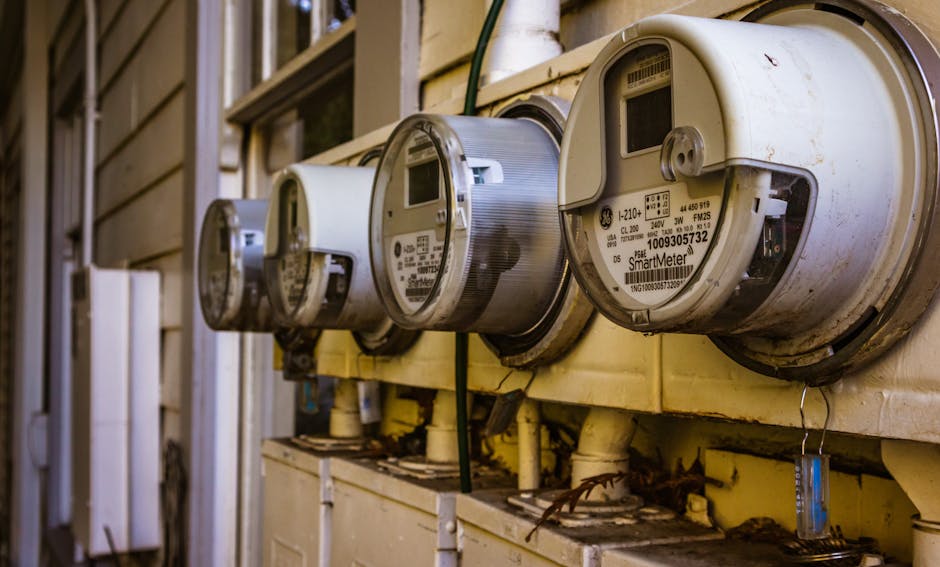
Smart energy monitors and circuit-level monitors provide visibility into exactly where your electricity goes. Whole-home energy monitors track total consumption, while device-specific monitors measure individual appliances. This visibility is transformative—studies show that simply monitoring energy consumption reduces usage by 5-15% through behavioral change alone. In 2026, affordable options range from $50 for basic whole-home monitors to $200-$300 for comprehensive systems. Some smart home hubs include built-in energy monitoring capabilities, reducing the need for separate devices. Understanding your energy patterns through monitoring helps you identify which devices consume the most power and where additional automation would be most beneficial.
How Should You Prioritize Smart Home Device Installation for Maximum Savings?
A phased approach to smart home installation ensures you maximize savings while managing costs effectively. Rather than purchasing everything simultaneously, strategic prioritization aligns device selection with your specific energy challenges and budget constraints.
Phase One: Essential Foundation (Months 1-2)
Begin with devices that deliver the highest energy impact: a smart thermostat and whole-home energy monitor. These two devices provide immediate savings and data-driven insights for future decisions. A smart thermostat addresses your largest energy consumer (typically 40-50% of home energy use), while the energy monitor reveals exactly where your consumption occurs. Together, they cost $300-$600 and typically save $50-$150 monthly, depending on your region and climate. This foundation also helps you understand which additional devices would benefit your specific situation most. Many energy providers offer rebates for smart thermostat installation, reducing your out-of-pocket costs by $50-$200.
Phase Two: Lighting and Phantom Load Reduction (Months 3-4)
After establishing your baseline, address lighting inefficiencies and phantom loads. Install smart bulbs or switches in high-use areas (kitchen, bathrooms, living room) and add motion sensors to less-frequently occupied spaces. Simultaneously, deploy smart power strips to eliminate phantom loads from entertainment systems, computer setups, and kitchen appliances. Phantom loads consume 5-10% of home electricity even when devices appear off, making smart power strips particularly valuable. This phase typically costs $200-$500 and saves an additional $20-$60 monthly. The combination of smart lighting and phantom load elimination creates noticeable reductions in your electricity bill within the first month of operation.
Phase Three: Advanced Automation (Months 5+)
Once your foundation is established, consider advanced devices like smart water heaters, smart appliances, smart window blinds for thermal control, and specialized monitoring for specific high-consumption devices. These devices provide incremental improvements and work synergistically with your existing smart home ecosystem. Smart water heaters can reduce water heating costs by 10-20%, while smart appliances optimize their operation based on time-of-use electricity rates. Window coverings that close during hot afternoons reduce cooling loads, while opening during cold mornings allows solar heat gain. This phased approach prevents overwhelming yourself while maintaining momentum toward comprehensive energy optimization.
How Do You Optimize Smart Home Device Placement and Configuration for Energy Savings?
Simply installing smart devices is insufficient; proper placement and configuration determine whether they deliver maximum savings or underperform. Strategic positioning and intelligent programming transform devices from novelties into powerful energy management tools.
Thermostat Placement and Programming
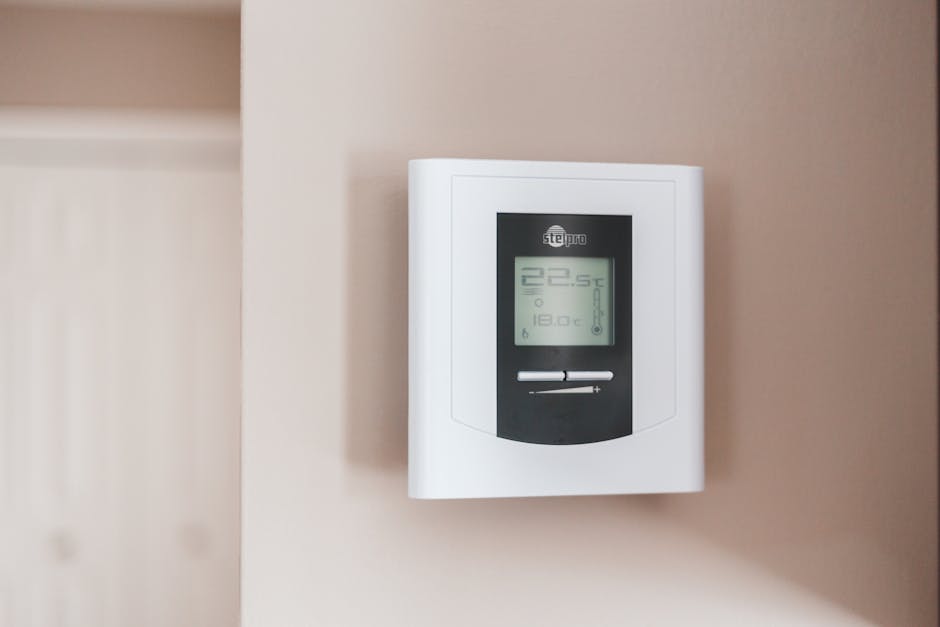
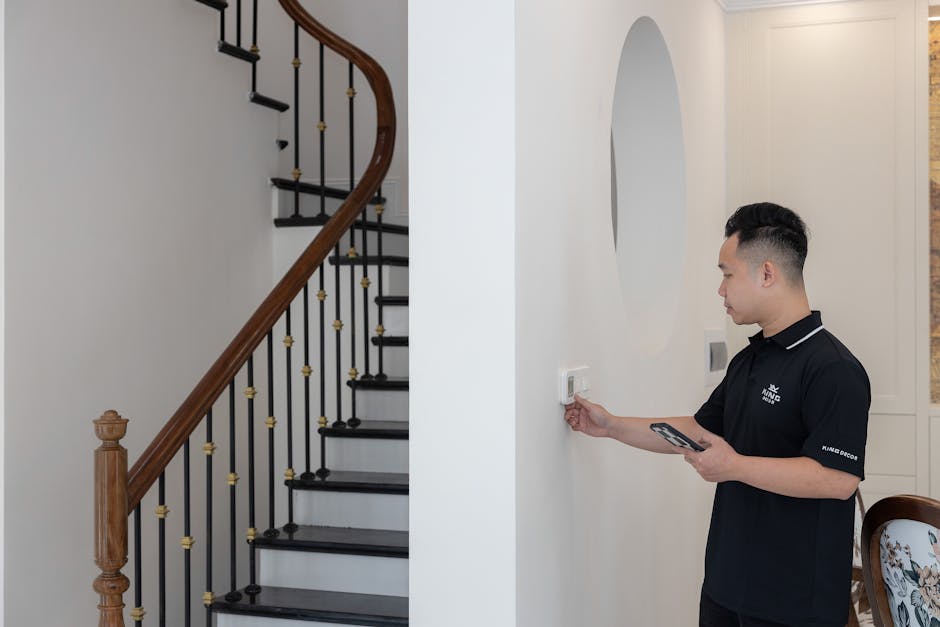
Smart thermostat placement significantly affects its ability to accurately sense temperature and control your HVAC system. Install thermostats on interior walls away from direct sunlight, heat sources, drafts, and exterior walls. Avoid placement near windows, doors, kitchens, or areas with significant temperature fluctuations that don’t represent your home’s actual climate. Programming should reflect your actual schedule—if your thermostat doesn’t know when you’re home versus away, it can’t optimize heating and cooling. Set temperature setbacks of 7-10 degrees Fahrenheit during sleeping hours and 10-15 degrees when away for extended periods. Each degree of setback saves approximately 1-3% of heating energy. In 2026, many smart thermostats support geofencing, automatically adjusting temperatures when the last person leaves home and warming before arrival, eliminating manual adjustment.
Smart Lighting Configuration
Smart lighting optimization requires matching device type to location. Use motion sensors in low-traffic areas like bathrooms, laundry rooms, and garages where lights are often forgotten. Use scheduled automation in high-traffic areas where occupancy is predictable, such as kitchens during morning routines. Implement daylight harvesting in spaces with significant natural light, where smart sensors reduce artificial lighting intensity during sunny periods. Group lights into zones based on usage patterns rather than room-by-room control, allowing coordinated adjustment of multiple lights simultaneously. Set brightness at 70-80% instead of maximum, as human perception of brightness is logarithmic—reducing brightness to 70% saves approximately 30% energy while appearing only slightly dimmer to occupants.
Energy Monitor Configuration
Proper energy monitor setup requires accurate installation and meaningful interpretation. Whole-home monitors should be installed at your main electrical panel by a qualified electrician to ensure safety and accuracy. Circuit-level monitors need proper CT clamp installation—improper clamp placement or orientation can produce inaccurate or negative readings. Understanding CT clamp polarity is essential for accurate measurements. Configure your monitoring app to track consumption by category (HVAC, lighting, appliances, etc.) to identify which devices consume most energy. Set consumption alerts to notify you when usage exceeds normal patterns, helping identify malfunctioning appliances or unusual consumption spikes.
What Are Common Mistakes When Installing Smart Home Energy Devices?
Many homeowners inadvertently reduce their smart home system’s effectiveness through installation errors, misconfiguration, or unrealistic expectations. Understanding common pitfalls helps you avoid expensive mistakes and maximize your energy savings potential.
Over-Installation Without Strategy
A frequent mistake is purchasing numerous devices without a coherent energy-saving strategy. Some homeowners install smart devices in every room without prioritizing high-impact areas, resulting in wasted money and minimal savings. Smart bulbs in rarely-used closets provide negligible energy reduction, while the same investment in kitchen and bathroom lighting delivers substantial savings. Similarly, some people install smart devices that don’t address their actual energy consumption patterns. Before purchasing, analyze your energy bill to identify your largest consumers, then target devices toward those specific areas. A strategic approach with 5-8 carefully chosen devices typically outperforms a scattered approach with 20+ devices.
Inadequate Integration and Automation
Installing smart devices individually without integration prevents them from working synergistically. A smart thermostat operates independently from smart lighting, missing opportunities for coordinated efficiency. For example, a smart home system could reduce cooling loads by automatically closing smart blinds when the thermostat detects rising temperatures. In 2026, the Matter Protocol enables better device interoperability, but integration still requires thoughtful setup. Ensure your devices connect to a central hub or platform that allows automation rules linking multiple devices. Without integration, you lose 30-50% of potential savings from coordinated operation.
Poor Scheduling and Automation Rules
Many smart devices remain underutilized because their automation rules are poorly configured. A smart thermostat set to a fixed temperature 24/7 provides minimal savings compared to one with properly programmed schedules. Similarly, smart lights without motion sensors in bathrooms waste energy, while smart lights with overly aggressive motion sensor sensitivity trigger false activations, annoying occupants. Take time to establish realistic schedules matching your actual lifestyle. Test automation rules for several weeks and adjust based on real-world performance. What works for one household may not work for another, requiring personalization and fine-tuning.
How Do You Calculate the Return on Investment for Smart Home Energy Devices?
Understanding the financial return from smart home investments helps justify expenses and prioritize purchases. A simple ROI calculation compares annual energy savings against device costs, accounting for installation expenses and expected device lifespan.
Basic ROI Formula
Calculate annual savings by multiplying your monthly energy bill reduction by 12. For example, if a smart thermostat reduces your monthly bill by $40, annual savings equal $480. Divide the device cost (including installation) by annual savings to determine payback period. A $400 smart thermostat with $480 annual savings has a payback period of 10 months. After payback, the device provides pure savings for its remaining lifespan (typically 10-15 years). Most smart home energy devices achieve payback within 1-3 years, after which they provide exceptional return on investment. Consider financing options—many utility companies offer rebates covering 25-50% of smart thermostat costs, dramatically improving ROI.
Accounting for Utility Rates and Climate
ROI varies significantly based on electricity rates and climate. In regions with high electricity costs ($0.15+ per kilowatt-hour), smart devices achieve faster payback than in low-cost regions. Similarly, homes in extreme climates (very hot or cold) benefit more from smart thermostats than mild-climate homes. Calculate your specific savings using your actual electricity rate and estimated consumption reduction. If a smart thermostat reduces consumption by 500 kilowatt-hours annually and your rate is $0.12 per kilowatt-hour, annual savings equal $60. Multiply this by years of expected operation to understand total lifetime value.
Non-Financial Benefits
Beyond direct energy savings, smart home devices provide additional value including improved comfort, convenience, home security, and environmental benefits. A smart thermostat maintains more consistent temperatures than manual adjustment, improving comfort while reducing energy use. Smart lighting provides convenience and security benefits beyond energy savings. These intangible benefits justify investment even when financial payback extends beyond 3 years, making smart home devices valuable regardless of pure energy ROI calculations.
What Is the Ideal Smart Home Device Ecosystem for Energy Savings in 2026?
A comprehensive smart home energy system in 2026 integrates multiple device categories into a coordinated ecosystem that maximizes savings while maintaining simplicity. The ideal configuration balances capability with usability, avoiding excessive complexity that discourages consistent use.
Core System Components
An effective smart home energy system includes: (1) a smart thermostat for HVAC control, (2) a whole-home or circuit-level energy monitor for consumption visibility, (3) smart lighting in high-use areas with motion sensors, (4) smart power strips for phantom load elimination, and (5) a central hub enabling device integration and automation. This five-device foundation addresses approximately 70-80% of household energy consumption and typically costs $800-$1,500 installed. Additional devices like smart water heaters, smart appliances, or specialized monitors can be added incrementally as budget allows. The central hub—often a smart speaker or dedicated home automation controller—serves as the brain of your system, enabling automation rules that coordinate multiple devices for maximum efficiency.
Integration Standards and Compatibility
In 2026, the Matter Protocol has become increasingly important for ensuring devices from different manufacturers work together seamlessly. When selecting devices, prioritize Matter-compatible options to future-proof your investment and ensure compatibility as your system grows. Avoid proprietary ecosystems that lock you into a single manufacturer. Devices using Matter, Zigbee, or Z-Wave standards offer greater flexibility and longevity than devices relying on proprietary protocols. Verify that your chosen central hub supports your preferred devices before purchase, preventing incompatibility issues that would require expensive replacements.
Scalability and Future Expansion
Design your initial system with future expansion in mind. Start with a hub supporting multiple communication protocols and device types. Choose devices from manufacturers with robust product ecosystems, allowing you to add complementary devices as your needs evolve. For example, if you select a hub supporting Matter, Zigbee, and Z-Wave, you can add devices from hundreds of manufacturers without replacing your hub. This approach prevents the frustration of discovering your hub doesn’t support a device you want to add later, which would require either replacing the hub or accepting incompatibility.
How Do You Troubleshoot and Optimize Underperforming Smart Home Energy Devices?
Even well-installed devices sometimes underperform due to configuration issues, environmental factors, or hardware problems. Systematic troubleshooting helps identify and resolve issues, restoring devices to full efficiency.
Diagnosing Thermostat Issues
If your smart thermostat isn’t delivering expected savings, verify proper placement away from heat sources and drafts. Check that your schedule accurately reflects your actual occupancy patterns—a thermostat set to comfort mode while you’re away wastes energy. Ensure your heating and cooling system is functioning properly; an inefficient furnace or air conditioner limits thermostat effectiveness. Some thermostats have learning modes that require 1-2 weeks of operation before optimal performance; if recently installed, wait longer before adjusting settings. Review your energy monitor data to confirm actual consumption reduction; sometimes perceived underperformance reflects unrealistic expectations rather than device malfunction.
Resolving Smart Lighting Problems
Smart lights providing minimal energy savings often suffer from poor automation configuration. If motion sensors trigger false activations annoying occupants, adjust sensitivity settings or increase timeout delays. If lights remain on longer than desired, reduce timeout settings. If daylight sensors don’t respond appropriately, adjust brightness thresholds. Test different settings over several weeks to find the optimal balance between energy savings and occupant satisfaction. Some smart bulbs perform poorly in certain fixtures or with specific dimmer switches; try relocating bulbs to different fixtures to identify compatibility issues.
Addressing Energy Monitor Inaccuracies
Inaccurate energy readings often result from improper CT clamp installation or orientation. Verify that CT clamps are properly clamped around individual wires without gaps. Check clamp orientation—reversed clamps produce negative readings. Understanding proper CT clamp polarity ensures accurate measurements. Whole-home monitors should be calibrated according to manufacturer instructions; some require entering your utility meter readings to calibrate against actual consumption. If readings remain inaccurate after proper installation, the monitor may be defective and require replacement under warranty.
Frequently Asked Questions
What is the minimum number of smart home devices needed to save energy?
A smart thermostat alone can reduce energy costs by 10-23% annually, making it the single most impactful device. Adding a whole-home energy monitor and smart power strips creates a three-device system addressing HVAC, consumption visibility, and phantom loads. Most households see meaningful savings from just these three devices costing $400-$600 total, making this the practical minimum for measurable energy reduction.
How long does it take smart home devices to pay for themselves?
Most smart home energy devices achieve payback within 1-3 years depending on electricity rates, climate, and device type. Smart thermostats typically pay for themselves in 10-18 months, while smart lighting may require 2-3 years. After payback, devices provide pure savings for their 10-15 year lifespan. Utility rebates can reduce payback periods by 25-50%, making devices profitable within months.
Can smart home devices work together without a central hub?
Some devices communicate directly with your smartphone without a hub, but this approach limits automation capabilities. A central hub enables coordinated automation where multiple devices work together based on programmed rules. In 2026, hubs are increasingly affordable ($50-$150) and essential for maximizing energy savings through device integration. Without a hub, you lose 30-50% of potential savings from coordinated operation.
Which smart home devices have the best return on investment?
Smart thermostats deliver the highest ROI, reducing heating and cooling costs by 10-23% annually with payback in 1-2 years. Energy monitors provide immediate ROI through behavioral changes and identification of high-consumption devices. Smart power strips achieve quick payback by eliminating phantom loads. These three device types offer the best financial returns and should be prioritized in any energy-saving strategy.
Should I replace all my light bulbs with smart bulbs at once?
No—prioritize high-use areas like kitchens, bathrooms, and living rooms where lights run longest. These areas provide maximum energy savings and ROI. Gradually replace bulbs in other areas as budget allows. Prioritizing high-use areas typically delivers 60-70% of total smart lighting savings while requiring only 30-40% of total smart bulbs, maximizing cost-effectiveness.
How do I know if my smart home devices are actually saving energy?
A whole-home energy monitor provides definitive evidence of consumption changes by showing before-and-after usage patterns. Compare your electricity bills from the same months in previous years, accounting for weather variations. Many utilities provide online portals showing hourly consumption, allowing detailed analysis. Most households see 10-30% total energy reduction after implementing a comprehensive smart home system, visible within the first billing month.
Is a Smart Home Energy System Worth Installing in 2026?
Smart home energy systems represent one of the highest-ROI home improvements available in 2026, delivering measurable cost savings, improved comfort, and environmental benefits. For the average household, installing a strategic smart home energy system costs $800-$1,500 initially and saves $50-$150 monthly, achieving payback within 6-18 months. After payback, devices provide pure savings for 10-15 years, resulting in $6,000-$27,000 in lifetime energy cost reductions from a single initial investment. The financial case alone justifies installation for most homeowners, particularly those in high-electricity-cost regions or extreme climates.
Beyond financial returns, smart home energy systems provide significant quality-of-life improvements. Smart thermostats maintain more consistent temperatures, improving comfort while reducing energy waste. Smart lighting provides convenience and security benefits alongside energy savings. Energy monitors create awareness about consumption patterns, enabling informed decisions about future energy investments. Some homeowners find that the behavioral changes encouraged by energy monitoring—turning off lights, adjusting thermostats, unplugging phantom loads—provide satisfaction beyond financial savings.
In 2026, smart home technology has matured considerably, with devices becoming more reliable, affordable, and interoperable than previous years. The Matter Protocol enables better device compatibility, reducing concerns about proprietary ecosystems. Utility rebates continue to offset 25-50% of device costs, improving financial returns. Installation has become simpler, with many devices supporting DIY installation rather than requiring professional electricians. These improvements make 2026 an excellent time to implement a smart home energy system.
For those concerned about energy efficiency, environmental impact, or rising electricity costs, a smart home energy system is definitively worth installing. Start with a strategic approach focusing on high-impact devices like smart thermostats and energy monitors rather than scattered gadget purchases. Implement devices in phases, allowing time to understand your consumption patterns and optimize configurations. Monitor results carefully to ensure devices perform as expected. For most households, this phased approach delivers energy savings exceeding $1,000 annually within 18 months, making smart home energy systems one of the most worthwhile home investments available in 2026. Consider exploring related topics like V2L Vehicle to Load Charging for additional home energy optimization opportunities, or understanding your complete smart home ecosystem for comprehensive automation benefits.



Write Your Review
No reviews yet. Be the first to share your experience!