

Do Robot Vacuums Actually Pick Up Pet Hair in 2026?
Robot vacuums can pick up pet hair, but effectiveness depends on brush design, suction power, and pet type. Modern models in 2026 feature specialized brushes and stronger motors than earlier generations. However, they work best as supplementary cleaners rather than primary pet hair solutions. Long-haired pets produce more debris that tangles in brushes. Success requires regular maintenance and strategic placement of obstacles. Most pet owners see 60-80% hair removal with consistent use.
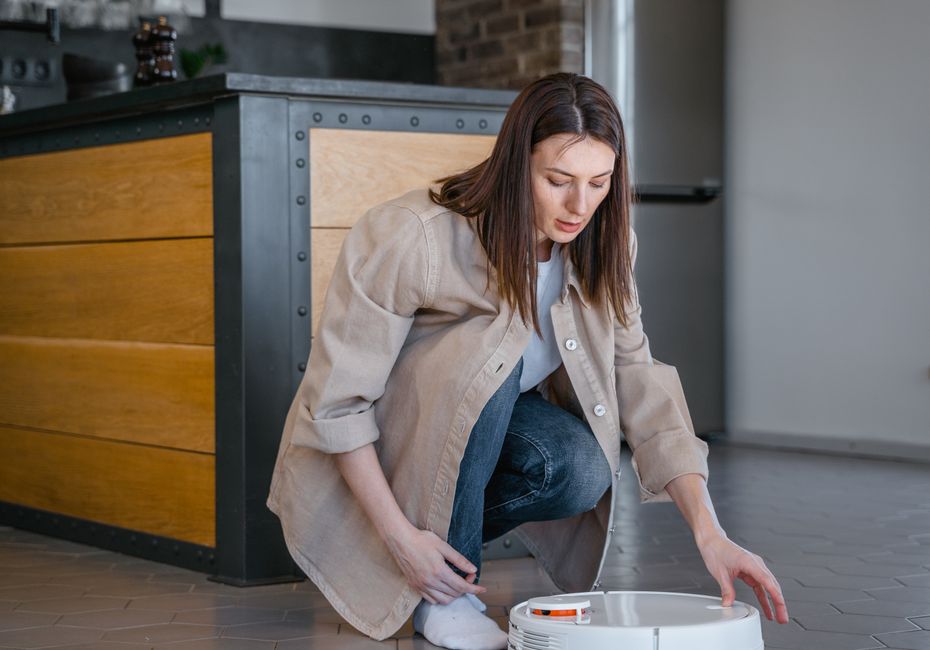
Pet hair presents unique challenges for robot vacuums compared to regular dust and debris. Animal fur wraps around brush rollers, reducing efficiency over time. The hair also clogs sensors and filters faster than standard household dust. Robot vacuums excel at routine maintenance but struggle with heavy shedding periods. Understanding these limitations helps set realistic expectations. Many owners use them alongside traditional vacuums for optimal results.
How Do Robot Vacuum Brushes Handle Pet Hair?
Brush design directly impacts pet hair collection capability. Traditional dual-brush systems use rotating bristles that can tangle with long fur. Newer 2026 models feature hybrid designs combining bristles with rubber rollers. Rubber rollers grip hair better and resist tangling compared to pure bristle brushes. Some premium models include anti-tangle technology that prevents hair from wrapping around the main brush.
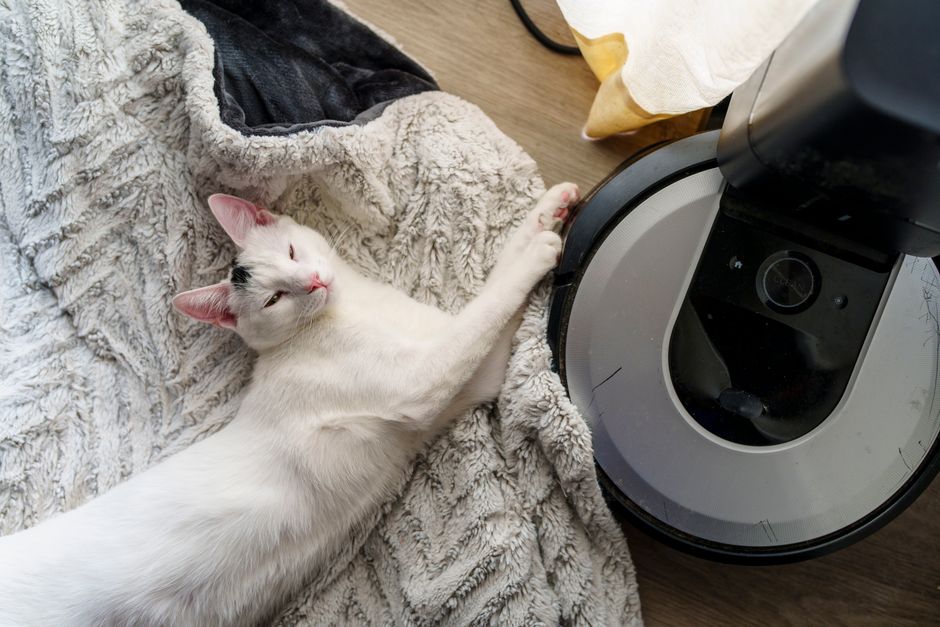
The brush material composition matters significantly for pet owners.
- Rubber rollers: Better grip on pet hair, less tangling than bristles.
- Bristle brushes: Traditional design, effective on hard floors but prone to hair wrapping.
- Hybrid systems: Combine rubber and bristles for versatile cleaning.
- Anti-tangle technology: Cuts hair automatically to prevent buildup.
- Replaceable brush heads: Allow easy maintenance and extended lifespan.
Maintenance Requirements for Pet Hair Removal
Regular cleaning of brushes is essential when owning pets. Most manufacturers recommend weekly brush inspection and cleaning. Hair removal takes 2-3 minutes per cleaning session. Neglecting this step reduces suction power by 30-40% within days. Filters also need more frequent replacement in pet households. Check the dust bin after every run since pet hair fills it faster than regular debris.
Key Takeaway: Hybrid rubber-bristle brushes with anti-tangle technology perform better on pet hair than traditional dual-brush systems.
What Suction Power Do You Need for Pet Hair Removal?
Suction strength directly correlates with pet hair pickup effectiveness. Models rated below 1500 Pa struggle with substantial pet debris. Most pet-friendly robot vacuums in 2026 feature 2000-3000 Pa of suction power. Higher suction compensates for brush limitations and reaches deeper carpet fibers. However, stronger suction drains batteries faster, reducing runtime. Balance between power and battery life determines overall cleaning coverage.
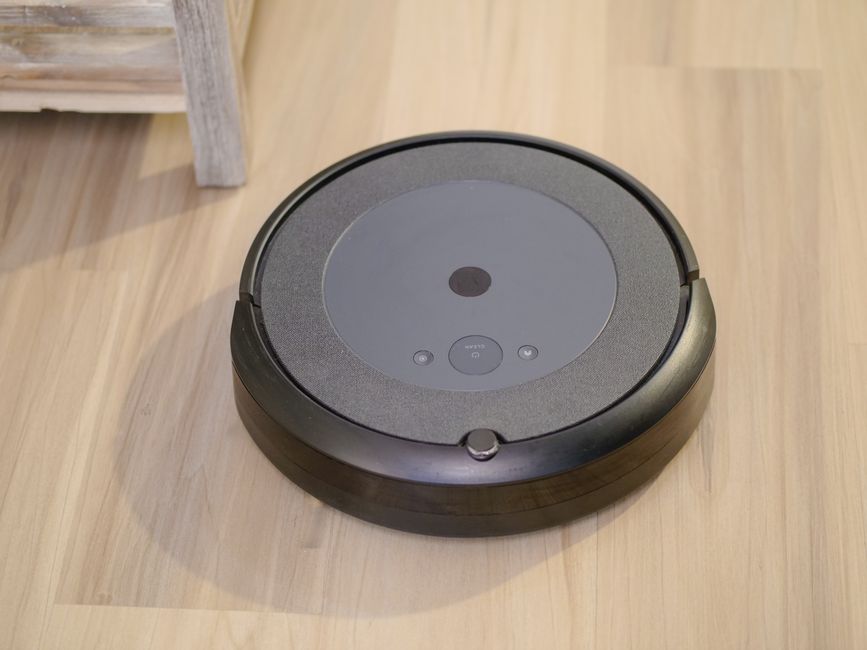
Comparing Suction Ratings for Pet Owners
Understanding suction measurements helps identify suitable models for your situation.
- 1200-1500 Pa: Light pet hair, minimal shedding situations.
- 1500-2000 Pa: Moderate shedding, small pets like cats.
- 2000-2500 Pa: Heavy shedding, multiple pets, recommended for most households.
- 2500-3500 Pa: Maximum pet hair removal, premium models.
- 3500+ Pa: Professional-grade, rarely necessary for residential use.
Higher suction power demands stronger motors and larger batteries. A 2200 Pa model typically offers the best balance for average pet households. It handles daily shedding without excessive battery drain. Premium models exceeding 2800 Pa work best for multi-pet homes with heavy shedding.
Key Takeaway: Aim for 2000-2500 Pa suction power to effectively handle typical pet hair shedding.
Which Pet Types Challenge Robot Vacuums Most?
Different pets shed varying amounts and hair types that affect robot vacuum performance. Long-haired dogs produce more debris than short-haired breeds. Cats shed year-round but in smaller quantities than dogs. The hair length determines how easily it wraps around brushes. Rabbits and other small pets generate minimal but fine hair that clogs filters quickly. Understanding your pet’s shedding patterns helps predict vacuum performance.
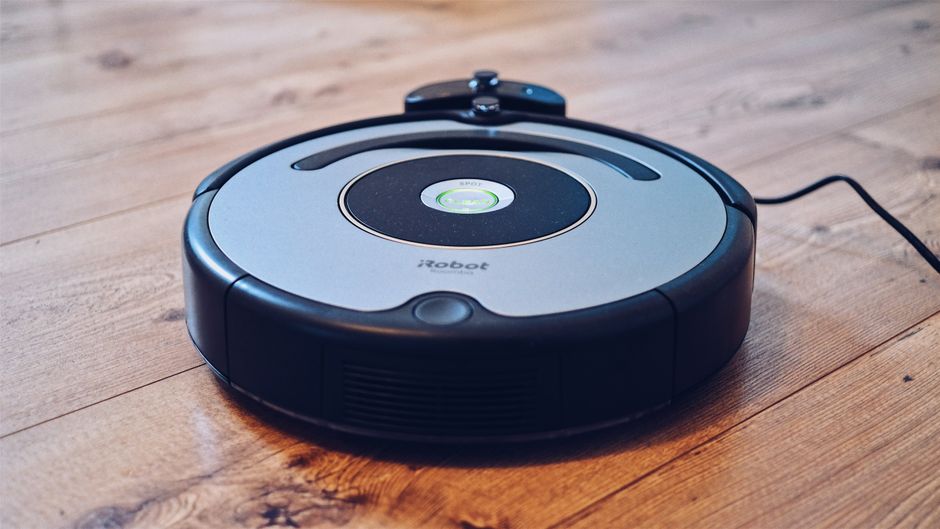
Pet-Specific Shedding Challenges
- Long-haired dogs: Highest shedding volume, frequent brush tangling, weekly maintenance essential.
- Short-haired dogs: Moderate shedding, manageable with standard models, bi-weekly cleaning.
- Cats: Year-round shedding, fine hair clogs filters, monthly filter replacement recommended.
- Multiple pets: Combined shedding exceeds single-pet homes, requires more frequent emptying.
- Seasonal shedding: Spring and fall create temporary peaks requiring daily runs.
Long-haired dog owners face the greatest challenges with robot vacuums. These breeds shed 2-3 times more than short-haired counterparts. Hair easily wraps around brush rollers within 1-2 cleaning cycles. Daily or every-other-day maintenance becomes necessary during peak shedding seasons. Short-haired dogs present fewer problems, allowing weekly cleaning schedules.
Cat owners appreciate that robot vacuums handle feline shedding reasonably well. Cats produce less total hair volume than dogs despite year-round shedding. However, fine cat hair clogs filters faster than larger dog fur. Monthly filter replacements extend vacuum lifespan and maintain performance. Rabbits and small pets require minimal attention since they shed less overall.
Key Takeaway: Long-haired dogs present the greatest challenge; short-haired pets and cats work better with robot vacuums.
How Often Should You Run a Robot Vacuum for Pet Hair?
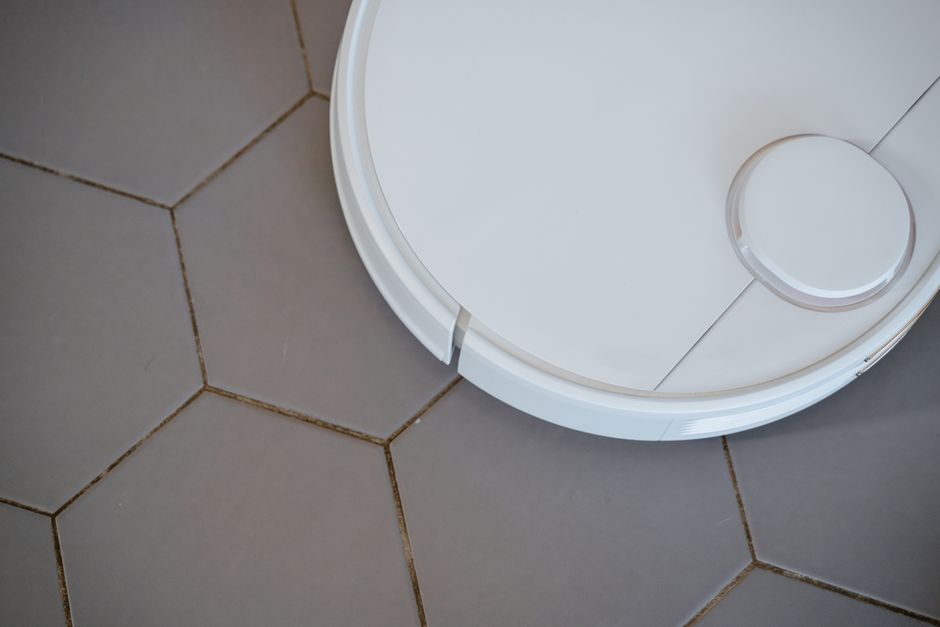
Cleaning frequency depends on pet type, shedding season, and household size. Pet owners should run vacuums daily or every other day during peak shedding. Off-season maintenance requires 3-4 times weekly operation. Daily runs prevent hair accumulation and reduce brush tangling. More frequent operation compensates for the vacuum’s limitations on pet debris. Check our guide on how often you should run a robot vacuum in 2026 for detailed scheduling advice.
Seasonal Adjustments for Pet Shedding
Shedding intensity varies throughout the year, requiring schedule adjustments.
- Spring: Daily operation during heavy shedding season for long-haired pets.
- Summer: Every-other-day runs as shedding decreases moderately.
- Fall: Return to daily operation during secondary shedding period.
- Winter: 3-4 times weekly operation during minimal shedding months.
- Year-round for cats: Consistent 4-5 times weekly operation regardless of season.
Key Takeaway: Increase cleaning frequency during peak shedding seasons to maximize pet hair removal effectiveness.
What Practical Steps Optimize Pet Hair Removal?
Strategic setup and maintenance routines significantly improve robot vacuum performance for pet owners. Start by removing obstacles and clearing floors of large debris. Establish a consistent cleaning schedule matching your pet’s shedding patterns. Invest in a model with easy-access brush compartments for quick maintenance. Position the docking station in a central location for maximum coverage. These actions transform a marginal pet hair cleaner into a reliable maintenance tool.
Actionable Steps for Better Pet Hair Pickup
- Clean brushes weekly by removing tangled hair and debris buildup completely.
- Replace filters monthly during heavy shedding seasons to maintain suction power.
- Empty dust bins after every cleaning cycle to prevent overflow and reduced performance.
- Choose models with 2000+ Pa suction specifically designed for pet environments.
- Run vacuums during peak shedding seasons (spring and fall) on daily schedules.
- Clear floors of toys, cords, and small objects that obstruct cleaning paths.
- Use boundary markers to restrict vacuum to pet-heavy areas during peak times.
- Combine robot vacuum use with traditional vacuuming for optimal results.
Key Takeaway: Consistent maintenance, appropriate suction power, and strategic scheduling maximize pet hair removal performance.
Frequently Asked Questions
Can robot vacuums handle long-haired dog shedding?
Robot vacuums struggle with heavy long-haired dog shedding compared to short-haired breeds. Hair wraps around brushes quickly, requiring frequent cleaning. Daily operation during shedding seasons helps manage volume. However, they work best as supplementary cleaners alongside traditional vacuums for long-haired pets. Hybrid brush designs with anti-tangle technology perform better than traditional models.
How often should you clean a robot vacuum with pets?
Clean brushes weekly when you have pets, compared to monthly for pet-free homes. Check the dust bin after every cleaning cycle since pet hair fills it faster. Replace filters monthly during heavy shedding seasons. Neglecting maintenance reduces suction power by 30-40% within days. Regular cleaning extends vacuum lifespan and maintains consistent pet hair removal performance.
What suction power is best for pet hair?
Aim for 2000-2500 Pa suction power for typical pet households. This range handles daily shedding effectively without excessive battery drain. Models below 1500 Pa struggle with substantial pet debris. Premium models exceeding 2800 Pa suit multi-pet homes with heavy shedding. Balance between power and battery life determines overall cleaning coverage and runtime.
Do robot vacuums work on carpet with pet hair?
Robot vacuums work on carpet with pet hair but with reduced effectiveness compared to hard floors. Carpet fibers trap hair deeper, requiring stronger suction. Thicker carpets challenge robots more than thin pile. They handle light to moderate pet hair on standard carpet adequately. Heavy shedding on thick carpet requires supplementary traditional vacuuming for optimal results.
Which robot vacuum brands perform best for pet hair?
Leading brands like iRobot Roomba, Ecovacs, and Shark offer pet-specific models in 2026. These manufacturers prioritize brush design and suction power for pet environments. Premium models include anti-tangle technology and larger dust bins. Mid-range options provide good performance at reasonable prices. Research reviews from pet owners to identify models matching your specific needs.
Can robot vacuums replace traditional vacuums for pet owners?
Robot vacuums cannot fully replace traditional vacuums for pet owners. They handle routine maintenance and daily debris effectively. However, they lack the power for deep cleaning and heavy shedding periods. Most pet owners use both systems: robots for daily maintenance and traditional vacuums for weekly deep cleaning. This combination approach delivers optimal cleanliness and pet hair management.
Should You Choose a Robot Vacuum if You Have Pets?
Robot vacuums offer practical benefits for pet owners despite their limitations. They provide consistent daily maintenance that reduces visible hair accumulation. Automated scheduling means less manual effort required from you. Modern 2026 models feature improved brushes and stronger suction than previous generations. Pet hair removal effectiveness improved significantly over the past five years. However, they work best as supplementary tools rather than primary cleaning solutions.
Success depends on realistic expectations and proper maintenance commitment. Long-haired dog owners should expect more frequent brush cleaning and maintenance. Short-haired pets and cats integrate better with robot vacuum systems. Combining robot vacuums with traditional vacuuming delivers superior results. The investment makes sense if you value convenience and consistent maintenance. Pet owners willing to perform weekly brush cleaning see the best results.
Consider your pet type, shedding patterns, and home layout before purchasing. Models with 2000+ Pa suction, hybrid brushes, and easy maintenance access perform best. Daily operation during peak shedding seasons maximizes effectiveness. When used strategically, robot vacuums significantly reduce pet hair on floors and furniture. They integrate well into comprehensive pet home cleaning strategies in 2026.
Key Takeaway: Robot vacuums effectively manage pet hair as supplementary cleaners when matched to your pet type and combined with regular maintenance.


Write Your Review
No reviews yet. Be the first to share your experience!