
How Does a Robot Vacuum Navigate Your Home in 2026?
Quick Answer: Modern robot vacuums navigate using advanced sensor technology including LIDAR (Light Detection and Ranging), cameras, and artificial intelligence to map your home in real-time. These devices create detailed floor plans, identify obstacles, and calculate the most efficient cleaning paths. In 2026, most premium models combine multiple navigation systems for accuracy and reliability. They communicate with your smartphone and smart home ecosystem, allowing remote control and scheduling. Advanced AI learns your home’s layout over multiple cleaning sessions, continuously improving navigation efficiency and coverage.
Robot vacuums have evolved dramatically since their introduction. Early models relied on simple bump-and-turn algorithms, randomly bouncing around rooms. Today’s intelligent vacuums use sophisticated mapping and planning technology that rivals professional robotics. Understanding how these devices navigate helps you choose the right model for your home and maximize cleaning performance. The technology behind robot vacuum navigation is both fascinating and practical for modern homeowners.
What Navigation Technologies Do Modern Robot Vacuums Use?
Robot vacuums in 2026 employ several complementary navigation systems working together. LIDAR technology projects infrared light beams to measure distances and create 3D maps of your space. Cameras capture visual information about room layout, furniture, and obstacles. Gyroscopes and accelerometers track movement and orientation. Cliff sensors prevent falls down stairs. Bumper sensors detect physical collisions. This multi-sensor approach ensures accurate navigation even in challenging environments.
LIDAR and Laser Mapping Systems
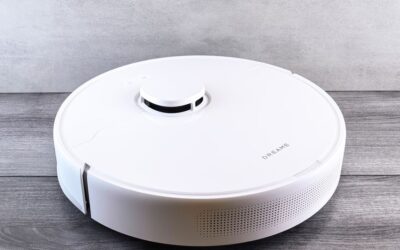
LIDAR remains the gold standard for robot vacuum navigation. The system spins a laser on the vacuum’s top, measuring distances to walls, furniture, and objects in milliseconds. This creates a precise 360-degree map of your room. LIDAR works effectively in darkness and doesn’t require visible light. It’s particularly accurate for identifying room boundaries and creating efficient cleaning paths. Premium models use multiple LIDAR sensors for redundancy and improved accuracy.
- LIDAR scans up to 360 degrees in real-time.
- Creates millimeter-accurate distance measurements.
- Functions independently of lighting conditions.
- Enables efficient room-by-room mapping.
- Provides data 25+ times per second for continuous updates.
Key Takeaway: LIDAR technology is the primary navigation method for accurate home mapping and obstacle detection.
Camera-Based Vision Systems
Many 2026 robot vacuums incorporate downward-facing and forward-facing cameras. These cameras help identify specific obstacles like cables, pet toys, and furniture legs. Advanced computer vision algorithms process camera data in real-time. Some models use cameras to detect room types—distinguishing kitchens from bedrooms based on visual features. Camera systems complement LIDAR by providing additional context about your home’s environment. This dual-sensor approach improves navigation reliability and obstacle avoidance.
Key Takeaway: Cameras provide visual obstacle detection and room-type identification that enhances LIDAR-based navigation.
How Do Robot Vacuums Create and Use Floor Maps?
Modern robot vacuums create detailed digital floor maps during their first cleaning session. The vacuum systematically covers your home while its sensors continuously gather data. Specialized mapping software processes this sensor information and generates a 2D or 3D representation of your floor plan. The device identifies room boundaries, door openings, and furniture placement. This map persists in the vacuum’s memory, allowing faster navigation on subsequent cleaning sessions. Many models allow you to view and edit these maps through smartphone apps.
Real-Time Simultaneous Localization and Mapping (SLAM)
SLAM technology is the brain behind robot vacuum navigation. This algorithm simultaneously builds a map of your home while tracking the vacuum’s position within that map. The vacuum uses previous sensor data to predict its current location, then updates predictions based on new sensor readings. SLAM algorithms run continuously during cleaning, refining the map with each pass. This approach is computationally intensive but incredibly accurate. Modern processors in robot vacuums handle SLAM calculations efficiently, updating maps dozens of times per second.
- Builds maps while simultaneously tracking vacuum position.
- Uses sensor fusion to combine data from multiple sources.
- Updates continuously for improved accuracy over time.
- Handles dynamic environments with moving obstacles.
- Enables efficient path planning and coverage optimization.
Multi-Floor and Multi-Room Mapping
Premium robot vacuums in 2026 can manage multiple floors and complex home layouts. The device creates separate maps for each floor, storing them independently. You can assign names to rooms—”Master Bedroom,” “Kitchen,” “Living Room”—through the smartphone app. The vacuum learns which rooms connect to which, understanding your home’s topology. This allows targeted cleaning of specific rooms without cleaning the entire house. Some models even recognize room types automatically, adjusting suction power based on floor type detected in each room.
Key Takeaway: Advanced mapping systems create detailed floor plans that enable room-specific cleaning and efficient navigation across multiple levels.
How Does a Robot Vacuum Avoid Obstacles and Navigate Around Furniture?
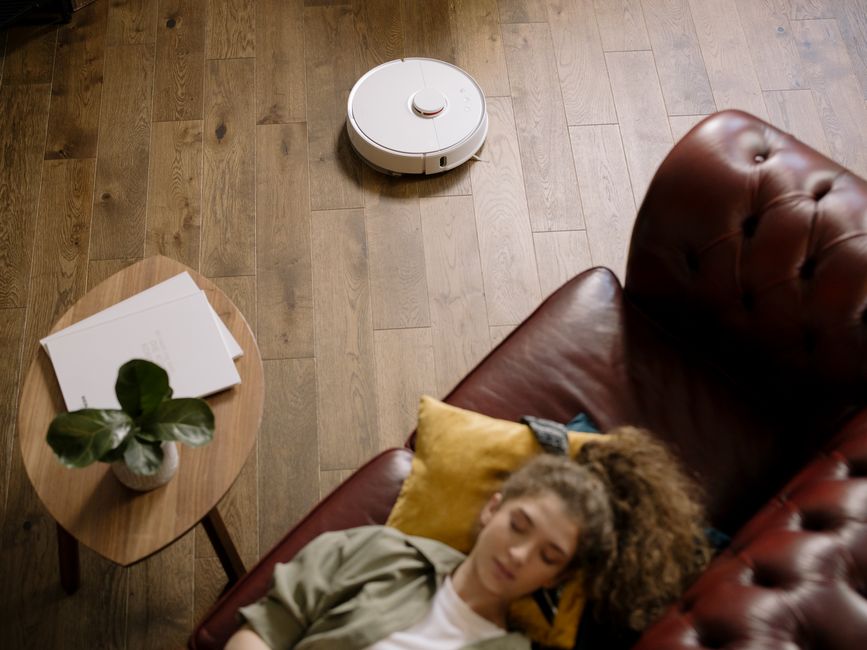
Obstacle avoidance is critical for safe robot vacuum operation. Modern devices use multiple sensor types to detect and avoid collisions. Cliff sensors prevent the vacuum from falling down stairs. Bumper sensors trigger when the device touches furniture. Forward-facing cameras identify obstacles before physical contact. LIDAR provides advance warning of walls and large objects. This redundant approach ensures the vacuum rarely collides with furniture or gets stuck. Advanced models use predictive algorithms that anticipate obstacles based on learned home layouts.
Cliff Detection and Stair Safety
Cliff sensors are infrared-based systems mounted on the vacuum’s underside. These sensors emit infrared light downward and measure reflection time. When the vacuum approaches a stair edge or drop-off, the reflection pattern changes. The device immediately stops and reverses direction. This prevents catastrophic falls that could damage the vacuum and your stairs. Most modern robot vacuums have multiple cliff sensors for comprehensive coverage. Some premium models add additional safety features like edge-mapping technology that learns stair locations and avoids them entirely.
Intelligent Obstacle Identification
In 2026, robot vacuums use artificial intelligence to distinguish between different obstacle types. The device might recognize a pet toy, a power cable, or a shoe. Advanced models adjust their behavior based on obstacle type—gently bumping into soft obstacles while avoiding hard furniture. Some vacuums even identify pet waste or liquids and stop cleaning immediately. Computer vision systems trained on millions of images can classify obstacles with remarkable accuracy. This intelligent approach prevents damage to your belongings and ensures safer operation around pets and children.
- AI identifies specific object types using trained visual models.
- Adjusts vacuum behavior based on obstacle classification.
- Recognizes hazards like pet waste or liquid spills.
- Learns individual home environments over multiple cleaning sessions.
- Prevents damage through predictive obstacle avoidance.
Key Takeaway: Multi-sensor obstacle detection combined with AI ensures safe navigation and intelligent responses to different obstacle types.
What Smart Home Integration Features Enable Remote Navigation Control?
Robot vacuums in 2026 integrate seamlessly with popular smart home platforms including Amazon Alexa, Google Home, and Apple HomeKit. These integrations allow voice control—simply say “start cleaning the kitchen” and the vacuum begins. Smartphone apps provide real-time location tracking, showing exactly where your vacuum is cleaning. You can set up virtual boundaries (no-go zones) through the app, preventing the vacuum from entering specific areas. Scheduling features allow automatic cleaning at specific times. Some models integrate with other smart home devices, pausing cleaning when doorbell cameras detect visitors.
Geofencing and Location-Based Automation
Geofencing technology uses your smartphone’s GPS location to trigger automated vacuum actions. When you leave home, the vacuum automatically starts cleaning. As you approach home, it returns to its dock. This hands-free automation ensures your home is always clean without manual intervention. The technology requires the vacuum to connect to your home WiFi and your smartphone to have location services enabled. Privacy-conscious users can disable geofencing while retaining manual control. Some models allow multiple family members’ phones to trigger geofencing events, providing flexibility for households with varying schedules.
App-Based Navigation and Monitoring
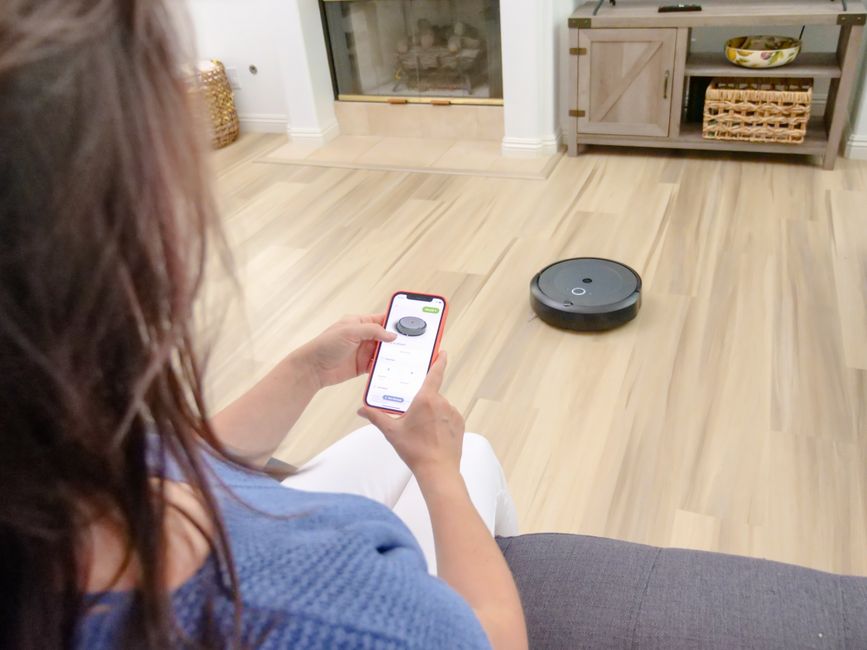
Smartphone apps provide unprecedented control over robot vacuum navigation. Live maps display the vacuum’s real-time location and cleaning progress. You can view which rooms have been cleaned and which still need attention. Some apps allow you to draw custom cleaning zones on your floor map. The vacuum will prioritize these zones during the next cleaning session. Historical data shows cleaning patterns over time, helping you optimize schedules. Push notifications alert you when cleaning is complete or if the vacuum encounters problems. Premium apps even allow remote control, letting you steer the vacuum manually from your phone.
- Real-time location tracking on interactive floor maps.
- Custom zone drawing for targeted cleaning areas.
- Historical data analysis for optimization insights.
- Push notifications for cleaning status and alerts.
- Remote manual steering on premium models.
- Integration with voice assistants for hands-free control.
Key Takeaway: Smart home integration enables remote control, automated scheduling, and intelligent navigation through smartphone apps and voice assistants.
How Can You Optimize Robot Vacuum Navigation in Your Home?
Proper home preparation dramatically improves robot vacuum navigation and cleaning effectiveness. Before your first cleaning session, remove obstacles from the floor. Tuck away power cables, pick up toys, and move small furniture. Close doors to rooms you don’t want cleaned. This allows the vacuum to focus on mapping your primary living spaces. Clear the area around the charging dock so the vacuum can dock easily. These simple steps prevent the vacuum from getting stuck or confused during the critical initial mapping phase.
Practical Setup Steps for Better Navigation
- Remove floor obstacles including cables, toys, and small items.
- Close doors to rooms you want to exclude from cleaning.
- Clear a 1.5-meter radius around the charging dock.
- Identify and note any areas prone to trapping vacuums.
- Test navigation in low-traffic mode before full cleaning sessions.
- Review and edit the digital floor map through the smartphone app.
- Set up no-go zones for areas with hazards or delicate items.
Ongoing Maintenance for Consistent Navigation
Regular maintenance ensures your robot vacuum maintains optimal navigation performance. Keep the LIDAR window clean by wiping it gently with a dry cloth monthly. Dusty LIDAR sensors can reduce mapping accuracy. Check cliff sensors periodically to ensure they’re functioning correctly. Clean the wheels and undercarriage to remove hair and debris that might affect movement. Update the vacuum’s firmware regularly, as manufacturers often release navigation improvements and bug fixes. Seasonal cleaning of the entire unit helps maintain sensor accuracy and overall performance.
Key Takeaway: Proper setup and regular maintenance ensure accurate navigation and consistent cleaning performance over time.
What Are Common Navigation Challenges and How to Address Them?
Even advanced robot vacuums face occasional navigation challenges. Dark or reflective floors can confuse some sensors. Mirrors and glass doors might be misidentified. Complex room layouts with many obstacles require more mapping time. Carpeted areas might present different navigation challenges than hard floors. Understanding these challenges helps you troubleshoot issues when they arise. Most problems have straightforward solutions involving minor home adjustments or app settings modifications. Manufacturer support teams can provide specific guidance for persistent navigation issues.
Dealing with Dark Floors and Reflective Surfaces
Dark hardwood or tile floors can reduce cliff sensor effectiveness because they reflect less infrared light. The vacuum might incorrectly identify a dark floor as a cliff edge. Reflective surfaces like mirrors or glass can confuse cameras and LIDAR sensors. To address these issues, ensure adequate room lighting during initial mapping. Some users place temporary tape markers on dark floors to help sensors distinguish floor levels. Adjusting cliff sensor sensitivity through the app can help. Modern models handle these challenges better than older designs, but awareness helps set realistic expectations.
Managing Complex Room Layouts
Open-plan homes and rooms with many obstacles require more initial mapping time. The vacuum needs multiple passes to fully understand the space. Hallways with doors on both sides can confuse mapping algorithms. Rooms with significant furniture clustering might take longer to navigate efficiently. Allow your vacuum extra time during the first few cleaning sessions. The device learns and improves with each pass. Editing the digital floor map to manually correct any errors helps the vacuum learn faster. Some users find that running the vacuum without the dock nearby during initial mapping improves performance.
Key Takeaway: Understanding common navigation challenges and implementing simple solutions ensures reliable vacuum operation in diverse home environments.
How Does Artificial Intelligence Improve Robot Vacuum Navigation Over Time?
Artificial intelligence is transforming robot vacuum navigation in 2026. Machine learning algorithms analyze cleaning patterns and environmental data to continuously improve navigation efficiency. The vacuum learns which areas of your home accumulate more dust. It identifies furniture that frequently blocks pathways and adjusts routes accordingly. Over multiple cleaning sessions, the AI develops a sophisticated understanding of your home’s unique characteristics. This personalization means the vacuum becomes more efficient the longer you own it. Cloud-based AI analysis on manufacturer servers can provide additional insights, though some users prefer local processing for privacy reasons.
Predictive Navigation and Path Optimization
Advanced AI predicts optimal cleaning paths based on historical data and home layout. Instead of randomly covering your home, the vacuum calculates the most efficient route. This reduces cleaning time while ensuring comprehensive coverage. The AI considers factors like room size, furniture placement, and traffic patterns. It might prioritize high-traffic areas or rooms where you spend the most time. Some models even adjust cleaning intensity based on predicted dirt accumulation. This intelligent approach saves time and energy while delivering superior cleaning results. The longer you use the vacuum, the better these predictions become.
- Learns optimal cleaning routes from historical data.
- Prioritizes high-traffic and frequently-used areas.
- Adjusts cleaning intensity based on predicted dirt levels.
- Identifies and avoids problem areas automatically.
- Continuously refines navigation based on sensor feedback.
- Adapts to seasonal changes and home modifications.
Adaptive Learning and Personalization
Your robot vacuum learns your lifestyle and home habits. If you always have guests on weekends, the AI might schedule extra cleaning before those days. If certain rooms rarely need cleaning, the vacuum reduces attention to those areas. Seasonal patterns are recognized—more cleaning during fall when leaves track indoors. The device even learns about family routines, avoiding areas when children are napping. This personalization makes the vacuum feel tailored to your specific needs. Over months and years, the accumulated learning creates a highly efficient cleaning system unique to your home.
Key Takeaway: Artificial intelligence enables continuous improvement in navigation efficiency and cleaning effectiveness through adaptive learning.
Frequently Asked Questions
Can robot vacuums navigate multiple floors?
Yes, premium robot vacuums in 2026 can navigate multiple floors by creating separate maps for each level. You manually carry the vacuum between floors, or some advanced models can climb stairs independently. The device stores separate maps in memory and can switch between them. This allows efficient cleaning of multi-story homes without manual intervention between floors. Most models support two to four floor maps simultaneously.
What happens if a robot vacuum gets stuck?
Modern robot vacuums have multiple mechanisms to prevent getting stuck. Cliff sensors prevent falls, bumper sensors detect collisions, and AI predicts obstacles. If the vacuum does get stuck, it will alert you through the smartphone app. You can then manually free it and adjust settings to prevent recurrence. Most vacuums can reverse out of minor stuck situations automatically. Virtual no-go zones help prevent getting stuck in the same location repeatedly.
How accurate is robot vacuum navigation?
LIDAR-based navigation is extremely accurate, typically within 1-2 centimeters of actual position. Camera systems add additional accuracy. The combination of multiple sensors provides redundancy and reliability. Navigation accuracy improves over multiple cleaning sessions as the AI learns your home. Environmental factors like lighting and floor type can affect accuracy slightly, but modern systems handle diverse conditions effectively.
Do robot vacuums work in the dark?
Yes, LIDAR-based navigation works perfectly in darkness since it uses infrared light. Camera-based systems require some ambient light to function optimally. Most robot vacuums can clean in darkness, though some features like room-type detection work better with lighting. If your home is very dark, ensure adequate lighting during initial mapping for best results.
Can you customize no-go zones in robot vacuums?
Absolutely. Most smartphone apps allow you to draw custom no-go zones on your floor map. The vacuum will avoid these areas during cleaning. This is useful for protecting delicate items, keeping the vacuum away from pet areas, or excluding rooms under renovation. You can adjust no-go zones anytime through the app.
How often should you update robot vacuum maps?
Robot vacuums update their maps automatically during each cleaning session. You don’t need to manually update maps unless you make significant home changes like moving walls or large furniture. If you rearrange furniture, run the vacuum in mapping mode once to refresh its understanding of the space. Most devices handle gradual changes automatically through continuous learning.
How Do Robot Vacuum Navigation Systems Compare to Traditional Vacuum Cleaning Methods?
Robot vacuums offer fundamentally different cleaning approaches compared to traditional vacuums. Traditional vacuums require manual operation and decision-making about which areas to clean. Robot vacuums use intelligent algorithms to optimize coverage and efficiency. They clean consistently and predictably, following programmed schedules. Modern robot vacuums achieve comparable or superior cleaning results in many homes while requiring minimal human intervention. The trade-off is that robot vacuums work best in homes with clear floors and regular maintenance. They complement rather than replace traditional vacuums for deep cleaning or stairs.
The technology powering robot vacuum navigation represents a significant achievement in robotics and artificial intelligence. These devices successfully navigate complex home environments, learning and adapting to unique layouts and lifestyles. In 2026, robot vacuum navigation technology has matured to the point where it’s reliable and effective for most homeowners. As AI and sensor technology continue advancing, navigation capabilities will become even more sophisticated. Understanding how these systems work helps you make informed decisions about which vacuum suits your home best. The combination of LIDAR, cameras, AI, and smart home integration creates cleaning systems that are both intelligent and practical for modern living.
Key Takeaway: Robot vacuum navigation combines multiple sensor technologies and artificial intelligence to create efficient, autonomous cleaning systems that continuously improve through learning.
Write Your Review
No reviews yet. Be the first to share your experience!