

What Is Net Metering 2026 and How Does It Affect Your Solar Savings?
Net metering in 2026 remains a critical mechanism for solar homeowners to maximize their energy savings, though policy changes are reshaping how credits work across many states. Net metering allows you to send excess solar energy back to the grid and receive credits on your electricity bill at the retail rate, effectively running your meter backward when your panels produce more than you consume. In May 2026, the net metering landscape has evolved significantly from previous years. Some states have implemented net metering 2.0 policies that reduce credit rates or introduce time-of-use compensation, meaning the value of your exported solar energy now depends on when you send it to the grid. The key takeaway: while net metering still provides substantial savings for solar owners, the financial benefits vary dramatically by location and timing. Understanding your specific state’s net metering policy is essential for accurately calculating your solar ROI. States like California have transitioned to net billing arrangements where solar exports receive lower compensation rates than retail electricity rates. Conversely, other states maintain traditional net metering with full retail credit rates. This shift means that solar savings projections from 2024 may no longer accurately reflect 2026 economics. Your actual savings depend on your utility’s net metering rules, your local electricity rates, and your household’s energy consumption patterns. Homeowners should verify their state’s current net metering policy before investing in solar installation to ensure accurate financial projections.
How Have Net Metering Policies Changed Between 2024 and 2026?
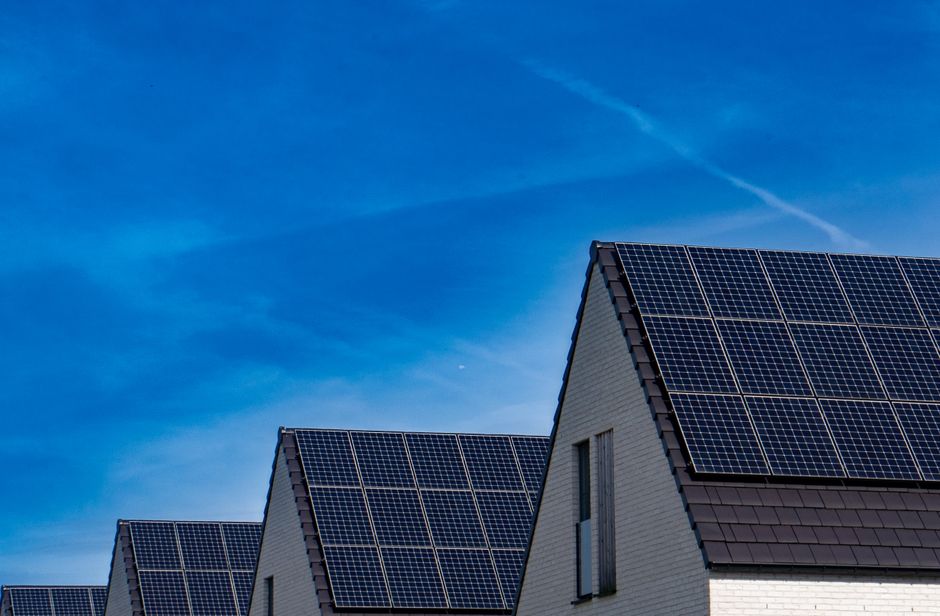
The evolution of net metering policies from 2024 to 2026 reflects a fundamental shift in how utilities compensate solar owners. Many states have moved away from traditional net metering toward more complex compensation structures that better reflect the time and location value of exported electricity.
State-by-State Policy Shifts
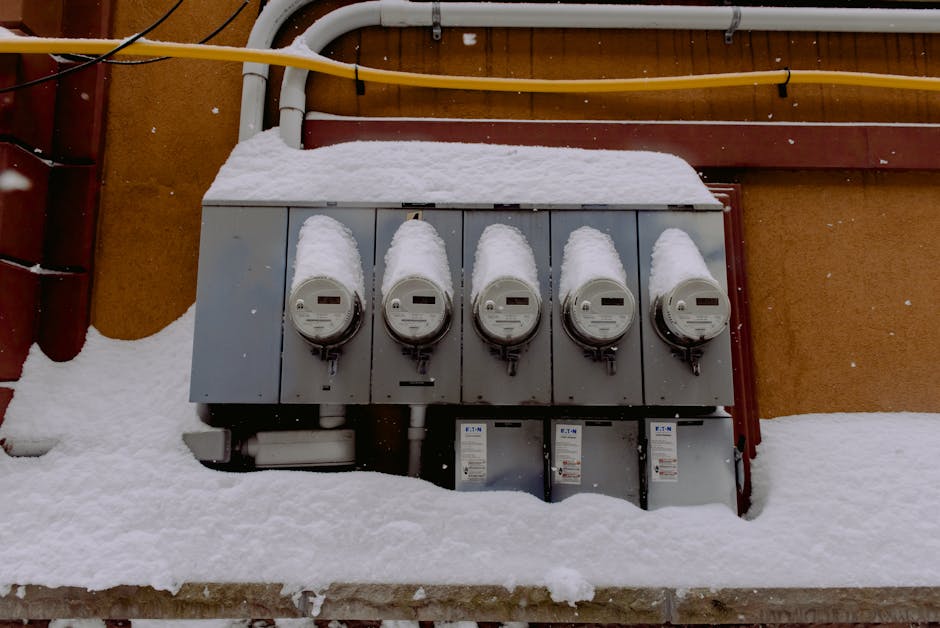
In 2024, approximately 38 states offered some form of net metering protection. By May 2026, this landscape has become more fragmented. California’s transition to net billing represents the most significant change, where solar exports are now compensated at rates significantly lower than retail electricity prices—sometimes 50-75% less than the rate you pay for imported power. This has reduced solar payback periods in California from 7-9 years to 10-13 years for many homeowners. Other states including New York, Massachusetts, and Colorado have implemented variations of net metering 2.0 policies that introduce time-of-use rates or seasonal adjustments. These policies attempt to align compensation rates with actual grid conditions. During peak demand periods, your exported solar energy may be worth more; during low-demand periods, it may be worth less. States like Texas and Florida have maintained relatively favorable net metering policies, making them increasingly attractive for solar investment. However, even these states have introduced minor modifications to prevent grid destabilization from high solar penetration rates.
Utility Company Responses
Utility companies have become more aggressive in 2026 regarding net metering modifications. Many utilities argue that traditional net metering unfairly shifts grid maintenance costs to non-solar customers. This argument has gained traction with regulatory commissions, leading to policy changes that reduce solar owner compensation. Some utilities have introduced demand charges or fixed fees specifically targeting solar customers, effectively reducing the financial benefit of net metering. These fees can range from $5 to $30 monthly depending on system size and location.
What Are the Financial Impacts of 2026 Net Metering Changes on Solar ROI?
The financial implications of net metering changes in 2026 are substantial and directly affect your solar investment’s return. Understanding these impacts requires analyzing how policy changes translate to actual dollar savings over your system’s 25-30 year lifespan.

Reduced Payback Periods in Key Markets
In states that have reduced net metering compensation rates, solar payback periods have extended significantly. California homeowners who expected 7-year payback periods in 2024 are now looking at 11-14 year payback periods in 2026, assuming current electricity rates remain stable. This 40-50% increase in payback time substantially impacts the financial attractiveness of solar investment. However, it’s important to note that even with extended payback periods, solar systems typically generate positive returns over their 25-year lifespan. The total lifetime savings may decrease by 20-30% compared to 2024 projections, but they remain substantial. For example, a California homeowner who previously expected $150,000 in lifetime savings might now expect $105,000-120,000 with 2026 net metering policies. This reduction is significant but doesn’t eliminate solar’s financial case. The impact varies based on your specific utility rate structure, local electricity rate escalation, and system size. Larger systems in high-rate areas maintain better economics than smaller systems in low-rate regions.
Regional Variations in Net Metering Value
The value of net metering credits in May 2026 varies dramatically by region. States with high retail electricity rates and favorable net metering policies offer the strongest solar economics. Hawaii, Massachusetts, and Rhode Island maintain net metering policies with high compensation rates, making solar particularly attractive in these states. Conversely, states with low electricity rates and reduced net metering compensation offer weaker solar economics. However, even in these states, solar ROI remains positive when accounting for federal tax credits and state incentives. The Federal Smart Home Tax Credits 2026 List provides comprehensive information on available incentives that can offset net metering compensation reductions. Federal tax credits of 30% for solar installations remain available through 2026, which significantly improves solar ROI even in states with reduced net metering compensation. Some states offer additional rebates or performance-based incentives that further enhance solar economics. Understanding your complete incentive package is essential for accurate ROI calculations in the 2026 net metering environment.
How Can You Maximize Solar Savings Despite 2026 Net Metering Changes?
While net metering compensation has declined in many states, multiple strategies can help you maximize solar savings and maintain strong financial returns in 2026. These approaches focus on optimizing your solar system’s performance and consumption patterns to work effectively within the new policy landscape.
Optimize Your System Size and Consumption Patterns
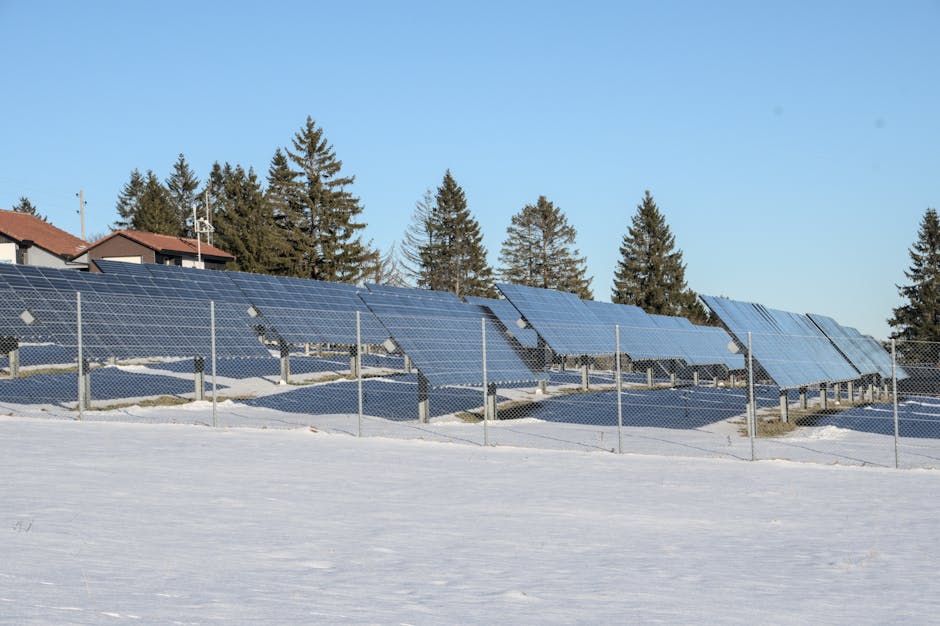
The most important strategy for maximizing 2026 solar savings is right-sizing your system to match your actual energy consumption rather than maximizing system size. In the era of reduced net metering compensation, exporting excess solar energy at low rates provides poor financial returns. Instead, design your system to produce approximately 80-90% of your annual electricity consumption. This approach ensures most of your solar production directly offsets your retail electricity consumption rather than exporting at reduced rates. If you currently have or plan to install an electric vehicle, consider sizing your solar system larger to account for EV charging loads. Smart EV Charging Based on Time-of-Use Rates in 2026 provides detailed guidance on aligning EV charging with solar production. By charging your vehicle during peak solar production hours, you maximize the value of your solar energy by avoiding retail electricity purchases during expensive peak rate periods. Time-of-use optimization has become increasingly important in 2026 as more utilities implement rate structures that vary by hour or season. Understanding your utility’s rate schedule and aligning consumption with low-cost periods amplifies your net metering benefits. Many utilities offer free rate analysis tools that show when electricity costs the most and least.
Implement Energy Storage Solutions
Battery storage has become a critical component of solar strategies in 2026, particularly in states with reduced net metering compensation. Home batteries allow you to store excess solar energy and use it during evening hours when electricity rates are typically highest. This strategy effectively increases the value of your solar production by 40-60% compared to exporting energy at reduced net metering rates. A 10-15 kWh battery system costs $8,000-15,000 after installation, but can reduce your payback period by 2-3 years in states with poor net metering compensation. The Using EV Battery as Home Energy Storage Backup in 2026 guide explains how vehicle batteries can supplement home storage. If you own an electric vehicle, its battery can serve as backup home power storage during outages or peak rate periods, effectively creating additional storage capacity without separate battery system costs. This dual-purpose approach maximizes your renewable energy investment. In May 2026, battery costs have declined approximately 15-20% compared to 2024 levels, making energy storage increasingly economically viable for solar owners. Federal tax credits now extend to battery installations, covering 30% of battery system costs when paired with solar. This incentive significantly improves battery economics.
Leverage Smart Home Technologies
Smart home technologies enable sophisticated energy management that maximizes the value of your solar production in 2026. How Does a Smart Meter Work with Solar in 2026 explains how advanced metering enables real-time optimization. Smart meters provide detailed consumption data that helps identify opportunities to shift usage to solar production hours. Smart Thermostat Energy Savings Percentage by Brand in 2026 offers a comprehensive comparison of thermostats that can shift HVAC consumption to align with solar production. Smart thermostats can pre-cool or pre-heat your home during peak solar production hours, effectively storing thermal energy and reducing evening electricity consumption. This strategy is particularly effective in climates with significant daily temperature variations. How AI Predictive Modeling Optimizes Energy in 2026 provides insights into AI-driven optimization systems. Artificial intelligence-powered energy management systems can predict solar production based on weather forecasts and automatically shift flexible loads like water heater operation, pool pumps, and EV charging to maximize solar utilization. These systems typically reduce grid electricity consumption by 10-15% compared to manual optimization. Smart home automation platforms in 2026 now integrate seamlessly with most solar monitoring systems, enabling automated optimization without manual intervention.
Evaluate Your Electricity Rate Structure
Understanding and potentially switching to favorable rate plans is crucial for maximizing 2026 solar savings. Many utilities offer time-of-use rates that provide substantial discounts during off-peak hours. For solar owners, these rates are particularly valuable because they create higher peak-rate electricity costs that your solar production can offset. If your utility offers optional time-of-use rates, analyze whether switching improves your overall electricity costs. Some solar owners benefit from switching to time-of-use rates despite higher peak rates because their solar production concentrates during peak-rate hours. Others benefit from flat-rate structures despite higher average rates. The calculation depends on your specific consumption patterns and solar production profile. Request a detailed rate comparison from your utility showing your estimated annual costs under different rate structures. Many utilities provide this analysis free of charge. This analysis should account for your solar production profile, not just your pre-solar consumption patterns.
What Common Mistakes Should You Avoid With 2026 Net Metering?
Understanding common mistakes helps you avoid reducing your solar savings in the 2026 net metering environment. Many solar owners make decisions based on outdated 2024 information that no longer applies.

Oversizing Your System
The most common mistake is oversizing your solar system based on 2024 net metering economics. In the era of reduced net metering compensation, installing a system significantly larger than your consumption creates excess exports that receive poor compensation rates. A system sized to produce 120% of your consumption in a state with 50% net metering compensation rates provides worse returns than a system sized to 90% of consumption. Calculate your actual electricity consumption over the past 12 months and design your system to produce 80-100% of that amount, accounting for future consumption increases from vehicle electrification or heat pump installation.
Ignoring Time-of-Use Rate Impacts
Many solar owners fail to account for time-of-use rate structures when calculating net metering benefits. If your utility implements time-of-use rates after you install solar, the value of your solar production changes. Solar production concentrated during peak-rate hours becomes more valuable, while solar production during low-rate hours becomes less valuable. Evaluate whether your utility plans to implement time-of-use rates and how those rates would affect your solar economics. Some solar owners have discovered that their solar savings declined significantly when utilities switched to time-of-use rates, despite no changes to their solar systems.
Neglecting Energy Efficiency Improvements
Focusing exclusively on solar while ignoring energy efficiency is a critical mistake in 2026. Every kilowatt-hour you save through efficiency improvements is more valuable than every kilowatt-hour your solar system produces, because saved energy doesn’t require investment in solar capacity. Improving your home’s insulation, upgrading to efficient HVAC systems, and installing efficient lighting typically costs less than solar and provides faster payback periods. A comprehensive approach combines reasonable energy efficiency improvements with appropriately sized solar systems for maximum financial returns.
How Does 2026 Net Metering Compare to Battery Storage Economics?
The comparison between net metering and battery storage has shifted dramatically in 2026, making battery storage increasingly attractive in many markets. Understanding this comparison helps you determine the optimal energy strategy for your home.
In states with traditional net metering at full retail rates, exporting solar energy provides excellent returns that compete favorably with battery storage. However, in states with reduced net metering compensation, battery storage often provides better financial returns than exporting excess solar energy. A battery system that stores excess solar energy for evening use effectively increases the value of that energy by 50-100% compared to exporting at reduced net metering rates. In California, where net metering compensation is approximately 50% of retail rates, a battery system that stores $1 worth of solar energy and uses it during peak evening rates generates $1.50-2.00 in avoided electricity costs. This superior economics explains the dramatic increase in battery installations in states with reduced net metering compensation. However, battery storage requires significant upfront investment ($8,000-15,000 for a 10-15 kWh system) compared to no additional cost for net metering. The payback period for battery storage in 2026 typically ranges from 7-12 years depending on your location and electricity rate structure. Federal tax credits of 30% for battery systems improve economics by $2,400-4,500 for typical installations. The optimal strategy for most homeowners involves a combination of appropriately sized solar and modest battery storage rather than maximizing either technology independently.
Frequently Asked Questions
How much has net metering compensation declined in 2026 compared to 2024?
Net metering compensation has declined 20-50% in states that implemented policy changes between 2024 and 2026, with California experiencing the most dramatic reduction. States maintaining traditional net metering have seen no changes. The decline varies by utility and state, ranging from 5% in some regions to 60% in others. Check your specific utility’s net metering policy for exact compensation rates applicable to your home.
Should I install solar in 2026 if my state has reduced net metering compensation?
Yes, solar remains financially attractive in 2026 even with reduced net metering compensation, particularly when accounting for 30% federal tax credits and state incentives. Payback periods have extended from 7-9 years to 10-13 years in some states, but lifetime savings remain substantial. Analyze your specific utility rates and incentive programs to confirm positive ROI before installation.
What is the best battery size to pair with solar in 2026?
A battery system sized to store 3-5 hours of your peak evening electricity consumption typically provides optimal economics in 2026. For most homes, this translates to 10-15 kWh of usable storage capacity. This size captures the highest-value electricity hours while minimizing battery investment. Larger systems provide additional benefits but require longer payback periods.
Will net metering policies change again before 2027?
Net metering policies continue to evolve as utilities and regulators respond to increasing solar penetration. Additional changes are likely in some states before 2027, though major policy shifts typically occur on 3-5 year cycles. Monitor your utility’s regulatory filings and state energy commission notices for proposed changes that could affect your solar investment.
How do I calculate my actual solar savings with 2026 net metering rates?
Request a detailed net metering rate schedule from your utility showing compensation rates by time period. Calculate your solar production profile using your system specifications and local solar resource data. Multiply your exported energy by applicable compensation rates and your consumed energy by your retail rates to determine total annual savings. Account for degradation and maintenance costs.
Is solar still worth it if I can’t install batteries in 2026?
Solar remains worthwhile without batteries in 2026 for most homeowners, though battery storage significantly improves returns in states with reduced net metering compensation. In states maintaining traditional net metering, solar without batteries provides excellent returns. In states with poor net metering rates, solar without batteries has extended payback periods but still generates positive lifetime returns when accounting for incentives.
What Is the Best Strategy for Maximizing Solar Savings in the 2026 Net Metering Environment?
The optimal strategy for maximizing solar savings in May 2026 involves a comprehensive approach that accounts for your specific location’s net metering policy, electricity rates, and incentive programs. Rather than focusing exclusively on system size or technology selection, successful solar owners in 2026 adopt integrated strategies that optimize multiple variables simultaneously.
Begin by conducting a detailed analysis of your utility’s net metering policy and rate structure. Contact your utility directly and request documentation of current net metering compensation rates, any planned policy changes, and available rate options. This foundational information determines which optimization strategies provide the greatest financial benefit. Next, evaluate your home’s energy efficiency before designing your solar system. Implementing cost-effective efficiency improvements like insulation upgrades, air sealing, and lighting efficiency typically provides faster payback than solar and reduces the required solar system size. This approach maximizes your overall renewable energy ROI. Size your solar system to produce 80-90% of your projected annual electricity consumption, accounting for anticipated increases from vehicle electrification or heat pump installation. This conservative sizing approach ensures most solar production directly offsets retail electricity rates rather than exporting at reduced compensation rates. If your utility offers time-of-use rates, analyze whether switching improves your overall electricity costs. For many solar owners in 2026, time-of-use rates create opportunities for substantial savings through consumption shifting and battery utilization.
Consider battery storage if your state has reduced net metering compensation or if your utility offers time-of-use rates with significant peak-rate premiums. A 10-15 kWh battery system typically provides payback within 8-12 years in states with poor net metering compensation, while providing backup power and grid services benefits. In states with favorable net metering policies, battery storage may not be economically justified unless you value backup power capabilities. Implement smart home technologies that automate consumption shifting to solar production hours and peak-rate avoidance periods. Smart thermostats, water heaters, and EV charging systems enable 10-15% additional electricity savings through automated optimization. These technologies work synergistically with solar and battery systems to maximize renewable energy utilization. Finally, verify that you’re capturing all available incentives including the 30% federal tax credit for solar and battery installations, state rebate programs, and utility incentive programs. Federal Smart Home Tax Credits 2026 List provides comprehensive information on available incentives that can significantly improve your solar ROI. Many homeowners overlook state and utility programs that provide additional savings beyond federal credits.
The 2026 net metering environment requires more sophisticated planning than previous years, but solar remains an excellent investment for most homeowners when properly designed for your specific circumstances. By understanding your local net metering policy, optimizing system sizing, and leveraging available technologies and incentives, you can achieve strong financial returns despite reduced compensation rates in some regions. The key is moving beyond generic solar economics and developing a customized strategy that accounts for your utility’s specific rules and your home’s unique characteristics. Homeowners who take time to understand 2026 net metering policies and design comprehensive renewable energy strategies typically achieve 15-25% better returns than those who focus exclusively on solar system installation without considering broader energy optimization opportunities.




Write Your Review
No reviews yet. Be the first to share your experience!