
What Are the Real Energy Savings Percentages for Smart Thermostats by Brand in 2026?
Smart thermostats have become essential tools for reducing household energy consumption, with most leading brands reporting energy savings between 10% and 23% annually. Nest Learning Thermostat consistently delivers 10-15% energy savings, while Ecobee models achieve 12-18% reductions through advanced occupancy detection and remote scheduling. Honeywell Home thermostats report 12-20% savings depending on usage patterns, and Carrier Cor thermostats achieve up to 15-18% efficiency gains. These percentages vary significantly based on climate zone, existing HVAC system age, user behavior, and how actively homeowners engage with the device’s learning features. In 2026, the integration of AI predictive modeling optimizes energy consumption even further, with some newer models reaching 23% savings through weather forecasting and adaptive scheduling algorithms.
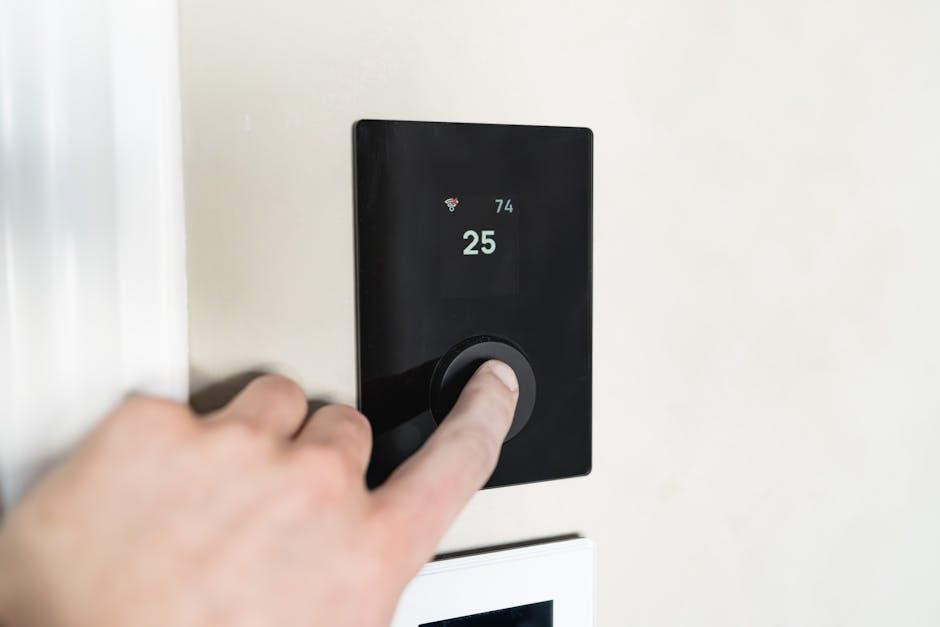
The energy savings potential of smart thermostats extends beyond simple temperature adjustments. Modern devices leverage machine learning to understand your household patterns, automatically adjusting temperatures when you’re away or sleeping. According to the U.S. Environmental Protection Agency (EPA), properly programmed thermostats can save up to 10% on heating and cooling costs. However, actual savings depend heavily on your climate, home insulation quality, and how consistently you use the device’s smart features. Homeowners in colder climates typically see higher absolute dollar savings, while those in moderate climates may see lower percentage reductions but still achieve meaningful cost reductions. The key to maximizing savings is understanding each brand’s unique approach to temperature optimization and choosing one that aligns with your lifestyle and home infrastructure.
How Do Different Smart Thermostat Brands Compare in Energy Savings Performance?
Each major smart thermostat brand employs distinct technologies to achieve energy efficiency, resulting in varying savings percentages across different usage scenarios. Understanding these differences helps you select the device that best matches your home’s needs and your energy goals.
Nest Learning Thermostat Energy Savings
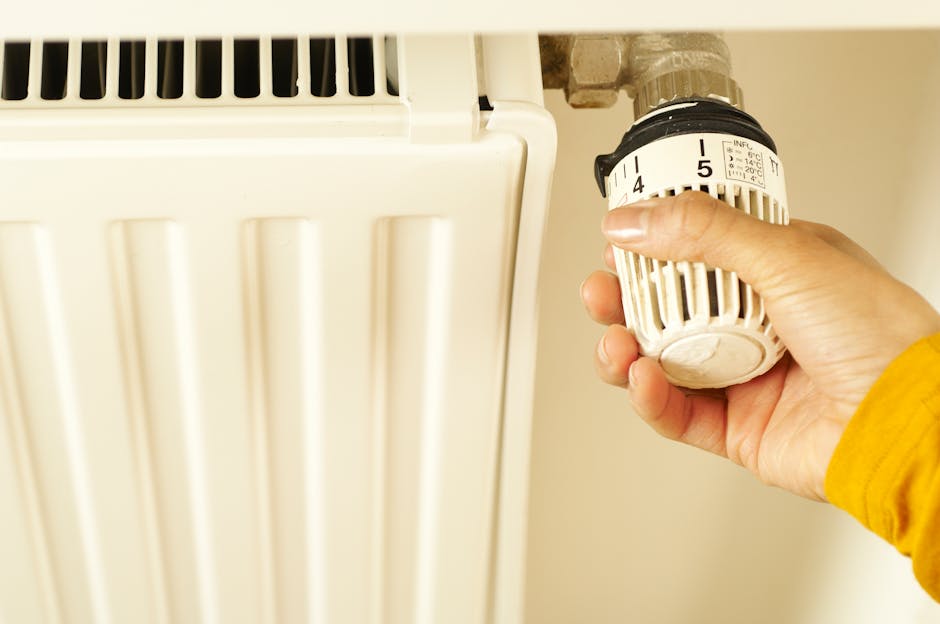
Google Nest thermostats are among the most widely adopted smart thermostats in North America, with reported energy savings of 10-15% on average. The Nest Learning Thermostat uses machine learning algorithms to adapt to your schedule automatically, learning when you’re typically home or away and adjusting temperatures accordingly. Google’s official data indicates that users save an average of 10-12% on heating and cooling costs. The device also features Nest Sense occupancy detection, which uses motion sensors and smartphone location data to determine whether anyone is home. One limitation is that Nest’s savings potential plateaus after the initial learning period—typically 2-3 weeks—unless you actively engage with remote scheduling and temperature adjustments. The thermostat works best in homes with consistent daily routines, where predictable patterns allow the learning algorithm to optimize effectively.
Ecobee Smart Thermostat Efficiency
Ecobee thermostats achieve 12-18% energy savings, often outperforming Nest in homes with variable schedules or multiple occupants. The Ecobee SmartThermostat with Voice Control integrates remote sensors that detect occupancy in multiple rooms, allowing the system to heat or cool only occupied spaces. This zoning capability provides significant advantages over single-sensor thermostats, particularly in larger homes or those with irregular usage patterns. Ecobee’s Energy Reports provide detailed insights into consumption patterns, helping users understand which behaviors drive energy waste. The brand also emphasizes user control, offering granular scheduling options and integration with renewable energy systems. In homes with solar panels or time-of-use electricity rates, Ecobee’s flexibility enables users to shift heating and cooling loads to lower-cost periods, potentially increasing savings beyond the typical 12-18% range. Ecobee’s published case studies document savings up to 18% in well-optimized installations.
Honeywell Home Smart Thermostat Results
Honeywell Home thermostats deliver 12-20% energy savings through sophisticated scheduling algorithms and geofencing technology. The Honeywell Home T9 and T10 Pro models combine traditional HVAC expertise with modern smart home integration, offering reliable performance across diverse climate zones. Honeywell’s approach emphasizes compatibility with existing HVAC systems, making installation straightforward even in older homes. The brand’s geofencing feature automatically detects when all family members have left the house, triggering away mode to reduce heating or cooling. Remote temperature scheduling is intuitive, and the thermostat provides detailed energy reports showing daily, weekly, and monthly consumption trends. Honeywell thermostats integrate well with other smart home platforms, including Amazon Alexa and Apple HomeKit, enabling voice control and automation scenarios. In homes with variable occupancy or seasonal heating needs, Honeywell’s flexible scheduling can achieve savings toward the higher end of the 12-20% range.
Carrier Cor and Other Premium Brands
Carrier Cor thermostats achieve 15-18% energy savings and are designed for premium HVAC systems, offering seamless integration with Carrier equipment. These thermostats feature advanced diagnostics that monitor system health, potentially extending equipment lifespan and preventing inefficient operation. Carrier’s focus on professional installation ensures optimal configuration from day one. Other notable brands include Trane, which reports 12-17% savings through its ConnectHome platform, and Lennox, which achieves 10-16% reductions with its iComfort S30 Ultra. These premium brands often justify higher upfront costs through superior reliability, better integration with high-efficiency HVAC systems, and longer warranty periods. Choosing a thermostat aligned with your HVAC system’s brand can unlock additional optimization features and ensure warranty coverage remains valid.
What Factors Most Significantly Impact Smart Thermostat Energy Savings Percentages?
Smart thermostat energy savings percentages vary dramatically based on multiple environmental, behavioral, and technical factors. Understanding these variables helps you set realistic expectations and maximize your device’s efficiency potential.
Climate Zone and Seasonal Variations
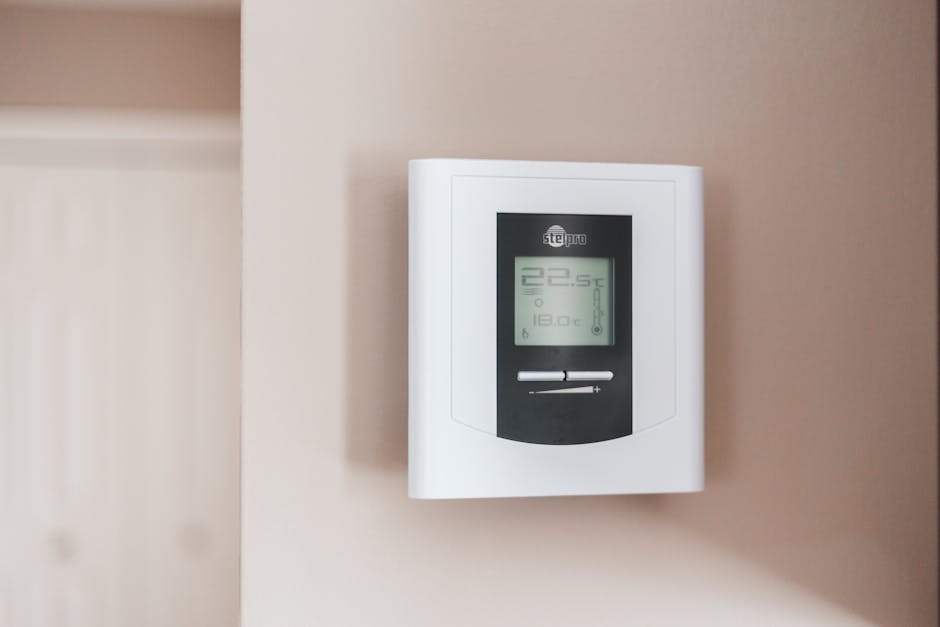
Climate zone is perhaps the single most influential factor determining smart thermostat savings. Homes in cold climates (heating-dominated) typically achieve higher percentage savings because heating represents 40-50% of annual energy consumption, providing more opportunity for optimization. A home in Minnesota might save 18-23% through smart thermostat use, while a home in Florida might save only 8-12% because air conditioning represents a smaller portion of overall energy use. Seasonal variations also matter—savings tend to be highest during shoulder seasons (spring and fall) when heating or cooling needs are moderate and responsive to schedule changes. Winter and summer extremes limit savings potential because thermostats must maintain minimum comfort levels regardless of schedule, reducing optimization flexibility. Homes in mixed climates with both heating and cooling seasons benefit from year-round optimization opportunities.
Home Insulation and HVAC System Age
Home insulation quality dramatically affects smart thermostat effectiveness. Well-insulated homes with modern windows and sealed air leaks retain temperature changes longer, allowing the thermostat to maintain comfort with less frequent HVAC cycling. These homes typically achieve 15-23% savings because the system doesn’t waste energy fighting temperature swings. Poorly insulated homes with air leaks experience rapid temperature changes, forcing HVAC systems to run constantly regardless of thermostat settings—limiting savings to 8-12%. Similarly, HVAC system age matters significantly. Modern, high-efficiency systems respond quickly to thermostat commands and operate at peak efficiency, maximizing savings potential. Older systems with declining efficiency may achieve only 8-10% savings even with optimal thermostat programming because the underlying equipment is inherently wasteful. For maximum savings, consider upgrading insulation or HVAC systems alongside smart thermostat installation.
User Behavior and Engagement
Active user engagement is critical to achieving published energy savings percentages. Homeowners who regularly check energy reports, adjust schedules seasonally, and leverage remote control features achieve savings at the higher end of published ranges. Passive users who install a thermostat and never adjust settings may see only 5-8% savings because the device defaults to conservative temperature setpoints. Learning thermostats like Nest require 2-3 weeks of consistent behavior patterns to develop accurate models—users with highly variable schedules may never achieve optimal learning. Families who travel frequently benefit most from geofencing and away mode features, potentially achieving 20%+ savings. Conversely, homeowners with static indoor schedules and consistent temperature preferences may see minimal learning benefits and rely instead on manual scheduling. The most successful users treat their smart thermostat as an active energy management tool rather than a passive device.
Integration with Other Smart Home Systems
Smart thermostats achieve higher savings when integrated with complementary systems. Homes with smart home energy management systems can coordinate thermostat operation with solar production, time-of-use rates, and EV charging schedules. For example, a thermostat might pre-cool a home during peak solar production hours, reducing cooling demand during expensive evening peak periods. Integration with smart occupancy sensors enhances the thermostat’s ability to detect presence in specific rooms, enabling zone-based heating or cooling. Connection to home energy monitors provides real-time feedback on consumption, helping users understand the impact of thermostat adjustments. Homes with smart EV charging based on time-of-use rates can shift both vehicle charging and HVAC loads to low-cost periods, multiplying savings across multiple systems.
How Do You Maximize Energy Savings with Your Smart Thermostat Brand Choice in 2026?
Selecting the right smart thermostat and implementing optimization strategies can significantly increase your energy savings. Here’s a comprehensive guide to maximizing efficiency gains in 2026.
Step 1: Assess Your Home’s Baseline Energy Consumption
Before installing a smart thermostat, establish your current heating and cooling costs by reviewing 12 months of utility bills. Calculate the percentage of your total energy bill attributed to HVAC—typically 40-60% for most households. This baseline allows you to quantify actual savings after installation. Note your climate zone, home square footage, and current thermostat type. If you’re in a cold climate with an older manual thermostat, you’ll likely see higher percentage savings than someone in a mild climate with a programmable thermostat. Document your typical temperature setpoints and daily schedule patterns. This information helps you choose a thermostat brand whose features align with your specific situation. For example, if your household has highly variable schedules, Ecobee’s multi-room sensors and flexible scheduling may deliver better results than Nest’s learning approach. Understanding your baseline also sets realistic expectations—homes that already use programmable thermostats may see only 5-8% additional savings, while those upgrading from manual thermostats might achieve 15-20% reductions.
Step 2: Choose the Right Brand Based on Your Specific Needs
Smart thermostat selection should be driven by your home characteristics and lifestyle. Choose Nest if you have a consistent daily routine and want a device that learns automatically without extensive manual configuration. Nest works best in homes where family members follow predictable schedules and the learning algorithm can develop accurate models. Choose Ecobee if your household has variable schedules, multiple occupants with different comfort preferences, or a larger home where zone-based heating/cooling matters. Ecobee’s remote sensors and granular scheduling options provide superior control in complex scenarios. Choose Honeywell if you prioritize ease of use, compatibility with existing HVAC systems, and straightforward scheduling without learning complexity. Honeywell thermostats are excellent for older homes or those with non-standard HVAC configurations. Choose Carrier or Trane if you have premium HVAC equipment from the same manufacturer and want optimized integration. These premium thermostats justify higher costs through enhanced diagnostics and system optimization. Consider your existing smart home ecosystem—if you’re heavily invested in Amazon Alexa, ensure your thermostat choice integrates seamlessly. If you use Apple HomeKit exclusively, verify compatibility before purchasing.
Step 3: Optimize Scheduling for Your Household Patterns
Create detailed heating and cooling schedules based on your household’s actual patterns. Most smart thermostats allow separate schedules for weekdays and weekends, accommodating variable routines. Set lower heating temperatures (68-70°F) during winter nights and when away, and higher cooling temperatures (76-78°F) during summer days and when away. The wider the temperature setpoint difference between occupied and unoccupied periods, the greater your savings. Use geofencing features to automatically trigger away mode when all household members leave. Set up return-home pre-conditioning to ensure comfort when family arrives, but avoid pre-conditioning to extreme temperatures that waste energy. If you have a flexible work schedule, consider adjusting setpoints throughout the day rather than maintaining constant temperatures. In shoulder seasons (spring and fall), increase setpoint differences even further because mild weather makes larger temperature swings comfortable. Review and adjust schedules seasonally—summer schedules differ significantly from winter schedules in most climates.
Step 4: Leverage Advanced Features and Integrations
Modern smart thermostats in 2026 offer advanced features that amplify energy savings when properly configured. Enable weather-aware scheduling if available—thermostats that forecast weather patterns can pre-heat or pre-cool before temperature swings occur, reducing HVAC runtime. Connect your thermostat to home energy monitoring systems to track real-time consumption and correlate it with thermostat adjustments. If you have solar panels, integrate your thermostat with excess solar management for EV charging optimization systems to shift heating or cooling loads to peak solar production hours. For homes with time-of-use electricity rates, manually adjust schedules to avoid heating or cooling during expensive peak periods. Some advanced thermostats support integration with utility demand response programs, automatically reducing HVAC load during grid stress events in exchange for credits on your utility bill. Enable energy reports and review them monthly to understand consumption trends and identify optimization opportunities. If your thermostat supports humidity control, use it to reduce cooling load during humid periods by allowing slight temperature increases when humidity is controlled.
Step 5: Combine Smart Thermostat with Home Envelope Improvements
Smart thermostats achieve maximum savings when paired with home efficiency improvements. Seal air leaks around windows, doors, and penetrations to reduce HVAC load. Improve insulation in attics, basements, and crawl spaces to minimize temperature transfer. Install window treatments or reflective films to reduce solar heat gain in summer and heat loss in winter. These improvements reduce the HVAC system’s workload, allowing the thermostat to maintain comfort with less frequent cycling. A home that improves insulation and sealing before smart thermostat installation might achieve 20-25% total savings—15-18% from the thermostat and 5-8% from envelope improvements. Without envelope improvements, the same thermostat might deliver only 12-15% savings because the system must work harder to overcome inefficiencies. Prioritize envelope improvements in homes with poor insulation, air leaks, or outdated windows. In well-maintained homes with modern envelopes, smart thermostats alone deliver substantial savings.
Step 6: Monitor Performance and Adjust Continuously
After installation, actively monitor your thermostat’s performance through energy reports and utility bills. Most brands provide monthly or quarterly energy reports showing consumption trends and comparing current usage to historical baselines. Track your actual savings percentage by comparing utility bills to the same months in previous years, accounting for temperature variations. If actual savings fall short of expected ranges, investigate potential causes: Is the learning algorithm still developing? Have you enabled all relevant features? Are there air leaks or insulation issues limiting effectiveness? Adjust schedules seasonally to account for changing weather patterns and daylight hours. In winter, gradually reduce heating setpoints as you adapt to cooler indoor temperatures. In summer, gradually increase cooling setpoints to find the highest temperature at which you remain comfortable. Small adjustments accumulate to significant savings over time. Many users achieve their highest savings in year two after installation because they’ve optimized schedules and learned the device’s capabilities.
Frequently Asked Questions
Which smart thermostat brand saves the most energy in 2026?
Ecobee thermostats achieve the highest average energy savings at 12-18%, particularly in homes with variable schedules or multiple rooms. However, actual savings depend more on your home characteristics and user engagement than brand alone. Nest averages 10-15%, Honeywell 12-20%, and Carrier 15-18%. Choose based on your specific needs rather than savings percentages alone.

Can I really save 20% on heating and cooling costs with a smart thermostat?
Yes, but only under specific conditions: you must live in a cold climate, have good home insulation, maintain consistent schedules, and actively engage with the device’s features. Homes with poor insulation, mild climates, or variable schedules typically achieve 8-12% savings. Published percentages represent optimal scenarios, not average outcomes.
How long does it take a smart thermostat to start saving energy?
Learning thermostats like Nest require 2-3 weeks to develop accurate models. You may see energy savings within days as you manually adjust temperatures, but optimal learning-based savings take 3-4 weeks. Non-learning thermostats like Honeywell deliver immediate savings once you establish schedules, typically within days of installation.
Do smart thermostats work with older HVAC systems?
Most smart thermostats work with HVAC systems over 10-15 years old, but compatibility varies. Older systems with unusual wiring or non-standard configurations may require professional installation. Honeywell and Carrier thermostats typically offer better compatibility with legacy systems than Nest, which has more stringent requirements.
Will a smart thermostat save money if I already have a programmable thermostat?
Yes, but savings will be modest—typically 5-8% rather than 12-18%. Smart thermostats add occupancy detection, learning algorithms, and remote control that programmable thermostats lack. If your programmable thermostat is well-optimized, upgrade benefits focus on convenience and advanced features rather than dramatic savings.
How do time-of-use electricity rates affect smart thermostat savings?
Time-of-use rates can increase smart thermostat savings by 3-7% by allowing you to shift heating or cooling loads to low-cost periods. For example, pre-cooling during off-peak hours reduces cooling demand during expensive peak periods. This strategy works best in homes with good insulation that can maintain temperature swings for several hours.
What Is the Best Way to Evaluate Smart Thermostat Energy Savings for Your Home in 2026?
Evaluating smart thermostat energy savings requires understanding both published percentages and the factors specific to your home. The brands offering the highest energy savings in 2026—Ecobee at 12-18%, Honeywell at 12-20%, and Carrier at 15-18%—deliver these results under optimal conditions that may not apply to your situation. Rather than chasing the highest percentage, select a thermostat that matches your home’s characteristics, climate zone, and lifestyle patterns. A Nest thermostat in a home with consistent schedules may deliver better real-world results than an Ecobee in a home with highly variable occupancy, even though Ecobee’s published percentages are higher.
Establish a realistic baseline by calculating your current HVAC costs from utility bills, then set expectations based on your specific circumstances. Homes in cold climates with good insulation and consistent schedules should expect 15-20% savings. Homes in mild climates with variable schedules should expect 8-12% savings. Homes with poor insulation should prioritize envelope improvements before expecting dramatic thermostat savings. After installation, monitor actual results through utility bills and energy reports, comparing consumption to the same months in previous years while accounting for temperature differences. Most users achieve their target savings within 3-4 months as they optimize schedules and learn their device’s capabilities.
The integration of AI predictive modeling optimizes energy consumption even further in 2026, with newer thermostats using weather forecasting and historical data to anticipate heating and cooling needs. These advanced features can push savings toward the upper end of published ranges, but only when combined with active user engagement and home efficiency improvements. Consider your smart thermostat investment as part of a comprehensive energy strategy that includes home envelope improvements, integration with smart meters and solar systems, and participation in time-of-use rate programs. The combination of these strategies—smart thermostat, improved insulation, solar integration, and time-of-use optimization—can deliver total energy savings of 25-35%, far exceeding what any single technology achieves alone. By thoughtfully selecting a thermostat brand aligned with your needs and implementing comprehensive optimization strategies, you’ll maximize both energy savings and comfort in your home.








Write Your Review
No reviews yet. Be the first to share your experience!