

How Often Should You Run a Robot Vacuum? Quick Answer
Most households should run their robot vacuum three to five times per week for optimal cleanliness. Daily operation works best for high-traffic homes with pets or children, while once or twice weekly suffices for low-traffic areas. Your ideal schedule depends on foot traffic, pet hair, allergies, home layout, and floor type. Modern robot vacuums in 2026 offer smart scheduling features that automatically adjust frequency based on dirt sensors and home activity patterns. Start with three times weekly and adjust based on visible dust accumulation and floor condition.
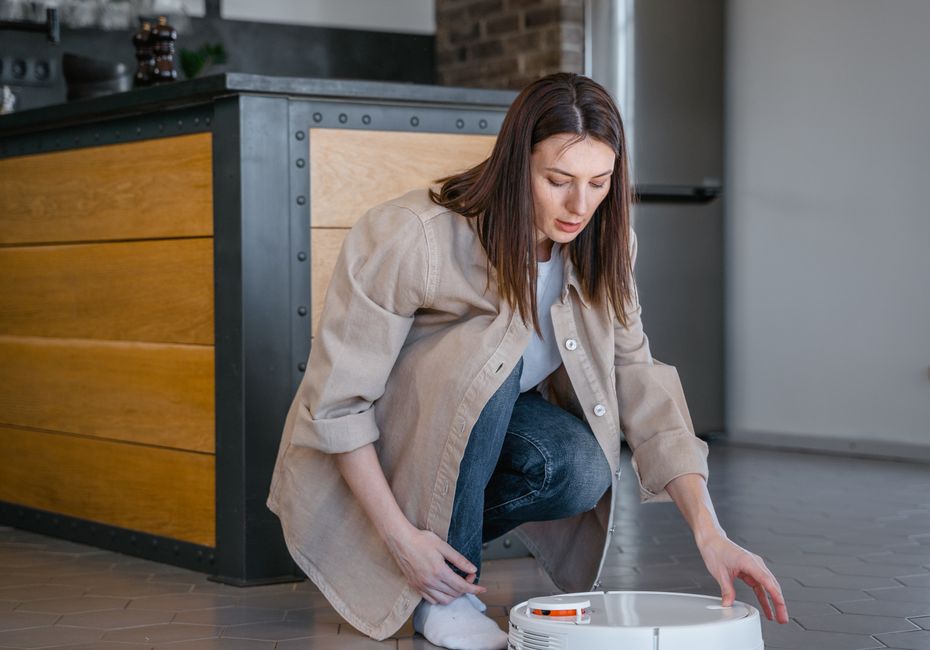
Robot vacuums have evolved significantly since their introduction. Today’s models feature advanced mapping technology, improved suction power, and intelligent scheduling capabilities. Understanding your home’s specific cleaning needs helps maximize both cleanliness and machine longevity. The right frequency balances convenience with cost efficiency and extends your vacuum’s operational lifespan. This guide explores the factors determining your ideal cleaning schedule and provides actionable recommendations for different household types.
Key Takeaway: Most homes benefit from three to five weekly runs, adjusted based on household activity and pet presence.
What Factors Determine Your Robot Vacuum Schedule?
Several variables influence how often you should operate your robot vacuum. Pet ownership dramatically increases cleaning frequency needs. Homes with dogs or cats shed hair continuously, requiring daily or near-daily vacuuming. Families with young children track more dirt indoors, necessitating frequent cleaning cycles. Allergy sufferers benefit from more frequent runs to minimize airborne particles and dust accumulation.
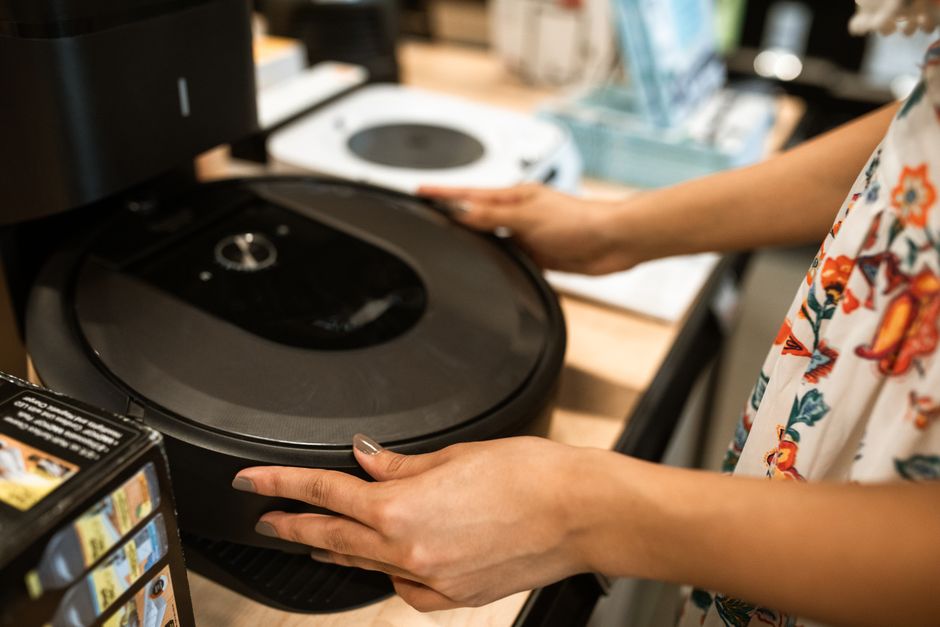
Floor type and home layout also matter significantly. Carpeted areas trap more dust and require more frequent cleaning than hard floors. Open-concept homes may need less frequent vacuuming than compartmentalized spaces. Traffic patterns vary by household—high-traffic areas demand more attention than bedrooms or guest spaces.
Household Composition Impact
- Homes with pets: daily or every other day operation recommended.
- Families with young children: five to seven times weekly.
- Adults only, no pets: two to three times weekly.
- Allergy sufferers: daily operation or continuous scheduling.
- Elderly residents: two to three times weekly for safety and cleanliness.
Your specific household composition creates unique cleaning demands. Pet owners consistently report needing more frequent vacuum cycles. Families with children under five typically increase frequency to prevent choking hazards and maintain hygiene. Single-adult households with minimal foot traffic can operate less frequently without quality concerns.
Key Takeaway: Pet ownership and children are the primary drivers of increased vacuum frequency.
How Does Daily Operation Affect Robot Vacuum Longevity?
Running your robot vacuum daily is safe for modern machines, but it does accelerate wear on certain components. Brush bristles, filters, and wheels experience continuous friction and degradation. Daily operation typically reduces your vacuum’s lifespan by one to two years compared to less frequent use. However, proper maintenance can mitigate this impact significantly.
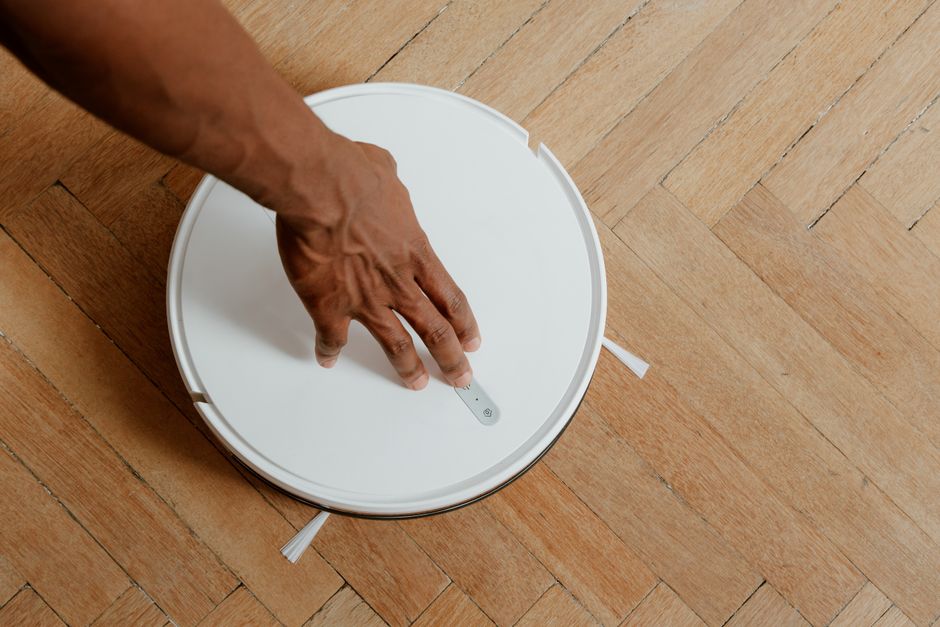
Battery health is another consideration for daily runners. Lithium-ion batteries degrade with each charge cycle. Daily operation means daily charging, which compounds battery wear over time. Modern robot vacuums in 2026 feature smart charging systems that optimize battery health, but frequent charging still impacts overall longevity.
Maintenance Requirements for Frequent Use
- Clean brushes weekly instead of monthly for daily operation.
- Replace filters every 4-6 weeks rather than every 8-12 weeks.
- Empty dustbins after each cycle to maintain suction power.
- Check wheels and sensors weekly for debris or damage.
- Monitor battery performance monthly for degradation signs.
Daily operation requires a more rigorous maintenance schedule. You’ll need to clean brushes more frequently to prevent hair tangles and maintain suction. Filters accumulate dust faster with daily use, requiring more frequent replacement. This increased maintenance is manageable but demands commitment and attention.
Key Takeaway: Daily operation is viable but requires enhanced maintenance and slightly reduces machine lifespan.
What Does the Ideal Scheduling Strategy Look Like?
Smart scheduling combines your household’s unique needs with your robot vacuum’s capabilities. Most 2026 models feature app-based scheduling allowing customized routines. You can set different frequencies for different rooms based on traffic patterns. Some vacuums now include dirt sensors that trigger additional cleaning cycles automatically when needed.
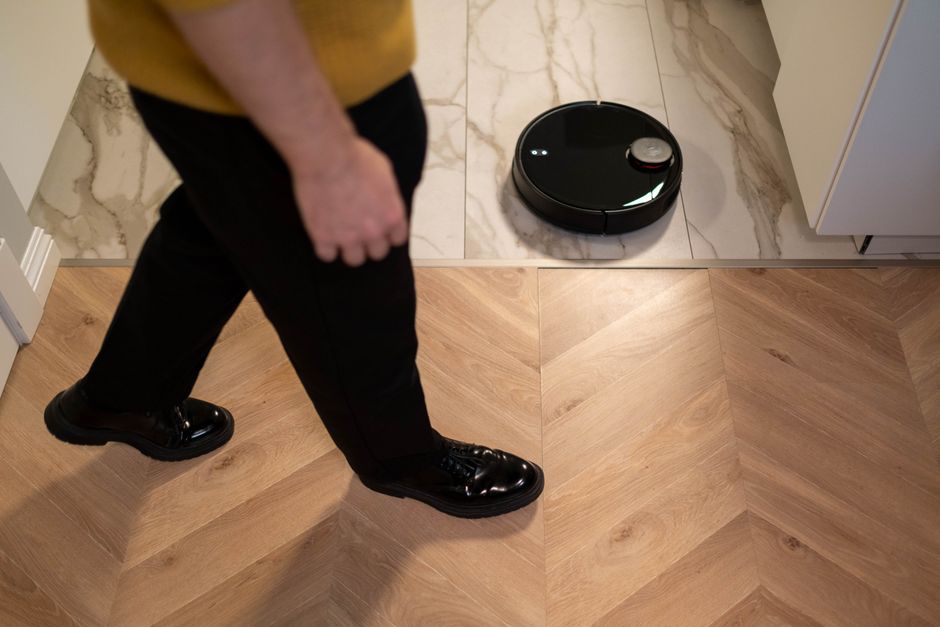
Consider creating a tiered approach for your home. High-traffic areas like kitchens and living rooms might run daily, while bedrooms run twice weekly. Entryways need frequent attention during muddy seasons but less in winter. This targeted approach balances cleanliness with machine wear and energy consumption.
Building Your Custom Schedule
- Monday, Wednesday, Friday: full home cleaning for baseline maintenance.
- Tuesday, Thursday: spot-clean high-traffic zones only.
- Weekend: flexible deep-clean cycles based on visible dirt.
- Daily: entryway and kitchen if you have pets.
- Seasonal adjustments: increase frequency during shedding or rainy seasons.
Flexible scheduling adapts to your life rather than forcing rigid patterns. Summer months with open windows may require more frequent vacuuming. Winter brings less outdoor traffic but increased indoor activity. Pet shedding seasons demand temporary frequency increases.
Modern robot vacuums integrate with smart home systems for automated scheduling. You can program vacuums to run when you’re away, avoiding noise during work-from-home hours. Some models sync with weather data to increase cleaning frequency on rainy days when dirt tracks inside more readily.
Key Takeaway: Tiered scheduling with room-specific frequencies optimizes both cleanliness and machine longevity.
How Should You Adjust Frequency by Season?
Seasonal variations significantly impact your cleaning needs throughout the year. Spring and fall bring increased outdoor debris and pet shedding, requiring more frequent runs. Summer means open windows and increased outdoor activity, tracking more dirt indoors. Winter reduces outdoor traffic but increases indoor heating and associated dust.
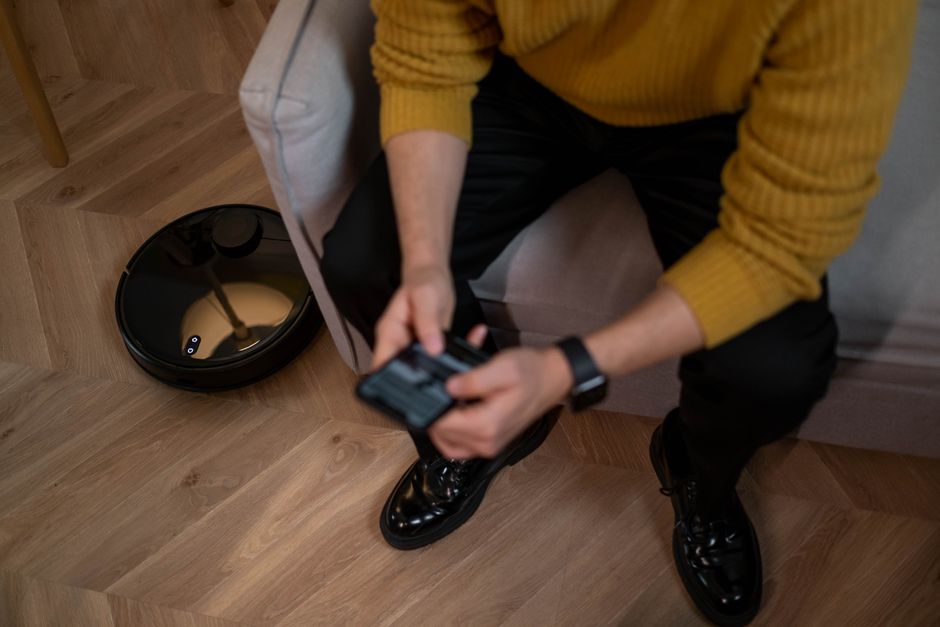
Pollen seasons demand special attention for allergy sufferers. Spring cleaning cycles should increase by 30-50% to manage seasonal pollen. Rainy seasons require more frequent vacuuming as moisture tracks mud inside. Understanding these patterns helps you stay ahead of cleanliness issues.
Seasonal Frequency Guidelines
- Spring (March-May): increase to daily runs due to pollen and shedding.
- Summer (June-August): maintain baseline frequency; monitor for increased dirt.
- Fall (September-November): increase frequency as leaves and debris enter home.
- Winter (December-February): maintain baseline; reduce if snow prevents outdoor tracking.
- Rainy periods: add one extra cycle weekly regardless of season.
Pet owners should expect significant frequency increases during shedding seasons. Spring and fall typically see double or triple the normal hair accumulation. Programming extra cycles during these periods prevents hair from matting and maintains suction efficiency. Many pet owners schedule additional runs automatically during peak shedding months.
Key Takeaway: Increase frequency 30-50% during spring and fall, and adjust for rainy weather patterns.
What Practical Steps Should You Take to Optimize Your Schedule?
Implementing an effective robot vacuum schedule requires intentional planning and monitoring. Start by tracking your current cleaning needs for two weeks. Note when visible dirt accumulates and when floors feel gritty underfoot. This baseline data informs your ideal frequency without guesswork.
Use your vacuum’s app features to experiment with different schedules. Most 2026 models track cleaning history and dust sensor readings. Review this data monthly to identify patterns and adjust accordingly. Many owners discover they can reduce frequency without sacrificing cleanliness once they optimize their schedule.
Implementation Checklist
- Week 1-2: Track dirt accumulation patterns in each room.
- Set initial schedule at three times weekly for most homes.
- Use app to monitor dustbin fullness and dirt sensor readings.
- Adjust frequency based on visible results after 2-3 weeks.
- Review and refine schedule monthly or seasonally.
- Increase frequency during pet shedding or rainy seasons.
- Maintain consistent maintenance regardless of running frequency.
Document your findings in a simple spreadsheet or notes app. Track which rooms accumulate dirt fastest and which barely need cleaning. This information guides room-specific scheduling decisions. Over time, you’ll develop an intuitive sense of your home’s cleaning rhythm.
Consider using your vacuum’s smart features like dirt detection and room-specific cleaning. These technologies automate frequency optimization. Some vacuums suggest schedule adjustments based on accumulated data, removing guesswork from the equation.
Key Takeaway: Track dirt patterns for two weeks, then adjust your schedule based on observed data.
Frequently Asked Questions
Can you run a robot vacuum every day without damage?
Yes, daily operation is safe for modern robot vacuums. However, it accelerates component wear and reduces overall lifespan by one to two years. Increased maintenance—weekly brush cleaning and more frequent filter changes—becomes necessary. Battery degradation occurs faster with daily charging cycles. Most machines handle daily use well if properly maintained.
How do I know if my robot vacuum is running too often?
Signs of excessive operation include rapid filter clogging, brush bristle loss, and increased noise levels. If you’re replacing filters every 3-4 weeks, reduce frequency. Battery performance degradation and reduced suction indicate overuse stress. Track maintenance intervals—if they shorten significantly, your vacuum is working too hard. Adjust your schedule downward and monitor improvements.
Should I run my robot vacuum daily if I have pets?
Daily operation is ideal for homes with shedding pets like dogs or cats. Pet hair accumulates quickly and can clog brushes within 24-48 hours. Daily vacuuming prevents matting and maintains suction efficiency. Most pet owners report daily or every-other-day operation as necessary. Increase maintenance frequency accordingly to handle extra hair and debris.
What’s the best time of day to run a robot vacuum?
Run your vacuum when you’re away or during low-activity periods to minimize noise disruption. Early morning (6-8 AM) or midday (11 AM-1 PM) works well for most households. Avoid peak work hours if anyone works from home. Evening runs interfere with relaxation time. Schedule runs before family members arrive home to maximize cleaning time without interruption.
How often should I clean my robot vacuum’s brushes?
Clean brushes weekly if running daily, or every two weeks for three-times-weekly operation. Hair tangles reduce efficiency and increase motor strain. Inspect brushes visually—if you see wrapped hair, clean immediately. Most manufacturers recommend complete brush replacement every 6-12 months depending on use frequency. Regular cleaning extends brush lifespan significantly.
Does running a robot vacuum more often use significantly more electricity?
Additional runs increase electricity usage proportionally but remain minimal overall. A robot vacuum uses approximately 0.5-1 kilowatt per charge cycle. Daily operation costs roughly $30-60 annually in electricity. The convenience and cleanliness benefits typically outweigh modest energy costs. Smart scheduling and optimized routes further reduce electricity consumption.
What’s the Best Approach for Your Household in 2026?
Finding your ideal robot vacuum schedule requires understanding your unique household needs. Most homes benefit from three to five weekly runs, adjusted for pets, children, and allergies. Start with this baseline and refine based on visible results and app data. Your vacuum’s smart features help automate this optimization process through dirt sensors and learning algorithms.
Remember that more frequent operation isn’t always better. It increases energy costs, accelerates component wear, and requires enhanced maintenance. Conversely, infrequent operation may leave your home less clean than desired. The sweet spot balances cleanliness, machine longevity, and your lifestyle preferences.
Monitor your schedule monthly and adjust seasonally. Pet shedding seasons, rainy weather, and household changes warrant frequency adjustments. Use your vacuum’s app to track performance metrics and identify optimization opportunities. With proper planning and maintenance, your robot vacuum will keep your home clean for years to come. For more information on how modern vacuums navigate and clean, check out our complete guide to robot vacuum navigation in 2026.
Key Takeaway: Establish a baseline three-to-five-times-weekly schedule, then refine based on your household’s specific needs and seasonal variations.



Write Your Review
No reviews yet. Be the first to share your experience!