

What Are the Best Suction Settings for Hard Floors in 2026?
Quick Answer: The best suction settings for hard floors in 2026 depend on your vacuum type and floor condition. Most experts recommend using medium to medium-high suction (50-70% power) for daily cleaning of hard floors to balance cleaning power with energy efficiency. Lower suction settings prevent scattering debris, while higher settings work best for stubborn dirt and pet hair. Modern smart vacuums automatically adjust settings based on floor type, but manual control offers superior results for specific needs. Testing different power levels on your flooring is essential since marble, tile, and laminate respond differently to suction force.
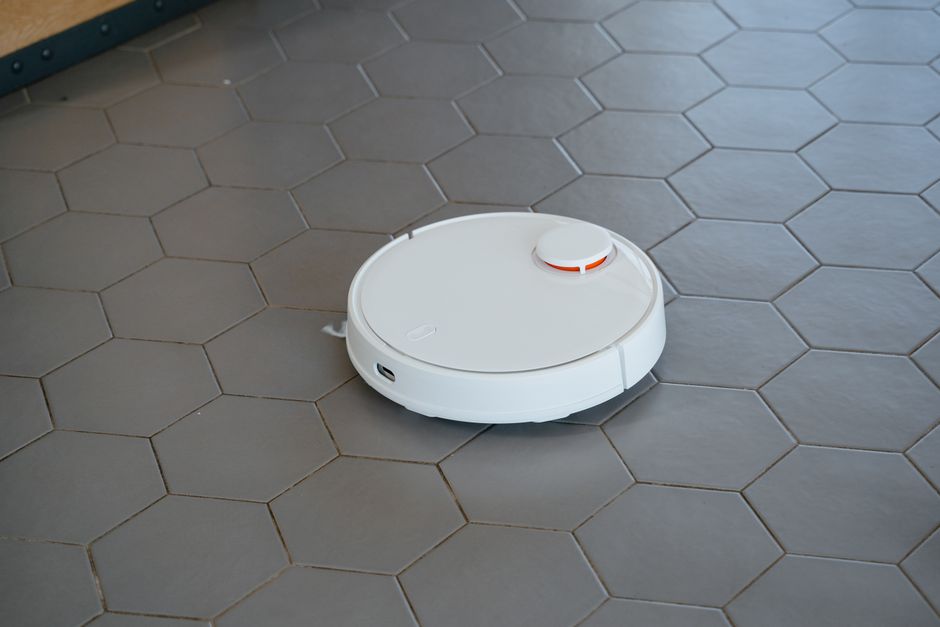
Hard floor cleaning has evolved significantly by 2026, with manufacturers offering more granular suction control than ever before. Smart sensors now detect floor type automatically, adjusting power accordingly. However, understanding manual settings remains crucial for optimal performance. The relationship between suction strength and hard floor care is nuanced—too much power can scatter lightweight debris, while insufficient suction misses embedded dirt in grout lines and textured surfaces. Your cleaning schedule, household traffic, and floor type all influence the ideal suction level for your specific situation.
How Do Suction Levels Affect Hard Floor Cleaning Performance?
Suction strength directly impacts cleaning effectiveness on hard floors. Higher suction pulls debris more forcefully, capturing particles that lower settings miss. However, excessive power creates airflow that scatters lightweight dust across your home instead of containing it. The sweet spot for most hard floors is medium suction, which captures debris efficiently without creating chaotic air patterns. Modern vacuums measure suction in air watts, with 100-200 air watts suitable for hard floors.
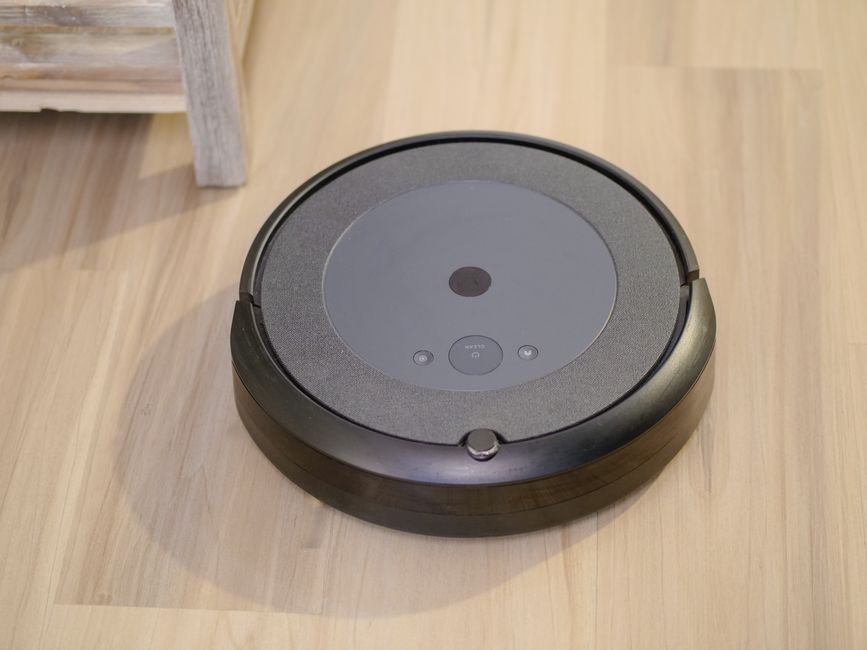
Different hard floor materials respond uniquely to suction intensity. Tile with grout lines benefits from higher suction to extract dirt trapped in crevices. Laminate and engineered hardwood require careful suction control to prevent moisture damage from aggressive airflow. Polished concrete floors tolerate higher suction without issues. Testing your specific flooring type is essential before committing to a suction setting.
Suction Settings by Floor Type
- Ceramic Tile: Use medium-high suction (65-75%) to extract debris from grout lines effectively.
- Laminate Flooring: Apply medium suction (50-60%) to avoid moisture exposure and scratching.
- Polished Concrete: High suction (75-85%) works well; concrete is durable and benefits from aggressive cleaning.
- Luxury Vinyl Plank: Medium suction (55-65%) prevents moisture infiltration at seams.
- Natural Stone: Low-to-medium suction (40-55%) protects delicate surfaces from damage.
Key Takeaway: Matching suction settings to your specific hard floor type maximizes cleaning power while protecting surface integrity.
What Suction Settings Work Best for Pet Hair on Hard Floors?
Pet hair removal on hard floors requires higher suction than general debris cleaning. Pet hair clings to surfaces through static electricity and moisture, resisting low-power suction. Most pet owners find that medium-high to high suction (70-85%) effectively lifts hair from hard floors. Rotating brush bars combined with strong suction create the most effective pet hair removal. If you have pets, consider vacuums specifically designed for pet hair with enhanced suction capabilities. For more detailed guidance, check our complete guide on robot vacuums and pet hair.
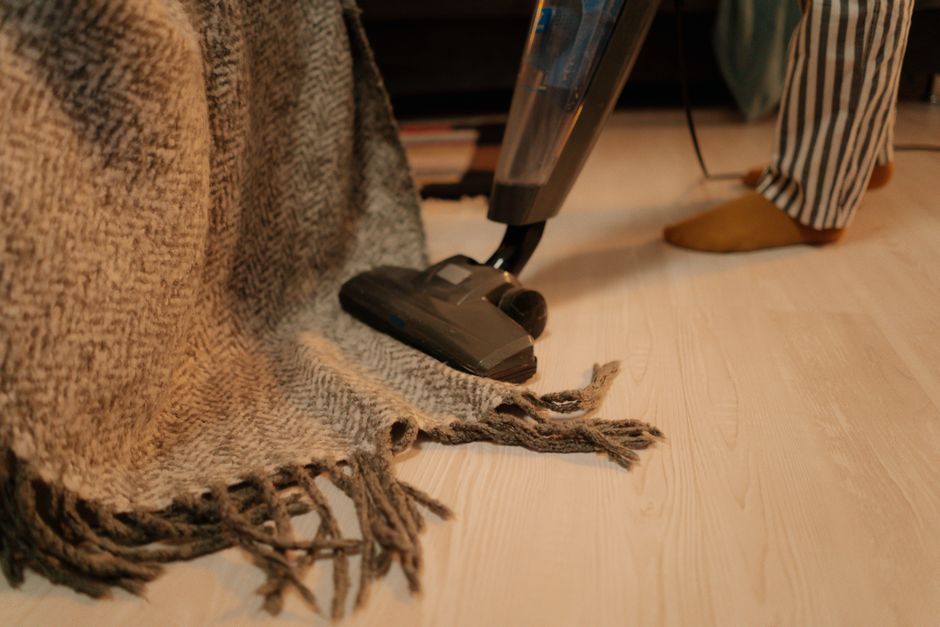
Timing matters when managing pet hair on hard floors. Daily vacuuming with medium-high suction prevents hair accumulation better than weekly high-suction sessions. Pet hair becomes more difficult to remove as it settles and collects dust. Consistent cleaning schedules with appropriate suction settings maintain hard floor appearance without excessive wear. Some vacuums offer “pet mode” settings that automatically boost suction when hair is detected.
Optimizing Pet Hair Removal
- Use medium-high suction (70-80%) for daily pet hair maintenance on hard floors.
- Enable pet mode or boost suction when vacuuming areas where pets spend most time.
- Clean brush bars weekly to maintain suction effectiveness with pet hair.
- Vacuum high-traffic pet areas twice daily during shedding seasons for best results.
- Combine high suction with slow vacuuming passes to maximize hair capture.
Key Takeaway: Pet hair removal requires medium-high to high suction combined with consistent daily cleaning schedules for optimal hard floor maintenance.
How Does Automatic Suction Adjustment Work on Modern Vacuums?
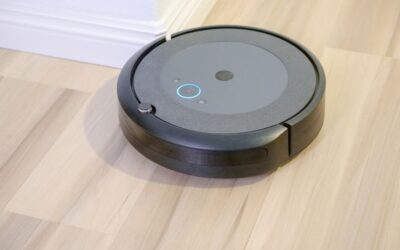
Modern vacuums in 2026 feature intelligent suction adjustment systems that adapt power levels automatically. These systems use sensors to detect floor type, debris density, and cleaning difficulty. When your vacuum transitions from hard floors to carpeted areas, sensors trigger suction adjustments within milliseconds. Smart mapping technology remembers your home’s floor layout, pre-adjusting suction before reaching different surfaces. This automation reduces manual intervention while optimizing energy consumption and cleaning performance simultaneously.
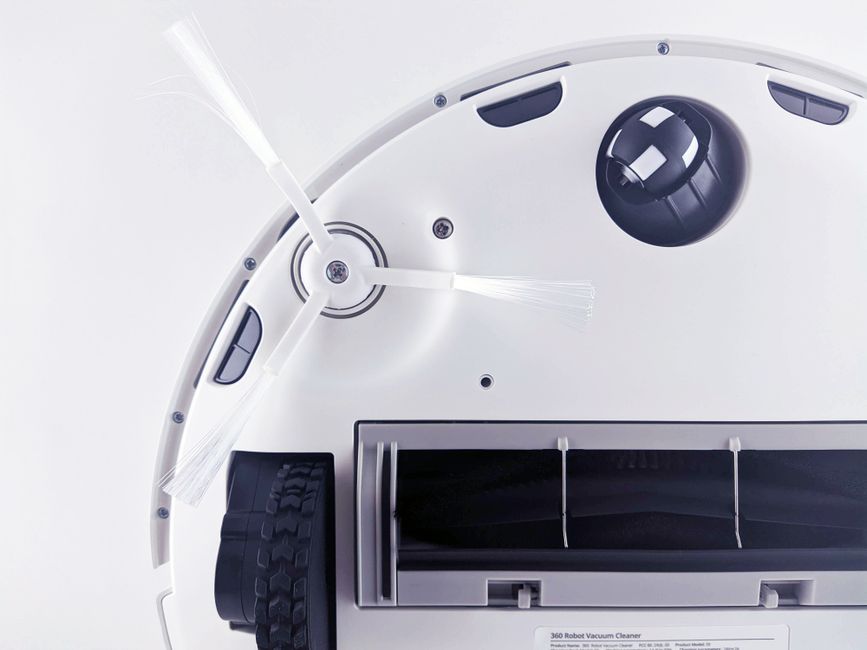
Automatic suction systems rely on multiple sensor types working together. Optical sensors detect surface texture and color, identifying floor type. Acoustic sensors measure airflow resistance, indicating debris load. Some premium models use AI algorithms trained on millions of cleaning sessions. These systems typically operate in the background, requiring no user interaction. However, manual override options remain available for specific cleaning situations where automatic settings underperform.
Benefits of Automatic Suction Control
- Automatically adjusts power to match floor type without manual intervention.
- Reduces energy consumption by using only necessary suction power.
- Prevents damage to delicate surfaces through intelligent power limitation.
- Adapts to changing debris loads throughout cleaning sessions.
- Learns your home’s layout and optimizes settings for each area.
Key Takeaway: Automatic suction adjustment technology in 2026 vacuums optimizes hard floor cleaning while reducing energy use and protecting surface integrity.
What Practical Steps Optimize Suction Settings for Your Hard Floors?
Optimizing suction settings requires systematic testing and adjustment. Start by identifying your hard floor type, then consult manufacturer recommendations for that specific material. Most vacuum manuals include suction setting charts based on floor type. Begin with medium suction (50-60%) and observe cleaning results. Increase power gradually if debris remains after cleaning. Document which settings work best for different areas of your home, creating a personalized cleaning profile.
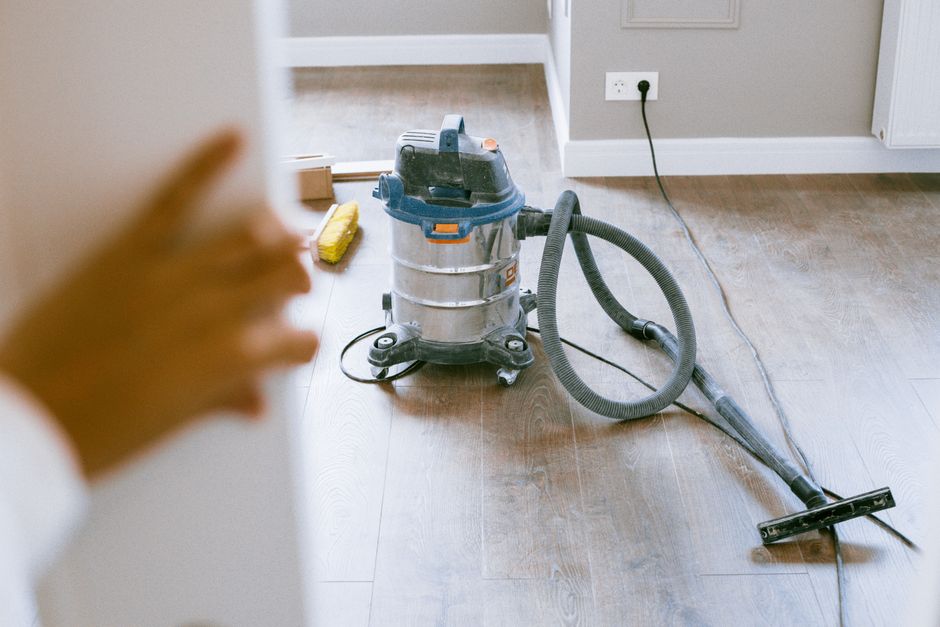
Maintenance directly impacts suction effectiveness. Clogged filters reduce suction power regardless of settings. Clean filters weekly during heavy use periods. Empty dustbins when half-full to maintain optimal airflow. Check brush bars monthly for hair wrapping that impedes performance. These maintenance steps ensure your vacuum operates at full capacity, making suction settings more effective.
Step-by-Step Suction Optimization Process
- Identify your hard floor type (tile, laminate, vinyl, concrete, or stone).
- Consult your vacuum’s manual for recommended suction settings for that floor type.
- Start with medium suction (50-60%) and vacuum a small test area.
- Evaluate cleaning results—debris left behind indicates insufficient suction.
- Increase suction by 10% increments until satisfied with cleaning performance.
- Check for debris scattering at higher suction levels and adjust accordingly.
- Test different settings in high-traffic areas versus low-traffic zones.
- Document optimal settings for each area and floor type in your home.
- Clean filters weekly to maintain consistent suction performance.
- Review and adjust settings seasonally as debris types and volumes change.
Key Takeaway: Systematic testing and regular maintenance ensure your hard floors receive optimal cleaning at the most efficient suction settings.
How Does Suction Power Impact Hard Floor Maintenance and Longevity?
Incorrect suction settings can damage hard floors over time. Excessive suction on delicate surfaces like natural stone or engineered hardwood creates moisture stress that weakens finishes. High-velocity airflow can penetrate seams in luxury vinyl plank, introducing moisture that causes warping. Conversely, insufficient suction allows dirt accumulation that scratches surfaces during foot traffic. Finding the balance between effective cleaning and surface protection is essential for floor longevity. Most manufacturers recommend medium suction for hard floors to balance these concerns.
Protective finishes on hard floors degrade when subjected to inappropriate suction levels. Polyurethane finishes on hardwood resist high suction, but repeated moisture exposure from aggressive airflow weakens them. Ceramic tile glazes remain durable, but grout deteriorates if moisture penetrates too deeply. Laminate’s core layer becomes compromised when moisture reaches it through seams. Understanding your floor’s vulnerability helps determine safe suction ranges.
Suction Settings for Floor Protection
- Low suction (30-45%) for delicate natural stone and aged hardwood floors.
- Medium suction (50-65%) for most engineered hardwood and laminate surfaces.
- Medium-high suction (65-75%) for durable tile and vinyl plank flooring.
- High suction (75-90%) for concrete and commercial-grade hard floors.
- Avoid maximum suction on any hard floor to prevent moisture infiltration and damage.
Key Takeaway: Matching suction settings to your floor’s durability rating protects surface integrity while maintaining effective cleaning performance.
Frequently Asked Questions
What suction setting should I use for everyday hard floor cleaning?
Use medium suction (50-65%) for daily hard floor cleaning. This setting captures most debris without scattering lightweight particles or creating excessive airflow. Medium suction balances cleaning effectiveness with energy efficiency and floor protection. Adjust upward for high-traffic areas and downward for delicate surfaces. Most households find medium suction adequate for maintaining hard floors between deep cleaning sessions.
Can high suction damage hard floors?
Yes, excessive suction can damage hard floors, particularly engineered hardwood and laminate. High-velocity airflow penetrates seams and grout lines, introducing moisture that weakens finishes and causes warping. Natural stone surfaces can experience micro-damage from aggressive suction. Always follow manufacturer recommendations and test suction levels on inconspicuous areas first. Most hard floors perform best with medium to medium-high suction rather than maximum power.
Should I use different suction settings for different rooms?
Yes, adjusting suction settings by room improves cleaning efficiency. High-traffic areas like kitchens and entryways benefit from medium-high suction (65-75%), while living rooms need medium suction (55-65%). Bedrooms with light traffic can use lower suction (45-55%). This approach optimizes cleaning while conserving energy. Smart vacuums with room-specific settings automate this process, adjusting power as they move between areas.
How often should I clean my vacuum filter to maintain optimal suction?
Clean your vacuum filter weekly during regular use, or every 3-5 days during heavy use periods. Clogged filters reduce suction effectiveness regardless of your power settings. Most filters require gentle tapping to remove loose debris, with monthly water rinsing for deeper cleaning. Replace filters according to manufacturer recommendations, typically every 6-12 months. Consistent filter maintenance ensures your vacuum operates at peak suction capacity.
Do robot vacuums have better suction control for hard floors than upright vacuums?
Robot vacuums and upright vacuums offer different suction control advantages. Robot vacuums excel at automatic adjustment through smart sensors and mapping technology, adapting to floor types automatically. Upright vacuums provide more manual control for specific cleaning situations. Robot vacuums typically use lower absolute suction power but optimize it through intelligent systems. Choose based on your preference for automation versus manual control. For more information, see our guide on robot vacuum mop combos.
What air watts of suction do I need for hard floors?
Most hard floors require 100-200 air watts of suction for effective cleaning. Tile and concrete benefit from 150-200 air watts, while laminate and vinyl plank perform well with 100-150 air watts. Air watts measure actual cleaning power after accounting for airflow and pressure. Check your vacuum’s specifications for air watts rating, as this better indicates hard floor performance than simple “suction power” claims. Higher air watts enable lower suction settings while maintaining cleaning effectiveness.
How Should You Choose the Right Suction Settings for Your Hard Floors?
Choosing optimal suction settings requires understanding your specific hard floor type, household conditions, and vacuum capabilities. Begin by identifying your flooring material—tile, laminate, vinyl, concrete, or stone each require different suction approaches. Consider your household’s traffic patterns and debris types. Pet owners need higher suction than households without animals. Review your vacuum’s manual for manufacturer recommendations specific to your floor type. Most importantly, test different settings systematically to find the balance between cleaning effectiveness and floor protection.
Your cleaning schedule influences ideal suction settings. Daily vacuuming with medium suction maintains hard floors better than weekly sessions with high suction. Consistent moderate-power cleaning prevents debris accumulation that requires aggressive suction. Seasonal adjustments accommodate changing debris patterns—higher suction during shedding seasons, lower during dry periods. Document your findings and adjust settings as household conditions change. Regular maintenance of filters and brush bars ensures your chosen settings deliver consistent results throughout your vacuum’s lifespan.
Technology advances in 2026 make suction optimization more accessible than ever. Smart sensors automatically adjust power for most users, removing guesswork from the process. However, understanding manual settings empowers you to override automatic adjustments when needed. Whether you prefer automation or manual control, the principles remain constant: match suction to floor type, adjust for debris load, and prioritize consistency over occasional aggressive cleaning. By following these guidelines and testing your specific situation, you’ll achieve optimal hard floor cleanliness while protecting your investment.
Key Takeaway: Optimal hard floor suction combines understanding your floor type, systematic testing, regular maintenance, and consistent cleaning schedules tailored to your household’s specific needs.


Write Your Review
No reviews yet. Be the first to share your experience!