

Can Smart Thermostats Work Without Wi-Fi Connection in 2026?
Yes, most smart thermostats can operate without a Wi-Fi connection, though functionality becomes significantly limited. The key takeaway is that smart thermostats maintain basic heating and cooling operations through local control mechanisms, even when internet connectivity is unavailable. In 2026, modern smart thermostats like those featuring Amazon Smart Thermostat Alexa Hunches include offline capabilities that allow manual temperature adjustments and schedule-based operation without relying on cloud servers. However, remote access through smartphone apps, voice control integration, energy analytics, and automation routines all require active Wi-Fi or cellular connectivity. Understanding which features work offline versus online helps homeowners maintain comfort during internet outages and make informed purchasing decisions about smart thermostat investments.
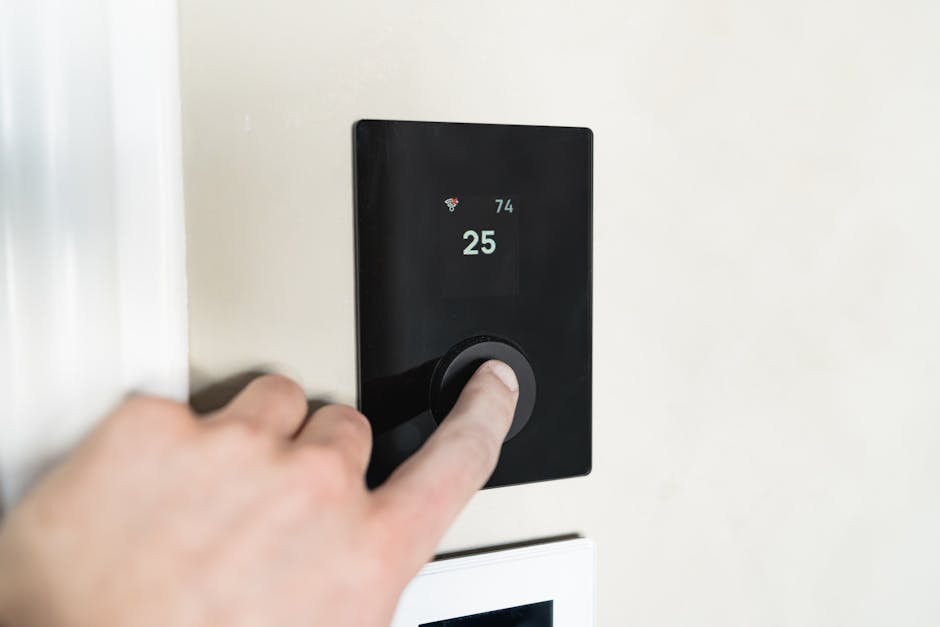
Smart thermostats represent a significant evolution in home climate control, combining traditional HVAC functionality with digital intelligence. The distinction between offline and online capabilities is crucial for 2026 consumers evaluating smart home investments. While Wi-Fi connectivity enables the premium features that justify the higher price point compared to conventional thermostats, the offline baseline ensures your home remains comfortable regardless of internet disruptions. This hybrid approach addresses a common concern among homeowners: what happens when your internet goes down? By maintaining local processing capabilities and stored programming, smart thermostats provide peace of mind that your heating and cooling systems will continue functioning reliably.
What Functions Work Without Wi-Fi on Smart Thermostats?
Smart thermostats retain several essential functions when Wi-Fi connectivity is lost. The primary offline capability is basic temperature control—users can manually adjust the thermostat using the physical display screen or buttons, just like traditional thermostats. Pre-programmed schedules continue operating automatically, allowing your thermostat to follow the heating and cooling patterns you’ve established. This means your home maintains comfortable temperatures during weekdays and adjusts for evenings and weekends without any internet connection required.
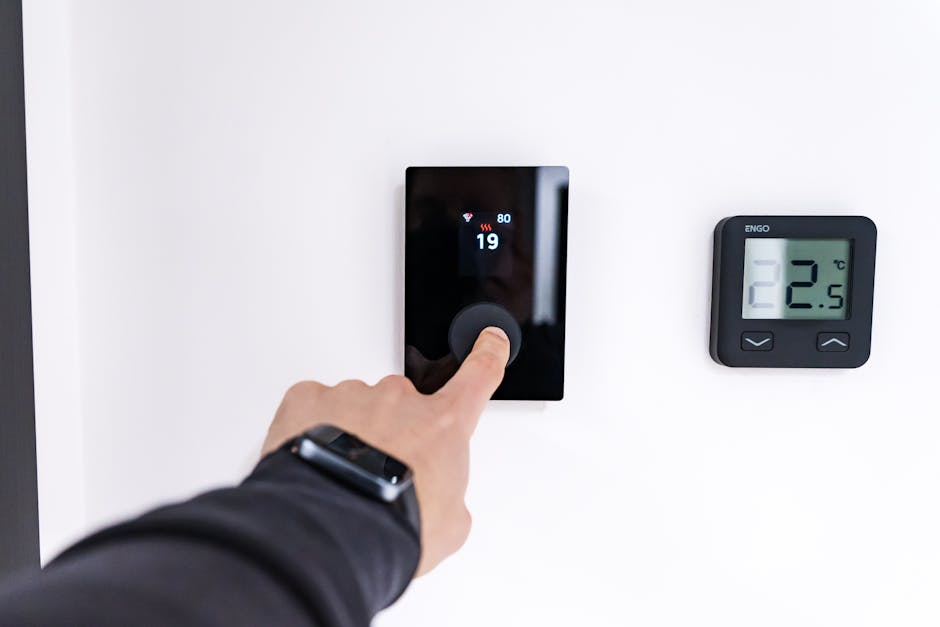
Local sensor functionality remains fully operational offline. Smart thermostats measure current room temperature, humidity levels, and occupancy detection (if equipped with motion sensors) without cloud connectivity. These sensors feed data directly to the thermostat’s processor for real-time adjustments. Safety features also function independently—your HVAC system will switch between heating and cooling based on temperature thresholds, preventing equipment damage from extreme conditions.
Energy-saving features with geofencing capabilities may have limited functionality offline, depending on how the thermostat processes location data. Some models store geofence information locally, allowing basic location-based adjustments even without Wi-Fi. However, advanced energy analytics, machine learning optimization, and historical usage reports all require cloud connectivity to function properly. The thermostat’s display will continue showing current temperature, set points, and system status information without internet access.
What Functions Require Wi-Fi Connection on Smart Thermostats?
Remote access through mobile applications represents the most widely-used Wi-Fi-dependent feature. When your internet is down, you cannot adjust your thermostat from your smartphone, whether you’re at work, traveling, or anywhere outside your home. This feature is particularly valuable for unexpected temperature changes, arriving home early, or managing your HVAC system during vacation periods.
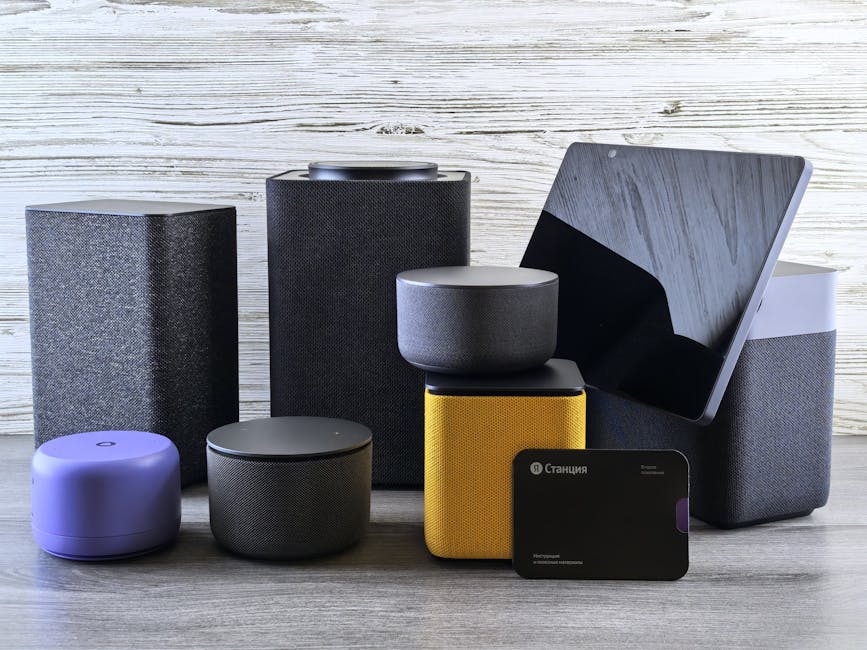
Voice control integration requires active internet connectivity to function. Amazon Alexa, Google Assistant, Apple Siri, and other voice platforms all operate through cloud-based services. Commands like “Alexa, set the temperature to 72 degrees” cannot be processed without Wi-Fi, leaving you unable to control your thermostat through voice commands during outages.
Advanced automation and integration with other smart home devices depends on Wi-Fi connectivity. Routines that trigger your thermostat based on other smart home events—such as “when I lock the front door, set the temperature to away mode”—require internet access to function. Integration with smart home hubs and platforms like Matter Protocol also requires active connectivity.
Energy analytics, usage reports, and machine learning features that optimize your heating and cooling patterns all operate in the cloud. These services analyze historical data and weather forecasts to recommend adjustments and track your energy consumption over time. Without Wi-Fi, you lose access to the detailed insights that help you understand and reduce your energy bills. Real-time alerts about equipment issues, maintenance reminders, and system diagnostics also require cloud connectivity.
How Do Smart Thermostats Maintain Offline Operation in 2026?
Smart thermostats employ local processing technology to maintain basic functionality without cloud connectivity. Modern thermostat processors include sufficient computing power to handle temperature sensing, schedule execution, and HVAC system control independently. This means the thermostat doesn’t need to send data to remote servers to make heating and cooling decisions—it processes everything locally on the device itself.

Local storage capabilities allow smart thermostats to retain your programmed schedules, temperature preferences, and settings in internal memory. When you set up a weekly schedule through your smartphone app, that information is downloaded to the thermostat and stored permanently. Even if Wi-Fi connectivity is lost and never restored, the thermostat will continue following the schedule you programmed. This local storage approach ensures reliability and reduces dependency on cloud services.
Battery backup systems in many smart thermostats provide power during brief electrical outages. Most smart thermostats operate on 24-volt power from your HVAC system, but many include rechargeable batteries that maintain functionality for several hours if power is lost. This ensures your thermostat can continue controlling your heating and cooling system even during power interruptions, without relying on Wi-Fi or any external connectivity.
Fallback modes and default behaviors are programmed into smart thermostats to handle connectivity loss gracefully. When internet connection drops, the thermostat automatically switches to offline mode, continuing to execute stored schedules and respond to manual adjustments. Some models display a notification indicating Wi-Fi is unavailable, but operation continues seamlessly. The thermostat maintains its last known state and settings, ensuring no disruption to your home climate control.
What Are Common Limitations of Offline Smart Thermostat Operation?
The most significant limitation is the inability to adjust your thermostat remotely. If you’re away from home and realize you forgot to change your thermostat setting, you cannot make adjustments without Wi-Fi. This becomes problematic during unexpected weather changes or if you return home earlier than anticipated. You must either wait until you’re physically home to make adjustments or ask someone with physical access to adjust the thermostat manually.
Machine learning and adaptive intelligence features cease functioning without cloud connectivity. These advanced capabilities analyze your behavior patterns, weather forecasts, and energy usage to optimize your heating and cooling automatically. Without Wi-Fi, your thermostat reverts to following only the basic schedule you programmed, missing opportunities for dynamic optimization. This means you lose the energy-saving benefits that justify the premium price of smart thermostats over conventional models.
Integration with other smart home devices becomes impossible during Wi-Fi outages. If you have smart home automation that coordinates your thermostat with door locks, lighting, or occupancy sensors, those integrations stop working. Your thermostat operates independently, unable to receive signals from other devices or send commands to them. This fragmentation can create uncomfortable or inefficient situations where your HVAC system doesn’t respond to changing conditions in your home.
Troubleshooting and diagnostic capabilities are severely limited offline. If something goes wrong with your HVAC system or thermostat, you cannot access detailed error codes, system logs, or technical support through the manufacturer’s app. You’re limited to whatever information the physical display shows, which may not provide enough detail to identify the problem. Remote technical support becomes impossible without Wi-Fi connectivity.
How Do You Maintain Smart Thermostat Functionality During Internet Outages?
The most effective strategy is ensuring your smart thermostat has a reliable offline schedule programmed before connectivity issues occur. Spend time setting up comprehensive weekly schedules that account for your typical weekly patterns, seasonal adjustments, and temperature preferences for different times of day. Test these schedules thoroughly by temporarily disabling Wi-Fi to verify the thermostat operates as expected without internet. A well-programmed schedule serves as your insurance policy against connectivity loss, maintaining comfortable temperatures automatically even during extended outages.
Familiarize yourself with manual operation of your specific thermostat model. Understand how to navigate the physical interface, adjust temperature settings using buttons or touchscreen, and access any offline features your model offers. Different manufacturers design their interfaces differently, so knowing your thermostat’s specific controls prevents confusion during an outage when you need to make quick adjustments. Keep the user manual accessible—either printed or saved on your phone—for reference during emergencies.
Consider implementing backup connectivity options for critical situations. Some homeowners use mobile hotspots from their cellular phones to restore Wi-Fi connectivity to their smart thermostat during internet outages. This approach requires having a cellular plan with sufficient data and a mobile device available, but it can restore full functionality temporarily. Alternatively, some smart home hubs include cellular backup connectivity that maintains basic smart home functionality when your primary internet connection fails.
Monitor your Wi-Fi connection regularly and address connectivity issues promptly. Weak signal strength, router problems, or internet service disruptions can cause intermittent connectivity that’s worse than complete outages. Invest in a reliable router positioned centrally in your home, ensure adequate Wi-Fi signal strength in your thermostat location, and maintain your internet service provider relationship to minimize downtime. Regular maintenance prevents the situations where you discover connectivity problems only when you need remote access.
Test your offline capabilities periodically by intentionally disconnecting your thermostat from Wi-Fi and verifying that schedules execute properly and manual adjustments work as expected. This proactive testing ensures you’re not surprised by unexpected behavior during an actual outage. Many smart thermostat apps include settings to temporarily disable Wi-Fi for testing purposes, making it easy to verify offline functionality without physically unplugging equipment.
What Should You Consider When Choosing a Smart Thermostat for Offline Reliability?
Evaluate the thermostat’s offline capabilities explicitly before purchasing. Manufacturers should clearly document which features function without Wi-Fi and which require internet connectivity. Look for thermostats that emphasize local processing, offline scheduling, and graceful degradation when connectivity is lost. Read user reviews specifically mentioning offline operation and Wi-Fi outage experiences to understand real-world performance.
Consider the battery backup capabilities of different models. Thermostats with robust battery backup systems maintain functionality during power outages, while those without battery backup may lose all functionality if power is lost. Check the battery capacity and estimated runtime during power loss—higher capacity batteries provide longer protection. Some models include low-battery warnings that alert you when backup power is running low.
Assess the complexity of the offline schedule setup. Some thermostats make it easy to program comprehensive weekly schedules through intuitive mobile apps, while others require navigating confusing menu systems on the physical device. Choose a model where schedule programming is straightforward enough that you’ll actually maintain it and update it seasonally. Complex setup processes often result in thermostats running with default schedules, defeating the purpose of offline reliability.
Research the manufacturer’s commitment to local processing and offline functionality. Some companies emphasize cloud-based intelligence and treat offline operation as an afterthought, while others design their thermostats with offline-first architecture. Companies prioritizing offline functionality tend to provide better documentation, more reliable offline operation, and more transparent communication about connectivity requirements and limitations.
Compare Wi-Fi connectivity options across models. Some smart thermostats support both 2.4GHz and 5GHz Wi-Fi bands, while others support only 2.4GHz. Dual-band support provides more flexibility and often better reliability. Additionally, check whether the thermostat supports modern Wi-Fi standards and security protocols—older models may have connectivity issues with newer routers or networks.
Frequently Asked Questions
Do smart thermostats work during Wi-Fi outages?
Yes, smart thermostats continue basic operation during Wi-Fi outages. They maintain pre-programmed schedules, respond to manual temperature adjustments via the physical interface, and control your HVAC system normally. However, remote access through apps, voice control, and advanced features like energy analytics stop working without internet connectivity. The thermostat reverts to offline mode automatically, ensuring your home stays comfortable regardless of connectivity status.
Can you adjust a smart thermostat without Wi-Fi?
You can adjust a smart thermostat without Wi-Fi using the physical interface—buttons or touchscreen on the device itself. Manual adjustments work identically to traditional thermostats. However, you cannot make adjustments remotely through your smartphone app without Wi-Fi. If you’re away from home and need to change the temperature, you must wait until you have internet connectivity or return home to adjust it manually.
What happens if your smart thermostat loses Wi-Fi connection?
When a smart thermostat loses Wi-Fi connection, it automatically switches to offline mode. Your pre-programmed schedule continues executing, manual adjustments still work, and HVAC control remains fully functional. The thermostat may display a Wi-Fi disconnection notification, but operation continues uninterrupted. Remote app access becomes unavailable, and features requiring cloud connectivity stop working until internet is restored.
Are smart thermostats reliable without internet?
Smart thermostats are reliable without internet for basic climate control functions. They maintain heating and cooling operation through local processing and stored schedules. However, they lose advanced features like remote access and machine learning optimization. Reliability depends on proper schedule programming before connectivity loss and thermostat battery backup capabilities. Well-maintained smart thermostats provide dependable offline operation comparable to traditional thermostats.
Do all smart thermostats have offline capabilities?
Most modern smart thermostats include offline capabilities, but the extent varies by model and manufacturer. Some older or budget models may have limited offline functionality. Check product specifications before purchasing to confirm offline schedule support and local control features. Premium models typically offer more comprehensive offline operation than budget alternatives, though basic offline functionality is becoming standard across the smart thermostat market.
Can you use a smart thermostat without ever connecting to Wi-Fi?
Technically yes, but it’s not recommended. You can operate a smart thermostat indefinitely using only manual adjustments and pre-programmed schedules without Wi-Fi. However, you forfeit all benefits justifying the premium price—remote access, voice control, energy analytics, and automation. You’d essentially be paying smart thermostat prices for basic thermostat functionality. Wi-Fi connectivity is necessary to access the features that make smart thermostats valuable investments.
Is a Smart Thermostat Worth It if You’re Concerned About Wi-Fi Reliability?
Smart thermostats remain worthwhile investments even if you’re concerned about Wi-Fi reliability, provided you take appropriate precautions. The offline capabilities ensure your home maintains comfortable temperatures during internet outages, addressing the primary reliability concern. For most homeowners, Wi-Fi outages are infrequent and temporary, lasting hours rather than days. During these brief interruptions, offline operation handles temperature control seamlessly while you wait for connectivity restoration.
The value proposition of smart thermostats extends far beyond remote access. Energy savings from optimized scheduling, machine learning recommendations, and detailed usage analytics typically reduce heating and cooling costs by 10-15% annually. These savings accumulate over the thermostat’s 10-15 year lifespan, easily justifying the initial investment. Even during Wi-Fi outages when you lose access to advanced features, your thermostat’s offline schedule continues delivering energy efficiency through optimized temperature management.
Modern smart thermostats integrate with broader smart home ecosystems, enhancing your overall home automation investment. Integration with smart home systems allows coordinated control across multiple devices when connectivity is available. This ecosystem value compounds as you add more smart home devices, making your thermostat investment more valuable over time. Even accounting for occasional Wi-Fi outages, the integrated benefits justify the premium cost.
If Wi-Fi reliability is a significant concern in your specific situation—perhaps due to frequent outages in your area or critical temperature control needs—focus your thermostat selection on models emphasizing offline reliability. Choose thermostats with comprehensive offline scheduling capabilities, battery backup systems, and positive user reviews regarding offline operation. Pair your smart thermostat with a reliable Wi-Fi setup, including a quality router and potentially a backup connectivity solution. This approach maximizes both offline reliability and online functionality benefits.
The key is understanding that smart thermostats are designed with offline operation as a baseline feature, not an afterthought. Manufacturers recognize that internet connectivity cannot be 100% guaranteed, so they engineer thermostats to maintain essential functionality independently. By choosing a quality model, programming comprehensive offline schedules, and maintaining good Wi-Fi infrastructure, you gain the benefits of smart thermostat technology while ensuring comfort and reliability during connectivity disruptions. This balanced approach provides the best of both worlds for homeowners prioritizing both efficiency and dependability.




Write Your Review
No reviews yet. Be the first to share your experience!