
What Is the Difference Between Zigbee and Z-Wave for Home Energy Automation?
Zigbee and Z-Wave are the two dominant wireless protocols powering home automation energy systems in 2026, each offering distinct advantages for managing household power consumption. Zigbee operates on the 2.4 GHz frequency using the IEEE 802.15.4 standard, while Z-Wave uses a proprietary 900 MHz band in most regions. The key difference lies in range, frequency, ecosystem size, and energy efficiency. Zigbee excels with broader device compatibility and lower costs due to its open-source nature, making it ideal for large-scale deployments. Z-Wave provides superior range penetration through walls and obstacles, operating on a less congested frequency band. Both protocols enable real-time energy monitoring, automated load control, and demand response capabilities essential for modern smart homes. Your choice depends on existing infrastructure, device availability, budget constraints, and your specific energy management goals. In 2026, both protocols remain viable, but understanding their technical and practical differences is crucial for building a cohesive home automation energy system that reduces consumption and optimizes utility costs.
How Do Zigbee and Z-Wave Handle Energy Monitoring Differently?
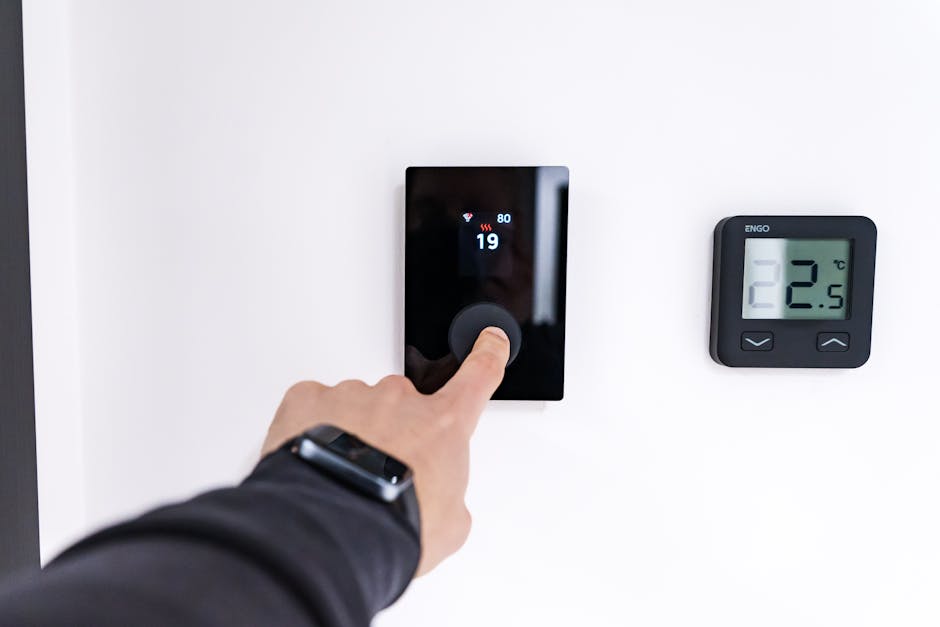
Zigbee and Z-Wave employ fundamentally different approaches to energy monitoring, affecting real-time data accuracy and system responsiveness. Zigbee’s mesh networking architecture allows devices to communicate directly with each other, creating multiple pathways for data transmission. This redundancy improves reliability but can introduce slight delays in energy reporting, typically 1-3 seconds per device. Z-Wave uses a similar mesh structure but with more streamlined routing protocols, often delivering energy data with sub-second latency. For home energy management, this difference matters when you’re trying to detect power spikes, monitor real-time consumption during peak hours, or implement demand-response automation.
Data Transmission Speed and Accuracy
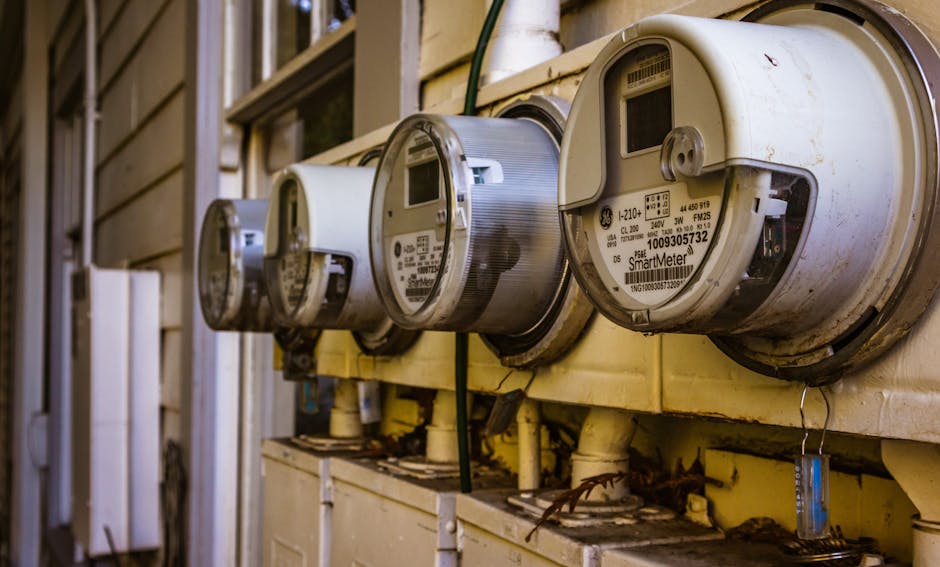
Z-Wave’s proprietary architecture provides optimized routing that reduces packet loss and improves data transmission speed. Zigbee, while slightly slower, compensates with a larger device ecosystem and better interoperability across manufacturers. In 2026, smart energy monitors like the Emporia Vue and Sense increasingly support both protocols, allowing homeowners to choose based on their existing infrastructure rather than monitor capability. Z-Wave’s superior range—up to 100 meters in open space versus Zigbee’s 10-100 meters—makes it better for monitoring distant outbuildings or large properties where signal strength matters.
Device Compatibility and Ecosystem
Zigbee’s open standard attracts more manufacturers, resulting in a broader device selection and lower hardware costs. Z-Wave maintains stricter certification requirements, ensuring better interoperability but with fewer total devices available. For energy-specific applications, Zigbee dominates in smart plugs, power strips, and sub-metering devices. Z-Wave leads in thermostats and HVAC integration, which significantly impact overall energy consumption. When building an energy management system, inventory your existing devices: if you have Z-Wave thermostats, adding Z-Wave energy monitors creates seamless automation. Conversely, a Zigbee-based smart home benefits from Zigbee energy devices.
Which Protocol Offers Better Energy Efficiency and Range for Your Home?
Energy efficiency differs between these protocols in both device power consumption and network transmission efficiency. Z-Wave’s 900 MHz frequency penetrates walls and obstacles better than Zigbee’s 2.4 GHz band, reducing the need for multiple repeater devices. This translates to fewer devices consuming standby power and lower overall system energy overhead. Zigbee compensates with lower per-device power consumption and faster sleep cycles, beneficial for battery-powered sensors. Range considerations are critical: Z-Wave’s 100-meter range (versus Zigbee’s 50-100 meters) means fewer mesh repeaters needed in larger homes. In 2026, the average home automation installation includes 15-30 connected devices; fewer repeaters directly reduce energy consumption and system complexity.

Network Overhead and Mesh Efficiency
Z-Wave’s more efficient routing reduces unnecessary retransmissions, lowering overall network energy consumption. Zigbee’s larger device count can create network congestion, especially in dense urban areas where 2.4 GHz interference from WiFi, Bluetooth, and microwaves occurs frequently. This interference forces Zigbee devices to retransmit data more often, consuming additional energy. Z-Wave’s less-congested 900 MHz band avoids these issues entirely. However, Zigbee’s open standard enables manufacturers to implement advanced power management features that Z-Wave devices sometimes lack. For energy monitoring specifically, the difference is minimal—both protocols can report consumption data efficiently. The real impact emerges when controlling dozens of smart switches and outlets simultaneously, where Z-Wave’s superior efficiency becomes noticeable.
Repeater Requirements and Installation Costs
Z-Wave’s superior range typically requires fewer repeaters in residential settings. A 2,500-square-foot home might need 2-3 Z-Wave repeaters versus 4-5 Zigbee repeaters. Each repeater consumes 2-5 watts continuously, adding 50-250 kWh annually. Over a decade, this represents significant cumulative energy waste. Z-Wave’s advantage in range directly translates to installation cost savings and reduced energy overhead. Zigbee’s lower device costs sometimes offset this advantage, but for energy-conscious homeowners prioritizing efficiency, Z-Wave’s range efficiency wins. In 2026, comparing smart electrical panel integration with either protocol shows Z-Wave’s efficiency advantage becomes more pronounced in larger installations.
How Do You Choose Between Zigbee and Z-Wave for Your Home Energy System?
Selecting the right protocol requires evaluating your existing smart home infrastructure, energy management goals, home size, and budget. Start by inventorying your current connected devices: if you already own Z-Wave thermostats, locks, or switches, expanding with Z-Wave energy monitors creates seamless automation. Conversely, existing Zigbee devices suggest building your energy system around Zigbee. This compatibility-first approach prevents costly device replacement and ensures reliable inter-device communication. Consider your home’s layout: larger properties with multiple floors benefit from Z-Wave’s superior range, while apartments and smaller homes work equally well with either protocol.
Assessing Your Energy Management Priorities
Define what you want to accomplish: real-time consumption monitoring, automated load shifting, demand-response participation, or comprehensive whole-home energy optimization. If real-time accuracy is paramount, Z-Wave’s lower latency provides faster feedback. If cost-effectiveness matters most, Zigbee’s broader device ecosystem offers more affordable options. For advanced features like AI-powered consumption prediction and automated circuit-level control, both protocols now support these capabilities equally well in 2026. Examine your utility company’s incentive programs: some offer rebates specifically for Z-Wave or Zigbee-compatible devices, effectively subsidizing your choice. Additionally, check whether your utility supports demand-response programs requiring specific protocol compatibility.
Testing Compatibility Before Full Commitment
Before purchasing a complete energy monitoring system, buy a single device from your chosen protocol and test it thoroughly. Install a Zigbee or Z-Wave smart plug, monitor its performance over 2-4 weeks, and verify that data reporting accuracy meets your expectations. Check for range issues by placing the device at the farthest point from your hub and confirming reliable communication. This testing phase costs $20-50 but prevents expensive mistakes. Join online communities for your chosen protocol—Reddit’s r/homeautomation and manufacturer forums provide real-world experiences from thousands of users. In May 2026, community feedback remains invaluable for identifying protocol-specific issues or advantages not evident from marketing materials.
Future-Proofing Your Investment
Consider long-term support and ecosystem growth. Z-Wave’s stricter certification maintains quality but may limit innovation speed. Zigbee’s open standard accelerates feature development and attracts new manufacturers. In 2026, both protocols remain actively supported with regular firmware updates. However, Zigbee’s broader manufacturer participation suggests more long-term device availability and competitive pricing. Z-Wave’s established market position ensures continued support from major manufacturers like Aeotec and Zooz. Choose based on your 5-10 year outlook: if you plan to expand significantly, Zigbee’s device variety offers more growth potential. If stability and proven reliability matter most, Z-Wave’s stricter ecosystem provides peace of mind.
What Are Common Mistakes When Implementing Zigbee or Z-Wave Energy Systems?
Many homeowners make critical errors when deploying energy automation systems, compromising performance and increasing costs. The most common mistake is mixing protocols—installing both Zigbee and Z-Wave devices without a unified control strategy. This creates separate networks requiring multiple hubs and complicating automation rules. Your energy system should operate on a single protocol with all devices communicating seamlessly. Another frequent error is underestimating network size requirements. A hub designed for 30 devices struggles with 50+ devices, causing communication failures and missed energy data. In 2026, energy monitoring systems often include 20-40 devices (smart plugs, switches, thermostats, sensors); verify your hub’s capacity before purchasing.
Inadequate hub placement represents another critical mistake. Placing your hub in a central location, elevated and away from metal objects, ensures optimal signal distribution. Basements, closets, or inside metal cabinets severely degrade range. Many users discover this issue only after devices fail to respond reliably, wasting time troubleshooting. Equally problematic is ignoring interference sources. 2.4 GHz Zigbee networks suffer interference from WiFi routers, microwaves, and cordless phones. Repositioning your WiFi router or changing its channel (use channels 1, 6, or 11) significantly improves Zigbee reliability. Z-Wave users face fewer interference issues but should still verify 900 MHz band availability in their region, as some countries restrict this frequency.
Failing to implement proper security represents a significant vulnerability. Both Zigbee and Z-Wave support encryption, but many users disable it for simplicity, exposing their systems to hacking. Always enable security features, use strong passwords for your hub, and update firmware regularly. Additionally, many users select incompatible devices without research. Not all Zigbee devices work with all Zigbee hubs; certification levels vary. Before purchasing, verify that your chosen device explicitly lists compatibility with your hub model. This research prevents returns and installation delays. Finally, overlooking data privacy and cloud connectivity can create problems. Some energy monitoring systems require cloud accounts and transmit consumption data to manufacturer servers. Review privacy policies and choose systems aligned with your data protection preferences.
How Do Zigbee and Z-Wave Integrate With Energy Monitoring Platforms?
Both protocols integrate effectively with modern energy monitoring platforms, though integration methods differ. Zigbee’s open standard enables direct integration with platforms like Home Assistant, OpenHAB, and Hubitat, allowing local control without cloud dependency. Z-Wave offers similar local integration options, with excellent support from the same platforms. Cloud-based systems like SmartThings support both protocols equally well. The distinction emerges in third-party integrations: Zigbee’s broader manufacturer support means more direct integrations with utility company platforms and demand-response services. In 2026, comparing Emporia Vue versus Sense monitors reveals both work with Zigbee and Z-Wave devices, but each platform has protocol preferences affecting feature availability.
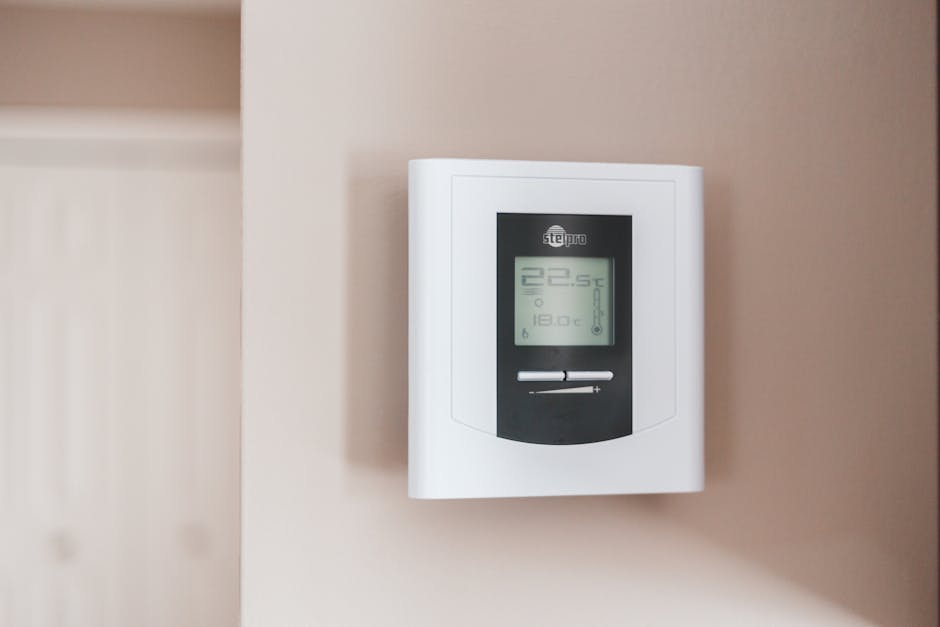
Integration with smart thermostats significantly impacts energy efficiency. Z-Wave dominates the thermostat market, with devices like Honeywell Home X2S and Ecobee Essential offering superior Z-Wave support. This advantage matters because thermostat control typically accounts for 40-50% of household energy consumption. If your energy system can’t communicate directly with your thermostat, you lose automation opportunities. Zigbee thermostats exist but represent a smaller market segment. For comprehensive energy management, verify that your chosen protocol supports integration with your existing or planned HVAC system. Additionally, consider integration with utility company demand-response programs, which increasingly support both protocols but with varying levels of native support.
Is Zigbee or Z-Wave Better for Smart Electrical Panel Integration?
Smart electrical panel integration represents the frontier of home energy management in 2026. Both Zigbee and Z-Wave can integrate with smart electrical panels, but with different approaches. Z-Wave’s superior range and more reliable routing make it the preferred protocol for communicating with panels located in basements or garages far from living areas. Zigbee integration works equally well but may require additional repeaters in larger homes. The real consideration involves panel manufacturer support: Siemens and Eaton panels increasingly support both protocols, but Z-Wave integration remains more mature and widely tested. For circuit-level energy monitoring and automated load management, Z-Wave’s lower latency provides faster response times during peak demand periods, potentially offering better demand-response performance.
Smart panel integration enables advanced features like automatic load shedding during peak hours, circuit-specific consumption tracking, and integration with solar systems and battery storage. Both protocols support these capabilities, but implementation details vary. Z-Wave’s established ecosystem means more third-party integrations and automation options. Zigbee’s open standard enables custom integrations for users comfortable with programming. If you’re upgrading to a smart panel in 2026, verify protocol support before selecting your panel model. Some panels exclusively support one protocol, limiting future flexibility. Investing in a protocol-agnostic panel or one supporting both Zigbee and Z-Wave provides maximum future-proofing and ensures compatibility with whatever energy management ecosystem you build.
Frequently Asked Questions
Can I Use Zigbee and Z-Wave Devices Together in One System?
Technically yes, but not recommended. You’d need separate hubs for each protocol and complex automation rules to coordinate them. This creates reliability issues and defeats the purpose of unified energy management. Choose one protocol and stick with it for optimal performance and simplicity.
Which Protocol Uses Less Battery Power in Smart Devices?
Zigbee generally uses less battery power in individual devices due to optimized sleep cycles and lower transmission power requirements. Z-Wave devices consume slightly more power but compensate with superior range, reducing the need for frequent retransmissions that drain batteries faster.
Does Z-Wave Work Better Than Zigbee for Apartment Living?
Both work equally well in apartments. Z-Wave’s superior range provides advantages in larger units or multi-unit buildings where signal penetration matters. Zigbee’s lower costs and broader device selection make it equally viable. Choose based on existing devices rather than apartment-specific factors.
Will My Zigbee System Work if My WiFi Goes Down?
Yes. Zigbee operates independently from WiFi on its own 2.4 GHz frequency. Even if WiFi fails, Zigbee devices continue communicating locally through the mesh network. Cloud features requiring internet won’t work, but local automation continues functioning normally.
How Much Does It Cost to Install a Zigbee or Z-Wave Energy System?
Basic systems cost $200-500 for a hub and 3-5 devices. Comprehensive whole-home systems with 20-30 devices range from $1,500-4,000. Zigbee typically costs 10-15% less due to broader device selection. Professional installation adds $500-2,000 depending on complexity and home size.
What’s the Difference in Data Privacy Between Zigbee and Z-Wave?
Both support encryption and local control without cloud dependency. Privacy depends more on hub manufacturer and platform choice than protocol. Using local platforms like Home Assistant provides superior privacy for both protocols compared to cloud-dependent systems.
What Is the Best Way to Choose Between Zigbee and Z-Wave for Your 2026 Home Energy System?
The optimal choice between Zigbee and Z-Wave depends on your specific circumstances rather than one protocol being universally superior. In May 2026, both technologies have matured significantly, with robust ecosystems, widespread manufacturer support, and proven reliability. Start by evaluating your existing smart home infrastructure: compatibility with current devices should heavily influence your decision. If you already own Z-Wave thermostats or smart locks, expanding with Z-Wave energy monitoring creates seamless integration and reliable automation. Conversely, existing Zigbee devices suggest building your energy system around Zigbee.
For new installations without existing infrastructure, consider your home’s physical layout and your specific energy management goals. Larger homes with multiple floors benefit from Z-Wave’s superior range, reducing repeater requirements and associated energy overhead. Smaller homes and apartments work equally well with either protocol. If real-time energy monitoring accuracy is paramount, Z-Wave’s lower latency provides faster feedback. If cost-effectiveness and device variety matter most, Zigbee’s broader ecosystem offers more affordable options and greater flexibility.
The practical approach involves researching your utility company’s incentive programs, which sometimes favor one protocol, effectively subsidizing your choice. Additionally, examine demand-response program requirements if you plan to participate in utility load-management initiatives. Join online communities and read user reviews for your top protocol choice, learning from thousands of real-world installations. Test your chosen protocol with a single inexpensive device before committing to a complete system. This modest investment prevents expensive mistakes and provides confidence in your selection.
In 2026, both Zigbee and Z-Wave remain excellent choices for home automation energy management. Neither protocol is becoming obsolete, and both receive regular firmware updates and new device releases. Your decision should prioritize compatibility, cost, range requirements, and personal preference rather than worrying about one protocol’s long-term viability. A well-implemented Zigbee system will serve you as reliably as a well-implemented Z-Wave system. The key is choosing thoughtfully, implementing properly, and committing to regular maintenance and firmware updates. With either protocol, you’ll achieve significant energy savings, improved comfort, and the convenience of automated home management that defines modern smart homes in 2026.








Write Your Review
No reviews yet. Be the first to share your experience!