

What Are the Key Differences Between Honeywell Home X2S and Ecobee Essential in 2026?
The Honeywell Home X2S and Ecobee Essential are two of the most popular mid-range smart thermostats available in 2026, each offering distinct advantages for homeowners seeking energy efficiency and convenience. The X2S excels with its geofencing capabilities and integration with Honeywell’s extensive smart home ecosystem, while the Ecobee Essential stands out for its superior voice control features and built-in air quality monitoring. Both devices support remote access, learning algorithms, and compatibility with major smart home platforms, but they differ significantly in installation complexity, pricing, and specialized features. The Honeywell Home X2S typically costs between $150-$200, making it more affordable for budget-conscious consumers, whereas the Ecobee Essential ranges from $200-$250 but includes more advanced environmental sensors. Understanding these core differences is essential for selecting the thermostat that best aligns with your home automation goals, energy-saving priorities, and existing smart home infrastructure. This comprehensive comparison examines both devices’ capabilities, limitations, and real-world performance to help you make an informed decision.
How Do the Installation and Setup Processes Compare Between These Two Thermostats?
Installation difficulty represents one of the most practical considerations when choosing between the Honeywell Home X2S and Ecobee Essential. The Honeywell Home X2S features a straightforward installation process that typically takes 20-30 minutes for users with basic electrical knowledge. The device comes with clear, color-coded wiring diagrams and a helpful mobile app that guides you through each step. Most users appreciate the X2S’s compatibility with older HVAC systems, including those without a dedicated C-wire, since the device includes a power extender kit that can work around this limitation.
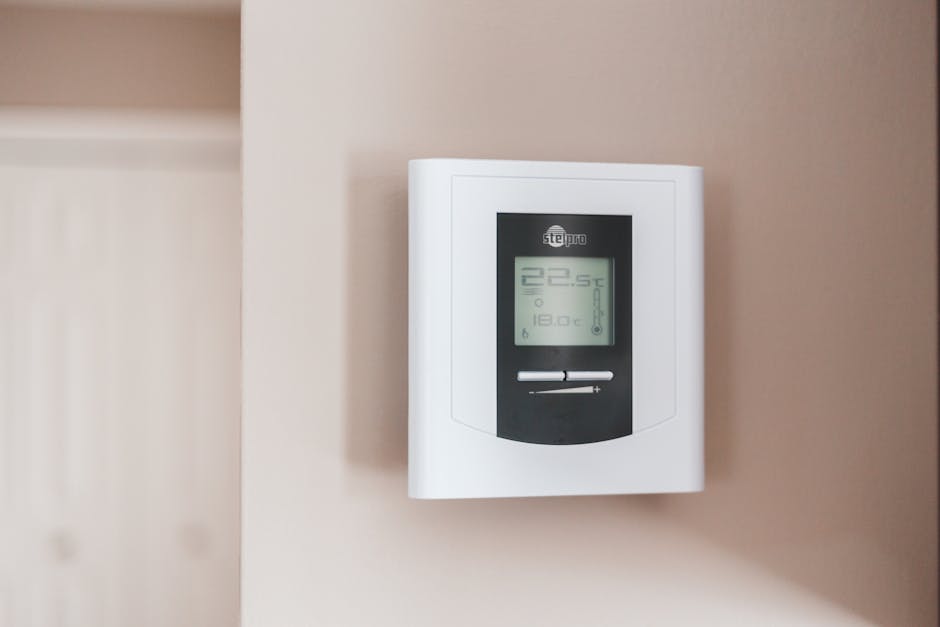
The Ecobee Essential also offers relatively simple installation, though it requires a C-wire connection for optimal performance. Without a C-wire, the Ecobee Essential may experience battery drain issues and reduced functionality. The setup process is intuitive, with the Ecobee app providing step-by-step instructions and the ability to test your wiring before final installation. Ecobee’s customer support is particularly strong, offering phone assistance if you encounter difficulties during setup.
Key Installation Differences
- Wiring Requirements: The X2S handles systems without C-wires more gracefully, while Ecobee Essential strongly prefers a C-wire connection
- Setup Time: Both require 20-30 minutes for experienced installers, but X2S may be slightly faster for non-standard systems
- Professional Installation: Both devices support professional installation if you prefer not to DIY, typically costing $100-$200 additional
- Mobile App Guidance: Ecobee’s app is slightly more detailed, while Honeywell’s is more streamlined
What Smart Home Integration and Compatibility Features Does Each Thermostat Offer?
Smart home integration capabilities significantly influence the long-term value of your thermostat investment. The Honeywell Home X2S integrates seamlessly with the broader Honeywell Home ecosystem, which includes security systems, door locks, and environmental sensors. This makes the X2S an excellent choice if you’re building a comprehensive Honeywell-based smart home. The device supports Amazon Alexa, Google Assistant, and Apple HomeKit, providing flexibility across major platforms. The X2S’s geofencing feature automatically adjusts your temperature when you leave home or approach your residence, learning your patterns over time to optimize energy consumption.
The Ecobee Essential offers comparable platform compatibility with Alexa, Google Assistant, and HomeKit support, but its strength lies in voice control integration. The Essential includes a built-in microphone and speaker, allowing you to control the thermostat and access voice commands directly from the device without requiring a separate smart speaker. This feature is particularly valuable for users who want centralized voice control throughout their home. The Ecobee ecosystem includes complementary products like room sensors and smart speakers, creating a cohesive system. Ecobee’s API is also well-documented, attracting developers who create custom automations and integrations.
Integration Comparison Table
- Amazon Alexa: Both support full voice control and automation
- Google Assistant: Both fully compatible with Google Home ecosystem
- Apple HomeKit: Both devices support HomeKit, though setup processes differ slightly
- Voice Features: Ecobee Essential has built-in speaker; X2S requires external speaker
- Ecosystem Depth: Honeywell Home has broader security integration; Ecobee has stronger environmental monitoring
How Do Energy Savings and Learning Capabilities Compare Between the X2S and Essential?
Energy efficiency represents the primary motivation for upgrading to a smart thermostat, and both devices employ sophisticated learning algorithms to reduce heating and cooling costs. The Honeywell Home X2S uses adaptive learning technology that studies your temperature preferences, occupancy patterns, and weather conditions to create an optimized schedule. Over time, the X2S learns when you typically adjust the temperature and anticipates these changes automatically. The geofencing feature provides significant energy savings by preventing unnecessary heating or cooling when no one is home. Honeywell reports that X2S users experience average energy savings of 10-15% compared to traditional programmable thermostats, though actual results vary based on climate, home insulation, and usage patterns.

The Ecobee Essential employs similar machine learning algorithms that adapt to your lifestyle and preferences. The Essential’s advantage lies in its environmental awareness—the device includes built-in sensors for temperature, humidity, and air quality, providing a more comprehensive understanding of your home’s conditions. This allows for more precise climate control and better integration with other smart home devices. Ecobee users typically report 12-18% energy savings annually, slightly higher than Honeywell Home X2S users, though this difference may reflect Ecobee’s customer base or regional factors rather than inherent device superiority. Both thermostats provide detailed energy reports through their respective mobile apps, helping you understand consumption patterns and identify optimization opportunities.
How Do You Choose Between Honeywell Home X2S and Ecobee Essential for Your Specific Needs?
Selecting between these two thermostats requires evaluating your specific circumstances, priorities, and existing smart home infrastructure. Start by assessing your HVAC system’s wiring configuration. If your system lacks a C-wire and you want to avoid professional installation of a power extender, the Honeywell Home X2S is the better choice due to its superior compatibility with older systems. Conversely, if you have a modern system with proper C-wire connections, this consideration becomes less important.

Next, evaluate your smart home ecosystem preferences. If you’re heavily invested in Honeywell Home products or planning to build a comprehensive security and automation system with Honeywell, the X2S represents the logical choice. If you prioritize voice control convenience and environmental monitoring, or if you’re building an Ecobee-centric ecosystem, the Essential becomes more attractive. Consider your budget constraints—the X2S’s lower price point makes it accessible for cost-conscious consumers, while the Essential’s additional features justify its premium pricing for users who value advanced capabilities.
Decision-Making Framework
- Choose the X2S if: You have an older HVAC system without C-wire, prefer geofencing features, want lower upfront cost, or use other Honeywell Home products
- Choose the Essential if: You prioritize built-in voice control, want advanced air quality monitoring, prefer Ecobee’s ecosystem, or have a modern HVAC system
- Consider professional installation: If you’re uncomfortable with electrical work, both devices support professional installation to ensure optimal performance
- Evaluate long-term costs: Factor in potential energy savings, which may offset higher upfront costs over 2-3 years
- Review warranty and support: Both companies offer strong warranties, but Ecobee’s phone support is particularly praised
Take advantage of the 30-day return windows both companies offer. This allows you to test the thermostat in your actual home environment before making a final commitment. Many users discover that one device’s interface or features align better with their lifestyle once they experience actual usage.
What Are Common Mistakes Users Make When Choosing Between These Thermostats?
Many homeowners make purchasing decisions based on incomplete information or misaligned priorities. One common mistake is prioritizing price alone without considering long-term energy savings or compatibility with existing systems. The cheapest option upfront may cost more in the long run if it doesn’t integrate well with your setup or requires expensive professional installation. Another frequent error involves overestimating the importance of advanced features. While the Ecobee Essential’s air quality monitoring is valuable, users who don’t suffer from allergies or respiratory issues may not need this capability, making the X2S’s lower cost more practical.
Many users also fail to assess their current HVAC system’s compatibility before purchasing. Buying a thermostat that doesn’t work with your system’s wiring configuration leads to frustration and additional expenses. Additionally, some buyers don’t consider their smart home ecosystem’s existing infrastructure. Purchasing a thermostat from a different ecosystem than your other smart home devices creates integration challenges and reduces overall system efficiency. Finally, overlooking warranty terms and customer support quality can lead to problems when issues arise. Ecobee’s superior phone support and Honeywell’s extensive documentation both provide significant value that shouldn’t be dismissed.
What Is the Real-World Performance and User Satisfaction Data for Both Thermostats?
User reviews and satisfaction data provide valuable insights into how these thermostats perform in actual homes. The Honeywell Home X2S maintains consistently high ratings across major retailers, with users particularly praising its ease of installation and reliable geofencing functionality. The X2S’s mobile app receives positive feedback for its intuitive interface and straightforward energy reporting. However, some users report occasional connectivity issues with older Wi-Fi routers, and a subset of customers experience challenges with HomeKit integration. The X2S’s learning algorithm takes approximately 2-3 weeks to optimize, during which some users notice slightly less efficient operation compared to manual scheduling.
The Ecobee Essential also earns strong user satisfaction ratings, with particular praise for its voice control capabilities and customer service responsiveness. Users appreciate the built-in speaker’s convenience and the comprehensive environmental data the device provides. The Essential’s app is frequently cited as more feature-rich than competitors, offering granular control over scheduling and automation. Some users report that the Essential’s learning algorithm is slightly more aggressive than the X2S, sometimes making temperature adjustments that feel premature. A small percentage of users experience battery drain issues without a proper C-wire connection, validating Ecobee’s recommendation for this connection type. Overall satisfaction rates hover around 4.5 out of 5 stars for both devices, indicating that either choice will likely satisfy most homeowners.
How Do Warranty, Support, and Long-Term Value Compare?
Warranty coverage and customer support quality significantly impact the true cost of ownership. The Honeywell Home X2S includes a standard 2-year limited warranty covering manufacturing defects and hardware failures. Honeywell’s support team is available via email and online chat, with response times typically ranging from 24-48 hours. The company’s extensive online documentation and video tutorials help users troubleshoot common issues independently. For technical problems, Honeywell’s support is generally competent but sometimes slower than competitors.
The Ecobee Essential provides a comparable 2-year limited warranty with the added benefit of superior phone support availability. Ecobee’s customer service team is known for responsiveness and technical expertise, often resolving issues within the first contact. The company offers 24/7 phone support for premium members and extended hours for standard customers. Ecobee’s online community is also particularly active, with experienced users frequently helping newcomers troubleshoot problems. Considering long-term value, both devices should function reliably for 5-7 years with proper maintenance. The Ecobee Essential’s superior support network may provide additional peace of mind, while the X2S’s lower upfront cost offers better value for budget-conscious consumers confident in their technical abilities.
Frequently Asked Questions
Can the Honeywell Home X2S work without a C-wire?
Yes, the Honeywell Home X2S includes a power extender kit that enables operation without a dedicated C-wire connection. This makes the X2S more compatible with older HVAC systems. However, professional installation of the power extender may be necessary in some cases, which adds cost. The Ecobee Essential technically works without a C-wire but experiences reduced functionality and potential battery drain issues.
Which thermostat has better voice control capabilities?
The Ecobee Essential has superior voice control because it includes a built-in microphone and speaker, allowing voice commands directly from the thermostat without a separate smart speaker. The Honeywell Home X2S requires an external Alexa or Google Home device for voice control. Both support major voice assistants, but Ecobee’s integrated approach offers greater convenience.
How much can I expect to save on energy costs with either thermostat?
Both thermostats typically deliver 10-18% annual energy savings compared to traditional programmable thermostats, translating to $100-$300 yearly savings depending on climate and usage patterns. The Ecobee Essential may provide slightly higher savings due to advanced environmental monitoring, but the X2S’s geofencing feature also contributes significantly to efficiency gains. Actual savings vary considerably based on your home’s insulation and local climate.
Which thermostat is easier to install for someone without electrical experience?
Both thermostats are designed for DIY installation with mobile app guidance, though the Honeywell Home X2S may be slightly easier due to its C-wire flexibility. If you lack electrical experience, professional installation is recommended for either device, typically costing $100-$200. Both companies support professional installation options, and many HVAC contractors are familiar with both models.
Do both thermostats work with HomeKit, Alexa, and Google Home?
Yes, both the Honeywell Home X2S and Ecobee Essential fully support Amazon Alexa, Google Assistant, and Apple HomeKit. Integration setup is straightforward through each thermostat’s mobile app. Ecobee’s HomeKit integration is slightly more seamless, while both offer comprehensive automation capabilities within each ecosystem.
What is the typical lifespan of these thermostats?
Both the Honeywell Home X2S and Ecobee Essential typically function reliably for 5-7 years with normal use and maintenance. Both include 2-year limited warranties covering manufacturing defects. Many users report devices lasting 8-10 years with proper care. Eventual replacement usually results from new feature desires rather than hardware failure.
Is the Honeywell Home X2S or Ecobee Essential the Better Choice for Your Home in 2026?
Both the Honeywell Home X2S and Ecobee Essential represent excellent smart thermostat investments in 2026, each excelling in different areas. The Honeywell Home X2S emerges as the superior choice for users prioritizing affordability, geofencing capabilities, and compatibility with older HVAC systems. Its lower price point and robust integration with the broader Honeywell Home ecosystem make it ideal for budget-conscious consumers building comprehensive smart home security systems. The X2S’s proven reliability and straightforward setup process appeal to users who want dependable temperature control without unnecessary complexity.
The Ecobee Essential becomes the better option for users who value advanced voice control, environmental monitoring, and customer service excellence. Its built-in speaker, comprehensive air quality sensors, and superior phone support justify the premium pricing for environmentally conscious homeowners and those seeking maximum convenience. The Essential’s more aggressive learning algorithm and feature-rich app appeal to tech-savvy users who want granular control over their home’s climate.
Ultimately, your specific circumstances should determine the choice. Assess your HVAC system’s wiring configuration, evaluate your smart home ecosystem preferences, consider your budget constraints, and review your priority features. If you’re still uncertain, both devices offer 30-day return windows allowing real-world testing before final commitment. For additional smart home technology comparisons, explore our comprehensive review of Emporia Vue vs Sense Review 2026: Which Smart Energy Monitor Is Best? to understand how energy monitoring complements smart thermostat investments. Whichever device you select, you’ll benefit from modern climate control, energy savings, and smart home convenience that significantly enhance your living experience.









Write Your Review
No reviews yet. Be the first to share your experience!