
How Much Water Does a Robot Mop Use? Quick Answer
Robot mops typically use between 0.3 to 0.8 liters of water per cleaning cycle in 2026, depending on tank capacity, floor size, and cleaning mode intensity. Most modern models hold 200-600 milliliters of water in their tanks, allowing them to cover 100-200 square meters per fill. Exact consumption varies significantly based on whether you run a light mist, standard clean, or deep scrub mode. Premium models with advanced water distribution systems often use less water while achieving better cleaning results. Understanding your robot mop’s water usage helps you plan refill schedules and optimize cleaning efficiency for your home.
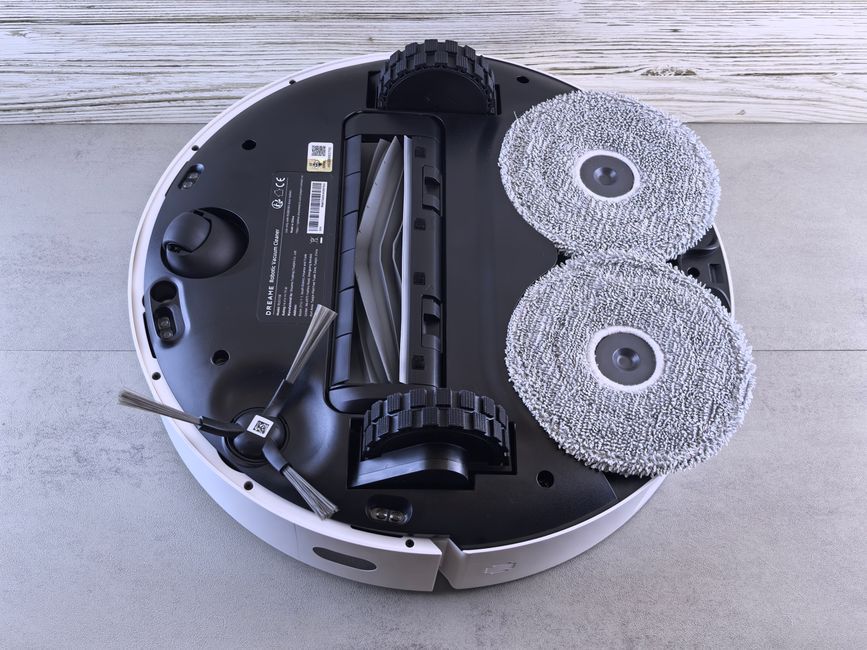
Robot mop water consumption has become increasingly important as households seek sustainable smart home solutions. The efficiency of modern robot mops in 2026 has improved dramatically compared to earlier generations. Most manufacturers now provide detailed specifications about water tank capacity and estimated coverage areas. Your specific water usage depends on multiple factors including floor type, dirt level, and selected cleaning mode. Knowing these details helps you make informed decisions about which model suits your home best.
What Factors Affect Robot Mop Water Usage?
Several key factors determine how much water your robot mop consumes during operation. Water tank capacity is the primary limitation, ranging from 200 milliliters on compact models to 600 milliliters on larger units. Cleaning mode selection dramatically impacts consumption—light mist modes use minimal water while deep scrub modes saturate the pad significantly. Floor size and dirt accumulation also influence total water needed per cycle. The robot’s water distribution technology affects efficiency; advanced systems distribute water more evenly, reducing waste.
- Tank capacity: 200-600 milliliters determines maximum water per cycle.
- Cleaning mode: Light mist uses 30% less water than deep scrub modes.
- Floor type: Hard floors need less water than textured tile or grout.
- Dirt level: Heavily soiled floors require increased water application.
- Pad material: Microfiber pads retain and distribute water more efficiently.
- Water distribution system: Advanced nozzles reduce water waste significantly.
Water Tank Capacity and Coverage Area
Modern robot mop tanks range from compact 200-milliliter models to spacious 600-milliliter units. A 300-milliliter tank typically covers 80-120 square meters on standard mode. Larger 500-600 milliliter tanks handle 150-200 square meters before requiring refill. However, actual coverage depends heavily on cleaning mode intensity and floor conditions. Understanding your tank size helps predict refill frequency for your home layout.
Key Takeaway: Tank capacity directly determines how long your robot mop can clean before needing water refill.
Cleaning Mode Settings and Water Consumption
Robot mops in 2026 offer multiple cleaning modes, each with different water consumption rates. Light mist mode uses approximately 0.2-0.3 liters for a full cycle, ideal for daily maintenance cleaning. Standard mode consumes 0.4-0.5 liters, balancing cleaning power with efficiency. Deep scrub or intensive modes saturate pads heavily, using 0.6-0.8 liters per cycle for heavily soiled areas. Selecting appropriate modes for your cleaning needs prevents water waste and extends tank life between refills.
How Does Water Distribution Technology Impact Efficiency?
Advanced water distribution systems in 2026 robot mops significantly reduce waste while improving cleaning results. Precision nozzle technology delivers water directly to the mopping pad rather than flooding the tank area. Adaptive water control adjusts dispensing based on floor type and detected dirt levels. Smart sensors measure water remaining and optimize distribution throughout the cleaning cycle. These technologies mean newer models achieve better results using less total water than older generations.
- Precision nozzles target water directly to mopping pads for minimal waste.
- Adaptive control adjusts water flow based on real-time floor conditions.
- Smart sensors optimize distribution throughout the entire cleaning cycle.
- Microfiber pad technology retains water more effectively than older materials.
- Dual-tank systems separate clean and dirty water for better efficiency.
Smart Sensors and Water Optimization
Contemporary robot mops incorporate intelligent sensors that monitor water usage continuously. These sensors detect when water levels drop below optimal ranges and adjust dispensing accordingly. Some models measure floor moisture and reduce water application in already-wet areas. Artificial intelligence learns your home’s specific cleaning patterns and adjusts water consumption automatically. This technology ensures consistent cleaning quality while minimizing total water consumption per cycle.
Key Takeaway: Smart water distribution technology in 2026 models reduces consumption by 20-30% compared to basic models.
What Is Typical Water Usage for Common Robot Mop Brands?
Leading robot mop manufacturers publish detailed water consumption specifications for consumer reference. Premium brands like Ecovacs and Samsung typically use 0.3-0.5 liters per standard cycle on their flagship models. Mid-range brands often consume 0.4-0.6 liters per cycle with adequate cleaning performance. Budget models may use 0.5-0.8 liters due to less efficient water distribution systems. Checking manufacturer specifications ensures you understand your specific model’s consumption patterns.
- Ecovacs models: 0.3-0.5 liters per cycle with advanced water control.
- Samsung models: 0.35-0.55 liters using intelligent adaptive technology.
- Roborock models: 0.4-0.6 liters with efficient dual-tank systems.
- Budget brands: 0.5-0.8 liters with basic water distribution.
- Custom settings: Most models allow manual water level adjustments.
Comparing Water Usage Across Model Types
Vacuum-mop combo units typically consume more water than dedicated mop-only robots. Combo models allocate tank space for both vacuuming and mopping, reducing water capacity. Pure mopping robots dedicate entire tanks to water, achieving better coverage with less refilling. Compact models for apartments use 200-300 milliliters per cycle. Large-format models for homes exceed 500 milliliters capacity. Selecting the right type for your home size optimizes water efficiency.
If you’re considering a combo unit, our guide on robot vacuum mop combos in 2026 provides comprehensive comparisons of water usage across different models and configurations.
How Can You Optimize Robot Mop Water Usage?
Several practical strategies help minimize water consumption while maintaining excellent cleaning results. Selecting appropriate cleaning modes for your specific needs prevents unnecessary water waste. Scheduling regular cleaning prevents heavy dirt accumulation that requires more water. Maintaining clean water tanks and replacing worn mopping pads improves efficiency significantly. Adjusting water levels manually based on floor conditions gives you precise control. Combining vacuuming with mopping reduces the water needed for effective cleaning.
Practical Water-Saving Tips
- Use light mist mode for daily maintenance cleaning instead of standard mode.
- Schedule cleaning every 2-3 days to prevent heavy dirt buildup.
- Clean water tank weekly to prevent mineral deposits affecting distribution.
- Replace mopping pads every 2-3 months for optimal water retention.
- Adjust water levels manually based on floor type and dirt level.
- Vacuum before mopping to reduce water needed for effective cleaning.
- Enable smart mode features that adapt water usage to detected conditions.
Maintenance for Optimal Efficiency
Regular maintenance directly impacts how efficiently your robot mop uses water. Clean water tanks monthly to prevent mineral buildup that clogs nozzles. Replace mopping pads every 2-3 months as worn pads absorb and distribute water poorly. Check water dispensing nozzles for blockages that force the robot to use more water. Empty dirty water tanks promptly to prevent bacterial growth affecting performance. Proper maintenance ensures your robot mop operates at peak efficiency throughout its lifespan.
Key Takeaway: Regular maintenance and appropriate mode selection can reduce water consumption by 25-35% without sacrificing cleaning quality.
Does Water Usage Affect Your Water Bill Significantly?
The water consumption of robot mops represents a minimal impact on typical household water bills. A robot mop using 0.5 liters per cycle, run daily, consumes approximately 180 liters monthly. This equals roughly 0.18 cubic meters per month, costing less than one dollar in most regions. For comparison, a single shower uses 25-50 liters. Even running your robot mop twice daily adds minimal expense to monthly water costs. The convenience and cleaning efficiency often justify this negligible water usage increase.
Environmental considerations matter more than cost for most households. Using less water through smart selection of cleaning modes aligns with sustainability goals. Efficient robot mops in 2026 consume significantly less water than traditional mopping methods. Manual mopping typically uses 5-10 liters per session, making robot mops substantially more water-efficient. Choosing models with advanced water distribution technology supports both your wallet and environmental responsibility.
How Does Robot Mop Water Usage Compare to Manual Mopping?
Manual mopping typically consumes 5-10 liters of water per cleaning session, vastly exceeding robot mop usage. A traditional mop bucket requires constant refilling as dirty water accumulates. Robot mops use 0.3-0.8 liters per cycle, making them 6-30 times more water-efficient. This dramatic difference makes robot mops an excellent choice for environmentally conscious households. Beyond water savings, robot mops also reduce labor, time investment, and cleaning solution waste significantly.
- Manual mopping: 5-10 liters per session versus 0.3-0.8 liters for robot mops.
- Bucket refilling: Required multiple times during manual cleaning sessions.
- Water waste: Manual methods spill and waste significant water during use.
- Cleaning solution: Manual methods require larger solution quantities.
- Overall efficiency: Robot mops reduce total household water consumption substantially.
For more insights into smart home cleaning automation, explore our guide on how often to run robot vacuums in 2026, which includes water-efficient scheduling strategies.
What Is the Environmental Impact of Robot Mop Water Usage?
Robot mops represent a significant environmental improvement over traditional cleaning methods. Their minimal water consumption reduces household water waste substantially. Using less water means lower energy requirements for water treatment and heating. Reduced cleaning solution usage minimizes chemical pollution entering water systems. Most robot mop manufacturers in 2026 prioritize sustainable materials and efficient water systems. Choosing water-efficient models directly supports environmental conservation efforts.
Sustainability Considerations for Smart Cleaning
Modern robot mops align with sustainable living principles through multiple mechanisms. Efficient water usage reduces demand on municipal water systems. Lower energy consumption for water heating decreases household carbon footprints. Reduced chemical cleaning solution usage prevents water pollution. Durable construction and replaceable parts extend product lifespan, reducing electronic waste. Selecting robot mops with these features supports both personal and planetary health.
Key Takeaway: Robot mops reduce water consumption by 85-90% compared to manual mopping methods, making them environmentally responsible cleaning solutions.
Which Robot Mop Models Use Water Most Efficiently in 2026?
Several leading models in 2026 excel at water efficiency through advanced technology. Ecovacs Deebot models feature intelligent water distribution systems using just 0.3-0.4 liters per cycle. Samsung Jetbot models incorporate adaptive water control reducing consumption by 30% on standard mode. Roborock models utilize dual-tank systems with precise water metering for optimal efficiency. Ecovacs and Samsung consistently rank highest for water efficiency among premium brands. Budget-conscious buyers can find competent options at mid-range price points with adequate water efficiency.
- Ecovacs Deebot: 0.3-0.4 liters per cycle with advanced distribution technology.
- Samsung Jetbot: 0.35-0.5 liters using intelligent adaptive water control.
- Roborock models: 0.4-0.6 liters with efficient dual-tank systems.
- Narwal models: 0.35-0.55 liters featuring precision nozzle technology.
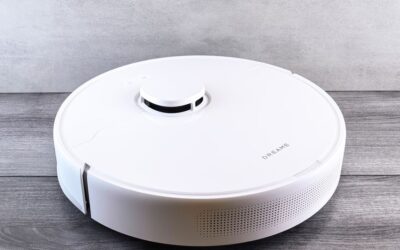
- Dreame models: 0.4-0.6 liters with smart water adjustment features.
Frequently Asked Questions
How often do you need to refill a robot mop’s water tank?
Refill frequency depends on tank capacity and home size. A 300-milliliter tank covering 100 square meters requires refilling after each cycle. Larger 500-600 milliliter tanks handle 150-200 square meters before refilling. Running light mist mode extends tank duration significantly. Most households refill tanks 1-3 times weekly depending on cleaning schedule and home size. Checking tank levels before each cycle prevents incomplete cleaning.
Does using less water affect cleaning quality?
No, modern robot mops maintain excellent cleaning quality with minimal water through advanced technology. Smart water distribution systems apply water precisely where needed. Microfiber pads effectively clean with less saturation than older materials. Adaptive water control adjusts dispensing based on detected dirt levels. Light mist modes clean daily maintenance effectively without excessive water. Choosing appropriate modes ensures quality results while conserving water.
Can you use distilled water in robot mops to save water?
Using distilled water doesn’t reduce consumption but prevents mineral buildup in tanks and nozzles. Tap water minerals accumulate over time, clogging water distribution systems. Distilled water maintains optimal nozzle performance and efficiency. While costlier than tap water, it extends robot mop lifespan and maintains peak water efficiency. For best results, use distilled water and clean tanks monthly to prevent mineral deposits.
Are there robot mops designed for large homes with minimal refilling?
Yes, premium models feature 600-milliliter tanks and advanced water efficiency handling 200+ square meters. Dual-tank systems separate clean and dirty water, improving efficiency significantly. Larger capacity doesn’t always mean more water consumption; modern designs use water more effectively. Some models include automatic water refill capabilities from external sources. For large homes, selecting models with 500+ milliliter tanks reduces refilling frequency substantially.
How does water usage differ between mopping and vacuuming modes?
Mopping modes consume water while vacuuming modes use none. Combo units with 400-milliliter total capacity split space between water and dust collection. Pure mopping robots dedicate entire tanks to water, using 0.3-0.8 liters per cycle. Combo models use approximately 0.2-0.4 liters for mopping due to reduced tank space. Dedicated mop robots offer superior water efficiency for households prioritizing mopping performance.
What’s the best way to monitor water usage on your robot mop?
Most modern robot mops display tank levels through mobile apps showing water remaining percentage. Check levels before each cleaning cycle to prevent incomplete coverage. Keep usage logs noting tank refill frequency to understand consumption patterns. Smartphone apps often provide water usage statistics and efficiency recommendations. Some premium models send notifications when tanks reach low levels. Regular monitoring helps optimize cleaning schedules and water efficiency.
What Should You Know About Robot Mop Water Usage in 2026?
Robot mop water consumption in 2026 ranges from 0.3 to 0.8 liters per cleaning cycle, depending on tank capacity, cleaning mode, and water distribution technology. Understanding your specific model’s water usage helps optimize cleaning schedules and refill frequency. Advanced water distribution systems in modern models significantly reduce consumption compared to earlier generations. Selecting appropriate cleaning modes and performing regular maintenance can reduce water usage by 25-35% without sacrificing results. Robot mops remain dramatically more water-efficient than manual mopping, using 85-90% less water while providing superior convenience and consistency.
When choosing a robot mop in 2026, prioritize models with efficient water distribution technology and appropriate tank capacity for your home size. Premium brands like Ecovacs, Samsung, and Roborock consistently deliver excellent water efficiency through intelligent adaptive systems. Even budget-friendly models consume minimal water compared to traditional cleaning methods. Regular maintenance including tank cleaning and pad replacement ensures peak efficiency throughout your robot mop’s lifespan. Investing in a water-efficient robot mop supports both household convenience and environmental sustainability while reducing your overall water consumption significantly.
For comprehensive guidance on smart home cleaning systems, explore our related articles on robot vacuum mop combos worth in 2026 and how robot vacuums navigate your home in 2026 to understand complete smart cleaning solutions.


Write Your Review
No reviews yet. Be the first to share your experience!