

What Is a Smart Carbon Monoxide Detector and How Does It Work in 2026?
Quick Answer: A smart carbon monoxide detector is an internet-connected device that monitors carbon monoxide (CO) levels in your home and sends real-time alerts to your smartphone. Unlike traditional detectors, smart models offer remote monitoring, integration with home automation systems, and detailed activity logs. They use electrochemical or biomimetic sensors to detect CO gas and trigger alarms when dangerous levels are reached. In 2026, these devices have become essential safety tools that combine traditional detection with modern connectivity, offering homeowners unprecedented control over air quality monitoring. Smart CO detectors work alongside other connected home safety devices like smart smoke detectors to create comprehensive home protection systems.
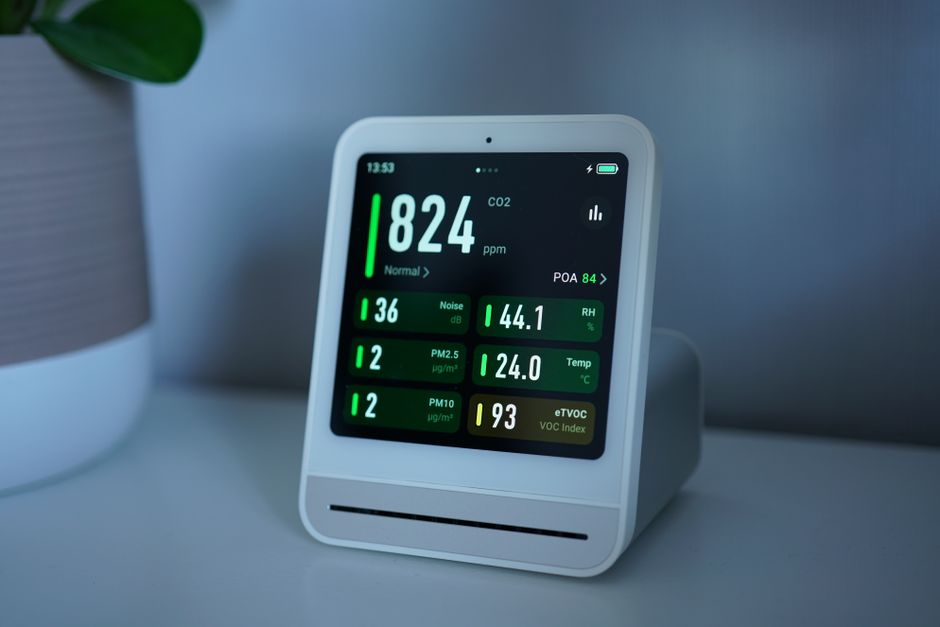
Smart carbon monoxide detectors represent a significant evolution in home safety technology. Traditional CO detectors have been around for decades, but the smart versions add connectivity and automation features that make them more effective. These devices continuously monitor air quality and provide notifications before dangerous levels accumulate. They’re particularly valuable for families with elderly members, children, or anyone concerned about indoor air quality. The technology has matured considerably by 2026, with most models offering reliable performance and user-friendly interfaces.
How Does a Smart Carbon Monoxide Detector Detect CO Gas?
Smart carbon monoxide detectors use sophisticated sensors to identify CO gas in the air. The two primary sensor types are electrochemical and biomimetic sensors. Electrochemical sensors generate a small electrical current when CO molecules interact with an electrolyte inside the sensor. Biomimetic sensors use a special gel that changes color when exposed to carbon monoxide, triggering an alarm. Both technologies are reliable and have been proven effective over many years of use.
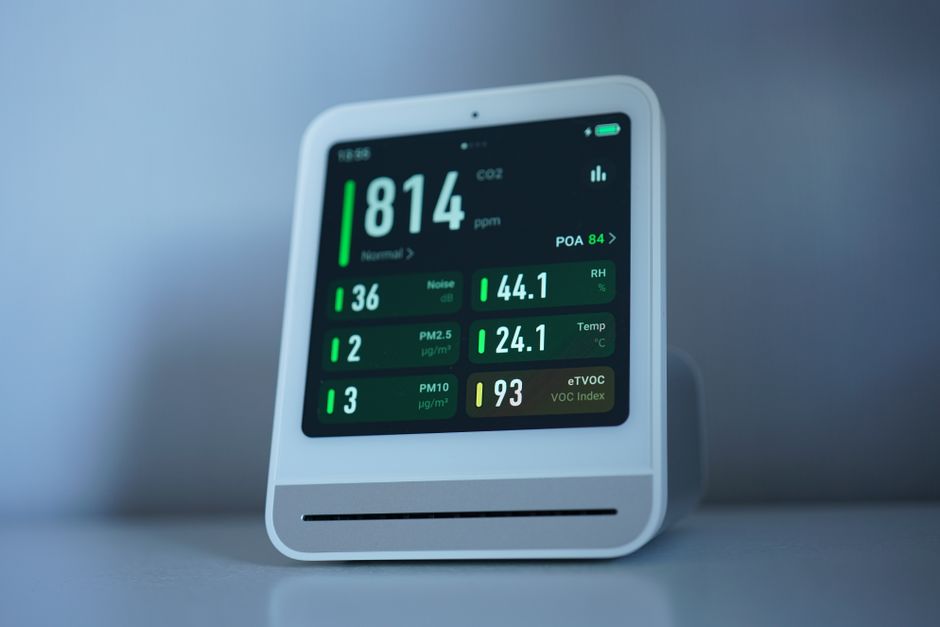
The detection process happens continuously and automatically. When CO levels reach dangerous thresholds, the device triggers an alarm and sends alerts to connected smartphones. Most smart detectors have multiple alarm levels. They may produce a warning chirp at moderate levels and a loud alarm at dangerous concentrations. The response time is typically within minutes of detection.
Sensor Technology and Accuracy
Modern smart CO detectors in 2026 achieve high accuracy through advanced sensor calibration. Manufacturers test sensors extensively to ensure they meet safety standards set by organizations like the National Fire Protection Association (NFPA). Most quality devices have a margin of error under 10 percent. Regular self-testing features verify sensor functionality without requiring user intervention.
- Electrochemical sensors: precise, proven technology, minimal false alarms
- Biomimetic sensors: visual feedback, gel-based detection, long lifespan
- Dual-sensor models: combine both technologies for maximum reliability
- Self-calibration: automatic adjustments maintain accuracy over time
Key Takeaway: Smart CO detectors use electrochemical or biomimetic sensors that reliably detect dangerous gas levels and trigger immediate alerts.
What Features Make a Smart Carbon Monoxide Detector Different From Traditional Models?
Smart carbon monoxide detectors offer capabilities that traditional models simply cannot provide. The most significant difference is remote monitoring through smartphone apps. Homeowners receive real-time notifications when CO levels rise, even when away from home. This connectivity enables faster response times and greater peace of mind. Many smart models also integrate with home automation platforms like Amazon Alexa, Google Home, and Apple HomeKit.
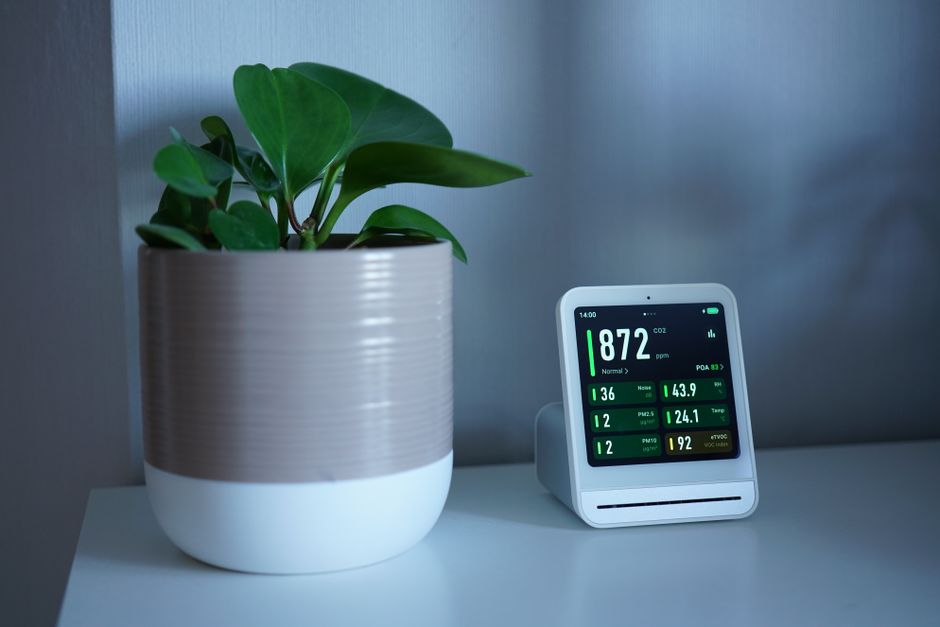
Historical data tracking is another major advantage. Smart detectors maintain logs of CO readings over time, helping identify patterns or recurring issues. Some models provide hourly or daily summaries. This information helps homeowners understand their home’s air quality trends and identify potential problems before they become dangerous. Integration with other smart home devices allows for automated responses, such as triggering ventilation systems when CO levels rise.
Key Smart Features Comparison
- Remote smartphone alerts: instant notifications from anywhere
- Activity logs: detailed history of CO readings and events
- Home automation integration: works with Alexa, Google Home, Apple HomeKit
- Voice announcements: audio alerts through smart speakers
- Battery backup alerts: notifications when batteries run low
- Multiple user access: family members can receive alerts independently
Traditional detectors only sound a local alarm. They cannot notify you when you’re away or send messages to family members in different locations. Smart models eliminate this limitation entirely. Some advanced units offer professional monitoring options similar to monitored security systems, where a service center receives alerts and can contact emergency services on your behalf.
Key Takeaway: Smart CO detectors provide remote monitoring, activity logs, and home automation integration that traditional detectors cannot offer.
How Do You Install and Set Up a Smart Carbon Monoxide Detector?
Installation of smart carbon monoxide detectors is straightforward and requires no special tools or expertise. Most models mount on walls or ceilings using simple adhesive strips or screws. The ideal location is near bedrooms, kitchens, and garages where CO sources are most common. Mount detectors at least 15 feet away from fuel-burning appliances to avoid false alarms. Ensure the device is in a central location where sound can travel throughout your home.
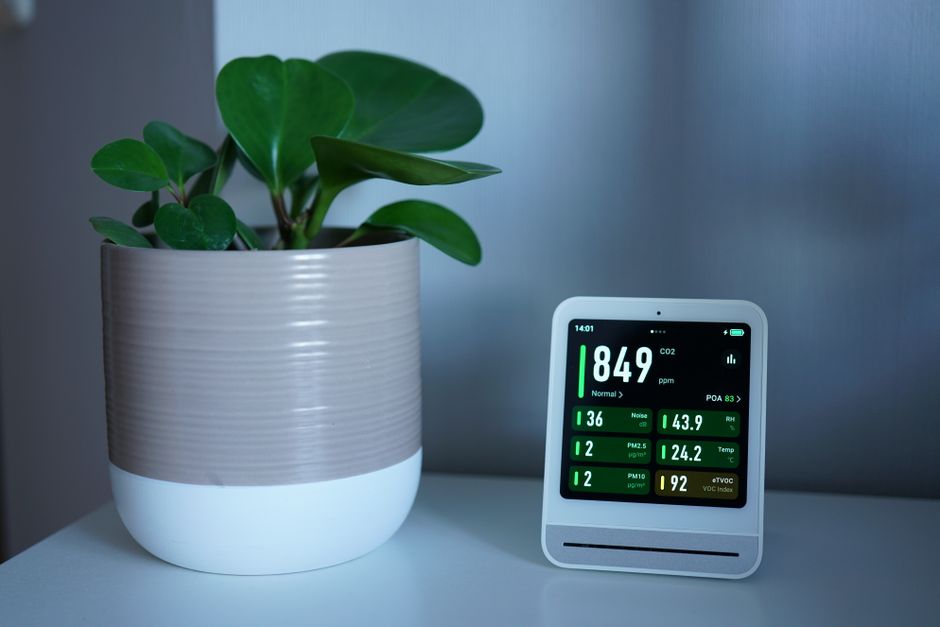
Setup begins after physical installation. Download the manufacturer’s app on your smartphone. Follow the in-app prompts to connect the detector to your home Wi-Fi network. Enter your home address and room location. Add family members who should receive alerts. Most setup processes take under five minutes. Some models require initial calibration, which happens automatically during the first 24 hours of operation.
Installation and Setup Steps
- Choose mounting location: near bedrooms, kitchens, or garages (at least 15 feet from fuel appliances)
- Mount detector: use adhesive strips or screws provided in the package
- Insert batteries: alkaline batteries typically power wireless models
- Download the manufacturer’s mobile app
- Create an account with your email address
- Connect detector to home Wi-Fi network via app
- Enter home address and room location
- Add family members and notification preferences
- Verify connection and test the device
- Place device in normal operation mode
Test your installation by using the manufacturer’s test button. Press and hold the test button until the alarm sounds. This confirms the device is functioning properly and alerts work as expected. Document the installation date for maintenance tracking. Most smart CO detectors require battery replacement annually or when low-battery warnings appear.
Key Takeaway: Smart CO detector installation is simple and takes minutes; setup involves connecting to Wi-Fi and adding family members through a mobile app.
What Are the Benefits of Using a Smart Carbon Monoxide Detector?
Smart carbon monoxide detectors provide comprehensive protection that extends beyond traditional models. The primary benefit is early warning capability. Remote alerts mean you’re notified immediately, regardless of your location. This is especially valuable for vacation homes, rental properties, or homes where occupants spend long hours away. Families with multiple residences can monitor all locations from a single app.
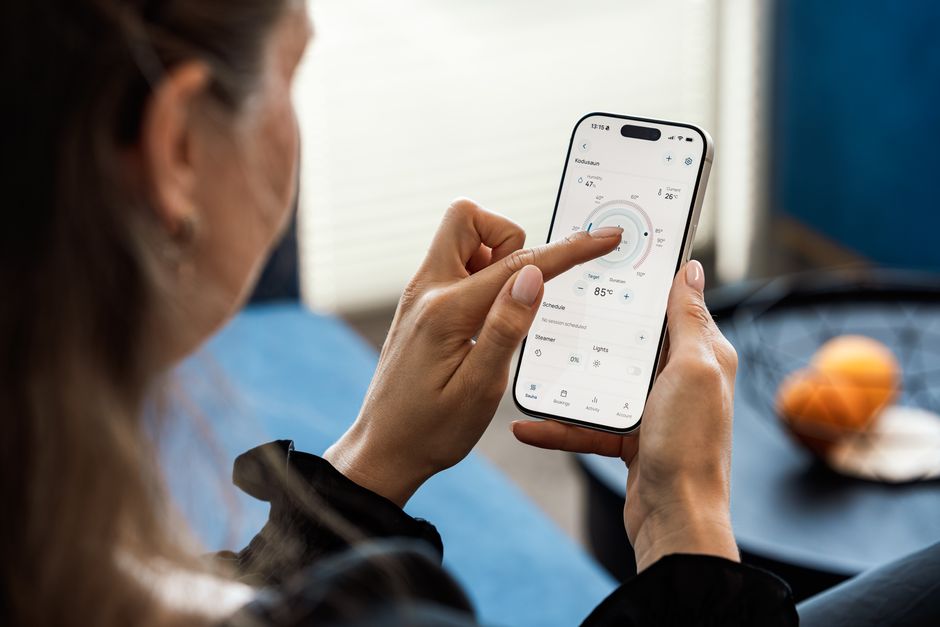
Health and safety improvements are substantial. Carbon monoxide is a silent killer that produces no odor or visible signs. Smart detectors catch problems before they cause harm. The ability to see historical data helps identify chronic low-level CO exposure, which can cause serious health issues over time. Integration with home automation systems allows automatic responses, such as opening windows or activating exhaust fans when CO levels rise.
- Early warning: alerts sent before dangerous levels accumulate
- Remote monitoring: receive notifications from anywhere in the world
- Family protection: multiple users get alerts simultaneously
- Peace of mind: continuous monitoring 24/7
- Data insights: track air quality trends over time
- Automation triggers: automatic ventilation responses to high CO
- Insurance benefits: some insurers offer discounts for smart safety devices
Property protection is another significant advantage. Businesses and rental property owners can monitor multiple units simultaneously. Automated alerts enable rapid response to potential issues, preventing costly damage or liability claims. Smart detectors also provide documentation for insurance purposes, showing that proper safety measures were in place.
Key Takeaway: Smart CO detectors offer early warning, remote monitoring, and automation capabilities that significantly enhance home safety and provide valuable data insights.
What Should You Look for When Choosing a Smart Carbon Monoxide Detector?
Selecting the right smart CO detector requires evaluating several important factors. First, verify that the device meets safety standards established by the Underwriters Laboratories (UL) and NFPA. Look for UL 2034 certification, which is the standard for household CO detectors. This certification ensures the device has been rigorously tested and meets stringent safety requirements. Never purchase a detector without proper certification.
Compatibility with your existing smart home ecosystem is crucial. If you use Amazon Alexa, ensure the detector integrates with Alexa. Google Home users should verify Google integration. Apple HomeKit users need HomeKit-compatible models. Cross-platform compatibility varies by manufacturer. Some premium models work with multiple platforms, while budget options may be limited. Check the manufacturer’s website for current compatibility information.
Key Selection Criteria
- UL 2034 certification: mandatory for safety compliance
- Smart home compatibility: works with your existing ecosystem
- Battery life: typically 1-2 years between replacements
- Alarm volume: at least 85 decibels for adequate hearing
- Response time: detects CO within 3-5 minutes at dangerous levels
- App quality: user-friendly interface with clear notifications
- Customer support: responsive manufacturer assistance available
- Price: quality models range from $40-$150
Consider the physical design and aesthetics. Modern smart CO detectors come in various styles that blend with home décor. Some feature LED displays showing current CO levels. Others have sleek minimalist designs. Choose a style that complements your home while ensuring visibility and accessibility for testing. Wireless models offer flexibility; hardwired models provide consistent power but require professional installation.
Key Takeaway: Choose a UL 2034-certified smart CO detector that integrates with your smart home platform and fits your home’s aesthetic.
How Do Smart Carbon Monoxide Detectors Integrate With Home Automation Systems?
Smart CO detectors connect to home automation systems through Wi-Fi networks and cloud platforms. When integrated with systems like Amazon Alexa or Google Home, they become part of your broader home safety network. Automation rules can trigger specific actions when CO levels rise. For example, a rule might automatically open smart windows or activate exhaust fans when dangerous CO is detected. This automation provides an additional layer of protection beyond simple alerts.
Integration capabilities vary by manufacturer and platform. Some detectors work as standalone devices that only send smartphone notifications. Others offer deep integration with home automation hubs, enabling complex automation scenarios. Premium models often support multiple platforms, giving you flexibility in choosing your smart home ecosystem. Similar to how smart deadbolts integrate with security systems, CO detectors become part of comprehensive home protection.
Common Integration Scenarios
- Smartphone notifications: alerts sent to multiple family members simultaneously
- Voice announcements: Alexa or Google Home announces CO detection
- Automation triggers: activate ventilation when CO levels exceed threshold
- Routine integration: include CO detector status in morning or evening routines
- Multi-device coordination: works with smart thermostats and air quality monitors
- Emergency contact: system can alert emergency services automatically
Professional monitoring services available with some smart CO detectors add another layer of integration. These services connect your detector to a 24/7 monitoring center. When an alarm triggers, trained operators can verify the alert and contact emergency services immediately. This is similar to monitored security systems but specifically for carbon monoxide detection. Professional monitoring typically costs $10-$20 monthly.
Key Takeaway: Smart CO detectors integrate with home automation systems to enable voice alerts, automated responses, and professional monitoring services.
What Are Common Mistakes to Avoid With Smart Carbon Monoxide Detectors?
Many homeowners make mistakes that reduce the effectiveness of their smart CO detectors. The most common error is improper placement. Mounting detectors too close to fuel-burning appliances causes false alarms. Placing them in kitchens near stoves can trigger alerts from normal cooking activities. Install detectors at least 15 feet away from appliances but close enough to bedrooms for audible alarms. Position units at ceiling height where CO tends to accumulate.
Neglecting battery maintenance is another frequent mistake. Smart CO detectors with battery backup require regular battery replacement. Ignoring low-battery warnings leaves your home unprotected when power fails. Many people forget to test their detectors monthly. Testing ensures sensors are functioning properly and alarms work correctly. Mark your calendar for monthly tests. Replace batteries annually or when warnings appear, even if they still have some charge remaining.
Common Installation and Maintenance Mistakes
- Placing detectors too close to fuel-burning appliances: causes false alarms
- Installing in kitchens near cooking areas: triggers unnecessary alerts
- Mounting too low on walls: reduces detection effectiveness
- Ignoring low-battery warnings: leaves home unprotected
- Skipping monthly tests: misses device malfunctions
- Using expired batteries: reduces backup power reliability
- Disabling notifications: defeats the purpose of smart connectivity
- Failing to update app software: misses new features and security patches
Another critical mistake is disabling notifications to reduce alert frequency. Some users turn off alerts after false alarms, inadvertently compromising safety. Instead, investigate why false alarms occur and adjust placement accordingly. Keep the app updated with the latest software versions. Manufacturers regularly release updates that improve detection accuracy and add new features. Outdated app versions may miss important notifications or have security vulnerabilities.
Key Takeaway: Avoid placement mistakes, maintain batteries regularly, test monthly, and keep app software updated for optimal detector performance.
Frequently Asked Questions
How often should you replace batteries in a smart carbon monoxide detector?
Replace batteries annually or whenever the detector sends a low-battery warning, whichever comes first. Most smart CO detectors use standard alkaline batteries that last 12-24 months depending on usage. Some models have rechargeable batteries requiring periodic charging. Check your specific model’s documentation for exact battery replacement intervals. Never ignore low-battery alerts, as they indicate your backup power is compromised.
Can a smart carbon monoxide detector detect other gases?
Smart CO detectors are specifically designed to detect carbon monoxide only. They cannot detect natural gas, methane, or other hazardous gases. For comprehensive home safety, you need dedicated detectors for other gases. Some combination detectors detect both CO and natural gas, but these are less common. Always verify what specific gases a detector monitors before purchasing. Separate detectors provide more reliable specialized detection.
What CO levels trigger alarms in smart detectors?
Smart CO detectors follow UL 2034 standards that specify alarm thresholds. Detectors alarm at 70 ppm for 60 minutes, 35 ppm for 240 minutes, or 400 ppm within 3-15 minutes. These thresholds protect against dangerous CO accumulation while minimizing false alarms. Some smart models display current CO levels on their app, allowing you to monitor trends before reaching alarm thresholds. Lower readings (10-35 ppm) may trigger notifications without full alarms.
Do smart carbon monoxide detectors work without Wi-Fi?
Most smart CO detectors have dual-mode operation. They function as traditional detectors with local alarms even without Wi-Fi connectivity. However, you lose remote notification capabilities if Wi-Fi is unavailable. Some models store data locally and sync when connection is restored. For reliable protection, maintain stable Wi-Fi coverage throughout your home. Consider a Wi-Fi mesh system if you have dead zones. Battery backup ensures operation during power outages.
How much do quality smart carbon monoxide detectors cost?
Quality smart CO detectors range from $40 to $150 depending on features and brand reputation. Basic models with essential smart features cost $40-$70. Mid-range models with advanced features and better integration cost $70-$100. Premium models with professional monitoring and multiple platform support cost $100-$150. While more expensive models offer additional features, even budget options provide reliable detection and smartphone alerts when properly installed and maintained.
Can you install smart CO detectors yourself or do you need a professional?
Most homeowners can install smart CO detectors themselves without professional help. Wireless models require only mounting and Wi-Fi connection setup. Hardwired models require electrical work and may need professional installation. Check local building codes, as some jurisdictions mandate professional installation. Rental properties often have specific installation requirements. If you’re uncomfortable with installation, hiring a professional electrician costs $100-$300. Self-installation typically takes 15-30 minutes per detector.
Are Smart Carbon Monoxide Detectors Worth the Investment in 2026?
Smart carbon monoxide detectors have become essential safety devices for modern homes. The combination of reliable CO detection with remote monitoring capabilities provides protection that traditional detectors cannot match. In 2026, these devices are affordable, user-friendly, and integrate seamlessly with popular smart home platforms. The investment typically pays for itself through increased safety, peace of mind, and potential insurance discounts. Most experts recommend installing at least one smart CO detector per residential level.
The technology has matured significantly, with most major manufacturers offering reliable options at reasonable prices. Installation is simple enough for homeowners to handle independently. Integration with existing smart home systems means these devices enhance your overall home automation setup without requiring separate monitoring services. For families with young children, elderly members, or anyone concerned about indoor air quality, smart CO detectors represent a worthwhile investment in health and safety.
Consider your home’s specific needs when deciding. If you have gas appliances, fireplaces, or garages, smart CO detection is highly recommended. If you spend extended periods away from home, remote monitoring becomes invaluable. Combine smart CO detectors with smart smoke detectors for comprehensive fire and gas safety. The relatively modest cost provides substantial protection and peace of mind for you and your family.
Key Takeaway: Smart carbon monoxide detectors are affordable, reliable, and provide essential protection that justifies the investment for most homeowners in 2026.




Write Your Review
No reviews yet. Be the first to share your experience!