

Are Robot Vacuum Mop Combos Worth It in 2026? Quick Answer
Robot vacuum mop combos offer genuine convenience for busy households, combining two cleaning tasks into one automated device. In August 2026, these hybrids cost between $400 and $1,200, delivering solid vacuuming and light mopping for hard floors. They work best in homes with mostly hard flooring, minimal pet hair, and predictable layouts. However, they sacrifice specialized performance—neither vacuuming nor mopping matches dedicated single-purpose robots. If you value time savings over pristine floors, a combo makes sense. If you have extensive carpeting or high-traffic areas requiring deep cleaning, separate devices or traditional cleaning methods may serve you better.
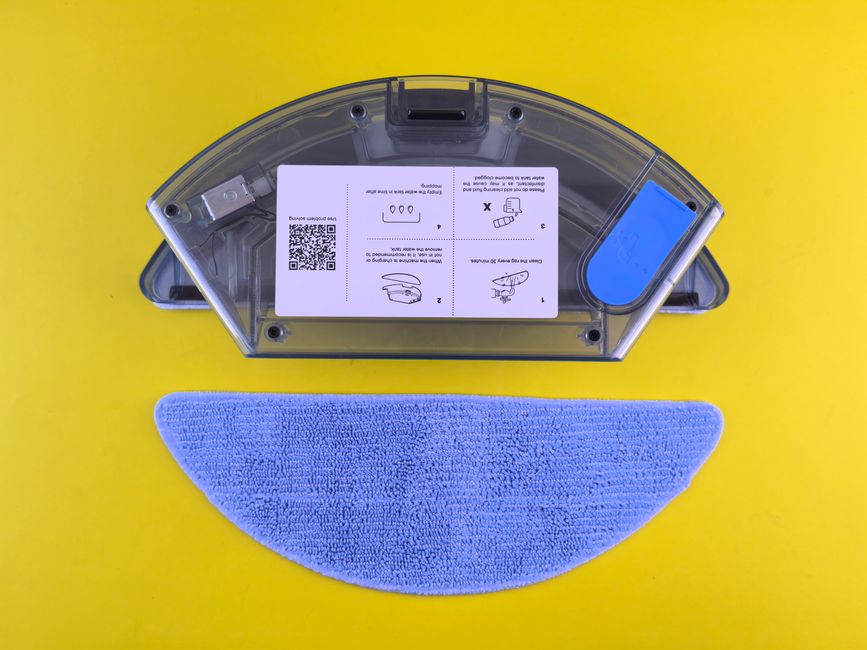
The 2026 market has matured significantly since these combos first launched. Modern models feature improved water tank management, better navigation using LiDAR and visual mapping technology, and smarter carpet detection. Manufacturers have addressed earlier reliability issues, making current generation combos more dependable. Your decision ultimately depends on your home layout, flooring type, budget, and cleaning standards.
What Are the Real Cost Benefits of Robot Vacuum Mop Combos?
Purchasing a combo device costs less upfront than buying separate vacuum and mop robots. A quality combo runs $600 to $1,000, while a premium vacuum ($800) plus a dedicated mop ($500) totals $1,300. The combo saves roughly $300 to $500 initially. However, maintenance costs matter too—you’ll replace water tanks, microfiber pads, and filters regularly.
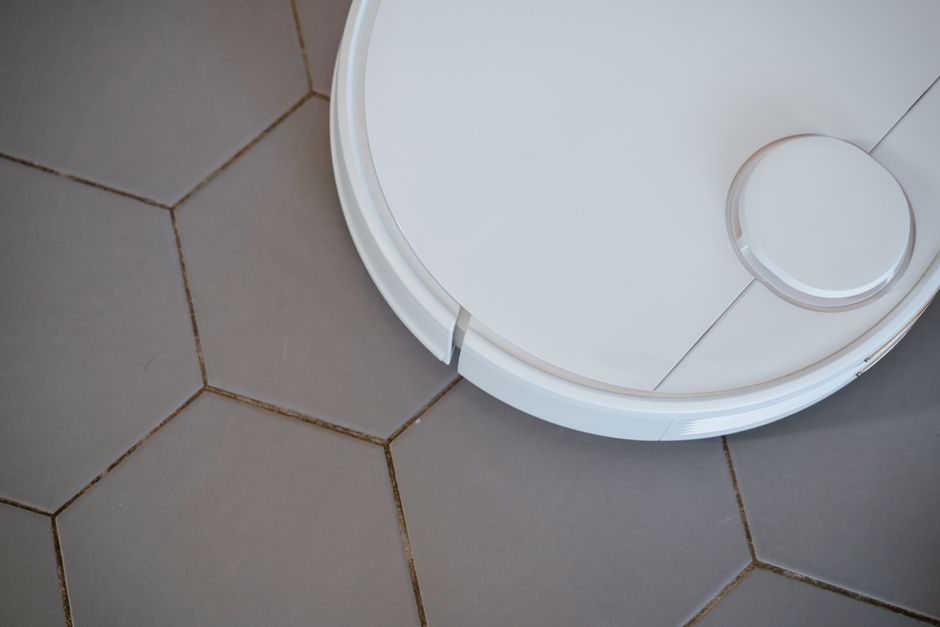
Time savings represent the largest financial benefit. A combo robot cleans your entire home automatically while you work or sleep. This eliminates manual mopping entirely, saving 5 to 10 hours monthly. For busy professionals, parents, and elderly individuals, this convenience justifies the investment alone.
Hidden Costs to Consider
- Water tank replacements: $30 to $60 every 12-18 months.
- Microfiber pad sets: $20 to $50 per replacement (needed every 2-3 months).
- Filter replacements: $15 to $40 quarterly.
- Software subscriptions: Some premium models charge $5 to $10 monthly for advanced features.
- Maintenance supplies: Cleaning solution and tank cleaning tools add $10 to $20 annually.
Key Takeaway: Combos save money upfront but require ongoing maintenance expenses that offset initial savings over three years.
How Well Do Robot Vacuum Mop Combos Actually Clean?
Vacuuming performance in 2026 combos reaches 90 to 95 percent of dedicated robot vacuums. Modern models generate 2,500 to 4,000 Pa of suction power, handling pet hair, dust, and debris effectively on hard floors. However, they struggle with thick carpeting and high-pile rugs due to their lightweight design and compact brush systems.
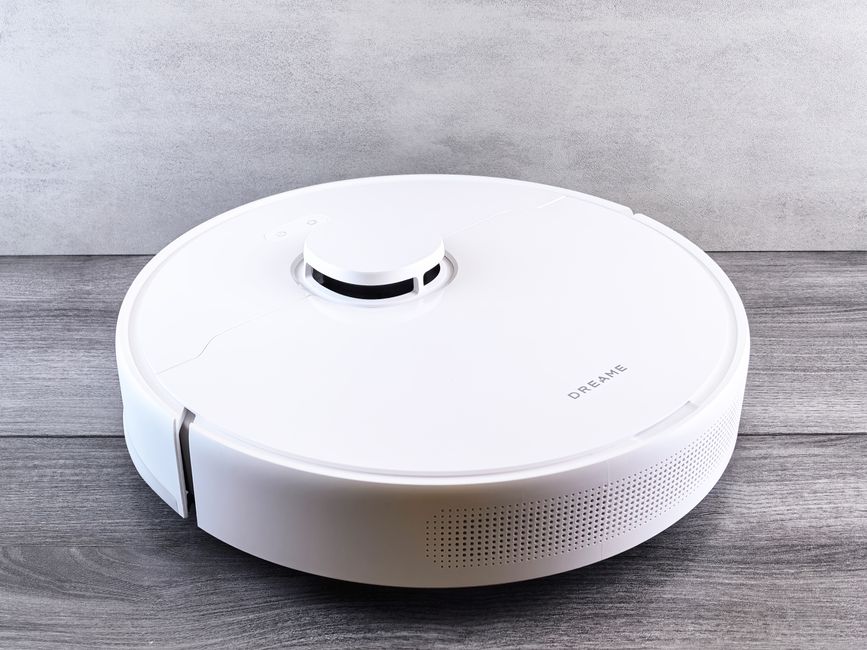
Mopping capability remains the combo’s weakest feature. These devices use damp microfiber pads instead of traditional mop heads, delivering light surface cleaning only. They cannot remove stubborn stains, dried spills, or ground-in dirt. Think of combo mopping as dust removal for hard floors, not deep cleaning.
Cleaning Performance by Floor Type
- Hard floors (tile, laminate, vinyl): Excellent vacuuming and light mopping results.
- Low-pile carpet: Good vacuuming performance with automatic carpet detection.
- High-pile carpet: Poor vacuuming due to brush limitations.
- Mixed flooring: Decent overall performance with some transition challenges.
- Grout lines: Minimal effectiveness; manual cleaning still necessary.
Carpet detection technology improved significantly in 2026. Most quality combos now recognize carpet automatically and either skip mopping or lift their water tanks completely. This prevents water damage and unnecessary soaking.
Key Takeaway: Combos excel at maintaining clean hard floors but cannot replace deep cleaning or specialized carpet care.
What Are the Practical Limitations of Robot Vacuum Mop Combos?
Water management presents ongoing challenges. Combo tanks hold only 200 to 300 milliliters of water, limiting cleaning coverage to homes under 1,500 square feet without refilling. Larger homes require manual tank refills mid-cycle, defeating the automation advantage. Water drips occasionally occur during transitions between rooms or near doorways.
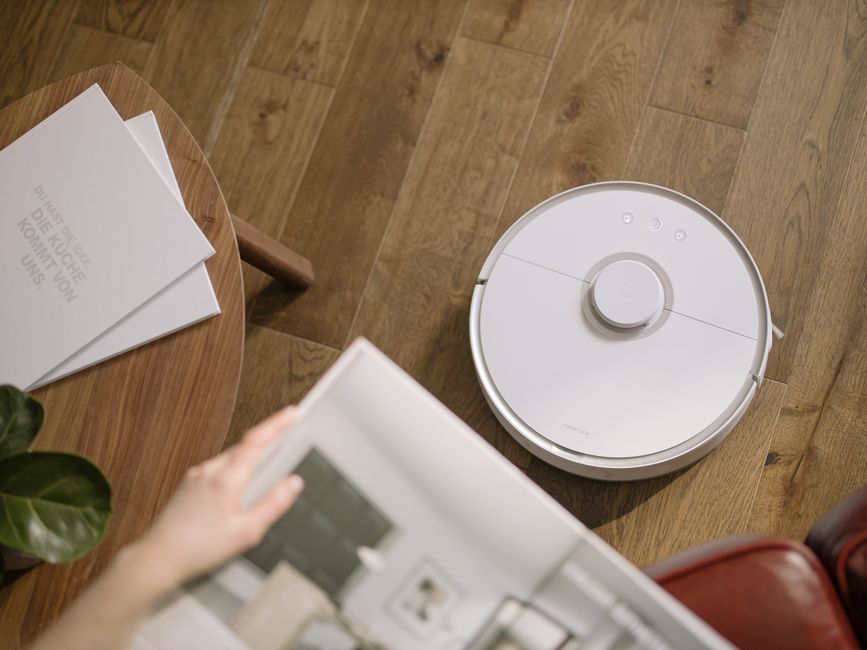
Navigation and obstacle avoidance have improved, but edge cleaning remains weak. These robots cannot reach corners, baseboards, or under furniture effectively. You’ll still need a handheld vacuum or broom for these areas monthly. Additionally, they struggle with stairs, thick rugs, and complex layouts with many small rooms.
Common Real-World Issues
- Water leaks on carpeted areas despite carpet detection technology.
- Missed spots along walls and furniture edges.
- Tangled hair and debris in brush rollers requiring weekly cleaning.
- Reduced battery life when running both vacuum and mop functions simultaneously.
- Difficulty returning to dock if water tanks make the robot heavier than designed.
- Microfiber pads wear quickly and need frequent replacement.
Battery life typically ranges from 90 to 150 minutes. For homes over 2,000 square feet, a single charge may not complete both vacuuming and mopping. The robot might need to dock mid-cleaning, interrupting the process.
Key Takeaway: Combos require supplemental manual cleaning and work best in smaller homes with simple layouts.
How Do Robot Vacuum Mop Combos Compare to Pet Hair Challenges?
If you own pets, a combo robot demands careful consideration. These devices handle loose pet hair moderately well but struggle with hair tangling in brush rollers. You’ll need to clean the brush weekly, sometimes twice weekly if you have shedding dogs or cats. For detailed guidance on this topic, see our complete guide on robot vacuums and pet hair.
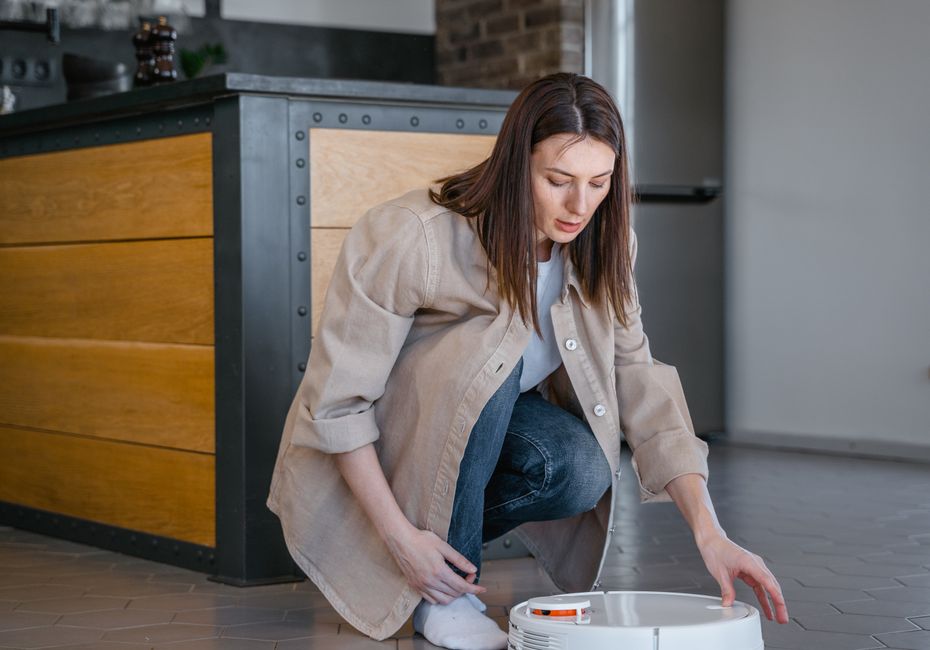
The mopping function complicates pet ownership further. Water tanks sitting on your floors create spill risks around litter boxes or food bowls. Some pet owners report their robots tracking water and wet paw prints throughout the home. If you have multiple pets, consider whether the convenience justifies these complications.
Key Takeaway: Pet owners should expect frequent maintenance and potential water-related messes with combo robots.
What Practical Tips Help You Get the Most from a Robot Vacuum Mop Combo?
Success with a combo robot requires preparation and realistic expectations. Follow these strategies to maximize performance and lifespan.
Pre-Use Home Preparation
- Clear floors of small objects, cables, and pet toys daily before running the robot.
- Close doors to rooms you don’t want cleaned to reduce confusion and improve battery efficiency.
- Designate a permanent charging dock location away from water sources and direct sunlight.
- Ensure your home WiFi covers all areas for reliable app control and mapping.
- Remove or secure rugs with rubber backing that might stick to the robot’s wheels.
Maintenance Schedule
- Clean brush rollers weekly to prevent hair tangles and maintain suction power.
- Empty the dustbin after every 2-3 cleaning cycles for optimal performance.
- Wash microfiber pads every 1-2 weeks and replace them monthly for best mopping results.
- Inspect wheels and sensors monthly for debris buildup affecting navigation.
- Replace filters quarterly or when you notice reduced suction.
- Deep clean the water tank monthly to prevent mold and bacterial growth.
Optimization Tips
Schedule cleaning runs during off-peak hours when your household is away. This prevents disruptions and allows the robot to work uninterrupted. Most models offer scheduling through their smartphone apps. For homes with multiple levels, consider running the combo on each floor separately rather than attempting stairs.
Use the app’s no-go zone feature to prevent the robot from entering areas with delicate items or water-sensitive materials. Create separate cleaning zones for vacuuming-only and mopping-only areas if your home layout allows. This prevents unnecessary water exposure to carpeted sections.
Review the recommended cleaning frequency for robot vacuums to determine optimal scheduling for your household. Most experts suggest running the device 3 to 5 times weekly for maintained cleanliness without excessive wear.
Key Takeaway: Proper preparation, regular maintenance, and smart scheduling unlock the full potential of robot vacuum mop combos.
Frequently Asked Questions
Can robot vacuum mop combos handle pet hair effectively?
Combos handle loose pet hair moderately well but require weekly brush cleaning to prevent tangles. They work better for single-pet households than multi-pet homes. Cats and smaller dogs produce less problematic hair than large shedding breeds. If pet hair is your primary concern, a dedicated robot vacuum may serve you better.
How much water do robot vacuum mop combos use?
Water tanks hold 200 to 300 milliliters, covering approximately 500 to 1,000 square feet before requiring refills. Larger homes need manual tank refilling mid-cycle. Water usage is minimal compared to traditional mopping, making these robots water-efficient for maintaining hard floors between deep cleans.
Do robot vacuum mop combos work on carpet?
Modern combos detect carpet automatically and either skip mopping or lift water tanks to prevent damage. Vacuuming performance on low-pile carpet is good, but high-pile carpet poses challenges. Homes with mixed flooring see the best results, while predominantly carpeted homes should consider dedicated vacuums instead.
How long do robot vacuum mop combos last?
Quality combos typically last 4 to 6 years with proper maintenance. Battery degradation becomes noticeable after 3 years. Brush rollers, filters, and microfiber pads require regular replacement throughout the device’s lifespan. Manufacturer warranty coverage varies from 1 to 3 years, affecting long-term value.
Are robot vacuum mop combos loud?
Most combos operate at 65 to 75 decibels, comparable to traditional vacuum cleaners. Newer 2026 models feature improved noise reduction technology. Running the robot during daytime hours or when household members are away minimizes disruption. Sound levels vary by brand and model.
What’s the best room size for a robot vacuum mop combo?
Combos perform optimally in homes under 1,500 square feet with simple layouts and minimal obstacles. Larger homes require multiple charging cycles or manual tank refills. Open-concept living spaces work better than homes with many small rooms that confuse navigation systems.
Is a Robot Vacuum Mop Combo the Right Choice for Your Home in 2026?
Robot vacuum mop combos represent a genuine convenience advancement for specific households. They deliver real time savings, eliminate manual mopping, and maintain clean hard floors with minimal effort. The technology has matured significantly by August 2026, with improved reliability and smarter features than earlier generations.
However, they demand honest assessment of your home’s needs. If you have extensive carpeting, multiple pets, or high-traffic areas requiring deep cleaning, combos disappoint. They excel in homes with primarily hard flooring, simple layouts, and moderate cleaning demands. Budget-conscious buyers should weigh the $600 to $1,000 investment against ongoing maintenance costs and potential supplemental cleaning needs.
The best approach involves evaluating your specific situation: household size, floor type distribution, pet ownership, and cleaning standards. Combos work wonderfully for busy professionals in apartments or small homes. They frustrate owners of large houses with complex layouts who expect pristine results. Consider renting or borrowing a combo for a week to test whether the convenience justifies the expense in your particular situation. This hands-on trial prevents expensive mistakes and reveals whether automation truly fits your lifestyle.


Write Your Review
No reviews yet. Be the first to share your experience!