

How Do Smart Water Leak Sensors Save Energy and Money in 2026?
Smart water leak sensors detect leaks early and prevent water waste, directly reducing your energy consumption and utility bills in 2026. These devices monitor water flow in real-time, alerting you instantly when abnormal usage occurs—whether from burst pipes, running toilets, or hidden leaks. By catching problems before they escalate, you save thousands on water bills, prevent expensive property damage, and reduce the energy required to heat and treat wasted water. Most modern sensors integrate with smart home systems, offering automated shutoff capabilities and detailed usage reports. Studies show homeowners can save 10-15% on water bills annually with leak detection, while preventing energy waste from heating unnecessary water. Beyond financial savings, early leak detection protects your home’s structural integrity and reduces environmental impact by conserving one of our most precious resources.
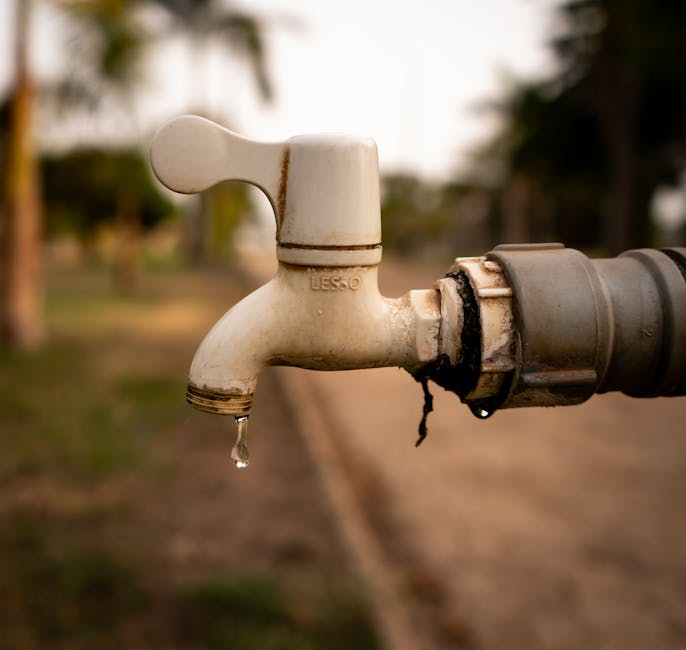
The connection between water waste and energy consumption runs deeper than many realize. Heating water accounts for approximately 15-20% of household energy use, according to the U.S. Department of Energy. When water leaks silently through your plumbing system, your water heater works overtime to replace lost hot water, consuming additional energy. Smart leak sensors eliminate this waste by identifying problems within hours rather than weeks or months. In 2026, these devices have become increasingly affordable, reliable, and easy to install, making them an essential component of any energy-conscious smart home strategy. Whether you’re concerned about environmental responsibility, rising utility costs, or protecting your investment, smart water leak sensors offer measurable returns and peace of mind.
What Types of Smart Water Leak Sensors Are Available in 2026?
Smart water leak sensors come in several distinct categories, each designed for different monitoring needs and home configurations. Understanding the differences helps you choose the right solution for your specific situation.
Point-of-Use Leak Detectors
These compact sensors attach directly to pipes, water heaters, or appliances to detect moisture and leaks at specific locations. Point-of-use detectors are ideal for protecting high-risk areas like under sinks, near water heaters, washing machines, and dishwashers. They typically feature battery-powered wireless connectivity and alert you through smartphone notifications when moisture is detected. Installation is straightforward—simply place them in vulnerable spots and connect them to your smart home hub. These sensors are affordable, ranging from $20-50 per unit, making it cost-effective to monitor multiple locations throughout your home.
Whole-Home Water Shutoff Systems
Advanced systems install at your main water line and monitor total household water consumption in real-time. These devices detect unusual flow patterns indicating major leaks and can automatically shut off your water supply to prevent catastrophic damage. Whole-home systems provide comprehensive protection and detailed usage analytics through mobile apps. Installation typically requires professional plumbing work, costing $500-2,000 depending on your home’s plumbing complexity. However, the investment pays dividends through prevented water damage claims and consistent energy savings. Many insurance companies now offer premium discounts for homes with automatic water shutoff systems.
Smart Water Meters with Leak Detection
These devices replace or augment your existing water meter, providing granular consumption data and leak alerts. Smart meters track usage patterns by hour, day, and week, helping you identify inefficient appliances and behavioral changes. Advanced models use artificial intelligence to distinguish between normal usage spikes and potential leaks. They integrate seamlessly with energy monitoring dashboards, similar to the real-time home energy monitoring systems available for Home Assistant in 2026. Smart meters cost $100-400 installed, though some water utilities offer rebates for installation.
Why Should You Install Smart Water Leak Sensors Before Summer 2026?
Spring and early summer represent critical installation windows for leak detection systems. Seasonal changes, increased outdoor water usage for landscaping, and higher temperatures all contribute to increased leak risks during warmer months.

Seasonal Risk Factors
As temperatures rise in May and June, water pressure in outdoor lines increases, stressing older pipes and connections. Frozen pipes from winter may have developed hairline cracks that only become apparent under summer pressure. Additionally, homeowners increase irrigation system usage, creating new opportunities for leaks at outdoor spigots and underground lines. Installing sensors before peak season ensures you’re protected when water usage—and potential waste—peaks.
Summer Vacation Leak Prevention
Many families take extended vacations during summer months. Without leak detection, a burst pipe or malfunctioning appliance could waste thousands of gallons while you’re away, resulting in massive water bills and property damage. Smart sensors with automatic shutoff capabilities provide remote monitoring and emergency protection. You can receive alerts on your phone from anywhere in the world and authorize automatic water shutoff to prevent catastrophic damage. This peace of mind is invaluable for extended trips.
Lower Installation Costs and Faster Service
Spring and early summer offer the best availability for professional installation services. Plumbers are less busy than during winter emergencies, and you’ll typically pay lower service rates. Waiting until fall or winter means competing with emergency repairs and seasonal demand, driving up costs significantly. Installing now also gives you several months to verify system functionality before winter arrives.
How Do You Choose the Right Smart Water Leak Sensor for Your Home?
Selecting the appropriate leak detection solution requires evaluating your home’s plumbing configuration, budget, and desired level of automation. Consider these key factors when making your decision.
Assess Your Home’s Plumbing Vulnerabilities
Begin by identifying high-risk areas prone to leaks. Older homes with galvanized pipes, homes in areas with hard water, and properties with previous water damage require more comprehensive monitoring. Walk through your home and note locations of water heaters, washing machines, dishwashers, water softeners, and main shutoff valves. Homes with basements or crawl spaces should prioritize sensors in these areas where leaks often go unnoticed. Properties with extensive outdoor irrigation systems need sensors monitoring irrigation lines and outdoor spigots. Create a map of vulnerable locations to determine how many point-of-use sensors you’ll need or whether a whole-home system makes more sense.
Evaluate Smart Home Integration Compatibility
Ensure your chosen leak sensors integrate with your existing smart home ecosystem. If you use Home Assistant for energy dashboard monitoring, select sensors compatible with Home Assistant’s integration library. If you’re invested in Amazon Alexa, Google Home, or Apple HomeKit, verify compatibility before purchasing. Some sensors work with multiple platforms, while others are ecosystem-specific. Integration compatibility determines whether you can receive unified alerts, automate responses, and view leak data alongside other energy consumption metrics.
Consider Budget and ROI Timeline
Point-of-use sensors cost $20-50 each and require minimal installation investment, making them ideal for budget-conscious homeowners. Whole-home systems range from $500-2,000 installed but provide comprehensive protection and faster ROI through prevented damage claims. Calculate your potential savings by researching average water bills in your area and estimating leak detection’s impact. Most homeowners recoup their investment within 1-3 years through reduced water bills and prevented damage claims. If you’re in an area with high water costs or have a history of plumbing issues, whole-home systems offer better long-term value.
Research Reliability and Customer Reviews
Check independent reviews on Amazon, Consumer Reports, and smart home forums to evaluate sensor reliability and customer satisfaction. Look for devices with 4.5+ star ratings and read detailed user feedback about false alarms, battery life, and customer support quality. Avoid extremely cheap sensors with numerous complaints about unreliability—false alarms create alert fatigue and reduce trust in the system. Premium brands like Fibaro, Eve Water Guard, and Moen offer excellent reliability and integration options, though they cost more than budget alternatives. Balance cost with reliability to ensure your system functions when you need it most.
What Practical Steps Should You Take to Maximize Energy Savings with Smart Water Leak Sensors?
Installing sensors is just the first step. Implementing these practical strategies ensures you capture maximum energy and financial benefits from your leak detection system.
Establish Baseline Water Usage Metrics
Before installing leak sensors, document your current water consumption patterns. Check your water bill for average monthly usage and note typical daily consumption during different seasons. If your sensor system provides usage analytics, use this baseline to identify unusual patterns indicating leaks. Many smart sensors track consumption by hour, allowing you to pinpoint when leaks occur. For example, if consumption spikes at 2 AM when no one is awake, you’ve identified a nighttime leak requiring investigation. Establish these baselines within the first week of installation to maximize detection accuracy.
Configure Automated Alerts and Shutoff Thresholds
Work with your sensor system to set appropriate alert thresholds that catch real leaks without generating false alarms. Most systems allow customization of sensitivity levels and alert timing. Set alerts to trigger when usage exceeds normal patterns by 20-30%, which typically indicates a genuine leak while avoiding false alarms from temporary usage spikes. If your system supports automatic shutoff, configure it to activate only after confirming abnormal usage patterns for several minutes, preventing accidental shutoffs during legitimate high-demand activities like filling a pool or washing the car. Test these settings thoroughly during the first month to ensure optimal performance.
Combine Leak Detection with Water Heating Optimization
Smart leak sensors work synergistically with other home energy systems. Pair leak detection with geofencing technology that optimizes heating and cooling to maximize overall energy savings. When you’re away from home, geofencing can reduce water heater temperature settings, knowing that leak detection will alert you to any significant water loss. This combination prevents energy waste from maintaining hot water when no one is home while providing protection against leaks. Similarly, integrate leak sensor data into your home energy monitoring dashboard to visualize how water heating impacts overall consumption.
Schedule Regular Maintenance and System Testing
Test your leak detection system monthly by running water for a few minutes and verifying that sensors detect the activity. Replace batteries in wireless sensors every 6-12 months, depending on the manufacturer’s specifications. Inspect sensor placement quarterly to ensure they remain in optimal positions and haven’t been accidentally moved or covered. For whole-home systems, schedule annual professional inspections to verify proper calibration and functionality. Regular maintenance prevents system failures that could leave you unprotected during actual leak emergencies.
Monitor and Analyze Usage Reports
Review your sensor’s usage analytics weekly during the first month, then monthly thereafter. Most smart systems provide detailed reports showing consumption patterns, peak usage times, and trend analysis. Look for gradual increases in baseline consumption, which may indicate slow leaks developing over time. Compare winter and summer usage to understand seasonal variations and identify anomalies. Share these reports with family members to encourage water conservation behaviors. Some sensors integrate with broader smart home energy dashboards, allowing you to correlate water heating energy use with overall consumption patterns and identify efficiency opportunities.
What Common Mistakes Should You Avoid When Installing Smart Water Leak Sensors?
Understanding common installation and usage mistakes helps you maximize your system’s effectiveness and avoid costly errors.
Placing Sensors in Suboptimal Locations
The most common mistake is installing sensors in locations where they won’t detect the leaks you’re most concerned about. Point-of-use sensors must be positioned directly under vulnerable connections and appliances. A sensor placed near your water heater won’t detect leaks in your upstairs bathroom or kitchen. Create a comprehensive monitoring plan covering all high-risk areas before purchasing sensors. For whole-home systems, ensure the main water line sensor is installed at the proper location where it can accurately measure all household consumption without interference from outdoor irrigation systems you want to monitor separately.
Ignoring Smart Home Integration Requirements
Purchasing sensors incompatible with your smart home ecosystem creates frustration and reduces functionality. Before buying, verify compatibility with your smart home hub, smartphone platform, and any automation systems you use. Some budget sensors only work with proprietary apps, limiting integration with other smart home devices. This prevents you from creating automated responses to leaks or viewing leak data alongside energy consumption metrics. Investing in compatible sensors ensures seamless integration and maximum automation potential.
Neglecting Battery Management
Wireless sensors require regular battery replacement, and many homeowners forget this maintenance task. Dead batteries leave you unprotected without your knowledge. Establish a battery replacement schedule and set phone reminders for replacement dates. Consider sensors with extended battery life or those that provide low-battery warnings well in advance. Some premium sensors offer USB charging or solar charging options, eliminating battery replacement hassles. Budget for battery costs when calculating the total cost of ownership.
Setting Inappropriate Alert Thresholds
Overly sensitive settings generate false alarms that create alert fatigue and reduce system trust. Conversely, insensitive settings may miss small leaks that develop gradually. Work with your sensor’s documentation to understand appropriate threshold settings for your home’s size and usage patterns. Adjust settings during the first month based on actual performance. Most systems allow fine-tuning without requiring professional intervention. Contact manufacturer support if you’re uncertain about optimal settings for your specific situation.
Failing to Educate Family Members
Smart leak sensors only provide value if everyone in your household understands the system and responds appropriately to alerts. Educate family members about sensor locations, alert meanings, and emergency procedures. Ensure everyone knows how to shut off water manually if automatic shutoff fails. Discuss water conservation behaviors that complement your leak detection system. Create a household guide documenting sensor locations, alert response procedures, and emergency contact information for plumbers. This education ensures the entire household acts as a team to maximize water conservation and energy savings.
Frequently Asked Questions
How much money can smart water leak sensors save annually?
Homeowners typically save 10-15% on water bills annually with leak detection, translating to $100-300+ depending on local water costs and leak frequency. Preventing major water damage claims saves thousands in repair costs. Energy savings from reduced water heating average $50-150 yearly. Total annual savings often exceed $300-500 when combining water bill reductions, energy savings, and prevented damage claims.
Do smart water leak sensors work without Wi-Fi?
Most modern smart water leak sensors require Wi-Fi or Bluetooth connectivity for remote alerts and smart home integration. However, some basic models include local alert capabilities through buzzers or lights without internet connection. For comprehensive remote monitoring and automation, Wi-Fi connectivity is necessary. If Wi-Fi reliability concerns you, choose sensors with cellular backup options or hybrid systems supporting multiple connectivity methods.
Can I install smart water leak sensors myself?
Point-of-use sensors are simple to install yourself—just place them under pipes and appliances. Whole-home systems require professional plumbing installation at your main water line, typically costing $500-2,000. Professional installation ensures proper placement, calibration, and integration with your home’s plumbing system. If you’re comfortable with basic plumbing, you might handle point-of-use installation while hiring professionals for whole-home systems.
What’s the difference between leak sensors and water shut-off valves?
Leak sensors detect water leaks and alert you but don’t stop water flow. Automatic water shutoff valves physically stop water supply when leaks are detected, preventing catastrophic damage. Many modern systems combine both technologies—sensors detect leaks while shutoff valves prevent water damage. Shutoff valves provide superior protection but cost more and require professional installation. Choose based on your risk tolerance and budget.
How often should I replace smart water leak sensor batteries?
Most wireless sensors require battery replacement every 6-12 months, depending on usage frequency and battery type. Premium sensors with extended battery life last 18-24 months. Always follow manufacturer recommendations and replace batteries before they die completely. Set phone reminders 2-3 weeks before expected replacement dates to ensure continuous protection. Some newer models offer USB charging or solar charging options eliminating battery replacement needs.
Do insurance companies offer discounts for smart water leak sensors?
Many homeowners insurance companies offer premium discounts of 5-15% for homes with automatic water shutoff systems or comprehensive leak detection. Contact your insurance provider to inquire about available discounts and specific system requirements. Some insurers require professional installation certification or annual system inspections. Discount savings often offset sensor and installation costs within 2-3 years, making them financially advantageous beyond direct water bill savings.
Is Installing Smart Water Leak Sensors Worth It in 2026?
Smart water leak sensors represent one of the most cost-effective smart home investments available in 2026, offering rapid return on investment through energy savings, reduced water bills, and prevented property damage. For homeowners concerned about rising utility costs, environmental conservation, or protecting their property investment, leak detection systems provide measurable, quantifiable benefits. The technology has matured significantly, with reliable options available at various price points suitable for any budget.
The financial case is compelling. Average annual savings of $300-500 combined with prevented water damage claims often recover your initial investment within 1-3 years. Beyond financial considerations, early leak detection protects your home’s structural integrity, prevents mold growth, and conserves precious water resources. In 2026, as climate change intensifies water scarcity concerns and utility costs continue rising, proactive leak detection becomes increasingly valuable.
For comprehensive energy management, integrate smart water leak sensors with other home automation systems. Combine them with smart home energy dashboards, smart plugs for appliance monitoring, and smart blinds for thermal efficiency to create a comprehensive energy management system. This holistic approach maximizes overall savings and provides detailed insights into your home’s energy consumption patterns.
The best time to install smart water leak sensors is now, before summer peak season arrives. Spring 2026 offers optimal conditions for installation with lower service costs, faster availability, and time to test systems before peak usage periods. Whether you choose affordable point-of-use sensors or comprehensive whole-home systems, the investment in leak detection pays dividends through reduced utility bills, prevented damage claims, and peace of mind knowing your home is protected against costly water waste.








Write Your Review
No reviews yet. Be the first to share your experience!