
How Do Smart Blinds and Shades Save Energy in 2026?
Smart blinds and shades reduce energy consumption by automatically controlling solar heat gain and natural light throughout the day, potentially lowering cooling and heating costs by 10-25 percent. These intelligent window coverings use sensors and scheduling to close during peak sun hours, blocking heat in summer and retaining warmth in winter. By integrating with your home’s climate system, smart blinds minimize the workload on air conditioning and heating equipment, directly reducing monthly energy bills. Unlike traditional blinds requiring manual adjustment, automated systems respond in real-time to temperature changes, time of day, and weather conditions. In 2026, most smart blinds connect to home automation platforms like Home Assistant or Amazon Alexa, enabling seamless integration with thermostats and energy monitoring systems. The key advantage is consistency—automated blinds never forget to close, ensuring your home maintains optimal temperature control 24/7. Combined with other smart home devices designed to save energy, smart window coverings form a comprehensive efficiency strategy. Installation requires minimal effort, and modern systems retrofit existing windows without renovation.
Why Do Smart Blinds Reduce Energy Consumption More Effectively Than Manual Blinds?
Traditional manual blinds depend on occupant behavior—people often forget to close them during peak heat hours or leave them open when insulation is needed. This inconsistency allows significant solar heat gain in summer and thermal loss in winter, forcing heating and cooling systems to work harder. Smart blinds eliminate human error through automated scheduling and sensor-driven responses.
Solar Heat Gain Control
During summer months, solar radiation through windows accounts for 25-30 percent of cooling load in typical homes. Smart blinds can be programmed to close automatically when outdoor temperatures exceed a set threshold or when the sun reaches specific window angles. Motorized shades equipped with light sensors detect incoming solar radiation and lower automatically, blocking direct sunlight before it enters your home. This proactive approach prevents heat from entering your living space, reducing air conditioning runtime and energy consumption. Research from the U.S. Department of Energy indicates that properly managed window coverings can reduce cooling costs by up to 25 percent.
Winter Heat Retention
In cold months, smart blinds open during daylight hours to capture passive solar heating, then close at sunset to create an insulating barrier against heat loss. This dual-action approach maximizes free heat from the sun while minimizing thermal radiation escaping through windows at night. Cellular shades with honeycomb structures provide additional insulation value, trapping air in their chambers. When combined with smart scheduling, these coverings can reduce heating energy needs by 10-15 percent during winter.
Integration with Climate Control Systems
The greatest efficiency gains occur when smart blinds communicate with your thermostat and home automation hub. As blinds close and reduce solar heat gain, the system recognizes reduced cooling demand and adjusts thermostat setpoints accordingly. This coordinated approach prevents overshooting—where the AC runs longer than necessary because it doesn’t account for the insulation benefit of closed blinds. Platforms like Home Assistant enable complex automation rules that consider time of day, weather forecasts, occupancy patterns, and energy prices.
What Types of Smart Blinds and Shades Are Available in 2026?
The smart window covering market in 2026 includes retrofit motors for existing blinds, fully integrated smart shades, and hybrid systems combining manual and motorized operation. Each category offers distinct advantages depending on your existing setup and budget.
Motorized Roller Shades
Roller shades are the most popular smart shade type due to their simplicity and retrofit compatibility. These systems feature a motorized tube that rolls fabric up or down, controlled via smartphone app, voice commands, or automated schedules. Modern roller shades include solar sensors that detect sunlight intensity and can adjust independently without requiring a hub. They work well for large windows and sliding glass doors, providing complete light blocking and thermal control. Typical energy savings range from 15-20 percent when used with temperature-based automation.
Cellular and Honeycomb Shades
Cellular shades feature honeycomb-structured cells that trap air, providing superior insulation compared to flat fabrics. When motorized, these shades offer both light control and thermal efficiency. Double-cell designs create two air pockets, enhancing insulating value during extreme temperatures. They’re ideal for bedrooms and living areas where both privacy and energy efficiency matter. Smart cellular shades typically cost 20-30 percent more than roller shades but deliver higher thermal performance and quieter operation.
Smart Blinds Retrofit Motors
If you already own quality blinds, retrofit motors allow you to automate them without replacement. These motorized wands or track systems attach to existing venetian or vertical blinds, enabling app control and scheduling. Retrofit options are budget-friendly and sustainable, extending the life of existing window coverings. However, they typically lack built-in sensors, requiring integration with separate smart home hubs for automation beyond basic scheduling.
Integrated Smart Window Systems
Premium smart homes in 2026 may include integrated window systems combining smart glass technology with motorized shades. Some systems use electrochromic glass that darkens electronically, while others layer smart blinds with thermally insulated frames. These comprehensive solutions offer maximum efficiency but require installation during construction or major renovation.
How Do You Set Up Smart Blinds for Maximum Energy Savings?
Effective smart blind automation requires strategic placement, proper scheduling, and integration with your home’s broader energy management system. The setup process involves hardware installation, network connectivity, and creating automation rules that respond to seasonal changes and occupancy patterns.
Assessing Your Windows and Sun Exposure
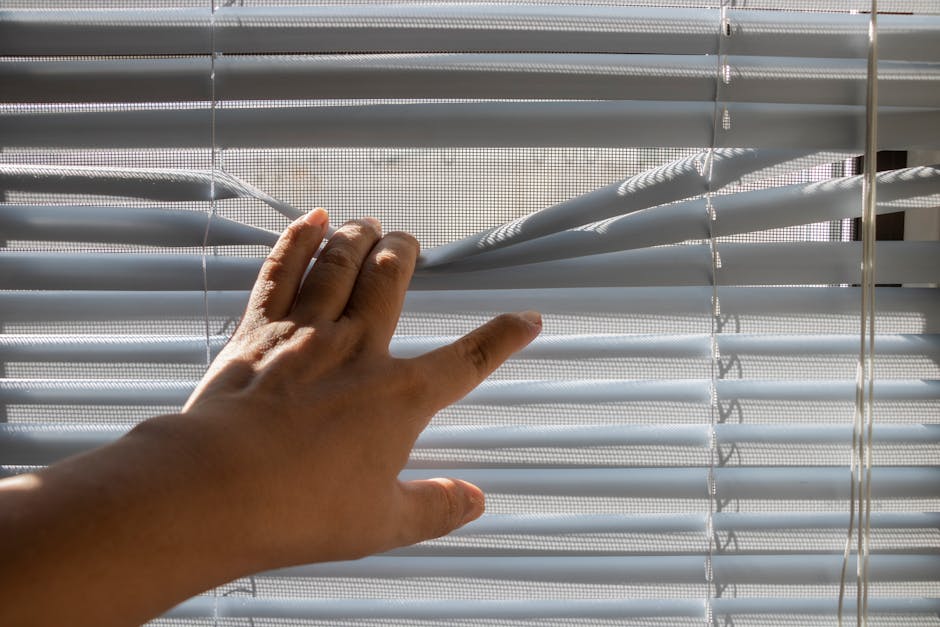
Begin by evaluating which windows receive the most solar exposure throughout the day. South-facing windows typically receive maximum summer heat gain, making them priority candidates for smart shades. West-facing windows experience intense afternoon sun in summer, while north-facing windows rarely benefit from solar heat. East-facing windows receive morning sun that can be desirable in winter but problematic in summer. Map your home’s solar exposure using a compass or smartphone app to identify which windows should have smart covers. Prioritize high-impact windows first—covering one large south-facing window often delivers more savings than covering multiple small north-facing windows.
Installation and Network Setup
Most smart blinds mount directly to the window frame using brackets, requiring only a drill and basic tools. Motorized shades need power access—either hardwired during construction or powered by rechargeable batteries requiring monthly charging. Connect your shades to your home Wi-Fi network using the manufacturer’s app, then add them to your home automation platform. If using Home Assistant, install the appropriate integration for your shade brand. Test all connections and ensure shades respond to commands before creating automation rules.
Creating Seasonal Automation Schedules
Build separate automation profiles for summer and winter, adjusting schedules as seasons change. For summer, program shades to close between 10 AM and 4 PM when solar intensity peaks, with earlier closing on west-facing windows. Use temperature triggers—if outdoor temperature exceeds 75°F, close shades automatically. For winter, set shades to open at sunrise and close at sunset, maximizing passive solar gain during daylight. Create intermediate schedules for spring and fall when heating and cooling needs balance. Test schedules for two weeks before fine-tuning, adjusting close times based on actual indoor temperature changes.
Integrating with Thermostat and Energy Monitoring
Connect your smart blinds to your thermostat through Home Assistant or similar platform. Create rules where closing blinds triggers a thermostat adjustment—for example, when shades close and outdoor temperature exceeds 78°F, increase the AC setpoint by 2 degrees. Use real-time home energy monitoring with Home Assistant to track energy consumption before and after automation activation. This data reveals actual savings and helps optimize schedules. If your utility offers time-of-use pricing, program shades to maximize cooling during off-peak hours when AC is less expensive to run.
Occupancy-Based Adjustments
Advanced automation considers whether your home is occupied. If nobody is home, close all shades during peak sun hours to prevent heat buildup. When occupants return, open shades gradually to maintain comfort while preserving cooling benefits. Use smartphone location tracking or motion sensors to trigger occupancy detection. During sleeping hours, close all shades to reduce heat loss and improve sleep quality, then open them at wake time to capture morning light.
Weather-Responsive Automation
In 2026, many smart home platforms integrate weather forecasting APIs that enable predictive automation. If a heat wave is forecasted, program shades to close earlier and stay closed longer. Before a cold front, schedule shades to open fully during afternoon hours to capture solar heat. Some advanced systems use historical weather data to optimize schedules based on typical seasonal patterns in your region.
How Much Energy and Money Can You Save with Smart Blinds?
Energy savings from smart blinds vary based on climate, window area, current HVAC efficiency, and automation quality. In hot climates with large windows, savings can reach 20-25 percent of cooling costs. In cold climates, heating savings typically range from 10-15 percent. Average households report $10-30 monthly savings during peak seasons, translating to $120-360 annually. ROI depends on initial investment—budget systems pay for themselves in 3-5 years, while premium integrated systems may take 5-7 years.

Climate Impact on Savings
Hot, sunny climates like Arizona and Florida see the highest savings because cooling represents 40-50 percent of annual energy bills. Smart blinds directly reduce this major expense. Moderate climates with balanced heating and cooling benefit from year-round savings. Cold climates with minimal cooling demands see lower absolute savings but still achieve meaningful heating reductions. Cloudy regions experience smaller savings because solar control provides less benefit.
Window Size and Orientation Effects
A home with 200 square feet of south-facing windows experiences greater savings than one with only 50 square feet. Large sliding glass doors and floor-to-ceiling windows amplify the impact of smart shading. East and west-facing windows provide more savings than north-facing windows because they receive more direct solar radiation. If your home has extensive glass, smart blinds become a high-priority efficiency upgrade.
Calculating Your Potential Savings
To estimate savings, multiply your window area (in square feet) by 5-10 watts per square foot of cooling load reduction. Divide by your HVAC system’s seasonal energy efficiency ratio (SEER) rating, then multiply by your local electricity rate. For example, 300 square feet of south-facing windows × 7 watts per square foot = 2,100 watts of cooling load reduction. Divided by a SEER 16 system = 131 watts of continuous cooling reduction. At 4,000 annual cooling hours × 131 watts × $0.15 per kilowatt-hour = $78 annual savings. This calculation is conservative; actual savings often exceed estimates due to thermostat interaction and behavioral changes.
What Are Common Mistakes When Installing and Using Smart Blinds?
Many homeowners fail to achieve maximum savings because they install smart blinds without proper planning, automation configuration, or integration with other systems. Understanding common pitfalls helps you avoid wasting investment.
Installing Shades on Low-Impact Windows
The most common mistake is automating every window equally. North-facing windows rarely need smart shades—they don’t experience significant solar heat gain. Installing expensive motorized shades on north windows wastes budget that could improve high-impact south and west-facing windows. Prioritize based on solar exposure analysis before purchasing.
Using Time-Based Schedules Without Flexibility
Fixed schedules that close shades at 10 AM every day fail to account for cloudy weather, seasonal shifts, or weather variations. On cloudy days, closing shades blocks beneficial daylight without reducing heat gain significantly. Upgrade to temperature-based or light-sensor automation that responds to actual conditions rather than clock time.
Neglecting Integration with Thermostats
Smart blinds deliver maximum savings only when coordinated with thermostat adjustments. Installing blinds without connecting them to your climate control system means your AC continues running at the same intensity even as shades reduce solar heat gain. This represents a missed optimization opportunity. Always integrate blinds with your thermostat through a home automation hub.
Poor Network Connectivity
Blinds that frequently disconnect from Wi-Fi fail to execute scheduled closures, reducing savings. Ensure your home Wi-Fi reaches all windows, consider mesh network expansion if needed, and test connectivity before finalizing automation rules. Some users switch to Zigbee or Z-Wave protocols for more reliable short-range connections.
Ignoring Maintenance Requirements
Motorized shades need occasional cleaning and battery replacement. Dust accumulation reduces light sensor accuracy, and depleted batteries prevent operation. Set calendar reminders for quarterly cleaning and monthly battery checks. Keep backup manual controls accessible in case motorized systems fail.
Setting Unrealistic Automation Expectations
Some users expect smart blinds to eliminate all heating and cooling needs. In reality, they reduce workload by 10-25 percent depending on conditions. Combine smart blinds with other efficiency measures like other smart home devices designed to save energy for cumulative benefits. Single solutions rarely deliver transformative results.
How Do Smart Blinds Compare to Other Window Energy Solutions?
Smart blinds represent one approach to window efficiency. Understanding how they compare to alternatives helps you choose the best solution for your situation.
Smart Blinds vs. Window Replacement
Replacing windows with high-efficiency models (triple-pane, low-emissivity glass) costs $500-1,500 per window installed. Smart blinds cost $200-600 per window. While new windows provide year-round insulation benefits, smart blinds offer faster ROI and lower upfront cost. For most homeowners, smart blinds represent better value. However, if windows are old and drafty, replacement provides superior performance.
Smart Blinds vs. Window Film
Reflective window film blocks 50-80 percent of solar heat but is permanent and reduces natural light significantly. Smart blinds offer flexibility—you can open them on cloudy days or winter mornings. Film costs $5-15 per square foot installed; smart blinds cost $2-6 per square foot. Blinds are more versatile and reversible.
Smart Blinds vs. Awnings and Exterior Shading
Exterior awnings and retractable shades prevent heat from entering your home before it reaches windows, theoretically offering superior performance. However, they cost $1,000-3,000 per window, require professional installation, and are vulnerable to weather damage. Smart interior blinds are more affordable and require no structural modification.
Are Smart Blinds Compatible with Home Assistant and Other Platforms in 2026?
Most smart blinds in 2026 support multiple platforms including Home Assistant, Apple HomeKit, Google Home, and Amazon Alexa. Compatibility varies by brand, so verify before purchasing. Setting up a smart home energy dashboard for Home Assistant allows you to monitor blind operation alongside other energy devices. Popular brands like IKEA FYRTUR, Eve MotionBlinds, and Lutron support broad platform compatibility. Open-source platforms like Home Assistant offer maximum flexibility for custom automation rules that proprietary systems cannot match.
Is Investing in Smart Blinds Worth It for Energy Savings in 2026?
Smart blinds represent a worthwhile investment if you have significant window area, live in a climate with high heating or cooling demands, and plan to stay in your home for at least 3-5 years. The combination of moderate cost, ease of installation, and measurable energy reduction makes them attractive compared to major renovations. In hot climates with large south-facing windows, ROI can occur within 2-3 years. In moderate climates with smaller window areas, payback extends to 5-7 years but still delivers long-term value.
The real advantage of smart blinds in 2026 is their role within comprehensive home energy management. Alone, they reduce energy use by 10-25 percent. Combined with smart home systems that optimize multiple devices, integrated thermostats, and energy monitoring, they become part of a powerful efficiency strategy. If you’re already investing in smart home technology, smart blinds are a logical addition that amplifies overall savings.
Consider smart blinds a priority if: your energy bills exceed regional averages, you have large windows on south or west-facing walls, your HVAC system is older and inefficient, or you’re building a comprehensive smart home. Defer the investment if your windows are already highly efficient, your home has minimal glass area, or you’re in a mild climate with low heating and cooling costs.
The technology continues improving in 2026, with better sensors, faster response times, and deeper platform integration. Installation is straightforward enough for DIY implementation, though professional installation ensures proper setup and automation configuration. Whether you choose budget-friendly retrofit motors or premium integrated systems, smart blinds deliver measurable energy and cost savings while improving home comfort and convenience.




Write Your Review
No reviews yet. Be the first to share your experience!