

How Does Excess Solar Management for EV Charging Optimization Work in 2026?
Excess solar management for EV charging optimization is a smart energy system that automatically directs surplus solar power generated by rooftop panels directly to electric vehicle charging stations, eliminating wasted energy and maximizing renewable resource utilization. In 2026, this technology has become essential for homeowners with solar installations and electric vehicles, creating a seamless connection between generation and consumption. The system monitors real-time solar production, battery storage levels, and EV charging needs simultaneously, then intelligently routes excess power to charge vehicles when grid electricity would otherwise be used. This approach reduces reliance on the electrical grid during peak hours, lowers electricity bills significantly, and extends the lifespan of solar batteries by preventing overcharge conditions. Homeowners can achieve energy independence while supporting grid stability, making excess solar management a cornerstone of modern sustainable living. The integration with smart home platforms has made implementation straightforward, allowing users to set charging schedules based on solar availability rather than time-of-use rates.
What Are the Core Components of Excess Solar Management Systems?
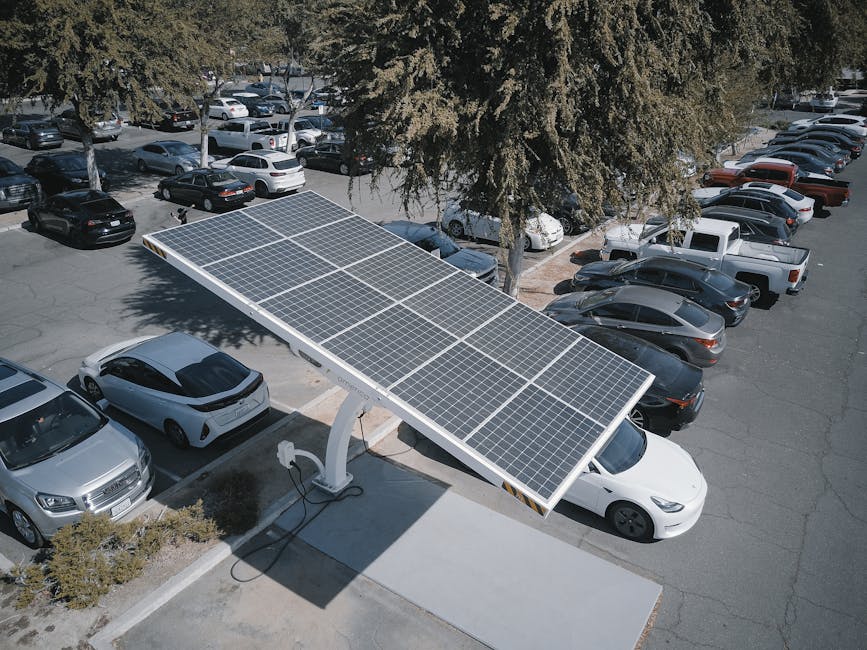
Excess solar management systems in 2026 consist of several interconnected components working in harmony. The foundation begins with solar panels that generate direct current electricity, followed by an inverter that converts this power to alternating current for home use. A solar monitoring system continuously tracks generation rates in real-time, providing data to the central control unit. Battery storage systems, such as lithium-ion or newer solid-state batteries, store excess energy for later use or grid export. The EV charging station communicates with the management system to receive charging signals based on available solar power. Smart meters measure consumption patterns and grid interaction, while the main control hub—often integrated into home energy management systems—orchestrates all components through sophisticated algorithms.
Solar Production Monitoring
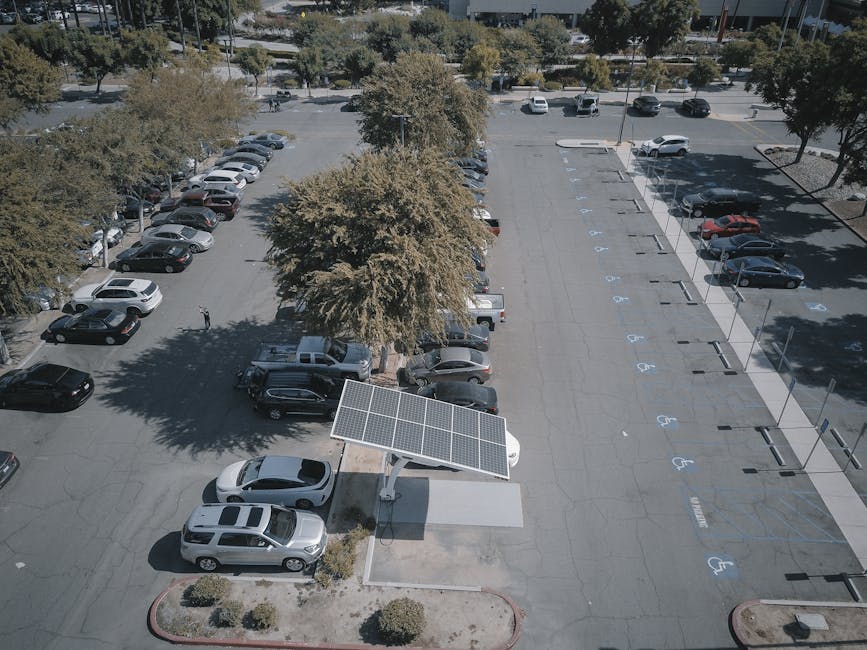
Real-time solar production monitoring is critical for excess solar management success. As detailed in our guide on how home energy monitors track solar production in 2026, these systems use inverter data and dedicated monitoring hardware to measure generation at the panel level. Modern systems provide granular data showing output from individual string inverters or microinverters, allowing the management system to predict available excess power with remarkable accuracy. This information feeds directly into charging algorithms, ensuring EV chargers activate only when genuine surplus exists.
Battery Storage Integration
Battery storage acts as a buffer in excess solar management systems, storing solar power generated during peak production hours for use during evening charging sessions. In 2026, most residential battery systems feature bidirectional inverters enabling vehicle-to-home (V2H) or vehicle-to-grid (V2G) capabilities, where the EV battery itself becomes part of the home’s energy ecosystem. This dual-storage approach maximizes renewable utilization and provides backup power during grid outages.
Smart EV Charging Control
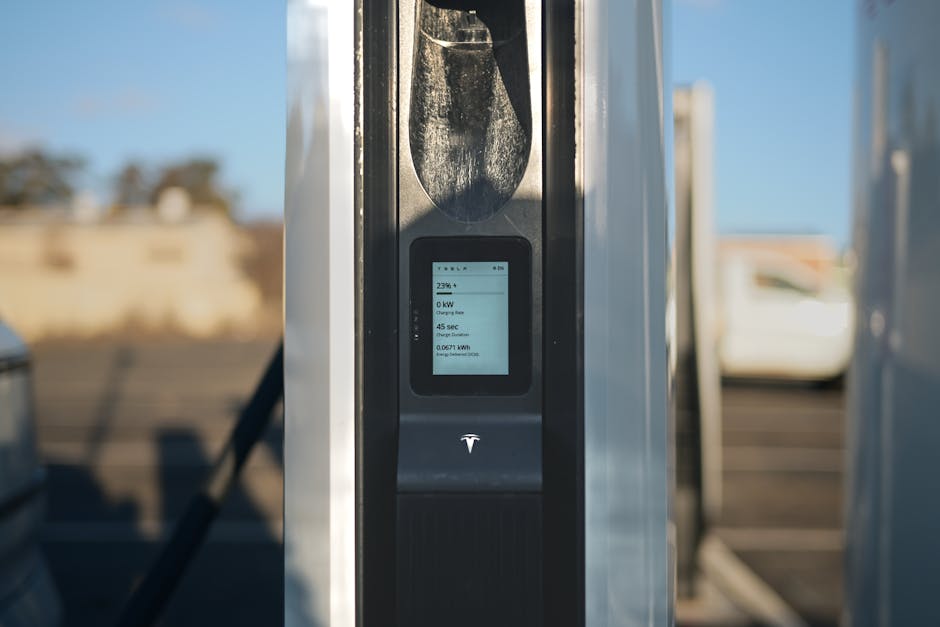
Modern EV chargers in 2026 feature variable power output capabilities, allowing them to adjust charging rates from 1.4 kW to 11 kW or higher based on available solar surplus. This dynamic adjustment prevents grid strain and ensures charging happens exclusively with renewable energy when conditions permit. The charger communicates constantly with the management system, receiving updated instructions as cloud cover changes or household consumption fluctuates.
Why Is Excess Solar Management Important for EV Owners in 2026?
Excess solar management has become increasingly important as electric vehicle adoption accelerates and electricity costs continue rising. For EV owners with solar installations, this technology represents the difference between merely reducing energy costs and achieving near-total energy independence. The average household EV requires 30-40 kWh daily for charging—equivalent to the total daily energy consumption of a traditional home. Without excess solar management, this demand typically requires purchasing grid electricity at peak rates or charging during off-peak hours, reducing the value of solar investment. Excess solar management systems ensure that available renewable energy prioritizes EV charging, effectively creating free fuel from sunlight.

The environmental impact cannot be overstated. By maximizing self-consumption of solar energy and minimizing grid electricity purchases, these systems reduce household carbon footprints dramatically. According to the U.S. Department of Energy, optimized solar-EV integration can reduce a household’s grid electricity consumption by 40-60% annually. Additionally, these systems support grid stability by reducing demand during peak afternoon hours when solar generation is highest, helping utilities manage load distribution more effectively. For homeowners, the financial benefits compound over time—studies show that solar-optimized EV charging can reduce annual electricity costs by $1,200-$2,000 compared to standard charging methods.
How Does the Charging Algorithm Decide When to Charge Your EV?
The intelligence behind excess solar management lies in sophisticated charging algorithms that process multiple data streams simultaneously. These algorithms consider current solar generation, battery storage levels, household electricity consumption, EV battery state of charge, departure times, and weather forecasts to determine optimal charging moments. In 2026, machine learning models have become standard, learning household patterns and adjusting predictions based on historical data.
Real-Time Decision Making
Modern algorithms operate in sub-second decision cycles, constantly evaluating whether solar generation exceeds household consumption plus battery charging needs. When genuine excess exists—typically defined as 500+ watts above consumption—the system initiates EV charging at the maximum sustainable rate. As cloud cover increases or household consumption rises, the algorithm reduces charging power proportionally. This prevents grid interaction while maintaining continuous charging whenever possible, ensuring the EV reaches full charge by departure time through accumulated solar energy.
Predictive Analytics
Advanced systems incorporate weather forecasting to predict solar generation 24-48 hours ahead. If forecasts show diminished solar production tomorrow, the algorithm may increase charging today to ensure adequate battery reserve. Conversely, if excellent weather is predicted, charging may be delayed to prioritize battery storage, knowing abundant solar power will arrive soon. This predictive capability, combined with user-defined departure times, ensures vehicles are always adequately charged while maximizing renewable energy utilization.
Multi-Priority Optimization
Sophisticated algorithms balance competing priorities: maximizing solar self-consumption, maintaining battery health, ensuring EV readiness, and minimizing grid interaction. The system may limit battery charging to preserve capacity for EV charging, or it might pause EV charging temporarily if household appliances require power. This dynamic prioritization requires continuous communication between all system components and intelligent decision-making that adapts to real-time conditions.
What Common Mistakes Should You Avoid When Implementing Excess Solar Management?
Understanding common implementation mistakes helps homeowners avoid costly errors and maximize system performance. The most prevalent mistake is oversizing solar arrays without properly sizing battery storage or EV charging capacity. Excess solar generation without adequate storage or charging infrastructure simply exports power to the grid at unfavorable rates, wasting the investment’s potential. Homeowners should calculate total daily consumption—household usage plus EV charging—then size solar generation to meet 100-120% of this demand, with battery storage capturing 4-8 hours of peak generation.

Another critical error involves selecting incompatible system components that cannot communicate effectively. In 2026, open-source platforms like Home Assistant have become popular for integration, but some older solar inverters, battery systems, and EV chargers lack modern communication protocols. Before purchasing components, verify that all equipment uses standardized protocols such as Modbus, MQTT, or native API integrations. Choosing proprietary systems from single manufacturers may seem convenient but limits flexibility and future upgrades.
Many homeowners also fail to account for seasonal variation in solar generation. Winter production may be 40-50% lower than summer peaks, requiring battery storage and grid connectivity for year-round EV charging reliability. Systems designed only for summer performance will prove inadequate during darker months. Additionally, neglecting to set realistic charging expectations causes disappointment—excess solar management cannot guarantee 100% renewable charging every day, but rather maximizes renewable utilization within realistic constraints.
How Do You Optimize Excess Solar Management for Maximum EV Charging Efficiency?
Optimizing excess solar management requires a multi-faceted approach combining proper system sizing, intelligent configuration, and ongoing monitoring. The first step involves conducting a comprehensive energy audit to understand your household’s actual consumption patterns. Track electricity usage for a full year, noting seasonal variations and daily peaks. Simultaneously, analyze your EV’s charging patterns—how many miles you drive daily, when you typically charge, and your vehicle’s efficiency rating. This data forms the foundation for all subsequent optimization decisions.
Right-Sizing Your Solar Array
Calculate your total daily energy requirement by adding household consumption and EV charging needs. For example, if your home uses 20 kWh daily and your EV requires 35 kWh weekly (5 kWh daily), your total is 25 kWh per day. A properly sized solar array should generate 30-35 kWh daily on average (accounting for seasonal variation and system losses), with actual peak production reaching 40-45 kWh during optimal summer conditions. Oversizing beyond this point generates minimal additional benefit due to battery and charger limitations, while undersizing leaves excess grid reliance. Consult with a solar professional to model your specific location’s solar irradiance using tools from the National Renewable Energy Laboratory’s PVWatts calculator.
Battery Storage Configuration
Your battery system should store 4-8 hours of peak solar generation, typically 15-20 kWh for most residential installations. This capacity allows you to capture excess midday production for evening EV charging without oversizing to the point of diminishing returns. Ensure your battery system supports dynamic power adjustment and features integrated monitoring compatible with your chosen management platform. Lithium iron phosphate (LiFP) batteries have become standard in 2026 due to superior cycle life and safety profiles compared to older lithium cobalt technology.
Smart Charger Selection and Configuration
Choose an EV charger with variable power output capabilities and native integration with popular home automation platforms. Level 2 chargers (240V) offer the best balance of charging speed and flexibility, typically supporting 1.4-11 kW output adjustment. Configure your charger’s maximum power limit based on your solar generation capacity—if your system generates 8 kW average excess power, set the charger’s maximum to 7.5 kW to maintain safety margins. Enable all available communication protocols (Modbus, MQTT, API) to ensure seamless integration with your management system.
System Monitoring and Analytics
Implement comprehensive monitoring using tools like Home Assistant for real-time energy monitoring, which provides visibility into solar generation, battery status, household consumption, and EV charging simultaneously. Create dashboards showing daily solar production versus consumption, monthly renewable energy percentage, and estimated annual savings. Review this data monthly to identify optimization opportunities—if you’re consistently exporting excess power to the grid, consider increasing EV charging power limits or delaying non-essential household consumption to solar peak hours.
Time-of-Use Strategy Optimization
Even with excess solar management, understanding your utility’s time-of-use rates remains important. If your utility offers lower rates during specific hours, you may occasionally benefit from grid charging during these periods rather than drawing from battery storage, preserving battery capacity for evening use. However, this strategy should be secondary to maximizing solar self-consumption—the financial and environmental benefits of renewable charging far exceed minor rate arbitrage opportunities.
Seasonal Adjustment Protocols
Establish different charging profiles for seasonal conditions. During summer, increase charging power limits and allow more aggressive battery depletion, knowing abundant solar generation will replenish reserves quickly. In winter, reduce charging power limits and maintain higher battery reserve levels to compensate for reduced solar generation. Most modern management systems allow scheduling these adjustments automatically based on calendar dates or sunrise/sunset times.
What Technology Platforms Enable Excess Solar Management in 2026?
Multiple technology platforms have emerged to orchestrate excess solar management systems, ranging from closed manufacturer ecosystems to open-source solutions. Tesla’s Powerwall ecosystem remains popular, integrating solar generation, battery storage, and Tesla vehicle charging through proprietary software. However, 2026 has seen significant growth in open-source alternatives offering greater flexibility and compatibility with diverse equipment brands. Home Assistant has become the platform of choice for tech-savvy homeowners, supporting integration of virtually any solar inverter, battery system, and EV charger through standardized protocols. As discussed in our guide on setting up a smart home energy dashboard for Home Assistant, this platform enables sophisticated automation and real-time monitoring without vendor lock-in.
Other platforms gaining traction include Sunrun’s Brightbox system, which integrates solar, battery, and EV charging with cloud-based optimization, and various utility-provided platforms that manage distributed energy resources across neighborhoods. For maximum flexibility in 2026, consider systems built on open standards like OCPP (Open Charge Point Protocol) for EV chargers and Modbus for battery and inverter communication. These standards ensure your system remains compatible with future equipment upgrades and evolving technology.
Frequently Asked Questions
Can excess solar management work without battery storage?
Yes, but with significant limitations. Without batteries, excess solar management can only charge your EV during daylight hours when solar generation exceeds household consumption. Evening and nighttime charging requires grid electricity. Battery storage dramatically improves functionality by storing midday excess for evening use, enabling near-complete renewable charging. For optimal results, battery storage is highly recommended.
How much money can excess solar management save annually?
Savings depend on your location, electricity rates, and EV usage patterns. Average homeowners with properly optimized systems save $1,200-$2,500 annually on electricity costs. In high-rate areas like California, savings may exceed $3,500 yearly. Additionally, increased solar self-consumption often qualifies for utility incentives and tax credits, further improving financial returns. Calculate your specific savings using your utility rates and local solar generation data.
What happens to excess solar power that cannot charge your EV?
Excess solar power beyond what your EV charger and battery can accept flows back to the electrical grid through net metering arrangements. Your utility credits you for this exported power, typically at wholesale rates (lower than retail rates you pay for grid electricity). In some regions, excess power charges virtual batteries or community solar programs, providing modest financial return while supporting grid stability.
Is excess solar management compatible with older EV models?
Compatibility depends on your charger, not your vehicle. Modern level 2 chargers with variable power output work with all EV models, enabling excess solar management regardless of vehicle age. However, older vehicles cannot leverage vehicle-to-home (V2H) or vehicle-to-grid (V2G) features that newer models support. These advanced features provide additional optimization benefits but aren’t essential for basic excess solar management functionality.
How does cloudy weather affect excess solar management performance?
Cloudy conditions reduce solar generation significantly—typically 40-60% below clear-sky output. On heavily cloudy days, excess solar charging may be minimal or nonexistent, requiring grid electricity or battery reserves. This is why battery storage and realistic seasonal planning are crucial. Modern systems predict cloud cover using weather forecasts, adjusting charging strategies proactively to maintain adequate battery reserves during extended cloudy periods.
Can excess solar management integrate with smart home automation?
Absolutely. Excess solar management systems integrate seamlessly with broader smart home ecosystems. As explored in our guides on geofencing for heating and cooling optimization and smart plugs for energy savings, you can coordinate EV charging with other smart devices. For example, geofencing can trigger charging when you approach home, while smart plugs can defer non-essential loads during peak EV charging periods, maximizing solar utilization across your entire home.
Is Excess Solar Management for EV Charging Worth the Investment in 2026?
Excess solar management for EV charging represents a worthwhile investment for homeowners with both solar installations and electric vehicles, particularly those in regions with high electricity rates or abundant sunshine. The financial return typically materializes within 5-8 years through reduced electricity purchases, with systems lasting 25-30 years, providing decades of savings beyond initial payback periods. Beyond financial considerations, the environmental benefits are substantial—optimized solar-EV integration can reduce household carbon emissions by 50-70% compared to grid-charged vehicles, supporting broader climate goals.
However, the investment’s value depends heavily on your specific circumstances. If you have solar panels without an EV, or an EV without solar, implementing excess solar management alone provides limited benefits. The synergy between all three components—solar generation, battery storage, and EV charging—creates the value proposition. Additionally, your location matters significantly; homeowners in areas with poor solar resources or low electricity rates may struggle to achieve attractive financial returns. Before investing, conduct a detailed cost-benefit analysis using your specific electricity rates, solar generation potential, and EV charging patterns. Many solar installers provide free system design and financial modeling to help evaluate feasibility.
For those with existing solar installations and recently purchased EVs, excess solar management upgrades often require modest additional investment—primarily an intelligent charger and management software—making the financial case compelling. The technology has matured substantially in 2026, with reliable systems from multiple manufacturers and strong community support for open-source platforms. If you’re committed to maximizing renewable energy utilization and achieving energy independence, excess solar management represents the logical next step in home energy optimization, delivering returns that extend far beyond simple electricity bill reduction.










Write Your Review
No reviews yet. Be the first to share your experience!