
What Are the Benefits of Blockchain in Peer Energy Sharing?
Blockchain technology fundamentally transforms peer energy sharing by creating transparent, decentralized networks where homeowners can trade solar energy directly with neighbors without intermediaries. The key benefit is trust: blockchain’s immutable ledger records every transaction, eliminating the need for a central authority to verify exchanges. In 2026, this technology enables real-time settlement, reduces transaction costs by up to 80%, and allows microgrid participants to maintain complete control over their energy assets. Blockchain also ensures data security through cryptographic encryption, protecting sensitive consumption patterns and financial information. For solar-equipped homes and communities adopting distributed energy resources, blockchain creates an efficient marketplace where excess energy flows directly to buyers at fair prices, maximizing renewable utilization and reducing grid strain. This peer-to-peer model accelerates the transition to decentralized energy systems while empowering consumers as both producers and traders in their local energy economy.

The emergence of blockchain-based energy platforms in 2026 represents a significant shift from traditional utility-controlled grids to community-driven energy ecosystems. Homeowners with rooftop solar installations, battery storage, or other distributed generation assets can now monetize surplus power through transparent, automated transactions. Smart contracts—self-executing agreements coded into blockchain—automatically facilitate energy transfers when conditions are met, eliminating manual processing and disputes. This democratization of energy trading creates economic incentives for renewable adoption while building resilient local energy networks that can operate independently during grid outages. The integration of blockchain with IoT devices and smart meters enables real-time energy tracking and settlement, making peer energy sharing practical and scalable for residential communities.
How Does Blockchain Enable Transparent Energy Trading Between Neighbors?
Blockchain creates an immutable, distributed ledger that records every energy transaction with complete transparency. When a homeowner with excess solar power sells energy to a neighbor, the transaction is cryptographically verified and permanently recorded across multiple network nodes. This transparency eliminates information asymmetry—both parties can verify the exact amount of energy exchanged, the price agreed upon, and the timestamp of the transaction. Unlike traditional utility billing systems controlled by centralized entities, blockchain allows participants to audit the entire transaction history independently.
Smart Contracts Automate Energy Settlements
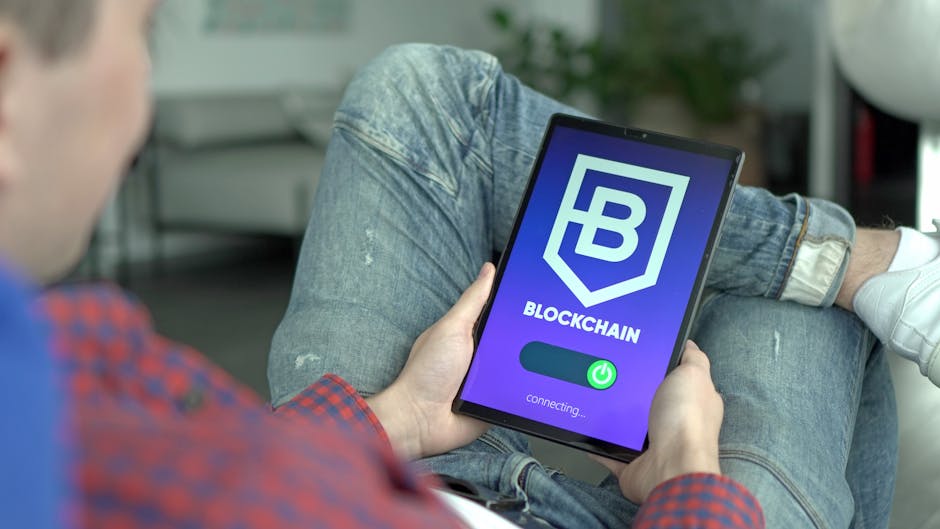
Smart contracts are self-executing programs deployed on blockchain networks that automatically facilitate energy transfers based on predetermined conditions. When a peer energy sharing agreement is established, the smart contract monitors real-time energy flows from IoT-enabled smart meters and automatically transfers cryptocurrency or digital tokens equivalent to the energy delivered. This automation eliminates intermediaries, reduces settlement time from days to seconds, and prevents disputes by enforcing terms programmatically. For example, if homeowner A generates 10 kWh of solar energy and homeowner B needs 8 kWh, the smart contract instantly transfers the appropriate payment when the energy flows through the network.
Immutable Record-Keeping Builds Trust
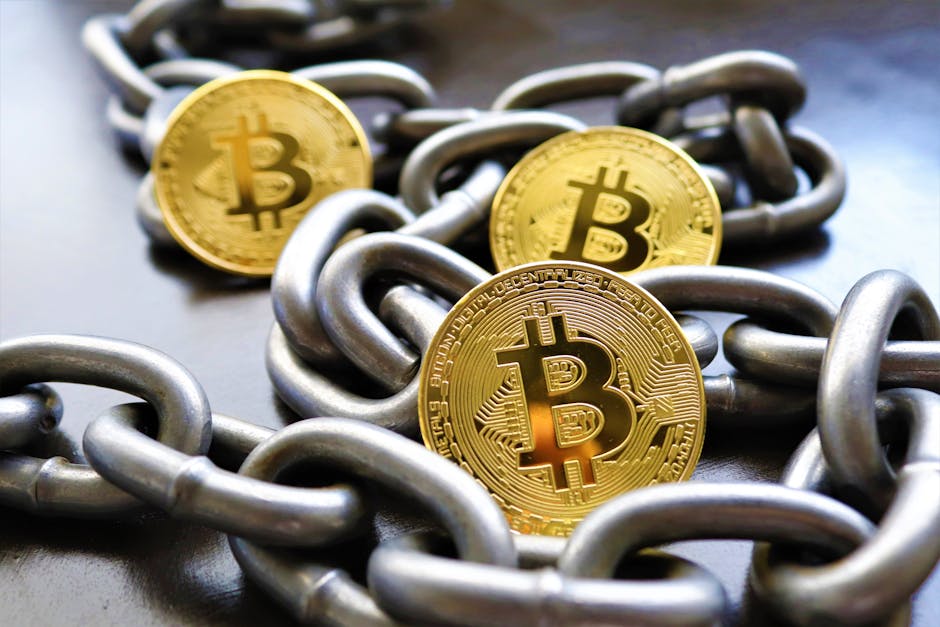
Every transaction on a blockchain network is cryptographically linked to previous transactions, creating an unbreakable chain of records. This immutability prevents fraud, unauthorized modifications, or disputes about past transactions. Participants can trust that historical data reflects actual energy exchanges without manipulation. For peer energy sharing communities, this transparency addresses a critical barrier to adoption: the ability to verify that energy was actually delivered as promised. Government agencies and regulatory bodies can also audit blockchain records to ensure compliance with renewable energy incentive programs and grid stability requirements.
What Cost Savings Does Blockchain Deliver in Peer Energy Sharing Systems?
Blockchain eliminates intermediaries in energy trading, directly reducing transaction costs. Traditional utility-based energy systems require centralized infrastructure for billing, customer service, dispute resolution, and regulatory compliance—costs ultimately passed to consumers. Peer energy sharing platforms built on blockchain remove these middlemen, enabling direct transactions between participants. Studies of blockchain energy projects show transaction costs can decrease by 70-80% compared to conventional utility billing. Additionally, faster settlement cycles mean participants receive payments immediately rather than waiting 30-60 days for traditional utility payments, improving cash flow for energy producers.
Reduced Operational Overhead
Blockchain networks operate on distributed consensus mechanisms rather than requiring expensive centralized servers and support staff. Once deployed, smart contracts execute automatically without human intervention, eliminating labor costs for transaction processing. Communities implementing blockchain-based peer energy sharing can redirect savings into expanding renewable infrastructure or reducing energy costs for all participants. The automation also reduces billing errors, which account for significant customer service expenses in traditional utilities.
Dynamic Pricing Maximizes Energy Value
Blockchain enables real-time pricing mechanisms where energy prices adjust based on supply and demand within local microgrids. When multiple neighbors have excess solar generation simultaneously, prices decrease automatically, incentivizing consumption. Conversely, during peak demand periods, prices increase, encouraging energy storage or conservation. This dynamic pricing is impossible in traditional utility systems with fixed rate structures. Participants benefit by selling energy at optimal prices and purchasing at lower rates, creating economic incentives that align individual interests with grid stability and renewable utilization.
How Does Blockchain Enhance Security and Privacy in Energy Trading?
Blockchain’s cryptographic architecture protects energy transaction data from unauthorized access and manipulation. Each participant holds a private cryptographic key that authorizes transactions, similar to bank account security. Only the key holder can initiate energy transfers or access their transaction history, preventing identity theft or unauthorized energy trades. The distributed nature of blockchain networks also eliminates single points of failure—even if one network node is compromised, thousands of others maintain accurate, unaltered records.
Privacy-Preserving Transaction Design
Advanced blockchain implementations use zero-knowledge proofs and other cryptographic techniques to verify transactions without revealing sensitive information. Participants can prove they have sufficient energy to deliver or capital to purchase without exposing their full consumption patterns or financial data. This privacy protection is crucial for residential energy trading, where homeowners may hesitate to share detailed electricity usage information. Privacy-preserving blockchains balance transparency—needed to prevent fraud—with confidentiality for personal data.
Protection Against Grid Cyberattacks
Distributed energy resources connected to blockchain networks are inherently more resilient to cyberattacks than centralized grid infrastructure. Traditional power grids have critical control centers that, if compromised, can disrupt electricity for millions. Blockchain-based peer energy sharing networks have no single point of failure—an attacker would need to simultaneously compromise the majority of network nodes to alter transaction records or disrupt energy flows. This distributed resilience is particularly valuable as communities increasingly rely on renewable energy and microgrids for local power generation.
How Do You Implement Blockchain for Peer Energy Sharing in Your Community?
Implementing blockchain-based peer energy sharing requires several foundational components working in concert. First, your community needs smart meters or IoT energy monitoring devices that can measure real-time energy production and consumption with sufficient accuracy for financial settlement. These devices must connect to a blockchain network through secure gateways that translate energy data into blockchain transactions. Second, participants need digital wallets to hold cryptocurrency or energy tokens representing their energy assets. Third, the community must establish governance rules: pricing mechanisms, dispute resolution procedures, and participation requirements. Finally, regulatory compliance is essential—your jurisdiction must permit peer energy trading and define how it interacts with utility interconnection rules and renewable energy incentives.

Select an Appropriate Blockchain Platform
Multiple blockchain platforms support peer energy sharing, each with different characteristics. Public blockchains like Ethereum offer decentralization and security but may have higher transaction costs and slower speeds. Private blockchains controlled by community organizations provide faster transactions and lower costs but require trust in the controlling entity. Consortium blockchains, governed by multiple organizations, balance decentralization with efficiency. For residential communities, consortium blockchains often provide the optimal balance—they’re faster and cheaper than public blockchains while maintaining transparency through multiple governing parties. Platforms specifically designed for energy trading, such as those from organizations like the Hyperledger Foundation, offer features tailored to peer energy sharing.
Deploy Smart Meters and IoT Integration
Your community’s smart meters must be compatible with blockchain systems and capable of measuring bidirectional energy flows. Modern smart meters can record energy sent to the grid (from solar panels) separately from energy consumed, essential for calculating peer-to-peer transactions. These meters must connect to blockchain gateways—devices that convert meter readings into blockchain transactions. The integration should include redundancy and fail-safes: if the blockchain connection fails, the smart meter continues recording data locally and synchronizes when connectivity resumes. For neighborhoods already implementing smart home energy management systems, blockchain integration often builds on existing infrastructure, reducing installation costs.
Establish Community Governance and Pricing Models
Before launching peer energy sharing, your community must define how prices are set, how disputes are resolved, and who participates. Some communities implement fixed pricing where energy always trades at a set rate, simplifying transactions but potentially leaving value on the table during high-demand periods. Others use dynamic pricing where rates adjust based on supply and demand, maximizing efficiency but requiring more sophisticated smart contracts. Governance structures might include a community energy cooperative that oversees the blockchain network, sets policies, and manages disputes. Clear rules about what happens when energy can’t be delivered (equipment failures) or when participants default on payments are essential for maintaining trust.
Integrate with Existing Renewable Infrastructure
Most peer energy sharing participants are solar homeowners or communities with battery storage systems. Your blockchain implementation should integrate seamlessly with existing renewable installations. If your community has already implemented excess solar management for EV charging optimization, blockchain can enhance these systems by automating energy allocation and payment. Similarly, if your community uses smart home energy management systems for apartments, blockchain can enable energy trading between units. The integration should prioritize local consumption first—energy stays within the community before flowing to the grid—maximizing the benefits of peer sharing.
Navigate Regulatory and Utility Coordination
Peer energy sharing operates in a complex regulatory environment that varies by jurisdiction. Some regions explicitly permit peer energy trading through net metering programs or community solar policies. Others prohibit it or require utility approval. Before implementing blockchain peer energy sharing, research your jurisdiction’s regulations regarding distributed generation, interconnection, and energy trading. Some utilities view peer energy sharing as competition and may resist it, while others recognize the benefits for grid stability and renewable adoption. Engaging utility companies early in the planning process can identify opportunities for collaboration—utilities might operate the blockchain platform or provide technical support. DSIRE (Database of State Incentives for Renewables & Efficiency) provides detailed information about state and local renewable energy policies.
What Are Common Mistakes to Avoid When Implementing Blockchain Energy Sharing?
Many communities and projects attempting blockchain peer energy sharing fail due to preventable mistakes. Underestimating regulatory complexity is perhaps the most common error—projects often launch without confirming that peer energy trading is legally permitted in their jurisdiction, resulting in forced shutdowns. Another critical mistake is selecting blockchain platforms without understanding their technical limitations. Some platforms designed for financial transactions lack the real-time capabilities required for energy trading, where delays of even seconds can create settlement errors. Overcomplicating smart contracts is another pitfall—contracts that are too complex are difficult to audit for security vulnerabilities and may have unexpected behaviors in edge cases.
Poor integration with existing smart meters and IoT devices frequently derails implementations. If smart meters can’t accurately measure bidirectional energy flows or if blockchain gateways frequently disconnect, the system becomes unreliable and participants lose trust. Inadequate governance structures also cause failures—communities that don’t establish clear dispute resolution procedures or decision-making processes often experience conflicts that undermine participation. Finally, many projects fail by ignoring user experience. Blockchain technology should be invisible to participants; if users must understand cryptocurrency wallets, cryptographic keys, or blockchain mechanics to participate, adoption will be minimal. Successful implementations abstract away technical complexity, allowing participants to focus on energy trading rather than blockchain management.
How Can Blockchain Peer Energy Sharing Complement Other Smart Home Technologies?
Blockchain peer energy sharing doesn’t operate in isolation—it integrates with and enhances other smart home and community energy technologies. For homes with electric vehicles, blockchain-enabled peer energy sharing can optimize charging by automatically purchasing cheaper energy from neighbors during off-peak hours. If your community has implemented smart EV charging based on time-of-use rates, blockchain can expand the available energy sources beyond utility time-of-use rates to include peer-generated renewable energy at potentially lower costs.
Home energy monitors that track solar production can feed real-time data directly into blockchain peer energy sharing platforms. Home energy monitors track solar production with granular detail, and this data becomes the basis for peer energy trading. When your monitor detects excess solar generation, it can automatically list that energy for sale on the blockchain marketplace. Conversely, when your home needs energy, the monitoring system can identify the cheapest available source—neighbor energy, stored battery power, or grid electricity—and purchase accordingly.
5G connectivity significantly improves blockchain peer energy sharing by enabling faster, more reliable communication between smart meters, IoT devices, and blockchain networks. 5G’s low latency allows real-time energy trading with minimal delays, while its high bandwidth supports the data-intensive nature of blockchain networks. For communities implementing Matter protocol for device interoperability, blockchain can be integrated as a backend transaction layer, enabling seamless energy trading across different manufacturers’ devices.
Battery storage systems, whether home-based or community-scale, become more valuable when integrated with blockchain peer energy sharing. A household with solar panels and a battery can store excess generation and sell it during peak prices, optimizing revenue. Blockchain automates these decisions through smart contracts that monitor prices and automatically discharge batteries when selling energy is most profitable. This integration transforms energy storage from a cost center into a revenue-generating asset.
What Is the Environmental Impact of Blockchain Peer Energy Sharing?
Blockchain peer energy sharing accelerates renewable energy adoption by making solar and other distributed generation economically attractive. When homeowners can directly monetize excess renewable energy through peer sales, the payback period for solar installations decreases significantly, encouraging more installations. This expanded renewable capacity reduces dependence on fossil fuel power plants, lowering community carbon emissions. Studies of peer energy sharing platforms show that participants increase renewable generation capacity by 15-25% compared to similar communities without peer trading mechanisms.
However, the environmental impact depends heavily on the blockchain platform’s energy consumption. Proof-of-work blockchains like Bitcoin consume enormous amounts of electricity, potentially offsetting renewable energy benefits. In contrast, proof-of-stake blockchains and other consensus mechanisms use 99%+ less energy. Communities implementing peer energy sharing should prioritize energy-efficient blockchain platforms. Many modern platforms designed specifically for energy trading use proof-of-stake or other low-energy consensus mechanisms, ensuring that the blockchain infrastructure itself doesn’t consume significant electricity.
Blockchain peer energy sharing also reduces energy waste by optimizing local energy utilization. In traditional grids, renewable energy is sometimes curtailed (prevented from being generated) during periods of oversupply because the grid lacks capacity to transmit it. Peer energy sharing enables local consumption of this energy, eliminating curtailment losses. Additionally, by reducing reliance on long-distance energy transmission, peer sharing decreases transmission losses—electricity loses energy traveling over long distances, and local consumption minimizes these losses.
Frequently Asked Questions
What blockchain platforms are specifically designed for peer energy sharing?
Several platforms target energy applications, including Hyperledger Fabric (a private blockchain framework), VeChain (focused on supply chain and energy), and specialized platforms like Pando by Grid+ or Powerledger. Many communities also use Ethereum with custom smart contracts. The choice depends on your community’s size, technical expertise, and specific requirements. Energy-specific platforms often provide better integration with smart meters and IoT devices than general-purpose blockchains.
How much cryptocurrency or blockchain knowledge do participants need?
Ideally, none. Well-designed peer energy sharing platforms abstract blockchain complexity from users. Participants interact with simple interfaces showing available energy for sale, prices, and their transaction history—similar to shopping on an e-commerce website. The blockchain operates invisibly in the background. Communities should avoid platforms requiring participants to understand cryptocurrency wallets, private keys, or blockchain mechanics. User-friendly design is critical for mainstream adoption.
Can blockchain peer energy sharing work in apartments or multi-unit buildings?
Yes, but it requires careful implementation. Each unit needs individual smart meters and the ability to independently buy and sell energy. In buildings with shared solar panels or battery storage, blockchain can allocate generation and costs fairly among units based on consumption. Buildings already using smart home energy management systems for apartments have the infrastructure foundation to add blockchain peer trading. The primary challenge is ensuring building electrical systems can handle bidirectional energy flows between units.
What happens if the blockchain network goes down?
Smart meters continue recording energy data locally and synchronize with the blockchain when connectivity resumes. However, transactions can’t be settled until the network is restored. To minimize disruption, communities should implement redundant network connections and geographic distribution of blockchain nodes. Some implementations include fallback mechanisms where energy trading temporarily operates on centralized systems during blockchain outages, then reconciles with the blockchain when it returns online.
How does blockchain peer energy sharing affect utility bills?
Participants typically pay reduced electricity bills because peer-purchased energy often costs less than utility rates. However, they may still pay utility connection fees and charges for grid services. The exact impact depends on your utility’s rate structure and local regulations. Some utilities offer special rates for peer energy sharing participants. Communities should model the financial impact before implementation to ensure participants understand how peer sharing affects their bills.
Is blockchain peer energy sharing available in my area in 2026?
Availability depends on your location and local regulations. As of 2026, peer energy sharing with blockchain is legal and operational in parts of Europe, Australia, and select U.S. states. However, many jurisdictions still prohibit it or require utility approval. Check your state or country’s renewable energy policies through DSIRE or local utility websites. Communities interested in implementing peer sharing should engage with utilities and regulators early to navigate the approval process.
Is Blockchain Peer Energy Sharing Worth Implementing in Your Community?
Blockchain peer energy sharing represents a fundamental shift in how communities can manage electricity, offering substantial benefits in cost savings, transparency, and renewable energy adoption. For communities with significant solar penetration or strong renewable energy goals, the technology delivers measurable value: reduced electricity costs for participants, increased economic incentives for solar installation, and improved grid resilience. The technology is mature enough in 2026 that several platforms have demonstrated real-world viability and community adoption.
However, successful implementation requires careful planning and realistic expectations. Regulatory approval is essential and sometimes challenging—don’t assume peer energy sharing is permitted in your jurisdiction without verification. Technical infrastructure matters significantly: ensure your community’s smart meters and IoT devices can integrate with blockchain systems. User experience design is critical—the technology should be invisible to participants, who should interact with intuitive interfaces rather than cryptocurrency concepts. Start with pilot programs in interested neighborhoods rather than attempting community-wide rollouts, allowing you to refine processes and build trust before scaling.
The environmental benefits of accelerating renewable adoption through blockchain peer energy sharing are compelling, particularly as communities work toward decarbonization goals. The economic benefits—reduced transaction costs, dynamic pricing, and direct monetization of renewable energy—create strong incentives for participation. For communities already implementing smart home technologies, renewable generation, and energy monitoring systems, blockchain peer energy sharing is a natural next step that amplifies the value of existing investments. The combination of environmental impact, economic benefits, and technological maturity makes blockchain peer energy sharing worth serious consideration for forward-thinking communities in 2026 and beyond.









Write Your Review
No reviews yet. Be the first to share your experience!